

Roof coverings
Flat roof waterproofing: choosing the covering and the layers beneath it
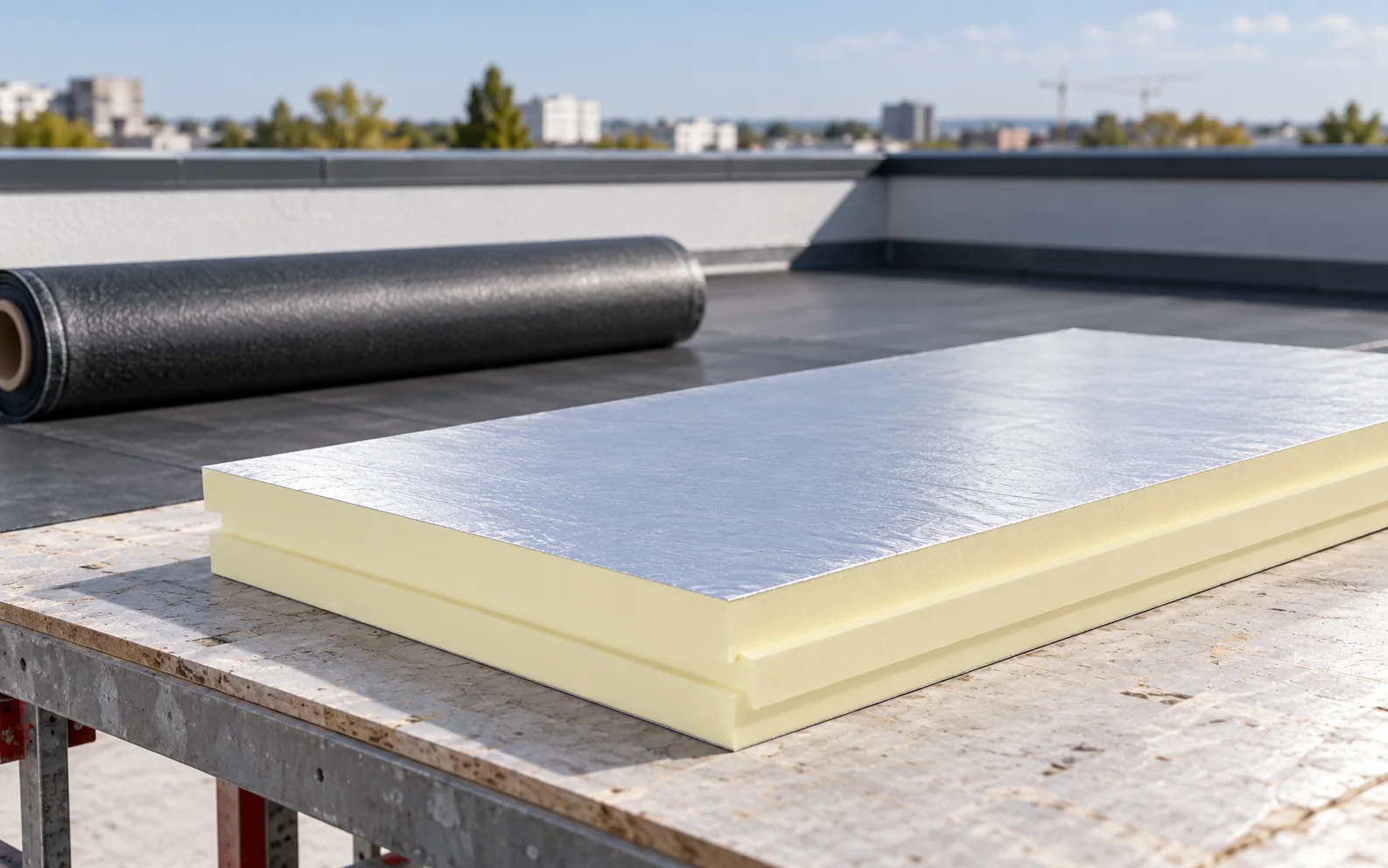
For a flat roof, a continuous waterproofing system is usually selected, such as roofing felt or a membrane. Beneath it, a suitable structure, vapour control layer and insulation are required. PIR helps to reduce layer thickness, but requires a suitable facing and installation method. The price of the insulation alone is not the price of the finished roof covering. At a low pitch, water drains more slowly and acts on the joints for longer. The system must therefore ensure continuous sealing and a path to the outlets. A fall is required despite the name flat roof. Its value and how it is formed depend on the system and the geometry of the building. Ordinary tile-effect metal roofing or overlapping trapezoidal sheet is not suitable for an arbitrarily small angle.
In this article
Why does a flat roof require a different approach?
At a low pitch, water drains more slowly and acts on the joints for longer. The system must therefore ensure continuous sealing and a path to the outlets. A fall is required despite the name flat roof. Its value and how it is formed depend on the system and the geometry of the building.
Ordinary tile-effect metal roofing or overlapping trapezoidal sheet is not suitable for an arbitrarily small angle. The minimum requirements of the specific product must be checked. On many flat roofs, trapezoidal steel sheet performs a load-bearing function beneath the insulation rather than being the external waterproof layer. These roles must be distinguished.
When should you consider roofing felt, and when a membrane?
Both solutions require a complete system with details at parapets, outlets and penetrations. Roofing felt can be used in assemblies with different numbers of layers and methods of fixing. Membranes also differ in material, joining and required substrate. They are not one universal group with identical installation rules.
The choice depends on the structure, insulation, loads and what can be executed. The chemical compatibility of the layers must be checked, as must the need to separate them with a material specified in the system. Insulation should not be chosen by thickness alone and then matched with any waterproofing that can be laid on it.
How do you choose a PIR board for this assembly?
PIR can provide high thermal resistance at a relatively small thickness. However, the type of facing, the intended use and the load parameters are important. A board intended for one method of installation need not be suitable for another. In particular, it must not be combined arbitrarily with work involving high temperatures.
Stress at a defined deformation does not mean an acceptable pressure over many years. Beneath equipment and in areas of frequent traffic, loads may need to be distributed. The thickness is determined for the required U-value of the whole roof. It is not chosen solely by the cheapest item in the price list.
Do EPS, XPS and mineral wool have their place here?
Yes, if they suit the designed building element. EPS is sometimes an economical solution in suitable assemblies. Mineral wool can help to meet fire or acoustic requirements. XPS is considered, among other things, in inverted roofs, where the insulation lies above the waterproofing and works under different moisture conditions.
The comparison should be made at a similar thermal performance and for the same function. Equal thickness does not mean equal resistance. PIR is not universally better in water or under every load. The properties of the specific product are needed, not just the name of the foam type.

How should the substrate and falls be prepared?
The load-bearing layer must have adequate load capacity, geometry and surface condition. On structural trapezoidal sheet, the support of the insulation and the fixing of the layers must also be verified. Deflections should not lead to unforeseen ponding. Outlets and overflows are planned together with the falls.
Materials must be protected from moisture during the works. Open sections should be secured in accordance with the work plan. Wet insulation is not automatically closed in with waterproofing in the hope that it will dry out later. Assessment and possible replacement at this stage are easier than repairing a finished roof.
How do you read an insulation price list without mistakes?
A price list effective from 28 October 2026 listed a 100 mm PIR board for flat roofs at the equivalent of €18.75 excluding VAT or €23.06 including VAT per m². Each pack covers 34.56 m² and the boards are sold by the pack. This is a catalogue example for one particular board, rather than an Ecoprofil quotation or a market average.
The 100 mm thickness here serves only to show the units of calculation. It is not a recommendation for every roof. Waste, transport, fixings, waterproofing and flashings are added to the cost. The covering area for the chosen edge finish must also be confirmed. Nominal dimensions and the usable area after joining may differ.
What should decide the choice?
Compare complete variants with the same thermal performance and fire requirements. Take into account the feasibility of installation, later repairs and access to the outlets. If you plan greenery, a terrace or equipment, these must be considered from the outset. A technical roof does not become a usable one simply by adding a surface layer.
At acceptance, the continuity of the waterproofing, the details and the path of the water are checked. It is worth keeping documentation of the layers and materials used. Their durability depends on how they work together and on servicing. Choosing a more expensive membrane alone will not fix an incorrect fall or a wet substrate.
A tip before ordering
In the quotation request, state the function of the roof, the type of structure and the required thermal performance. Ask for a single section through all the proposed layers. This makes the PIR price part of a comparable solution rather than a random item next to incompatible waterproofing.
What is worth remembering?
A flat roof requires a sealed system whose layers are compatible with one another. PIR can help to achieve the required thermal performance within a limited height. The choice should also be governed by loads, drainage and the cost of the whole assembly, including installation and servicing.
7 branches. Materials closer to your project.

Free quote
Materials for your project
You may also find useful…
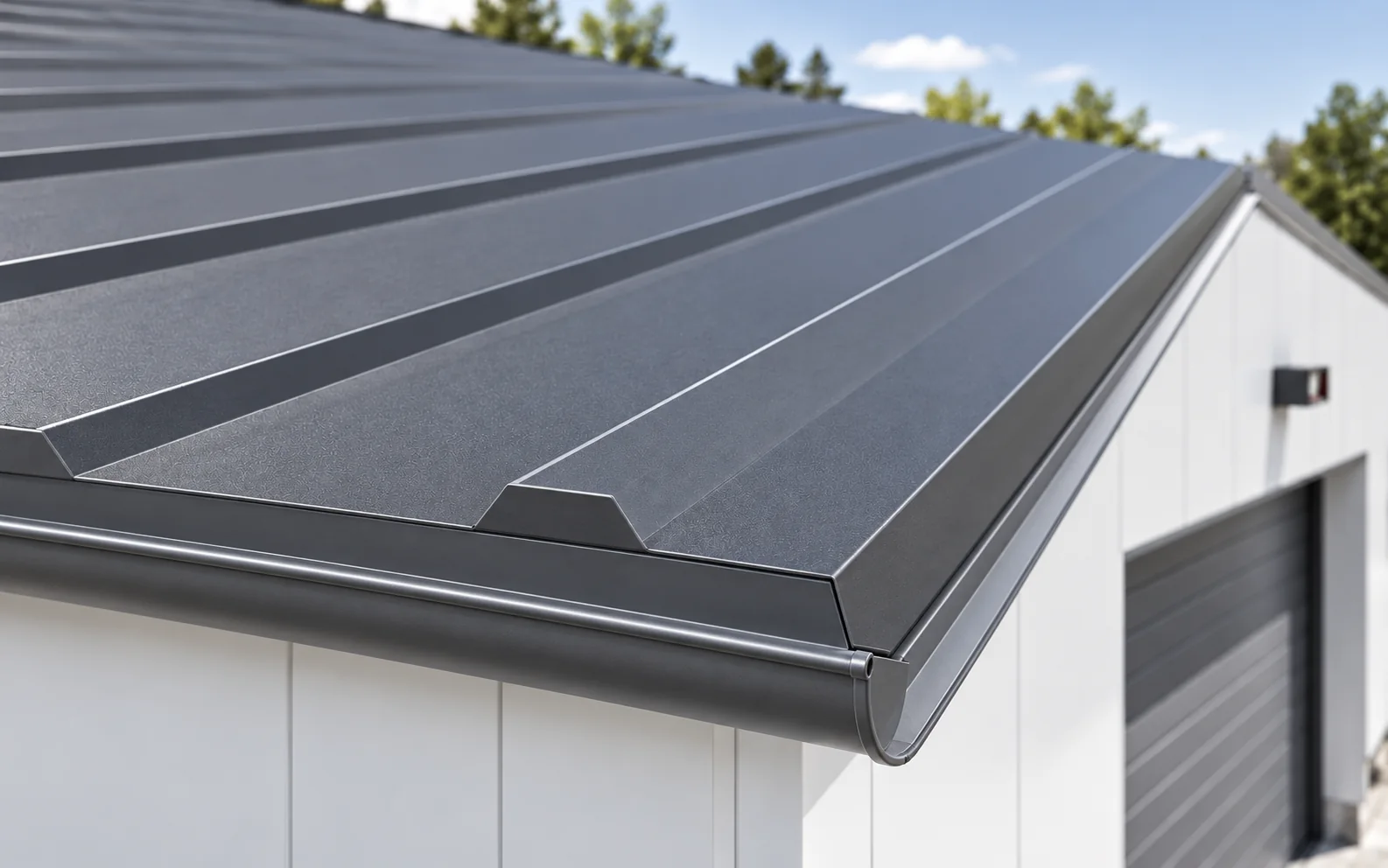
A company's roof should match the way the building is used while creating a coherent appearance with the walls. An insulated roof…
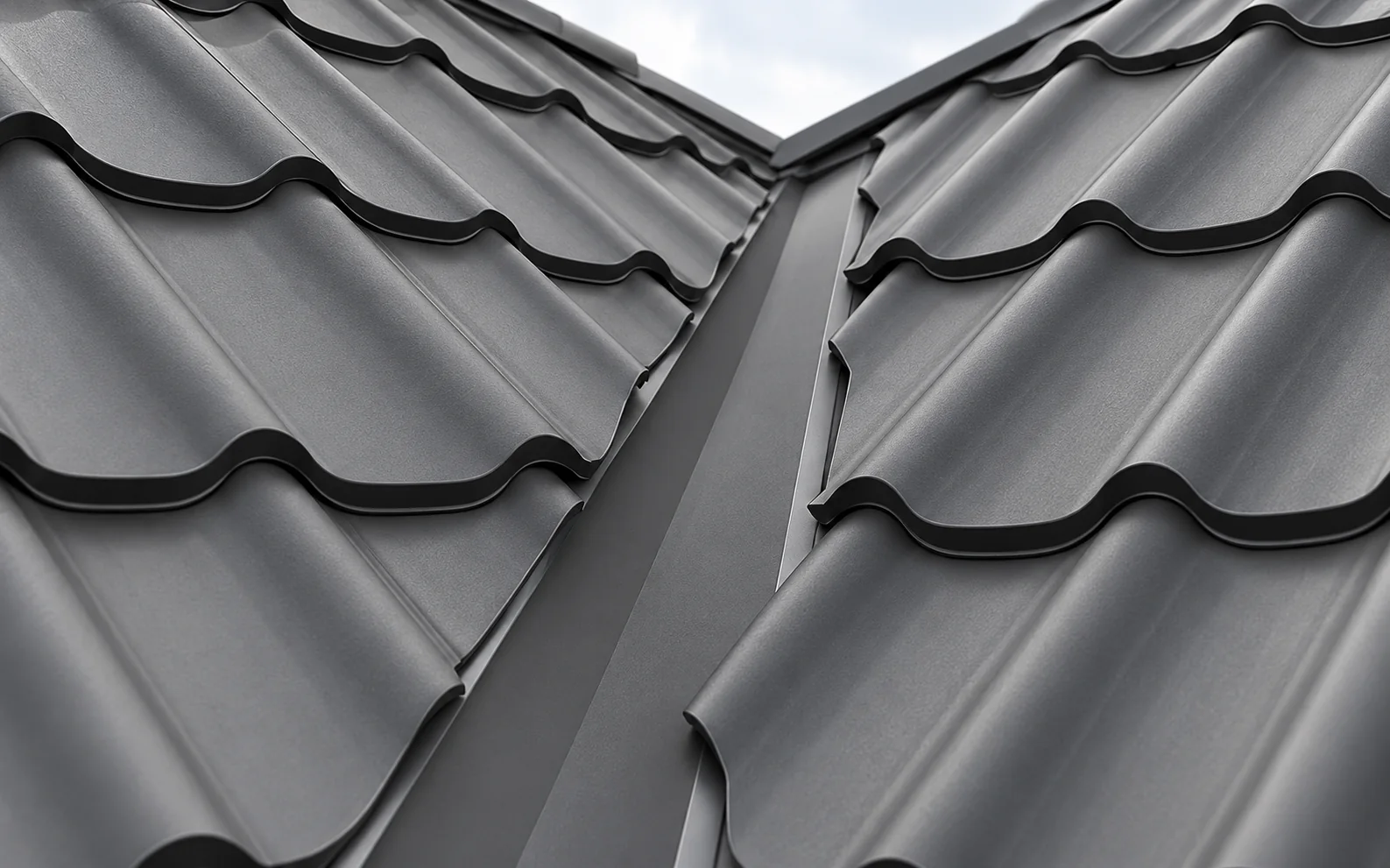
A roof valley is the concave junction of two roof slopes that collects water from both sides and carries it down towards…
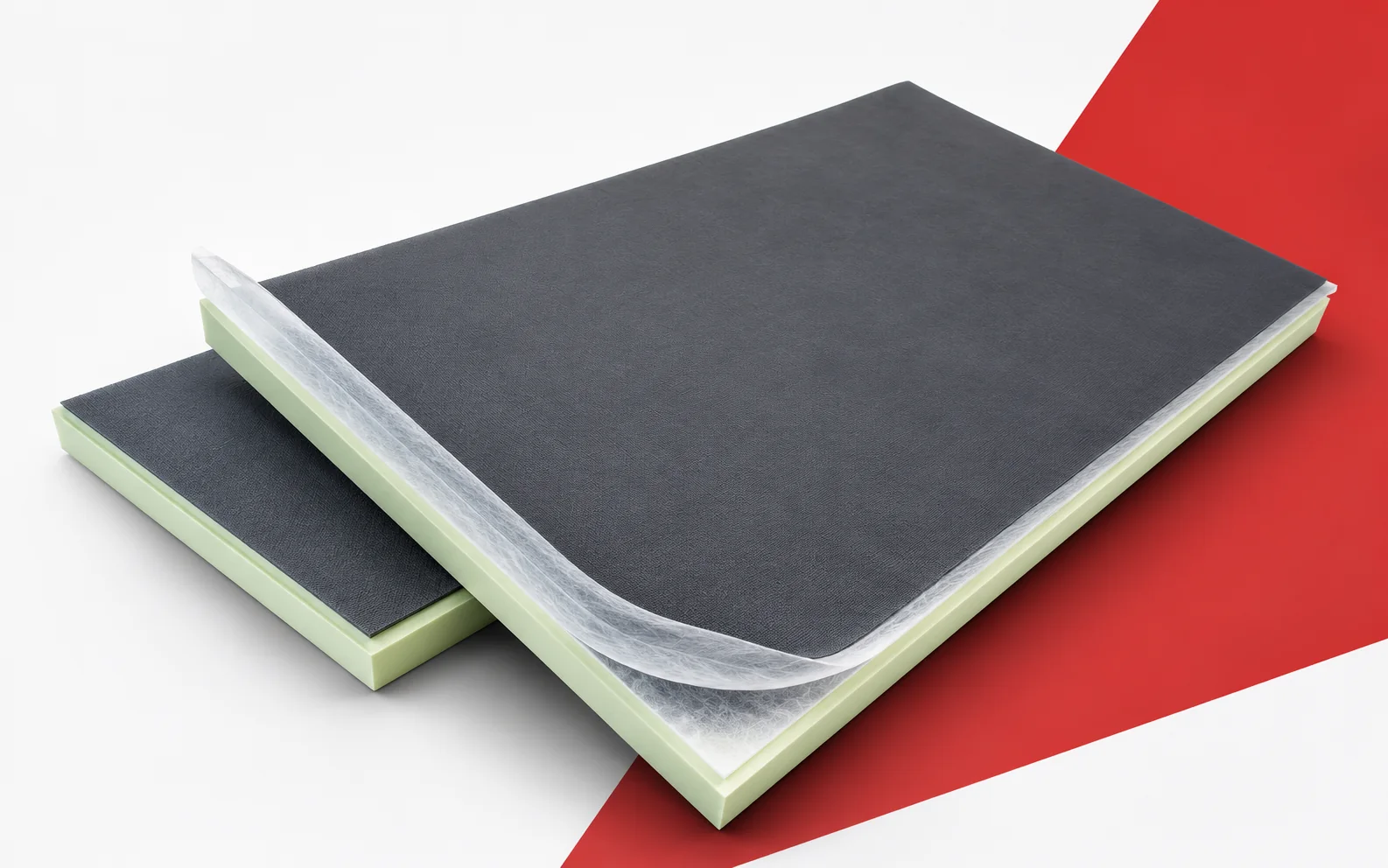
Utherm Sarking LE Plus allows part of the insulation function to be moved above the rafters while preserving attic space. This benefit…
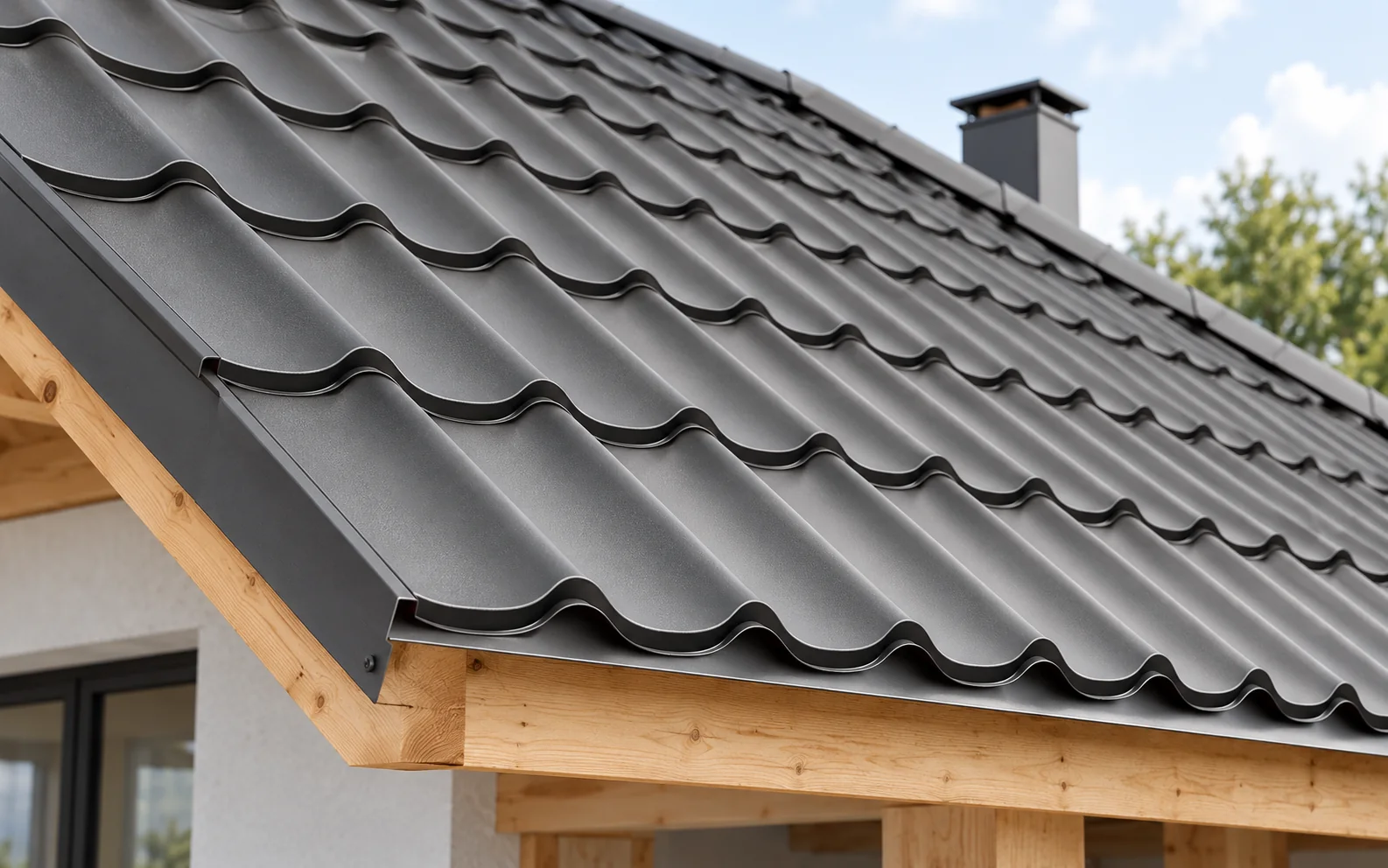
Replacing a roof from measurement to handover requires decisions on material, construction and details before dismantling begins. A survey of the finished…
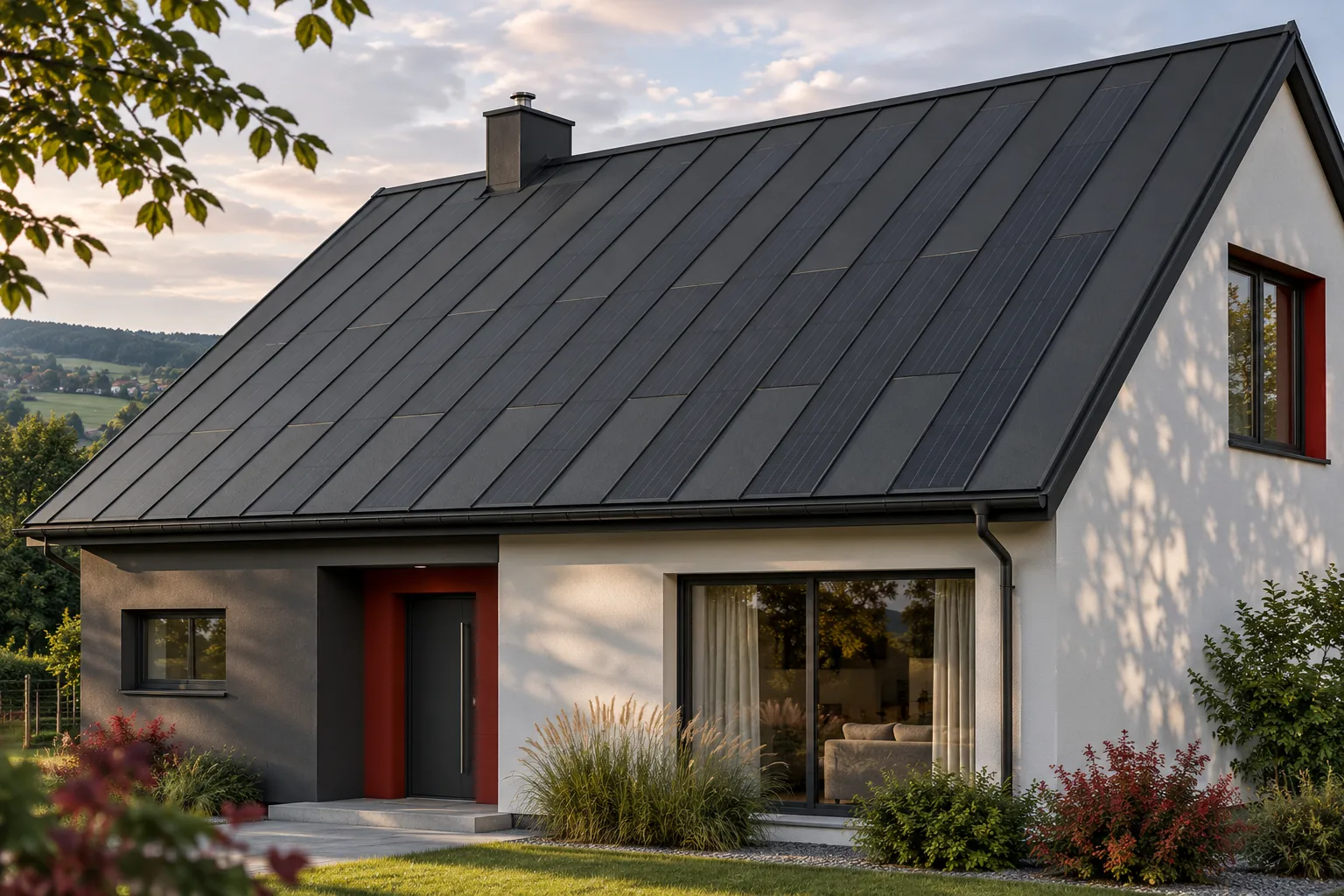
An energy storage system is not a prerequisite for a grid-connected photovoltaic roof. It can, however, help to use part of the…
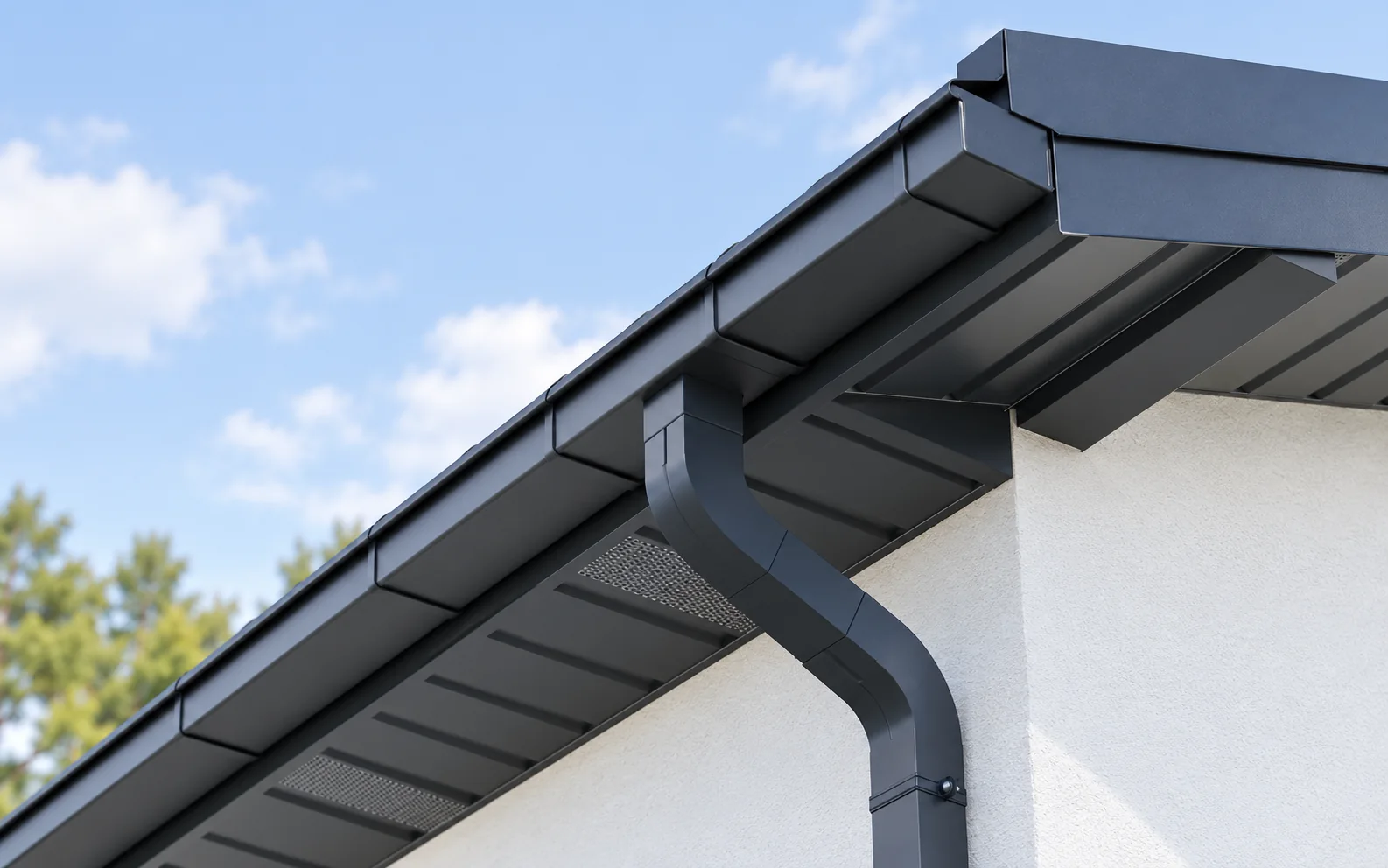
Square gutters give the eaves a clear, straight line and can suit metal roofing well. Their shape does not, however, guarantee greater…
A good roofer can explain how a detail will be executed, check the substrate and work in accordance with the roof covering…
A heat pump needs electricity, and a photovoltaic roof can supply part of it. This is a good combination if both solutions…