

Roof and energy
How to plan a solar roof and heat pump together
A heat pump needs electricity, and a photovoltaic roof can supply part of it. This is a good combination if both solutions come from a single plan. It must be borne in mind, however, that the greatest heating demand usually occurs when solar production is weaker. It is not enough to match the roof’s output to the annual bill. What matters is the standard of the house, the heating method, hot water and the options for controlling the appliances. First determine the building’s heat demand and the planned heating method. A well-insulated house will need different amounts of energy than an older building before renovation. The temperature of the heating system and the way hot water is prepared also matter.
In this article
Where should the selection of both installations begin?
A heat pump is not selected solely on the basis of the roof area available for cells.
Only after the heating demand has been determined can the appliance’s electricity consumption be estimated. The other consumers in the house are added to this value. The roof design should use these data but allow for their uncertainty. In a new building, actual consumption will also depend on the temperatures maintained by the occupants.
Why does an annual balance not mean self-sufficiency?
Over the course of a year, the roof may generate an amount of energy similar to the heat pump’s annual consumption. This does not mean that the appliance will run exclusively on this energy at every moment. Solar production is usually greater in the warmer part of the year. The demand for heating rises when the days are short and more often cloudy.
Summer surpluses and winter shortfalls must be accounted for in the adopted supply model. The house may still need energy from the grid. A zero bill should not be promised merely on the basis of matching two annual totals. Such a calculation ignores the hours of consumption, the billing conditions and the limitations of the appliances and any storage system.
Where can self-consumption be increased?
Hot water preparation can partly take place during production hours. This requires a suitably sized storage tank and control in accordance with the heat pump’s instructions. It is not worth raising the temperature unnecessarily just to use up a surplus. A higher temperature can change the operating efficiency and the costs of the whole process.
In a building with suitable thermal inertia, small shifts in heating operation can be considered. These must preserve comfort and remain within the installation’s capabilities. Not every house allows the same scope of control. Good settings result from observing how the system operates, not from a single schedule copied from another building.
What does the integrated roof form contribute?
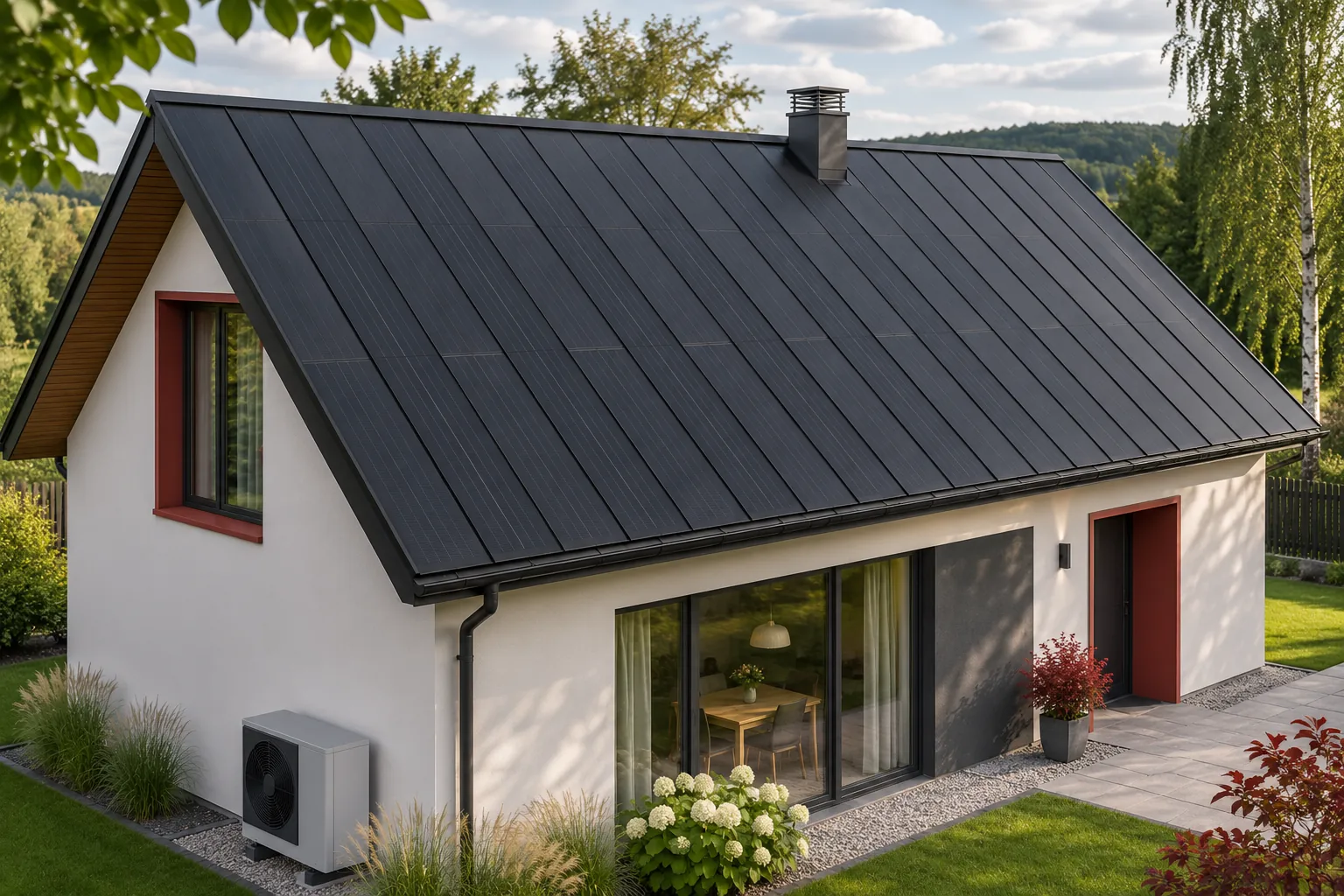
In a new house, the active area and the cable routing can be planned from the outset. Steel roof panels with a photovoltaic section then form a covering matched to the architecture. Instead of adding further elements above the roof slope later, the design covers the roof and the energy source from the beginning. This is an organisational and visual advantage.
This does not, however, automatically mean higher production than in every mounted installation. The yield depends on the module parameters, the arrangement on the roof slope and ventilation. When comparing variants, the complete system must be assessed. Aesthetic integration is a separate value, and operating efficiency should result from reliable calculations.
Is a battery storage system needed?
A storage system can shift part of production from daytime to evening hours. It is not, however, a simple way of preserving summer energy until winter. Its usable capacity, power and losses must match the consumers. A large momentary demand from the heat pump or heating element requires separate verification by the designer.
It is worth comparing two variants, with and without storage. Sometimes improving the house’s insulation or properly controlling hot water yields a greater effect first. The decision depends on the cost of the appliances and the usage profile. The mere fact of having a heat pump does not mean that storage is a mandatory or always the most cost-effective addition.
How should a shared plan for the house be drawn up?
Provide the designers with the building data, the heating concept and the planned hot water consumption. Include the roof geometry and information about shading. Ask for monthly production and monthly demand to be shown. It is even better if the analysis takes account of the hourly profile and the actual possibilities for controlling the consumers.
After commissioning, compare measurements with the assumptions. Check the heat pump’s consumption, the temperatures and the amount of energy used on site. This allows settings to be improved without guesswork. The roof and the heat pump should support one goal, namely a reasonable operating cost for a comfortable home. Their cooperation requires good design and, later, calm observation of the results.
Examples of companies and brands in roof-integrated photovoltaics are ML System, SolRoof, MDM NT (MyRoof), SunRoof, SoliTek, Wienerberger Wevolt, Electrotile, Ennogie, Nelskamp and Terrán.
7 branches. Materials closer to your project.

- SEROCK — Dzierżenin 34 E
- BŁONIE — ul. Sochaczewska 138A
- RADOM — ul. Grobickiego 8
- ŁÓDŹ — Natolin 8
- OLSZTYN — Barczewo, ul. Prosta 9
- WROCŁAW — ul. Jerzmanowska 10C
- GORZÓW WLKP. — ul. Zielona 33/34
Free quote
Materials for your project

You may also find useful…
Shade on a roof is not a fixed patch. It moves with the sun and changes in length over the course of…
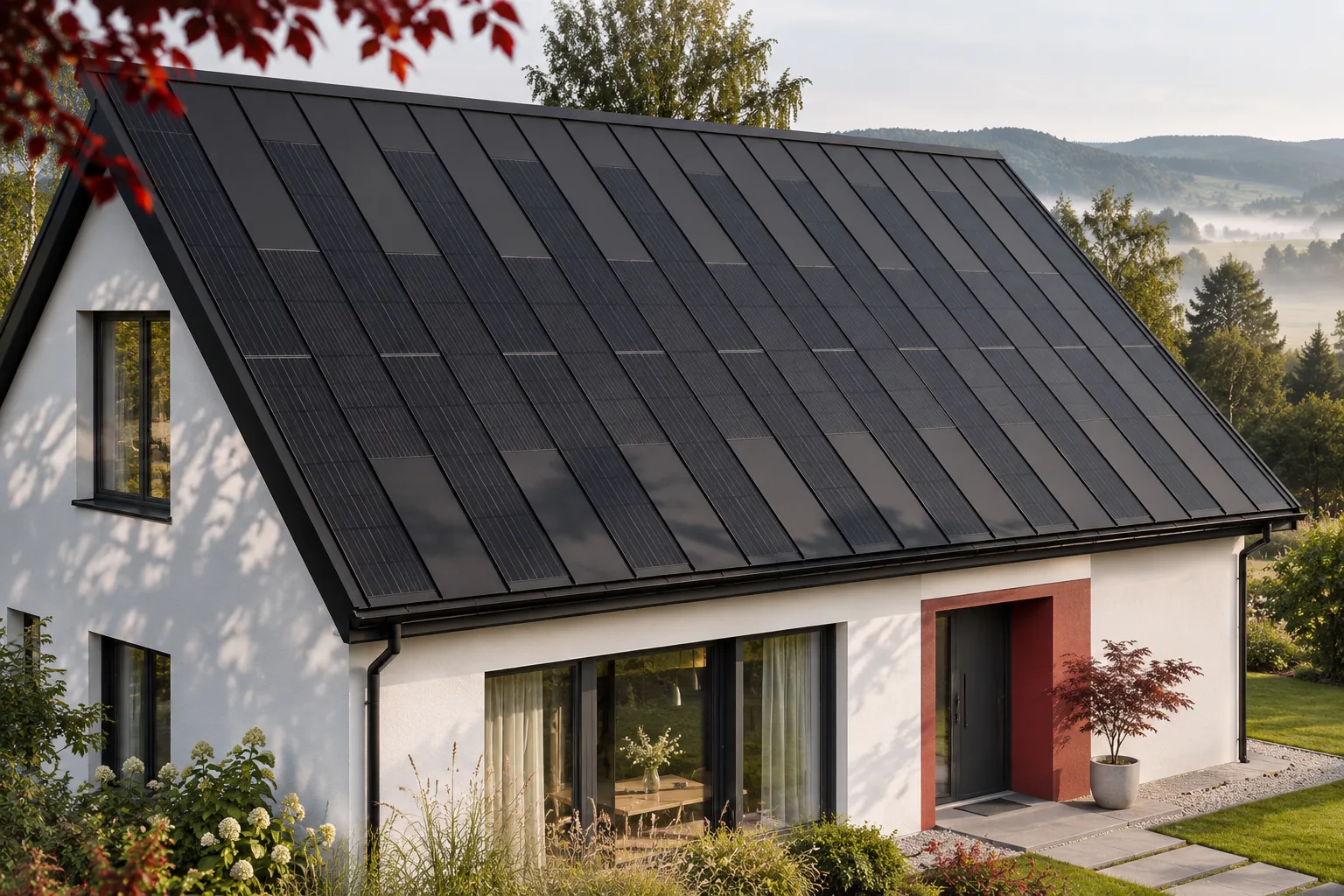
A photovoltaic roof can serve two functions in one system: it covers the building and generates electricity. It makes the most sense…
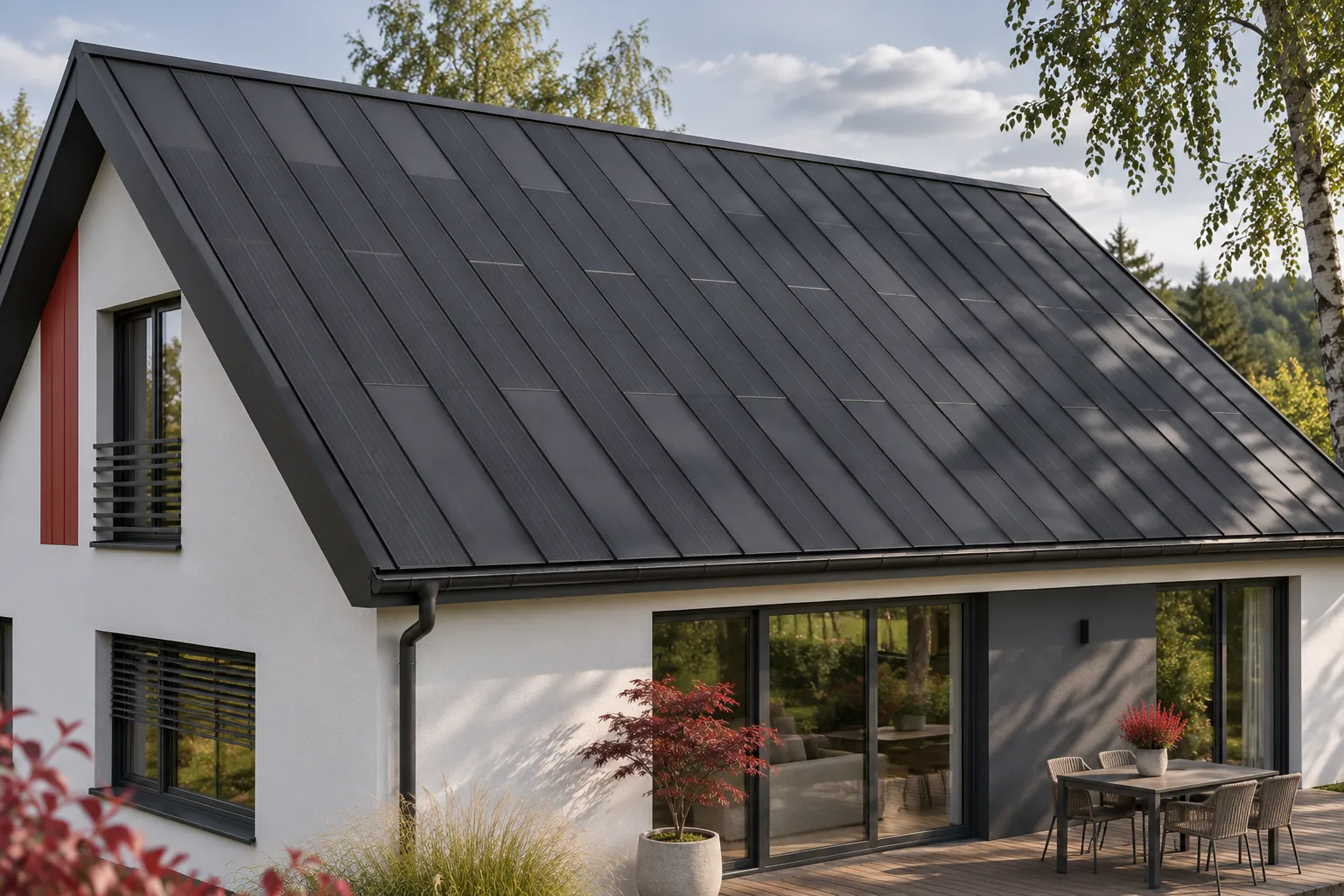
The price of one square metre of a solar roof does not answer the question of profitability. That figure may include both…
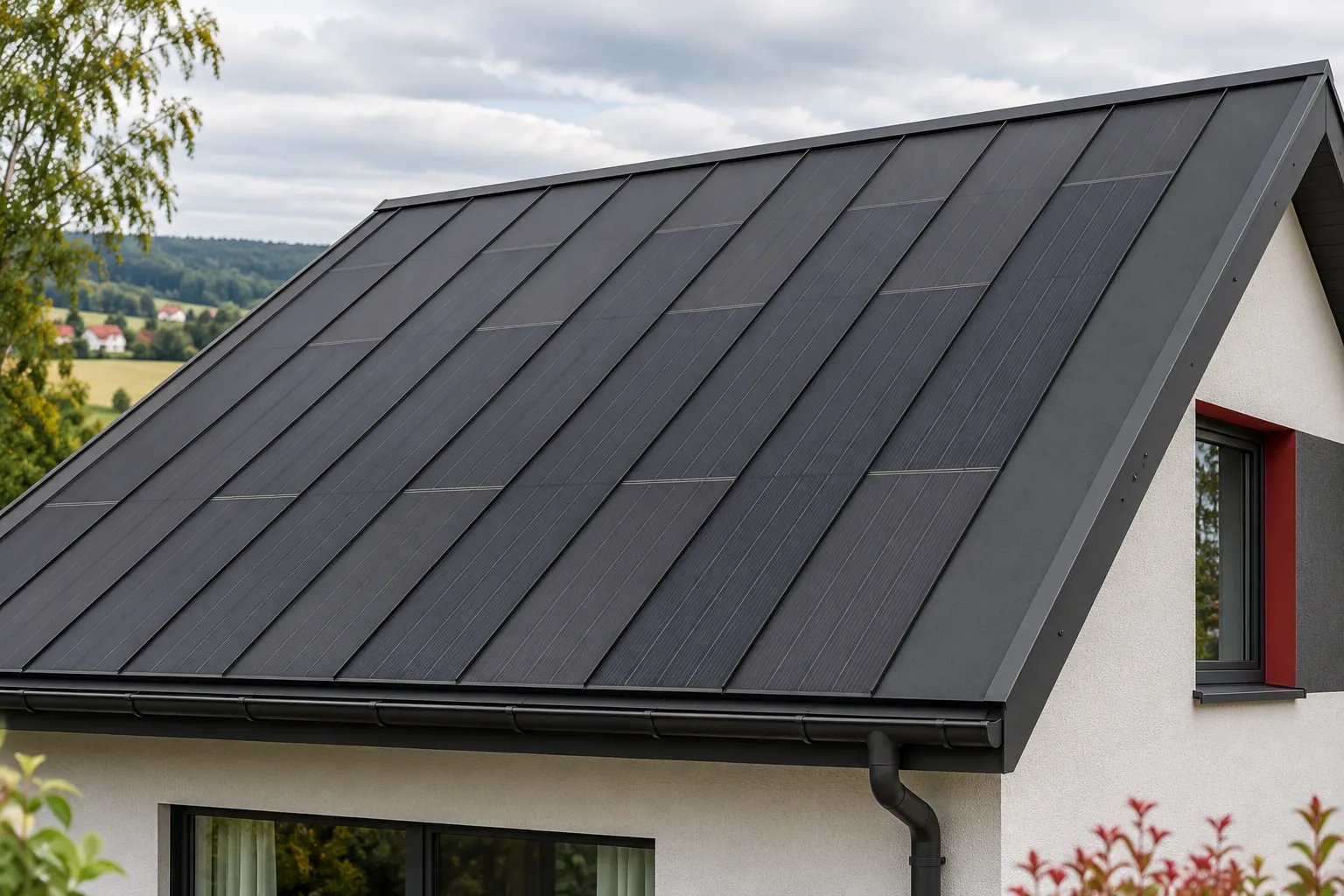
Solar power generation is only one part of a roof's environmental assessment. Material production, transport, installation, repairs and end of life also…
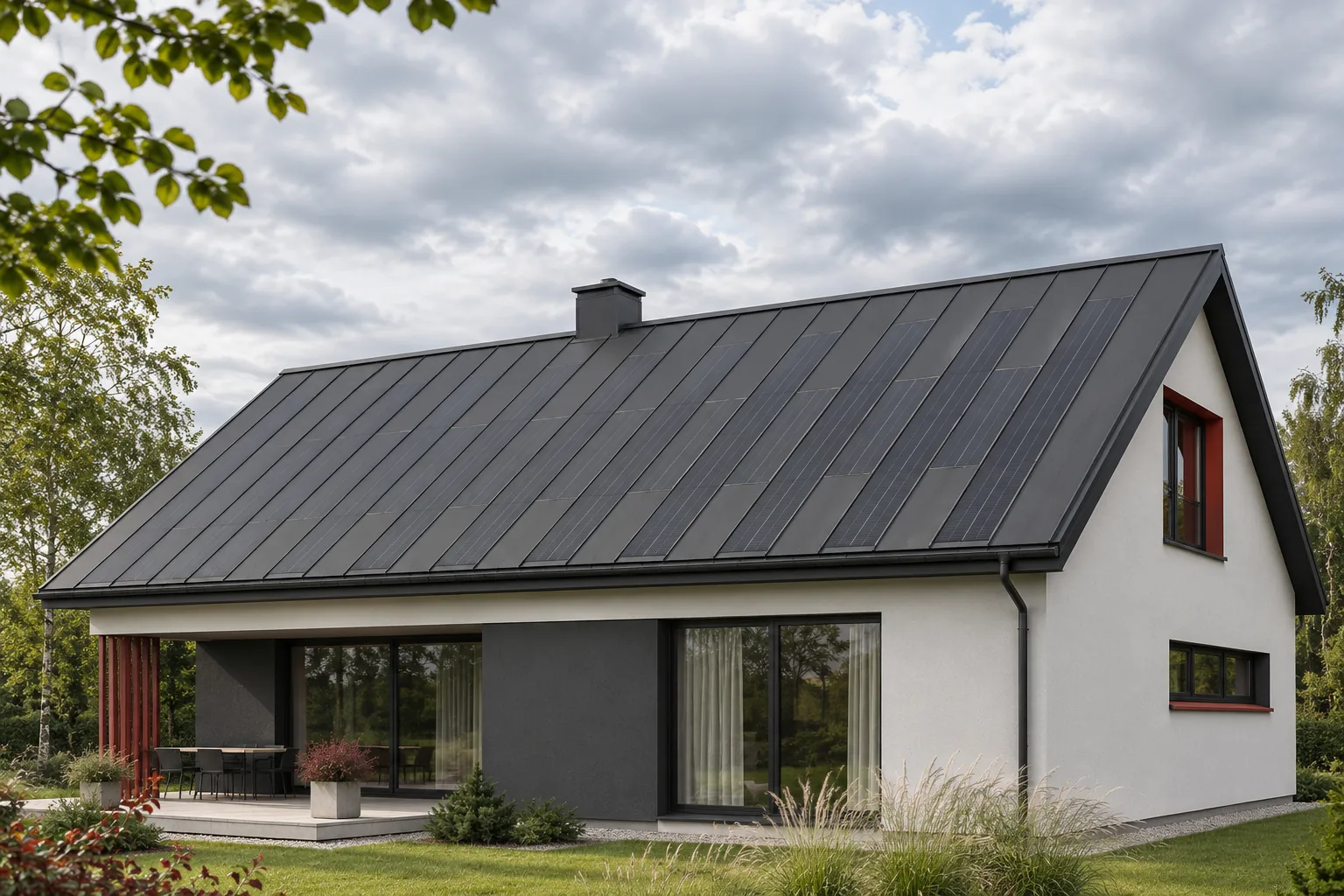
Photovoltaics can generate energy even under a cloudy sky, because it also uses diffuse light. Production will, however, depend on the amount…
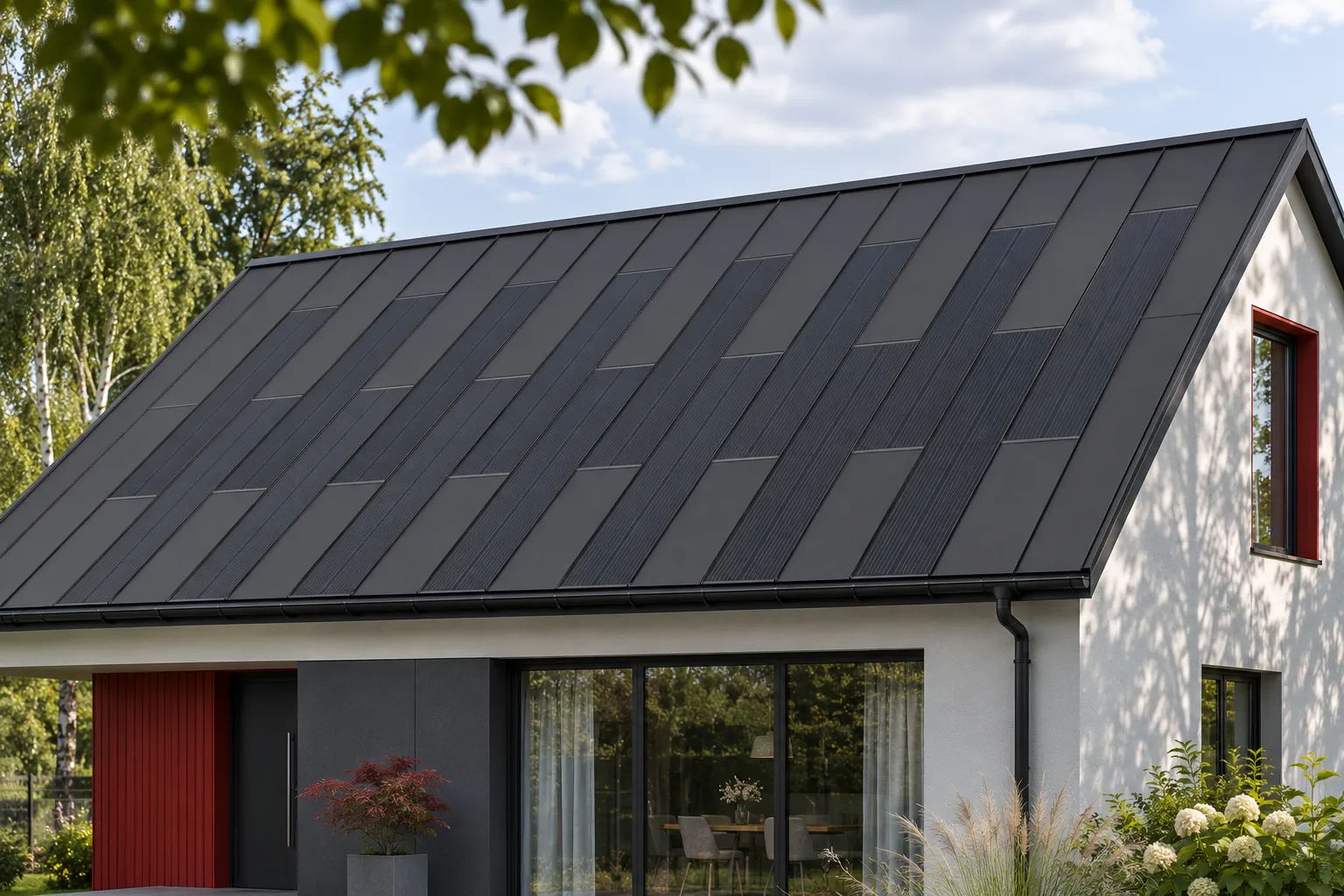
Not every section of an integrated roof has to contain cells. The active part produces energy, while passive elements complete the covering.…
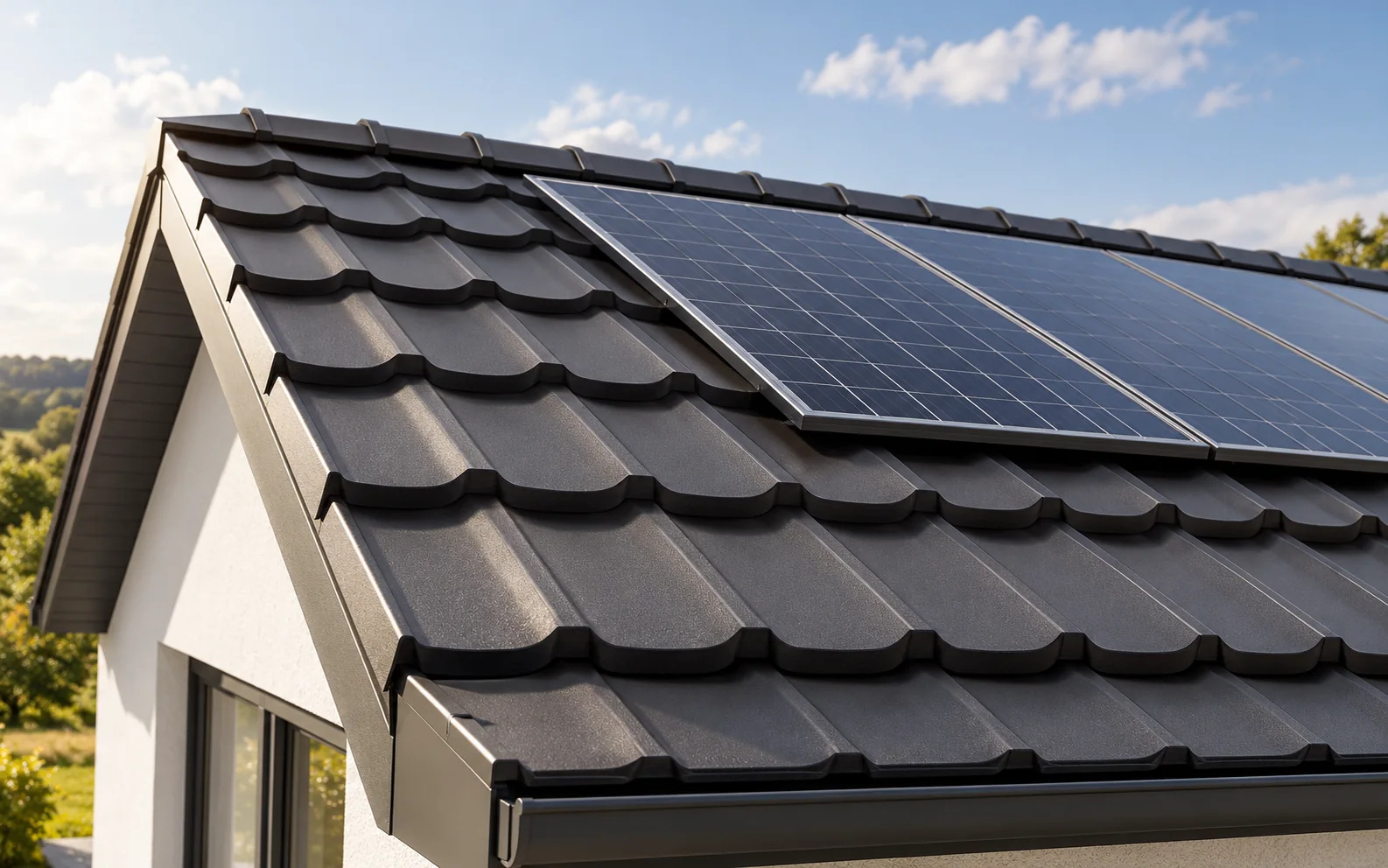
Photovoltaic panels on an existing metal roof require fixings that have been verified for exactly the sheet or sandwich panel installed on…
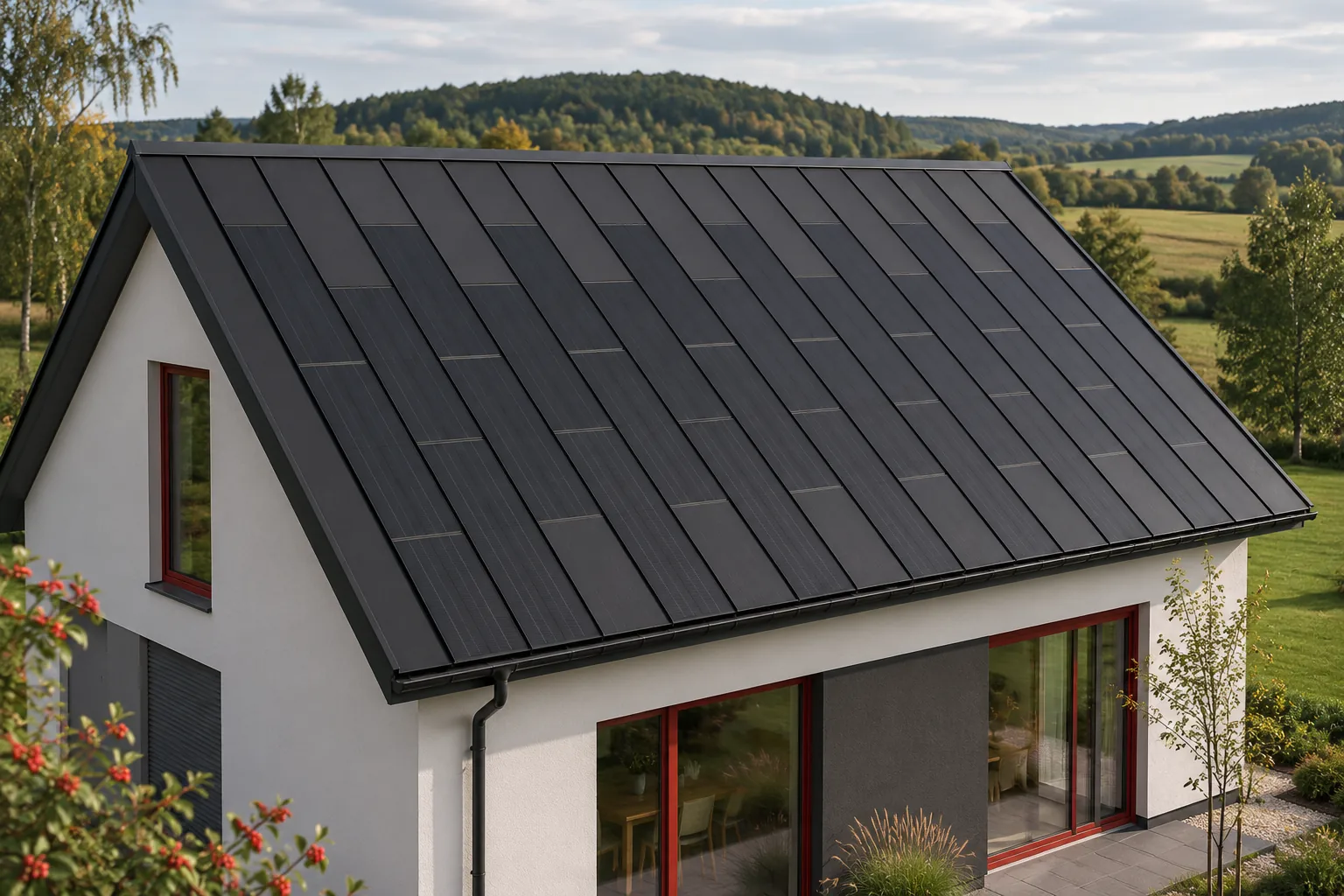
In a small house, roof area and energy consumption do not always change in the same proportion. A small building may have…