

Mineral wool sandwich panels
How mineral wool sandwich panel weight affects installation and later repairs
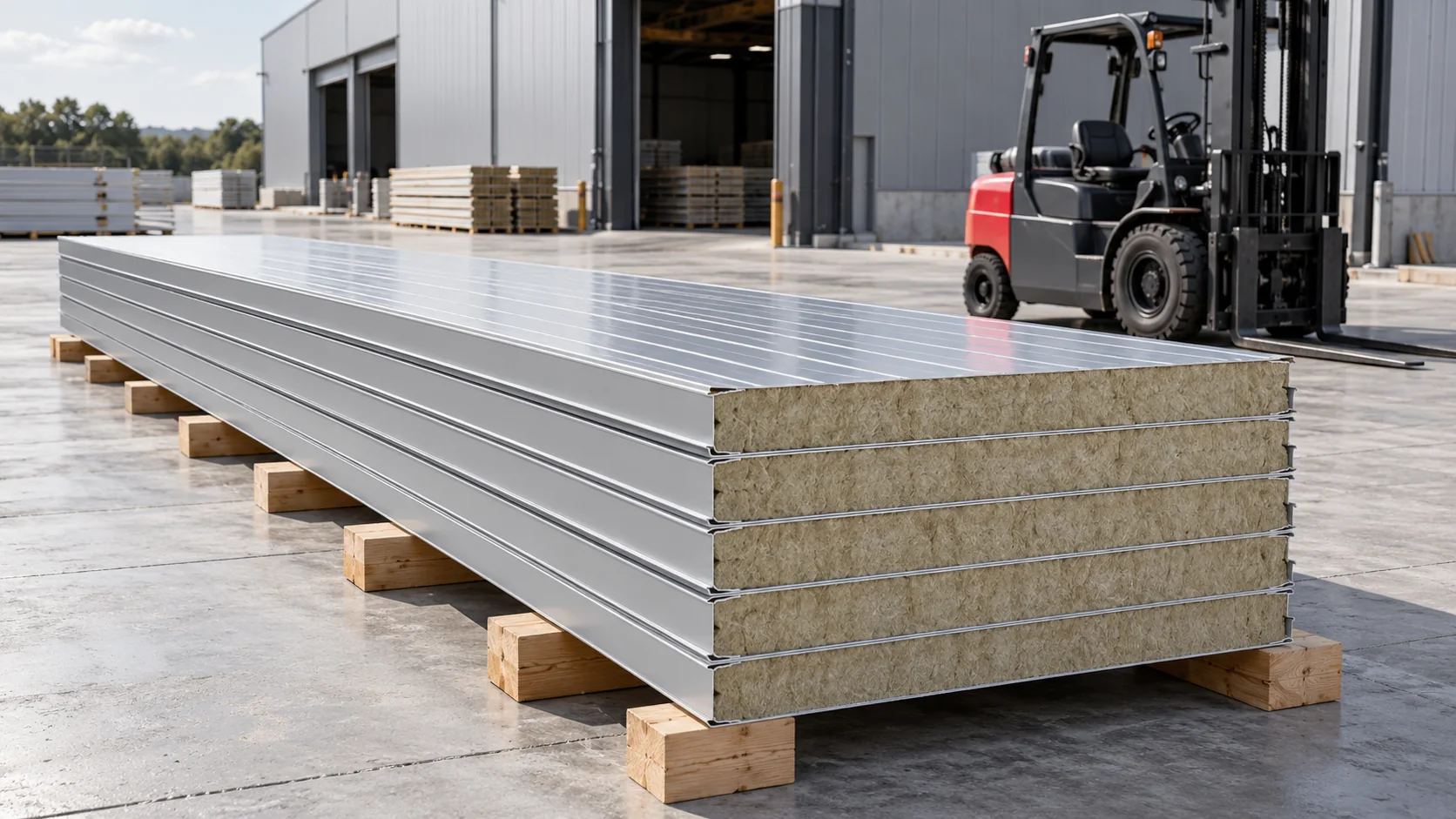
Weight per square metre helps compare panels, but the site team needs the weight of the whole unit. This depends on length, width, core and both facings. For mineral wool panels it affects transport, lifting and the later replacement of damaged cladding. Panel weight includes the core, two steel facings, adhesive and other minor components. A thicker core usually makes a panel heavier, although the density of the wool also matters. Two 100 mm panels from different ranges may have different weights because their cores or facings differ.
In this article
What contributes to panel weight?
A calculation based on wool density alone omits the steel and other components. For planning, use the mass per unit area listed for the configuration being ordered. Check whether the table assumes two 0.5 mm steel facings or a different combination of thicknesses.
Calculate the weight of one panel
For one wall panel range with 0.5 mm steel on both sides, the stated weights are approximately 18.1 kg/m² at 100 mm, 23.1 kg/m² at 150 mm and 28.1 kg/m² at 200 mm. These figures illustrate the differences within that particular range. Other mineral wool panels have their own weight tables.
A panel with a cover width of 1 m and a length of 6 m covers 6 m². At 23.1 kg/m² it weighs about 138.6 kg. A 200 mm panel of the same size from that range weighs about 168.6 kg. For an actual lift, use the delivery and lifting accessory data and check what the supplier’s stated weight includes.
How panel length affects handling
A longer panel is harder to guide, exposes a larger area to the wind and needs suitably spaced lifting points. Even where the equipment has sufficient lifting capacity, check the approved gripping method and how far the panel may deflect during the lift.
There is no fixed crew size that makes a lifting plan unnecessary. The choice of clamps, slings or a spreader beam depends on the panel, its installation orientation and the handling instructions. Shorter panels may be easier to move but need more joints and flashings. Resolve that trade-off before ordering.
Give the lifting equipment operator the actual load
The lifting plan needs the weight of the specific panel or pack being handled. A range from a general brochure is insufficient. Include lifting accessories as required by their operating instructions. If panel lengths or facings change in the order, give the contractor the revised figures. A small difference in kg/m² can change the lifting requirements when multiplied by a large area. Have the information ready before delivery.

Design the load path for the panel’s own weight
Cladding self-weight is one of the loads covered by the structural design. Provide a defined path into the frame and suitable supports and connections. Wind loading and thermal effects require their own checks even with relatively light panels.
When recladding, compare the replacement panels with the existing wall. A few extra kilograms per square metre add up across a large façade. An increase of 8 kg/m² over 400 m², for example, adds 3.2 tonnes distributed over the frame. Use this to gauge the scale of the change and assess the frame’s load capacity separately.
Prepare the unloading and storage areas
A pack contains several panels and their packaging. Use the pack weight shown in the delivery documents. Check the ground bearing capacity, access route and space to position the equipment. Placing panels on unsuitable support points can distort them even after a successful lift.
Store panels on the supports specified in the instructions and protect them from water. When laying out the yard, allow for pack lengths and the installation sequence as well as the total area. Keeping the right pack accessible avoids repeated handling and reduces the risk of damage.
Plan for replacement after the building is in use
There is often plenty of clearance around a building during construction. Fences, racking and service lines added later can make replacing the very same panel much harder. Keep access available to bays most exposed to impact.
Keep records of panel weights, dimensions and fixing details. They allow suitable equipment to be selected before a repair crew arrives. Panel weight therefore affects structural design, site handling and costs long after the building has entered service.
Questions and answers
Does the weight in the table cover only the wool?
A panel weight in kg/m² normally refers to the finished product in the stated configuration. Read the table notes, particularly the facing thicknesses and the treatment of tolerances.
Can two panels of the same thickness be lifted in the same way?
Check each panel individually. Weight, length, stiffness and approved lifting accessories can all differ. Select the lifting method for the particular element in accordance with its manufacturer’s instructions.
7 branches. Materials closer to your project.

Free quote
Materials for your project

You may also find useful…
Changing the layout of a plot does not always mean the whole fence has to be thrown away. Some slats can be…
Modular tile-effect metal roofing makes transporting and handling the panels easier, but it does not relieve you of the need to prepare…
Photovoltaic panels on an existing metal roof require fixings that have been verified for exactly the sheet or sandwich panel installed on…
Correct installation of trapezoidal steel sheet on a roof depends on the material matching the design, on preparation of the supports and…
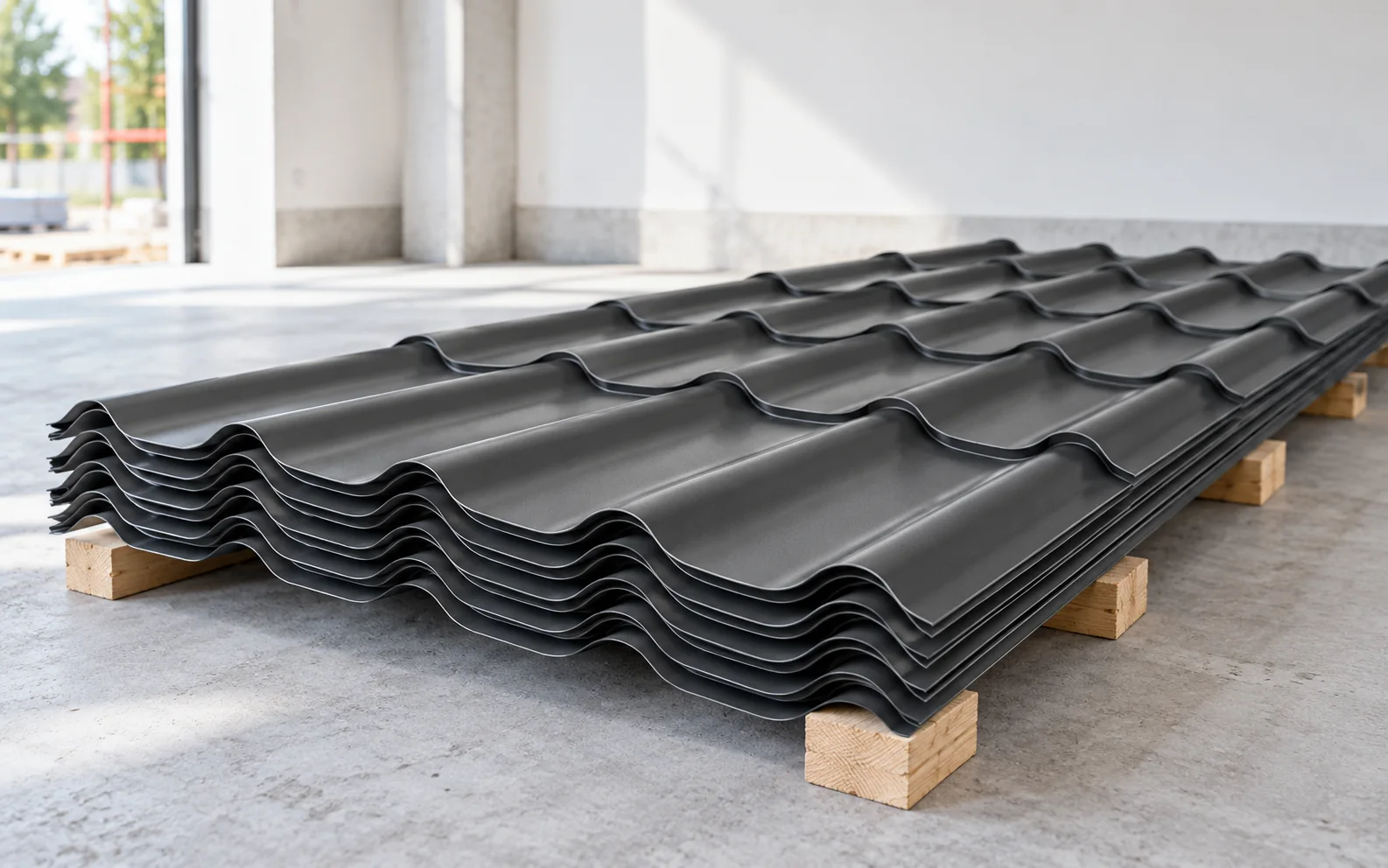
Tile-effect metal roofing must be protected from water trapped between the sheets, from scratching and from deformation. The transport packaging is no…
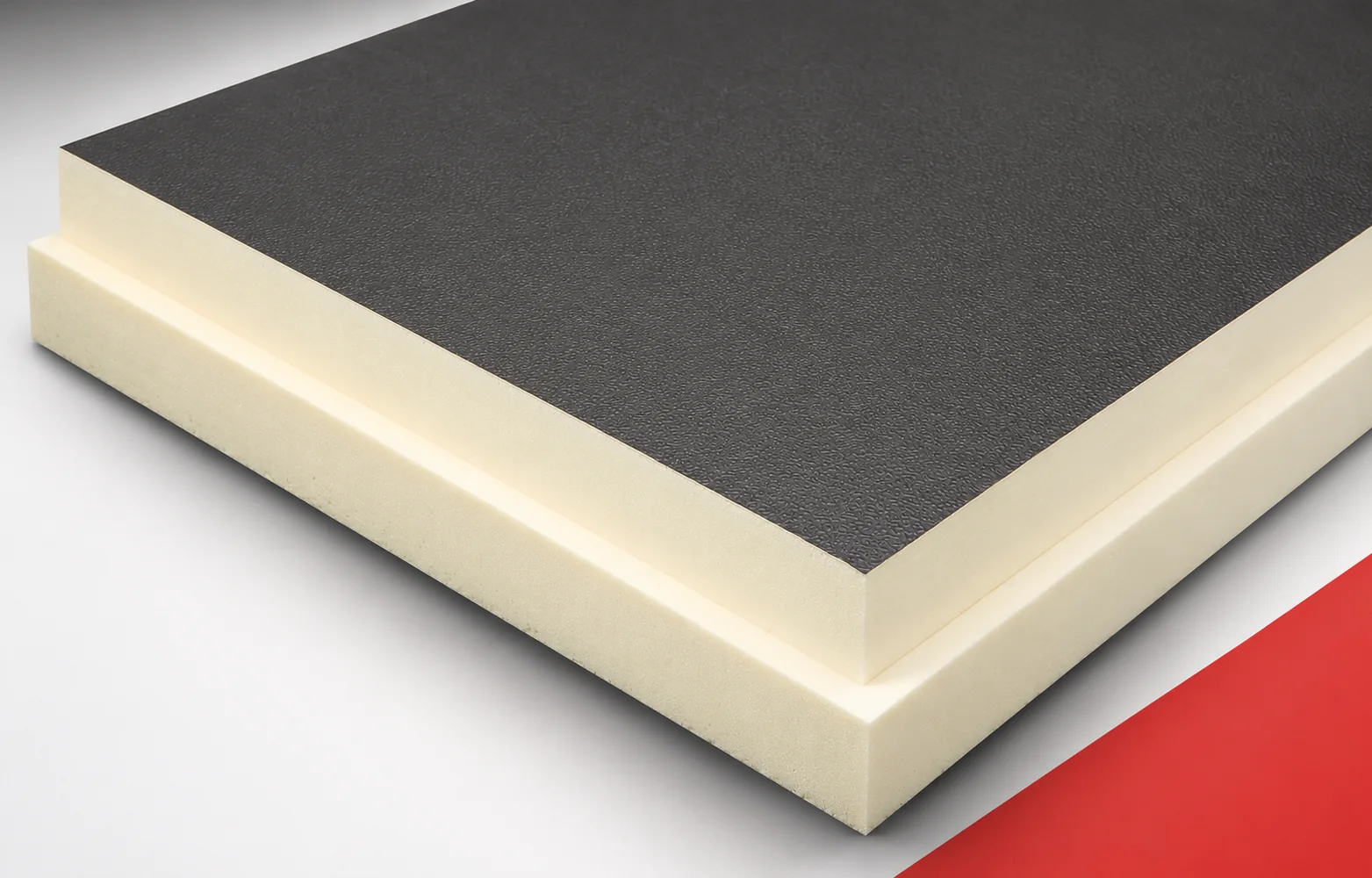
An installation on an insulated roof needs durable support. The client is concerned about interrupting the thermal layer and proposes leaving the…
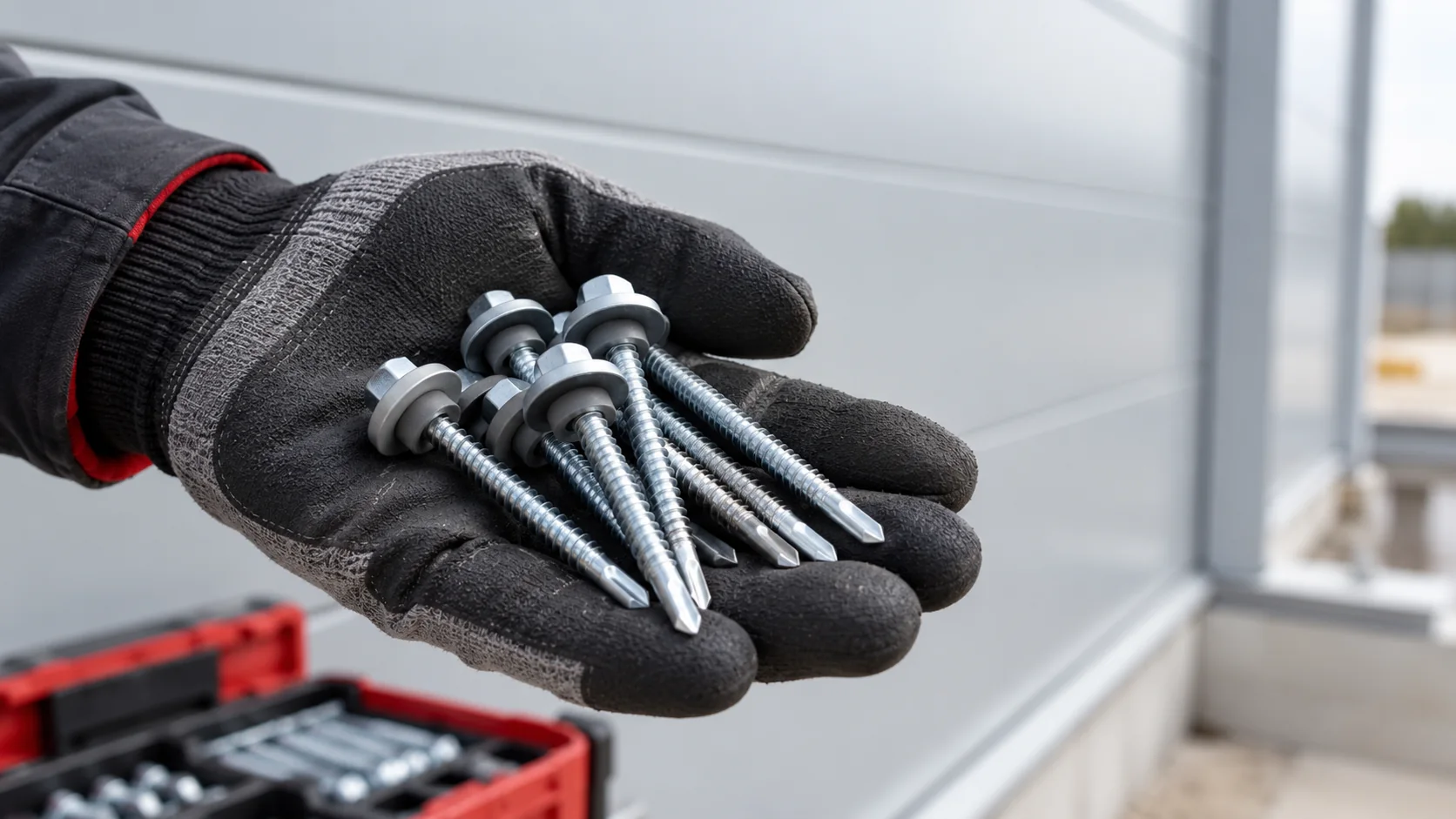
Start with the fixing layout for the building. It shows how many primary fasteners each panel needs at each support. The layout…
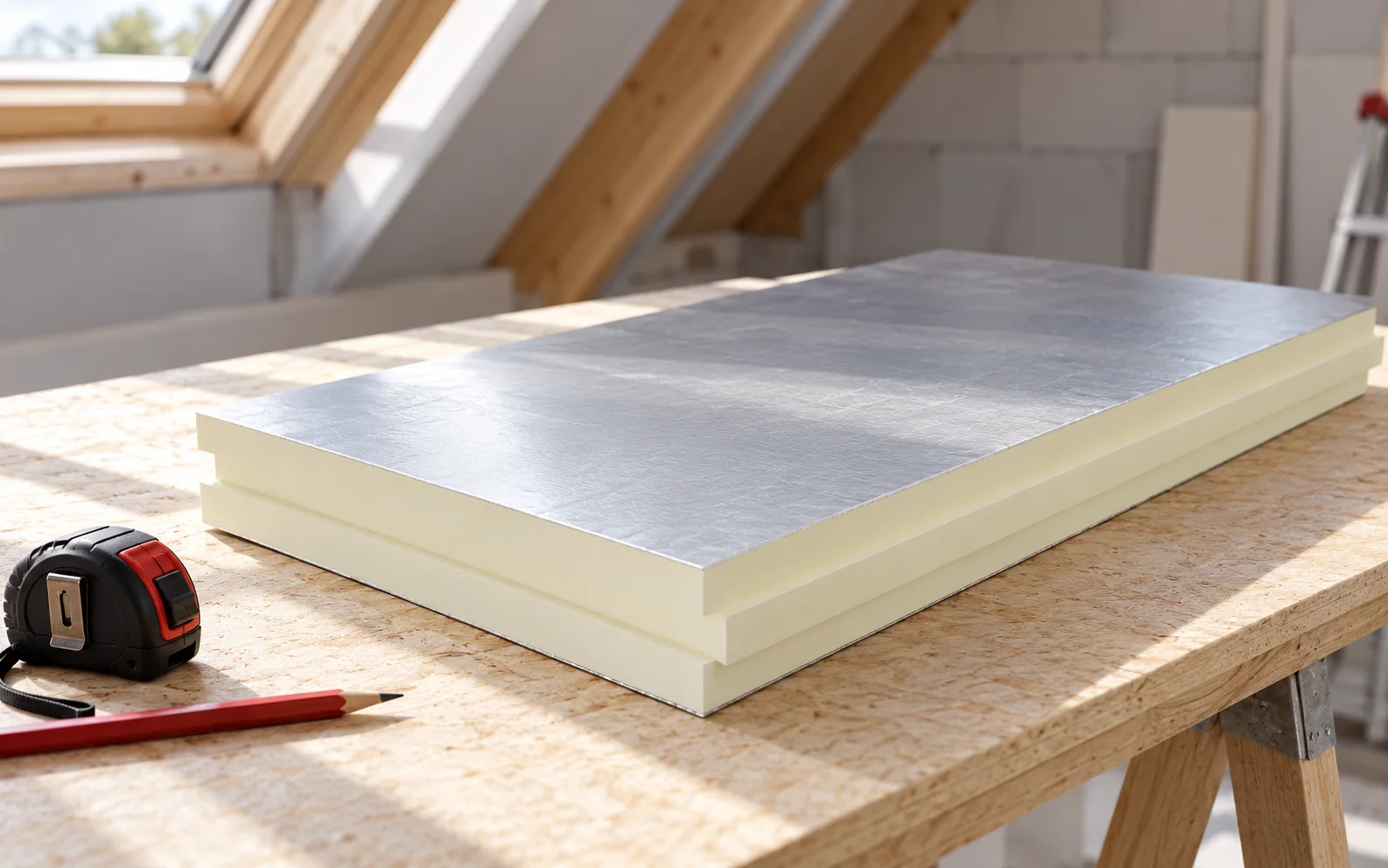
The answer to the question of insulating a loft before installing the lining comes down to the correct sequence of work and…