

Panel selection
How does a sandwich panel work, and what should you check before using it?
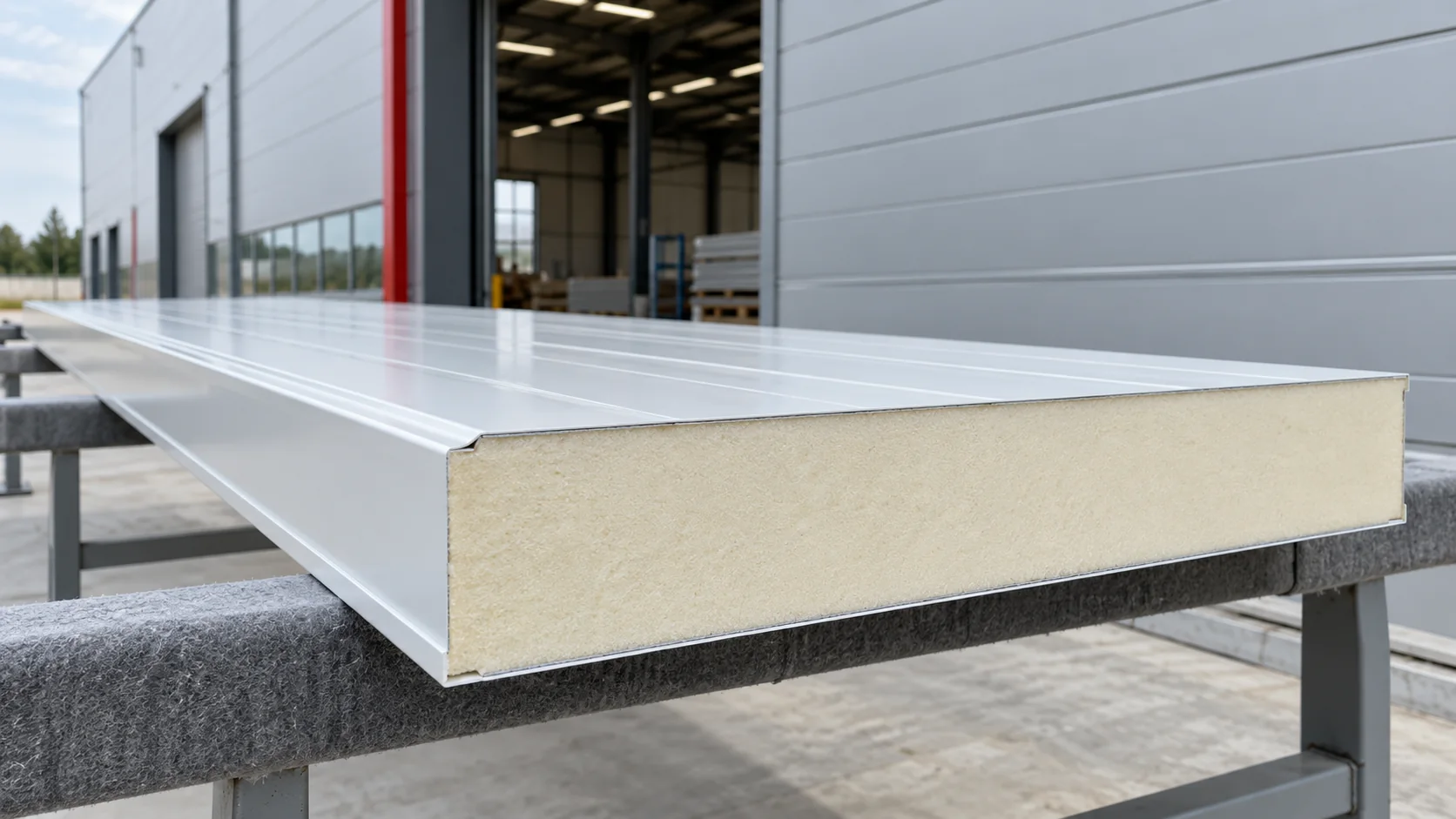
A sandwich panel combines two facings and an insulating core in one cladding element. In a typical steel-faced panel, the core limits heat flow and its bond to the metal sheets allows the layers to carry loads together. The coating on the steel protects the surface and gives it its finish. A break in the bond between the layers can be harder to see than a surface scratch and requires a different assessment. When choosing a panel, check the facing and core specifications as well as the thickness. The performance of the finished wall or roof also depends on its supports and how the joints are sealed.
In this guide
What the facings, core and coating do
Check whether you are buying a steel-faced sandwich panel or a rigid insulation board with a thin facing. Even if the two use the same core material, they are designed for different applications and installation methods. To use a product as the finished cladding of an industrial building, confirm that its specification covers that use.
Which properties need checking for the complete assembly?
The product documents give the thermal performance, reaction to fire and available thicknesses for the specified panel variant. To assess load capacity, check the loads and support conditions. Fire resistance requires a separate check for the particular wall or roof assembly and the way it is installed.
For an acoustically sensitive building, identify the sound performance required before comparing prices. Sound absorption describes how a surface absorbs sound. Assessing protection against noise from outside calls for sound insulation data for the wall and an assessment of the whole assembly. Doors, gaps and openings may have more influence on the result than changing the panel.
Choose panel dimensions to suit the supports
Manufactured length and cover width help you plan the panel layout. To determine how far a panel can span between supports, check the loads, the specified panel, its facing thicknesses and whether it spans one bay or several. A core thickness of 100 mm supplies only one part of that information.
Draw the openings and edges on the layout so you can use as much of each panel as possible. Check whether the overall width differs from the effective cover width. A longer panel can reduce the number of joints while making transport and replacement harder. On an existing site, allow enough room to manoeuvre it past neighbouring buildings and services.
Fit and seal the panels to form the building envelope
For a weathertight envelope, engage the joints fully and fit the specified seals and flashings. Choose fixings to suit the supporting material and the loads. Check the frame alignment before fitting the panels. Provide the supports and junction details specified for openings and equipment, including any suspended loads.
Remove swarf after cutting or drilling, protect exposed areas as specified for the system and peel off the protective film within the stated period. Inspect joints while they are still visible. Photographs taken before the flashings go on can help trace a leak later, when the finished trim conceals the detail.

Price the complete cladding system
Include panels, accessories, freight and labour in the estimate. Some variants require different lifting equipment or a different support layout. Compare what it costs to enclose the same area to the same performance requirements. A price per square metre on its own can conceal differences in the scope of supply.
Suppose a panel upgrade costs about €4.17 extra per m² excluding VAT. Over 150 m² the additional cost is roughly €625 excluding VAT. Establish what that buys, such as a different coating, improved insulation, lengths cut to suit or compliance with a design requirement. To estimate energy savings and a payback period, use calculations for the whole building. The choice of a PIR core alone cannot establish that period.
Keep the records needed for repairs
Years later, you may need to replace a panel struck by a vehicle, reseal a joint or alter an opening. A record of the system reference, sheet thicknesses, cover width and colour helps identify a suitable replacement. Allow room for access too. Shelving placed directly against a wall can make even a routine joint inspection difficult.
During maintenance, inspect the surfaces, plinth, fixings and drainage. Match cleaning products to the coating. Assess damage to the core or joint before covering it with a temporary repair. If the building changes use, check that the existing envelope meets the requirements of its new function.
Questions and answers
Can a sandwich panel provide both insulation and a finished façade?
In a suitable system, the outer steel facing provides the finished surface and the core provides insulation. The assembly requires the supports, fixings and junction details specified in the design.
When is touch-up paint suitable for a damaged facing?
Minor coating damage may be suitable for a touch-up. A deeper dent, separation of the layers or damage to an interlocking joint needs a separate assessment before choosing the repair method.
7 branches. Materials closer to your project.

Free quote
Materials for your project


You may also find useful…

The first heavy rain, a spell of frost or a thorough washdown can reveal faults that were invisible when a sandwich panel…
In Poland, sellers often use “płyta obornicka” as a general term for a sandwich panel. A typical panel has two facings bonded…
Droplets on the inner facing do not necessarily point to a leak or a defective core. Water vapour condenses when the surface…
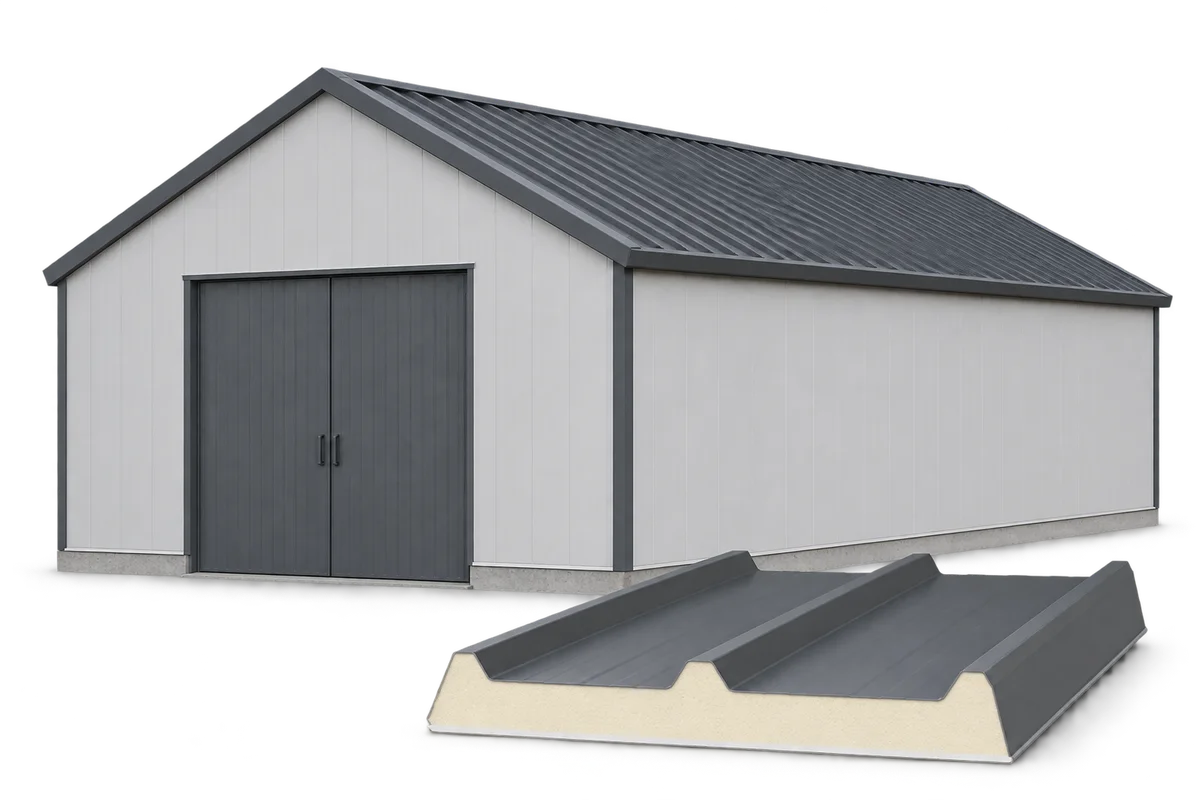
Insulating an agricultural building begins with identifying the function of each room, not with choosing a panel thickness. A vegetable store, a…
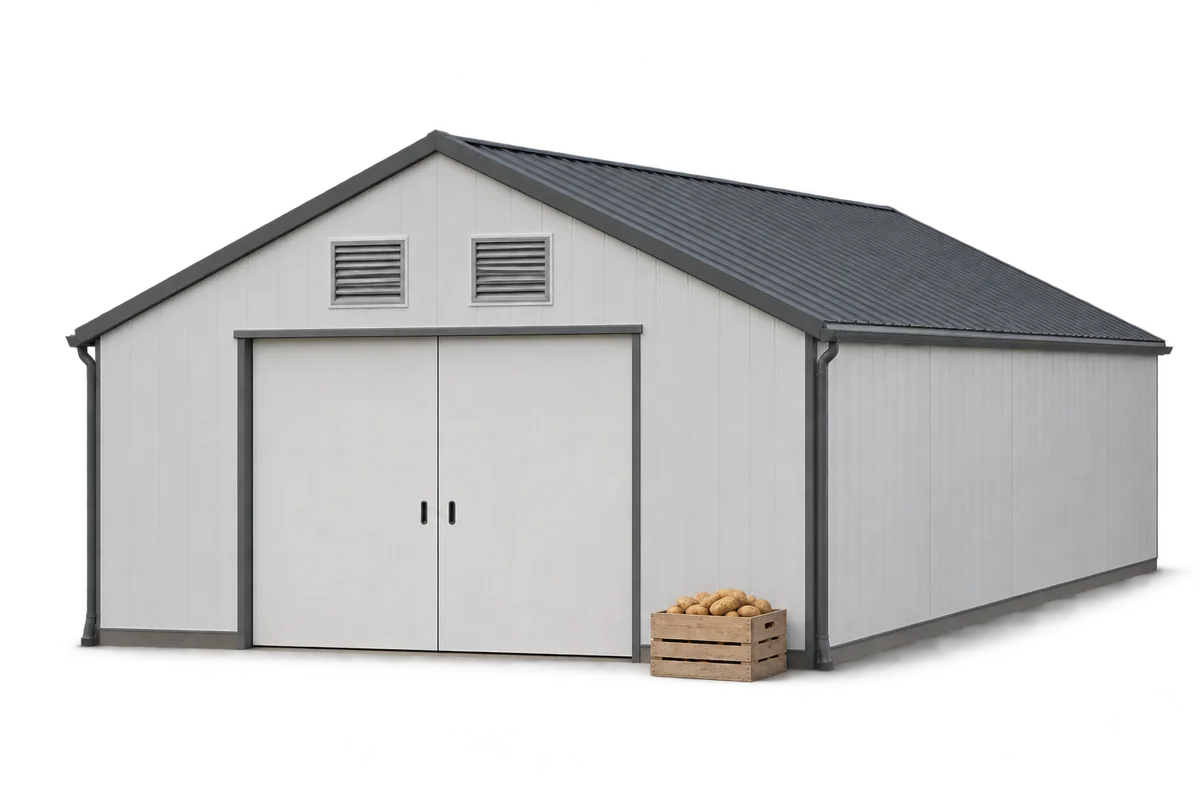
A potato-store refurbishment should begin with a plan for checking the store before loading, rather than with insulation thickness. New insulation and…
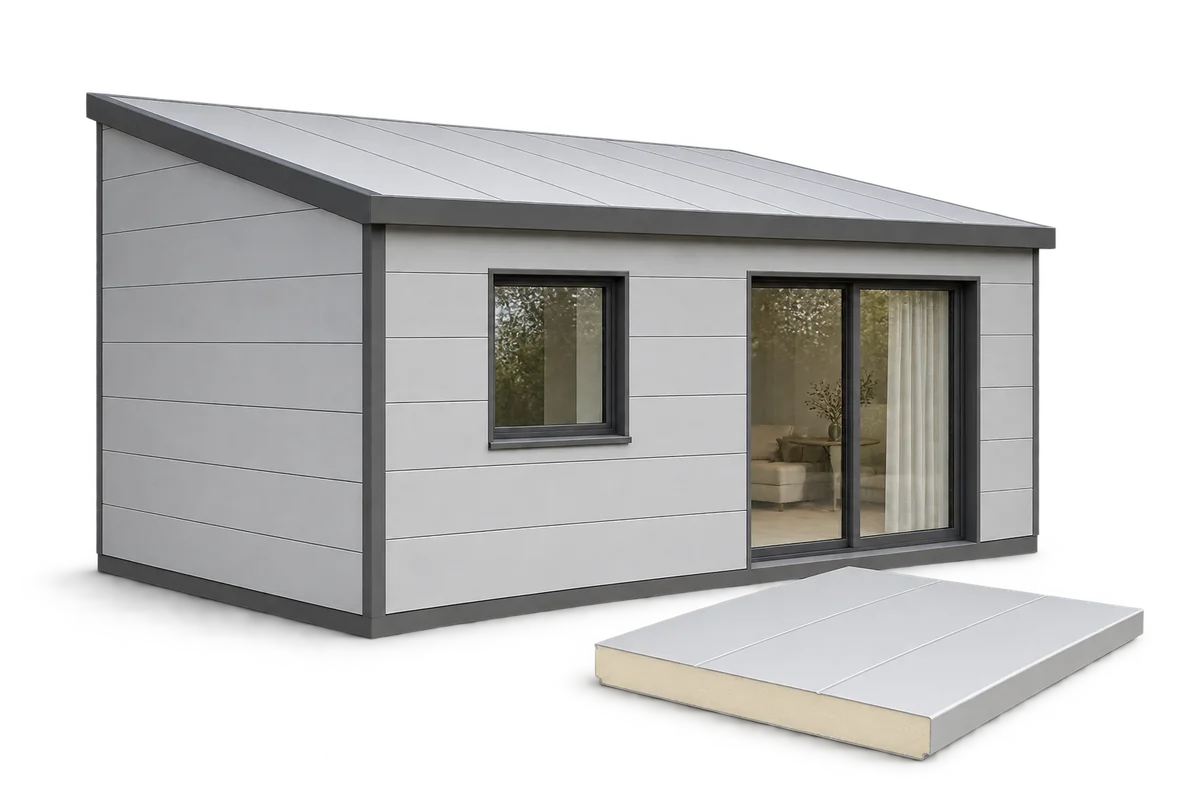
In a house enclosed with insulated sandwich panels, services, windows and equipment should be planned alongside the panel layout. A finished steel…
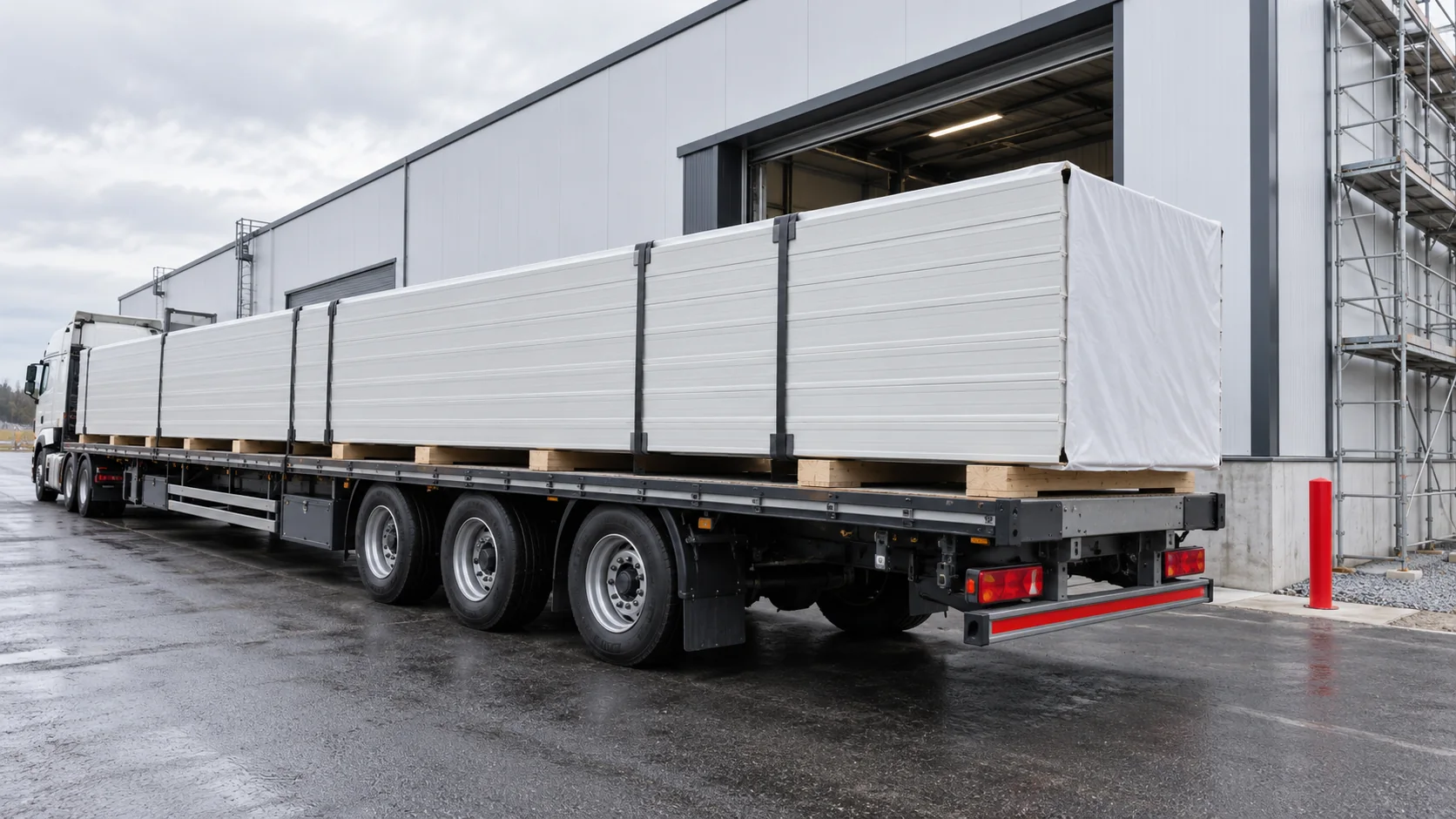
Choose sandwich panel lengths from measurements of the exposed structure, the positions of openings and a drawing that shows where each panel…
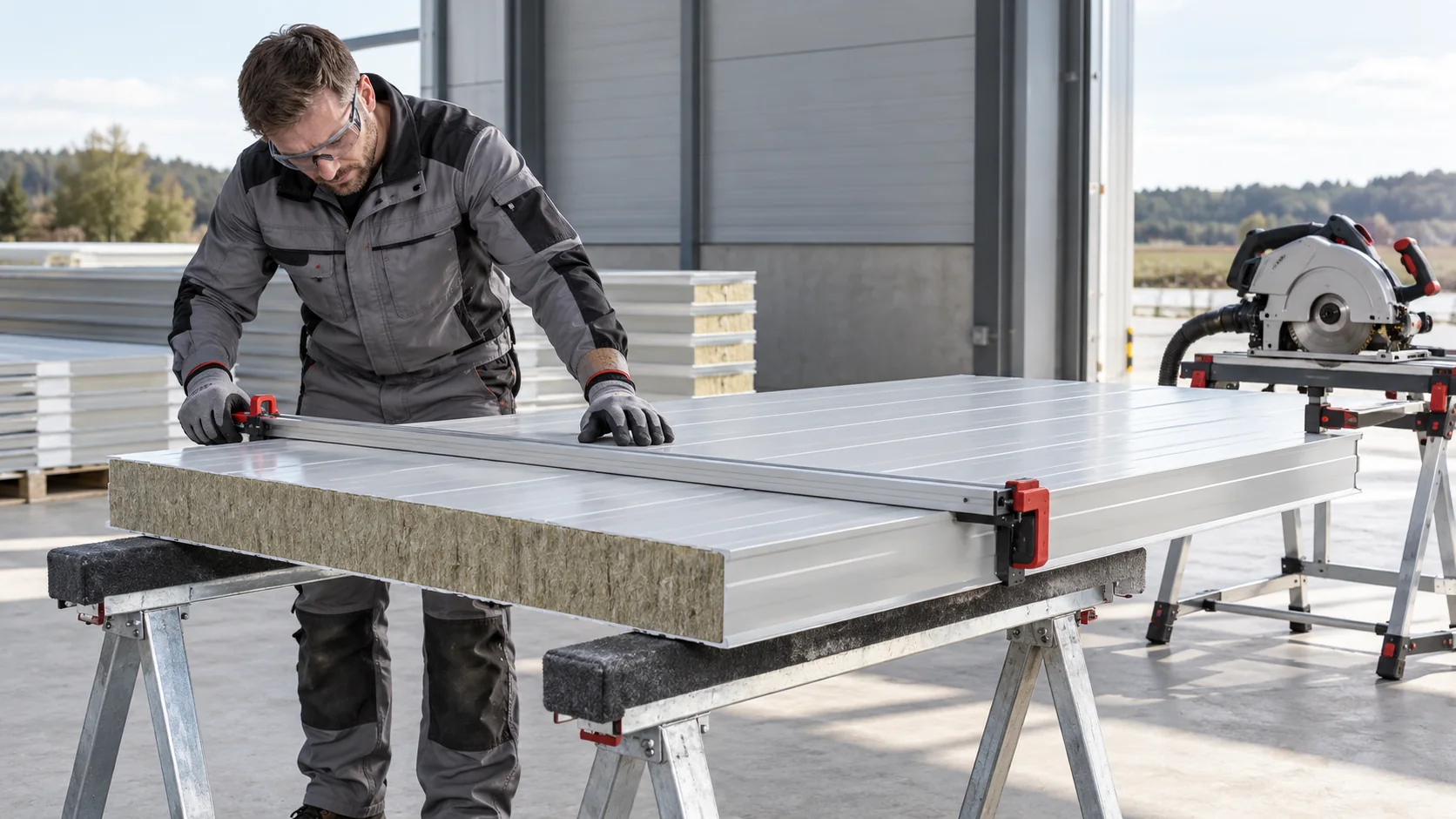
When cutting a sandwich panel, protect the coating, keep both facings bonded to the core and leave room to seal the exposed…