

Installation and details
What does a roofer do and how can you assess their work?
Before choosing a roofer, ask to see a completed job with the same covering and a similar detail, such as a valley or chimney flashing. Agree who will check the substrate, fit the flashings and connect the gutters, and when you can inspect work that later layers will conceal. Record this in the contract along with the scope of supply and responsibility for measuring. On a metal roof, the way the crew handles the sheets, the tools they use for cutting and whether they position fixings as the system instructions require all give an indication of workmanship.
In this guide
Is the roofer responsible for everything on the roof?
Carpenters build the timber structure. Roofers install the roofing layers and covering, while sheet metal work includes forming and fitting flashings. One crew may cover several trades, but confirm the division of work. Misunderstandings often arise where one trade hands over to another.
Specify stripping the existing roof, preparing the substrate, installing the underlay, battens, covering, flashings and drainage. Set out insulation and the internal airtight layer separately. The words ‘complete roof’ leave too much open if the parties have different work in mind.
What should a metal roofer know?
The contractor should know the instructions for the particular profile and coating. T18 and T35 trapezoidal sheets and modular tile-profile sheets have different support and jointing requirements. Batten spacing, laying direction and fixing positions must suit the product. General experience with metal roofing alone tells you little about this.
Water management at chimneys, valleys and eaves matters just as much. Ask the roofer to explain where runoff from the covering will go and how the layer beneath it will drain. If the answer relies entirely on applying plenty of sealant, discuss the detail more closely.
Which tools and preparations matter?
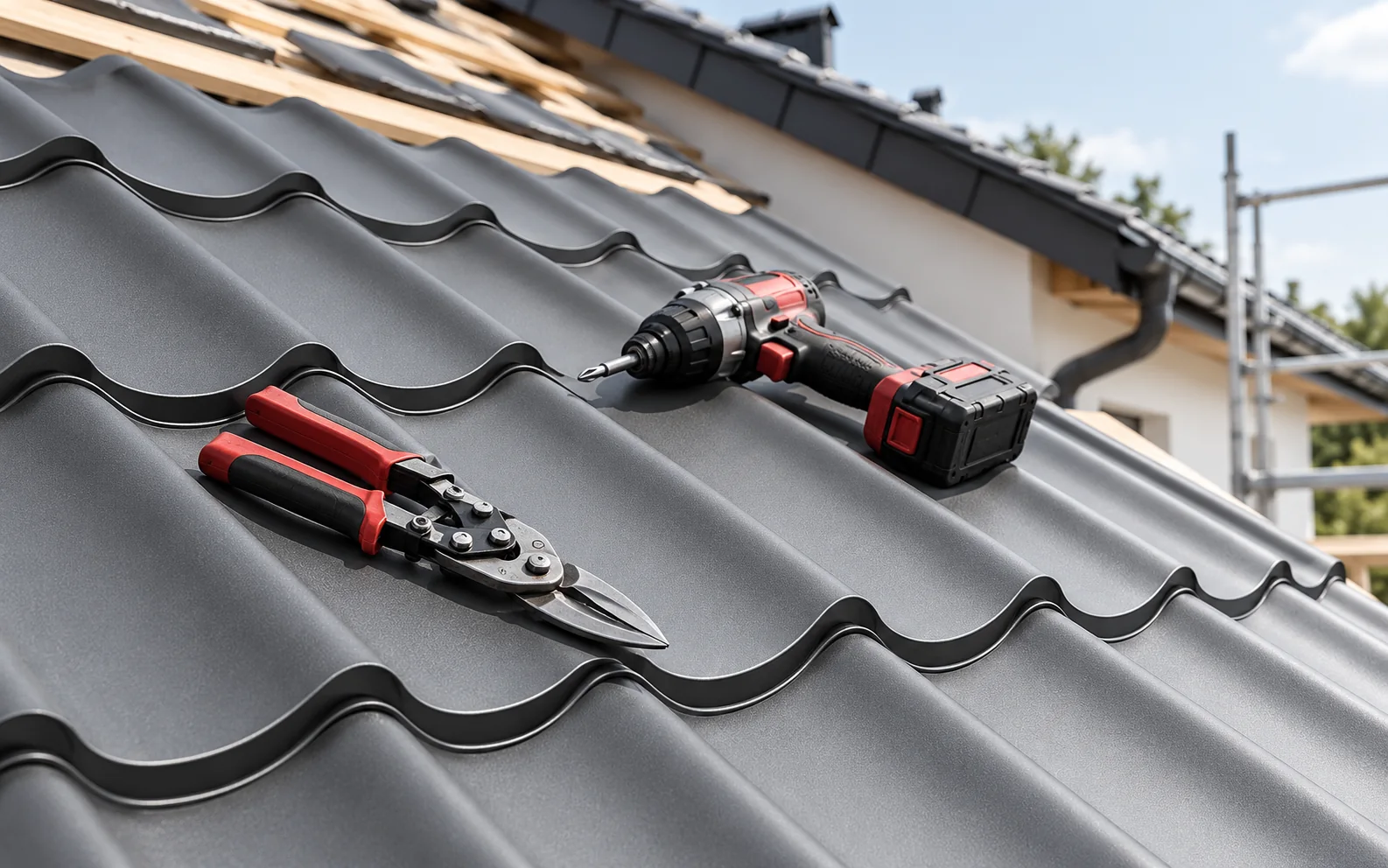
Use cutting tools approved by the sheet manufacturer so heat does not damage the coating. Suitable hand or electric shears are typical. An angle grinder with an abrasive disc can damage the finish beyond the cut edge. Hot particles left on the roof can become starting points for corrosion.
Control screw tightening and remove swarf as work progresses. The crew must plan how to transport, lift and support the sheets safely. Sheets should not be left in wet, unventilated packs. These arrangements need to be in place before anyone steps onto the roof.
How can you assess previous work?
Ask for examples of roofs with a similar shape and the same covering system. An even roof plane viewed from the street shows only part of the job. Look at chimney flashings, verge finishes and gutter layout. Photographs taken before concealed work was covered are also useful.
Ask how the contractor dealt with a difficult detail on a previous job. Years in business alone say little about that. Experience laying straightforward trapezoidal sheets may not extend to every modular system. Sandwich panels likewise require knowledge of their joints, lifting methods and specific fasteners.

What belongs in the contract?
Describe the materials, scope, programme and basis of payment. Agree who will order components and check quantities. Specify what happens if damage to the roof structure is uncovered. Agree the price or basis for charging for extra work before it is carried out.
Distinguish the contractor’s workmanship warranty from the manufacturer’s material warranty. A manufacturer’s document does not automatically cover installation errors. Keep the delivery specification and instructions for the products purchased. They can help establish the cause of a later problem.
Agree how the house will be protected between stages. Rain may arrive while part of the old covering has been removed and the roof is still open. Plan temporary protection and the order in which areas will be stripped. Name a contact who can make a decision if the weather changes.
How should the finished work be inspected?
Arrange inspections in stages. Before work is covered, inspect the substrate, continuity of the layers and difficult junctions. At completion, check the covering, flashings and fixings, and verify that ventilation and drainage paths are clear. Obtain photographs of important details and a written record of agreed corrections.
The client does not need to walk on the roof to inspect it. People trained for work at height should arrange safe access. A suitable specialist can assist on larger or more complex jobs. Inspection should go beyond checking the colour and signing the invoice.
Before you order
Ask three specific questions. What support spacing does the documentation specify? How will air move through the roof? How will the chimney flashing be formed? The answers reveal more than a general assurance of quality.
What matters when choosing a roofer?
Judge a roofer by their knowledge of the selected covering, the details of earlier jobs and how they organise the work. A clear scope and an inspection record help both parties. Settling responsibilities before ordering materials reduces grounds for dispute.
7 branches. Materials closer to your project.

Free quote
Materials for your project






You may also find useful…

If the façade of a historic apartment building must stay as it is, insulating from the inside can make a flat more…

Steel and PVC gutters can drain a roof correctly if they are selected as a complete system. They differ in rigidity, thermal…
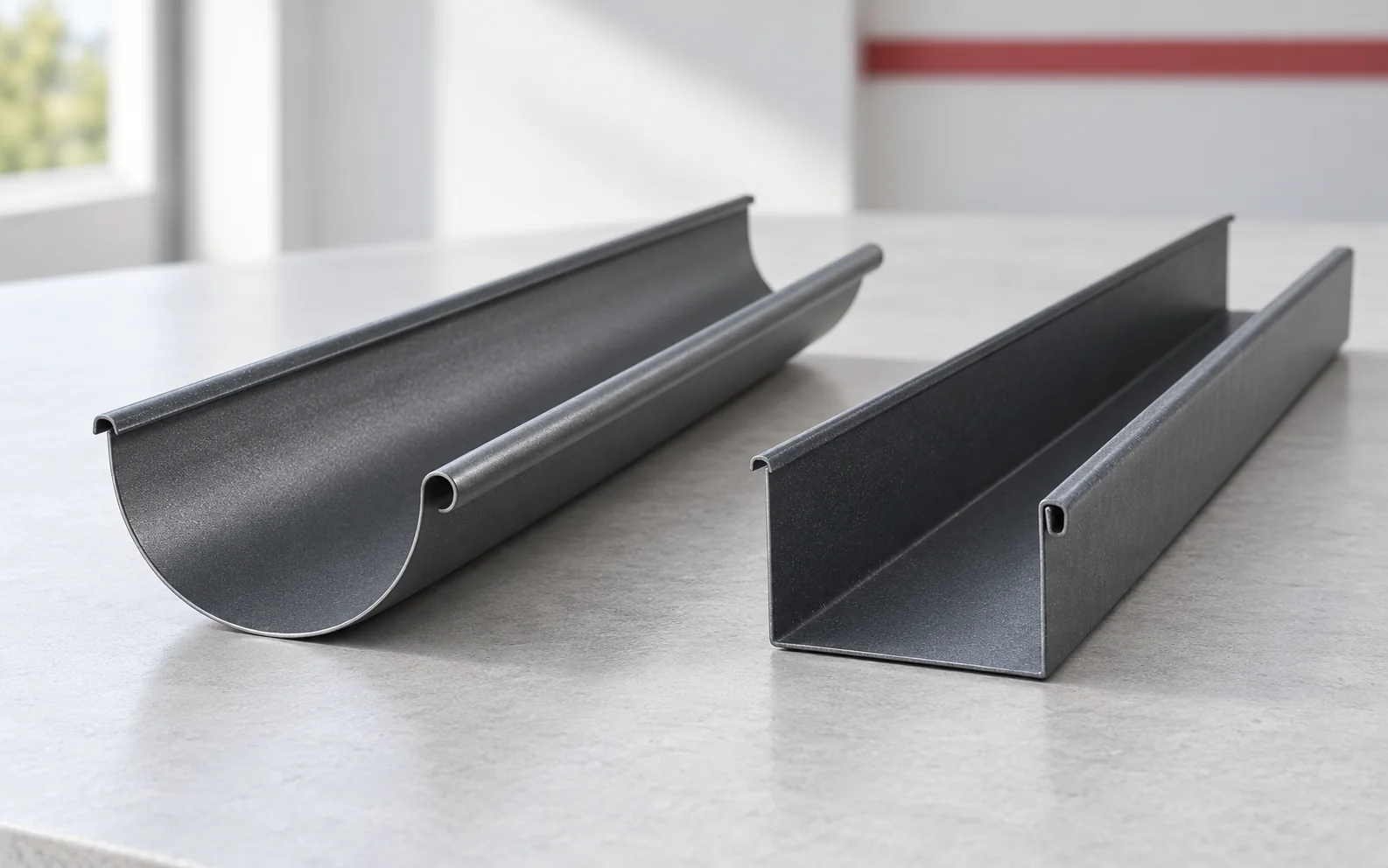
Square or half-round gutters? The choice of shape is not just a matter of the eaves' appearance, but above all of efficient…
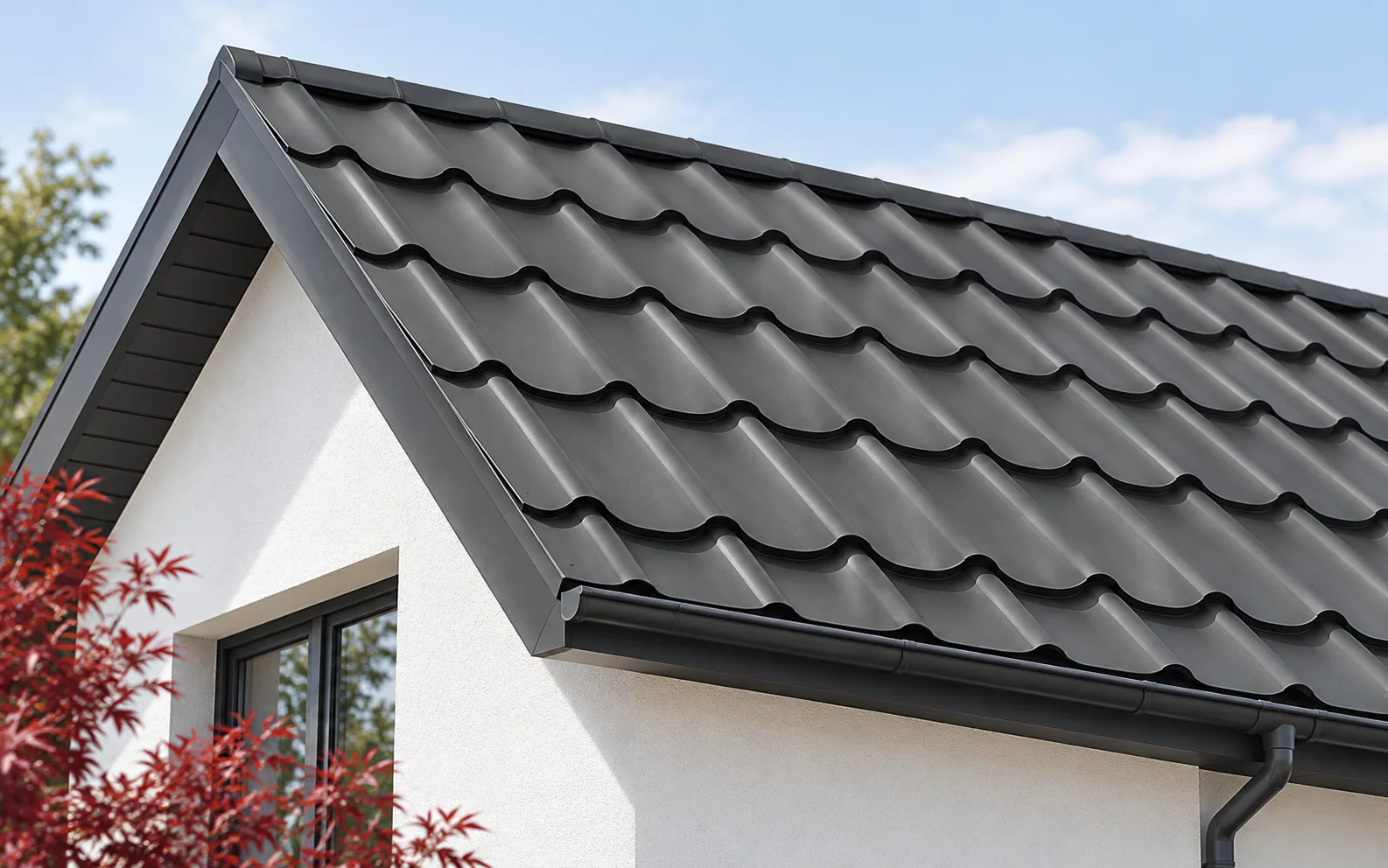
It is worth deciding the roof colour in parallel with the façade, joinery and rainwater system, because a large roof slope, matt…
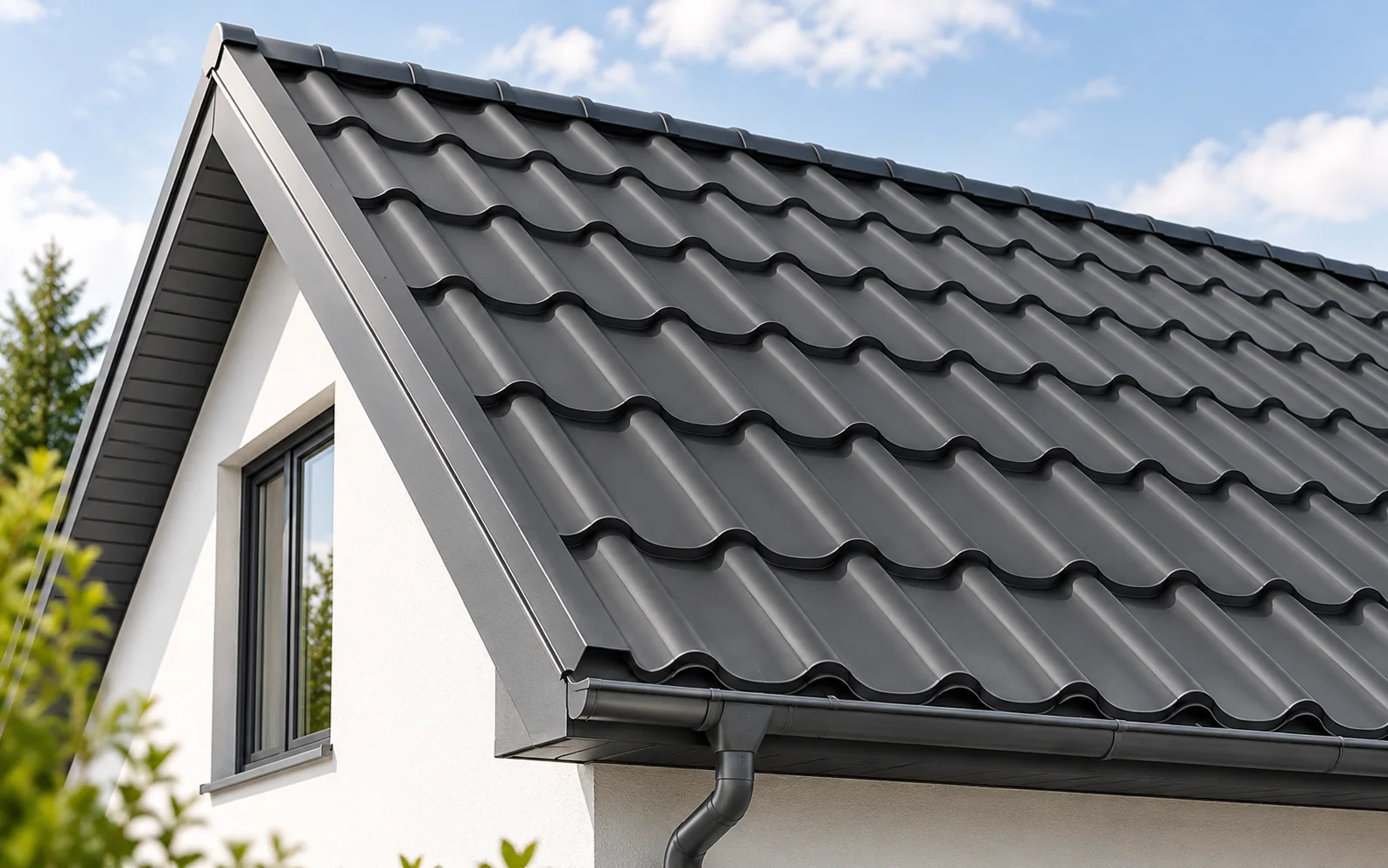
To budget for a roof in 2026, mark on the drawings where the quotation starts and ends. Installing a covering on an…
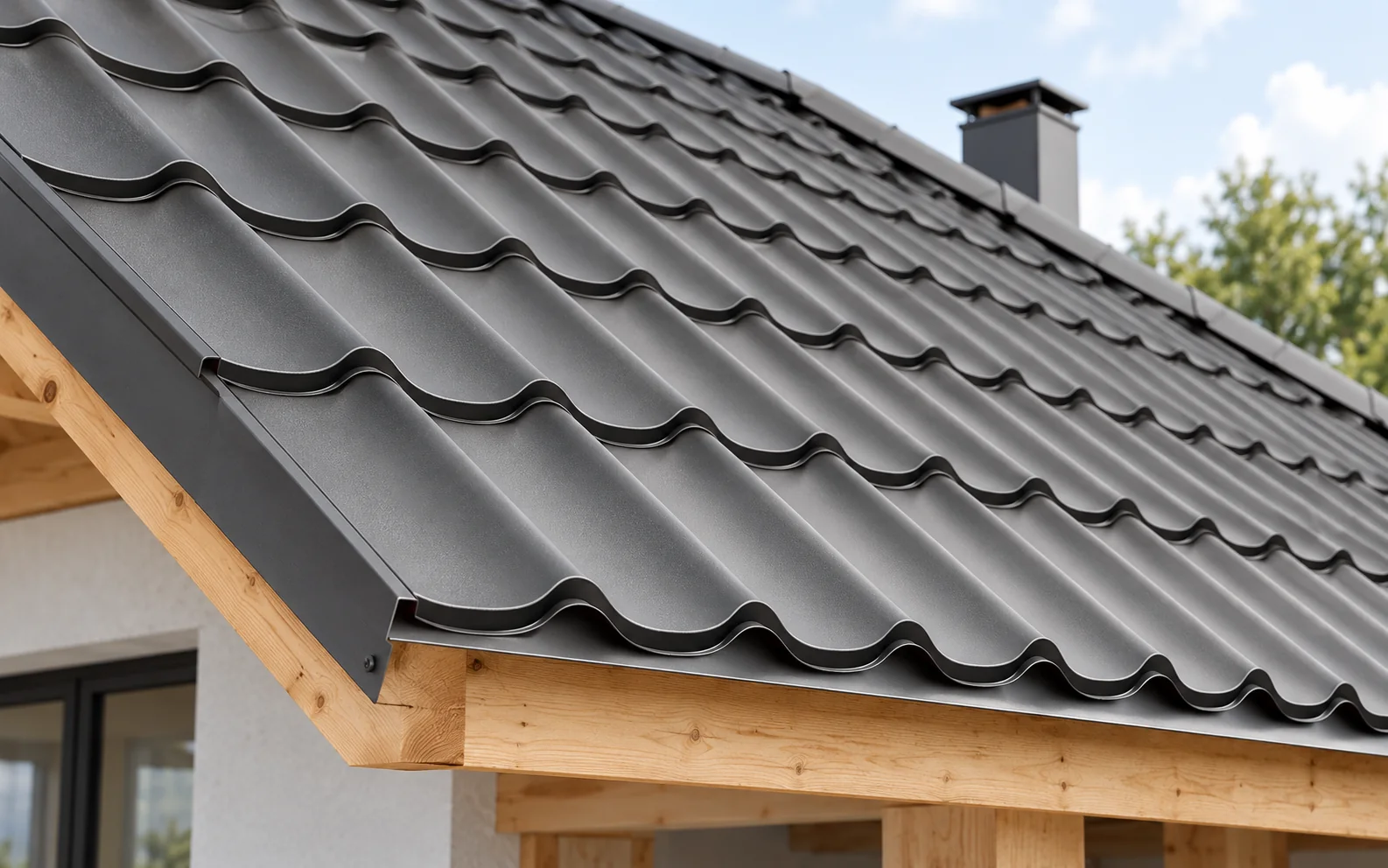
Replacing a roof from measurement to handover requires decisions on material, construction and details before dismantling begins. A survey of the finished…

A concealed gutter system reduces the visibility of the drainage, but it must still collect water efficiently and remain serviceable. It is…
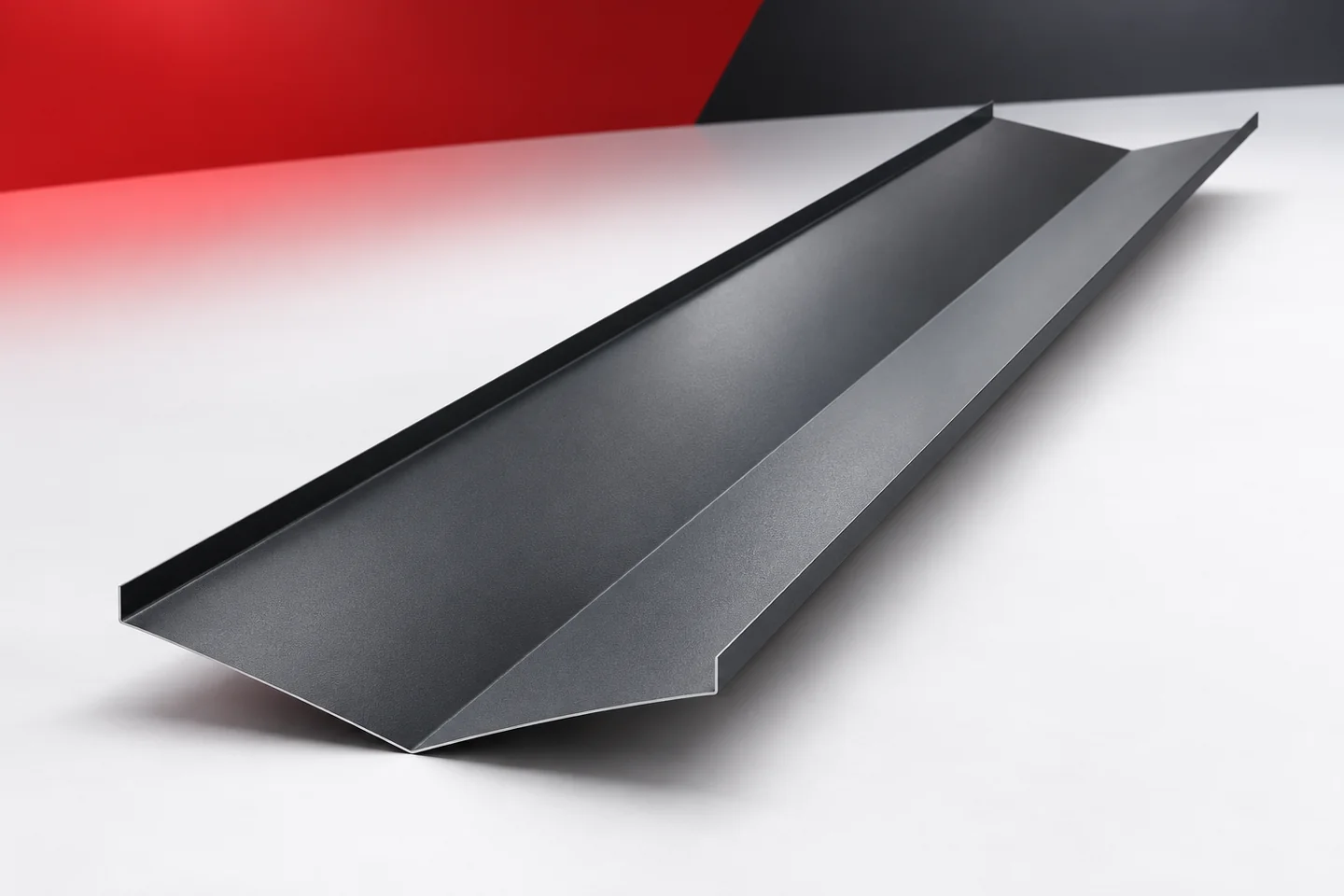
The roof valley collects water from the converging roof slopes. Its flashing must match the roof geometry and ensure an unobstructed drainage…