

Roof coverings
Why consider a standing seam metal roof?
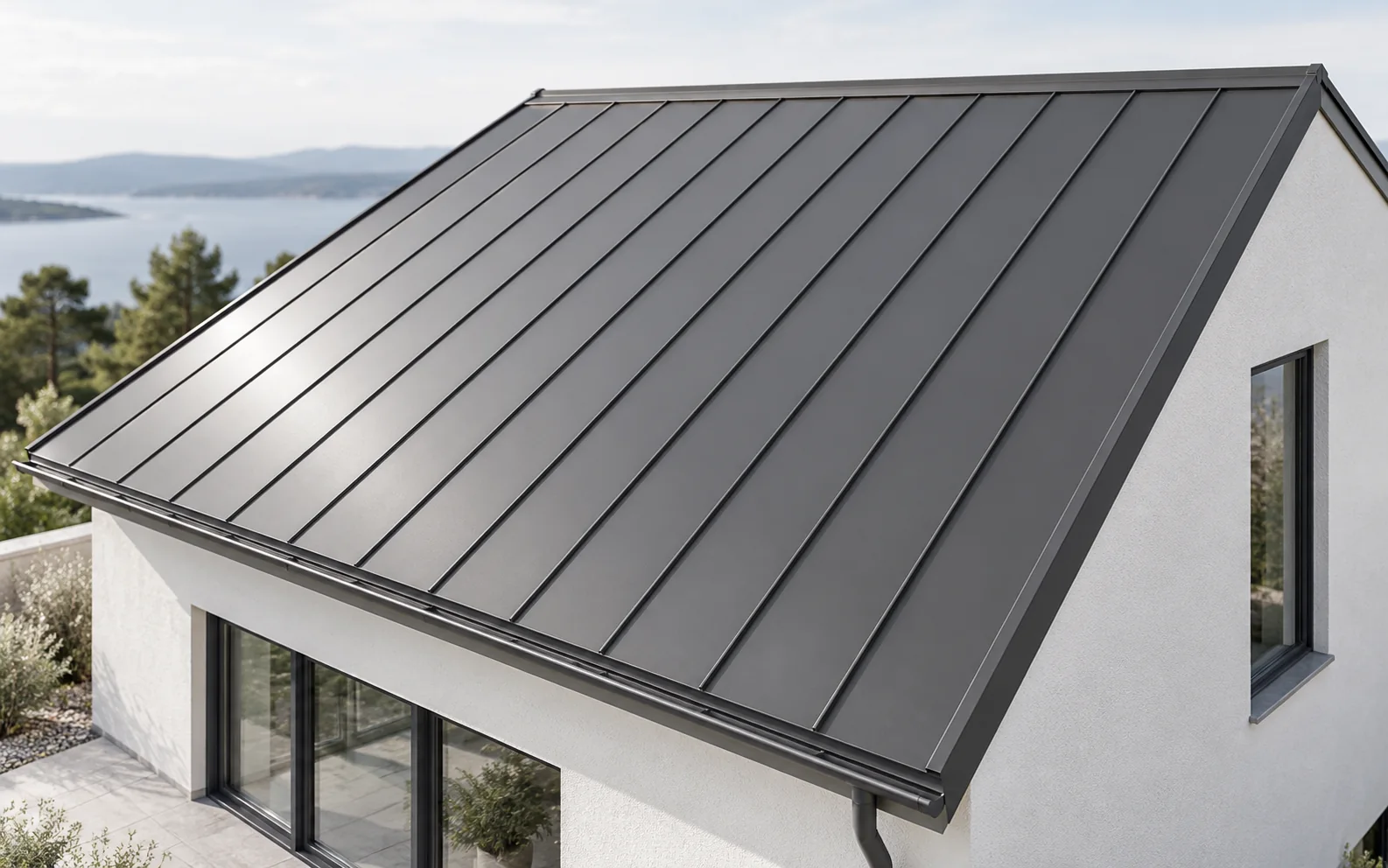
A standing seam metal roof is chosen primarily for the calm vertical pattern of the roof slope, which organises the elevation from eaves to ridge and helps emphasise the proportions of the building. However, it must be decided whether a snap-lock panel or a traditional standing seam is being designed, because a similar appearance does not mean the same requirements for the substrate, fixings and pitch. A smooth surface reveals unevenness, and long panels move thermally, so the evenness of the support, the choice of layers and the termination details must be established before installation. The description ‘standing seam’ alone is not enough in an order; the full product type and current instructions are needed, especially for a low pitch and when fitting accessories.
In this article
What makes the clean lines of a standing seam so appealing?
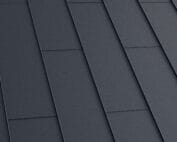
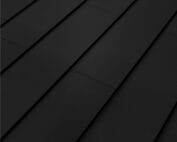
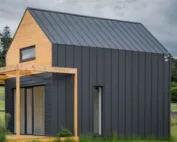
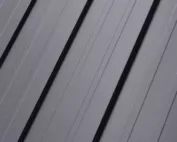
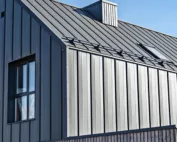
Long divisions running from eaves to ridge dominate the roof. The absence of regular transverse rows gives a calmer effect than a classic tile-effect metal roofing sheet. Such a covering may suit a modern barn, but also a more traditional form. Everything depends on proportions and details.
A large smooth surface shows light differently. It may reveal minor unevenness that would be lost in a heavily profiled sheet. It is therefore worth looking at completed projects both up close and from the street before choosing. Perfect flatness in a visualisation does not always correspond to the natural appearance of thin sheet metal.
How does a snap-lock panel differ from a traditional standing seam?
A snap-lock panel has factory-prepared edges and a defined method of joining. Traditional technology uses appropriately formed joints made according to the adopted metal roofing system. A similar appearance does not mean an identical substrate, fixings or pitch requirements.
The full product type must be recorded in the order. The description ‘standing seam’ alone leaves too many possibilities. This also applies to the fixing of accessories and photovoltaics. A clamp intended for one joint shape need not be approved for another. In this technology, the compatibility of details is particularly important.
How does substrate preparation affect the result?
Unevenness can transfer to the panel surface and create visible kinks. The substrate must comply with the instructions, both in terms of evenness and the arrangement of supports. The requirements for battens, boards or full boarding depend on the selected system.
Some systems specify separating mats or other layers beneath the sheet metal. These should not be added at random on the basis of a photograph of another roof. They have defined functions and requirements. An incorrectly selected layer may impede ventilation or alter the support conditions.
Why must the sheet metal be able to move?
The panel heats up and cools down, which causes its length to change. The fixing should allow the movement envisaged by the system design. Excessive locking of the screws or incorrect positioning of the fasteners can lead to deformation. Not every unevenness should therefore be corrected with additional pressure.
Long panels and their termination points require particular attention. The eaves, ridge and wall junction must accommodate the movement of the material. A detail executed as in another type of covering may not ensure this. The appropriate technology is determined before installation begins.

Is a standing seam suitable for a low pitch?
There is no single value common to all products described by this term. The joint construction, panel length and method of sealing are significant. The requirements must be read from the current instructions. The approval of a traditional standing seam does not automatically transfer to a snap-lock panel.
The more difficult the water drainage, the greater the importance of details. Service penetrations, transverse joints and valleys should not be created as ad hoc solutions on site. If the roof is at the limit of the permitted application, the choice must be resolved technically before purchasing the material.
How does it compare with tile-effect metal roofing and T18?
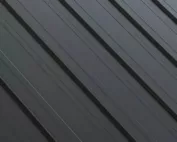
Modular tile-effect metal roofing gives a distinct, repetitive pattern and a convenient format. T18 creates more frequent, technical press-fold lines. A standing seam has a calmer arrangement of wide fields. In addition to appearance, compare the cost of the substrate, accessories and labour. The price of the sheet alone does not show the whole difference.
On a roof with numerous obstacles, the execution of details and cutting are important. When renovating, also check whether long panels can be transported. None of the variants is suitable for every building form. A well-chosen material should match both the design and the practical possibilities of execution.
What helps keep the roof in good condition?
The covering requires inspection of the coating, flashings and drainage. During work on the roof, the designated access routes and safety measures must be used. Pressure in a random place can leave a permanent mark. Metal filings must also not be allowed to remain after the installation of additional equipment.
Keep the panel designation and detail drawings in the documentation. This will facilitate the later installation of snow guards, steps or PV. Replacing accessories with seemingly similar ones can damage the joint. It is worth maintaining system consistency throughout the service life, including after a change of contractor.
Tip before ordering
Before ordering, look at a smooth section of a real roof in side light. Ask what visual deviations are natural for this panel and what evenness the substrate requires. This allows the effect to be assessed properly.
What is worth remembering?
A standing seam is worth choosing for a calm appearance and harmony with the building design. A well-executed system requires precision in the substrate, joints and fixings. If these conditions are difficult to meet, it is worth comparing it with modular tile-effect metal roofing or T18.
7 branches. Materials closer to your project.

Free quote
Materials for your project
You may also find useful…
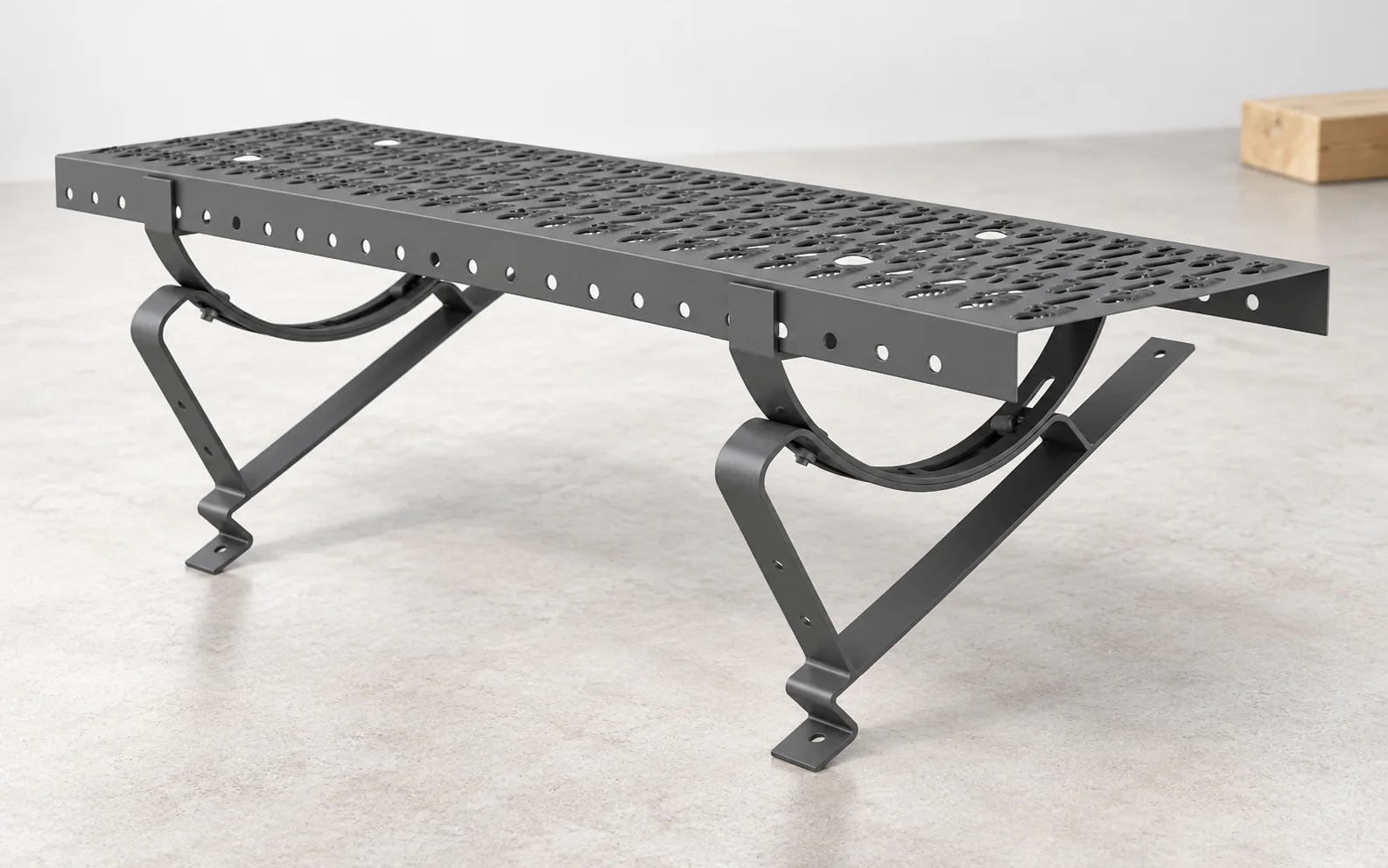
Roof access comprises the elements and routes that allow chimneys, equipment and service points to be reached. It includes, among other things,…
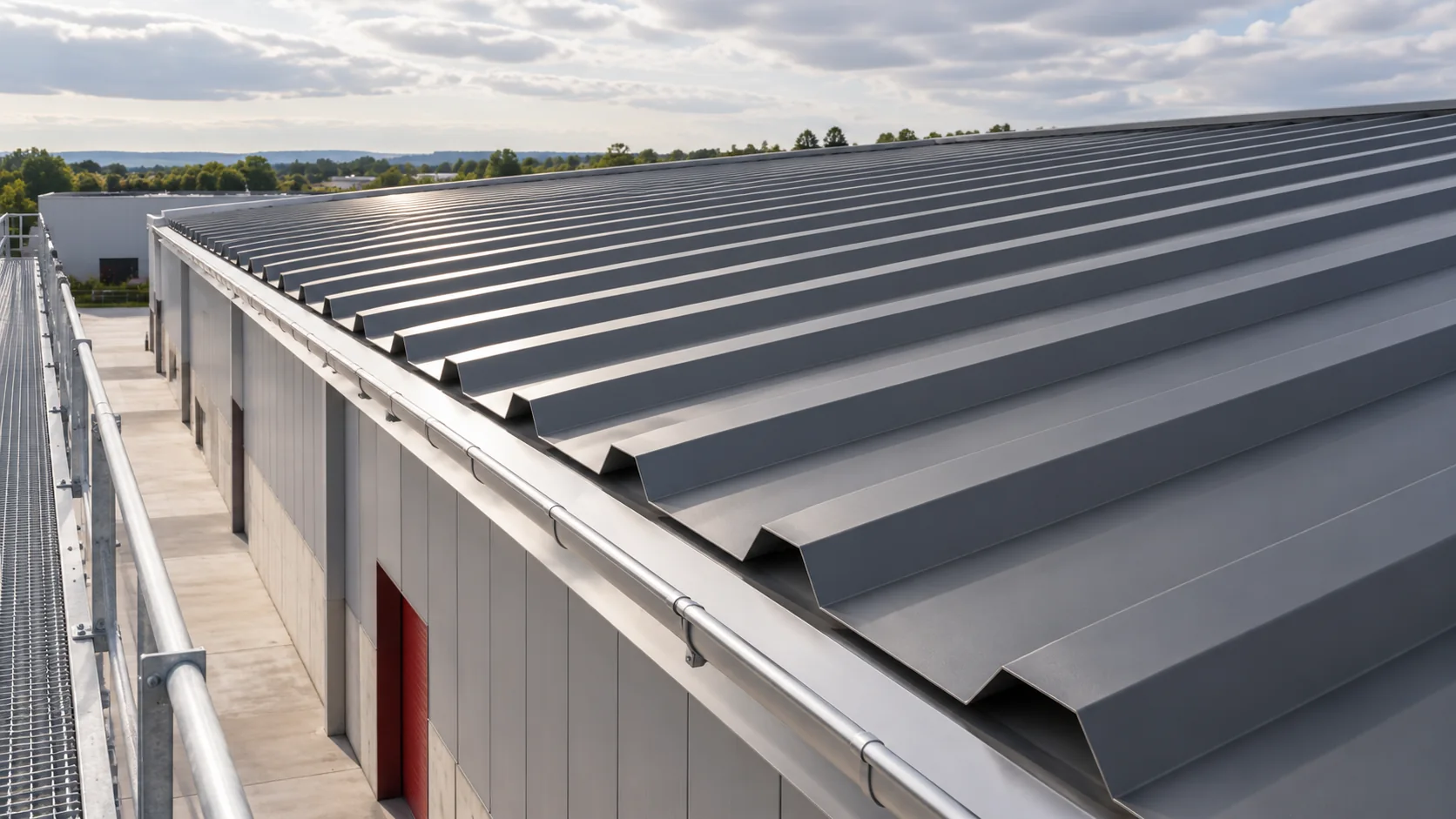
Switching from T18 to a deeper profile changes the stiffness, appearance and layout of a roof. Check the existing supports, the number…
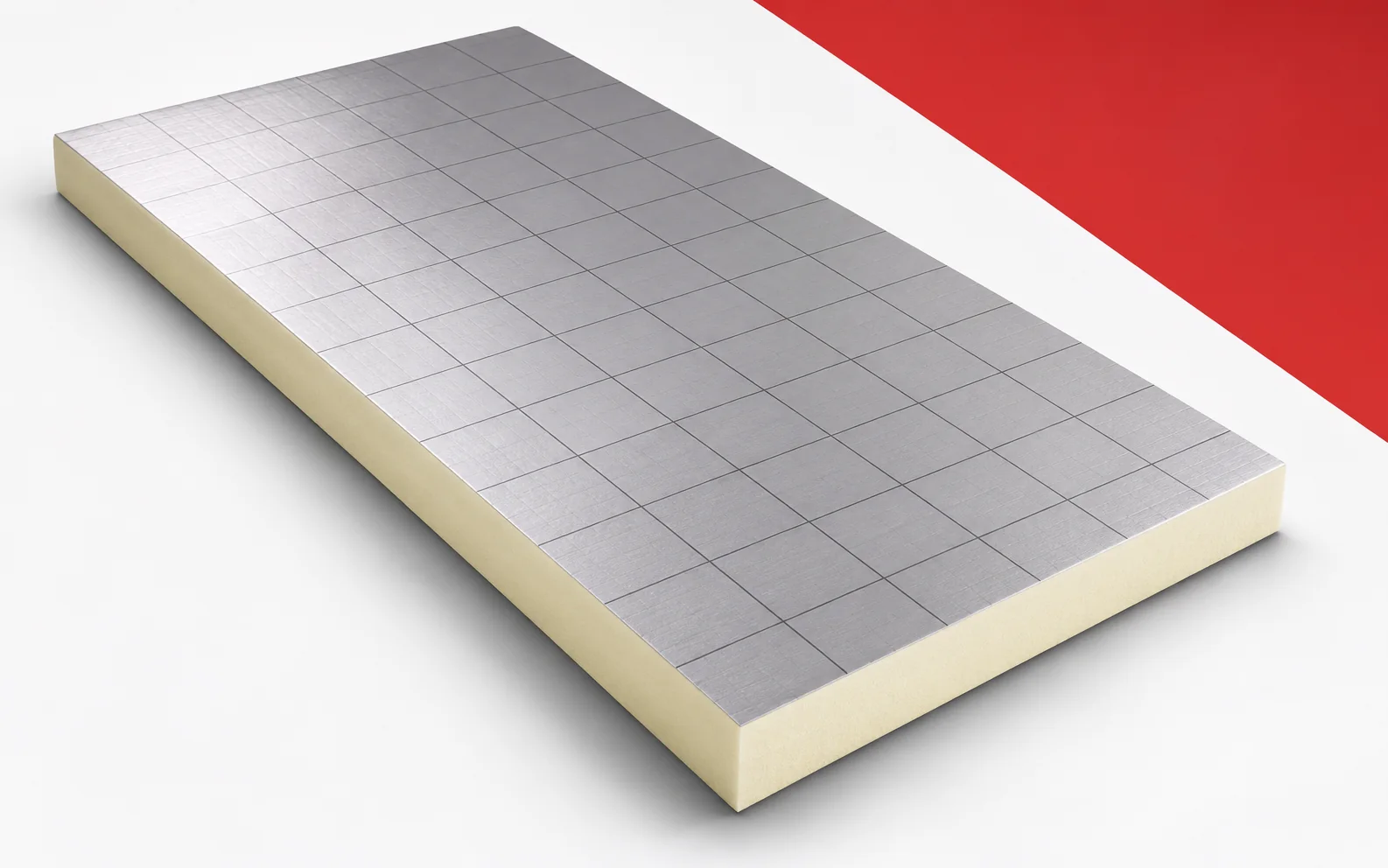
Thinner insulation can make it easier to maintain the parapet height and proper drainage. Eurothane Silver has a low declared thermal conductivity.…
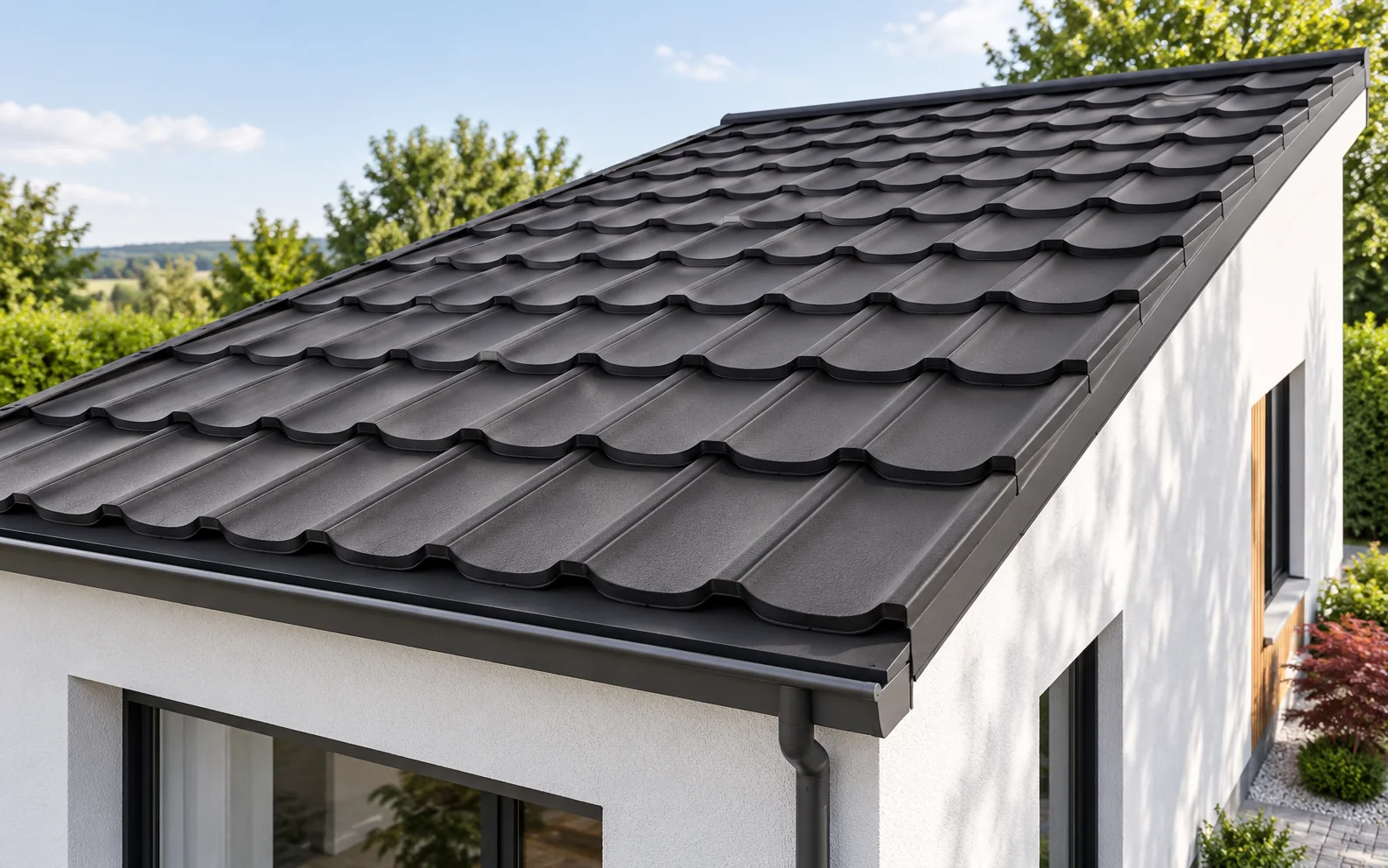
A mono-pitch roof has a single main roof slope that directs water towards the lower edge. The simple geometry makes cutting to…
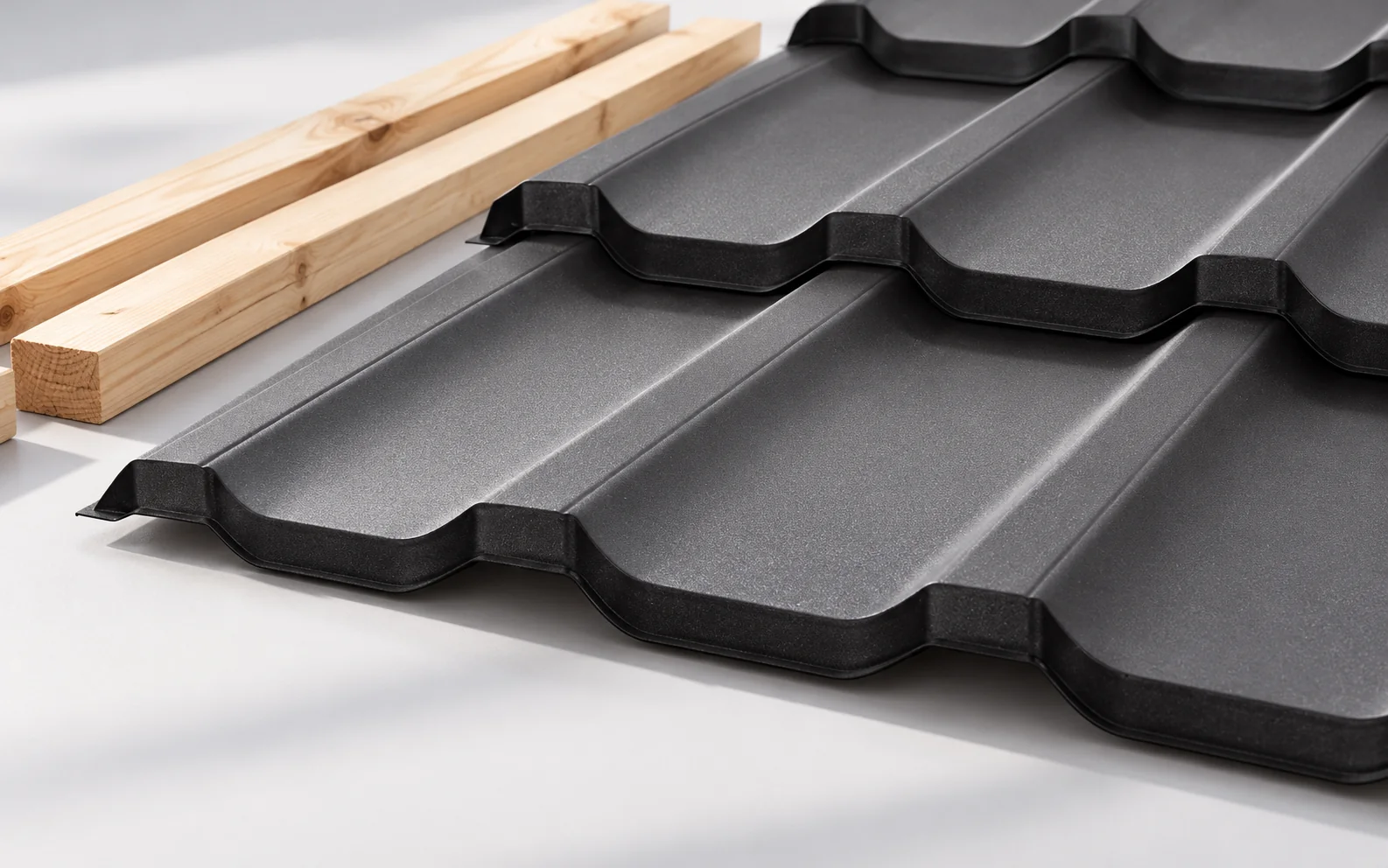
Choose the roof covering before setting out the battens. For tile-effect steel sheets, the module length and the manufacturer's fixing positions determine…
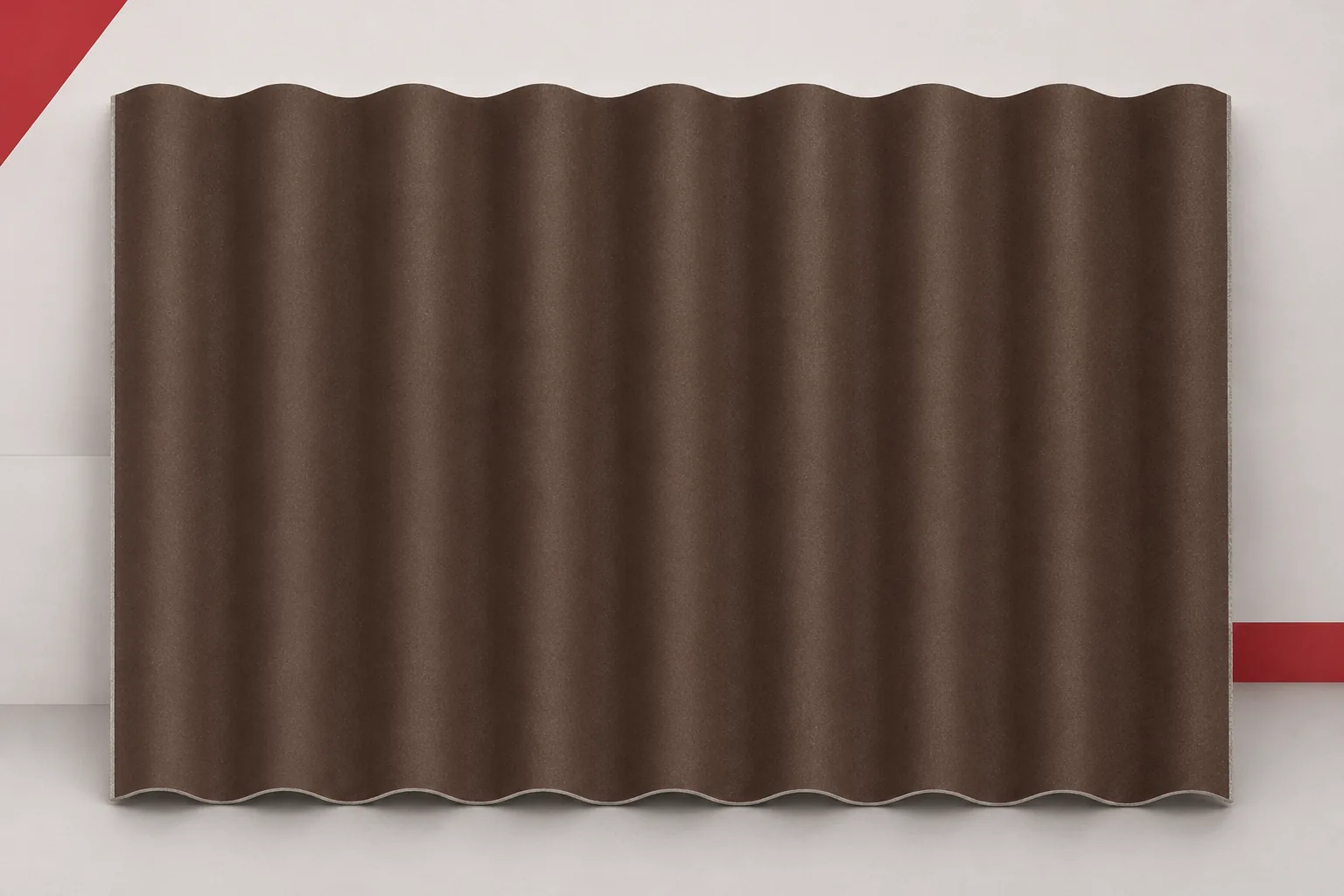
The grey corrugated sheet has a distinct wave pattern and a calm, mineral appearance. It does not have to imitate a roof…
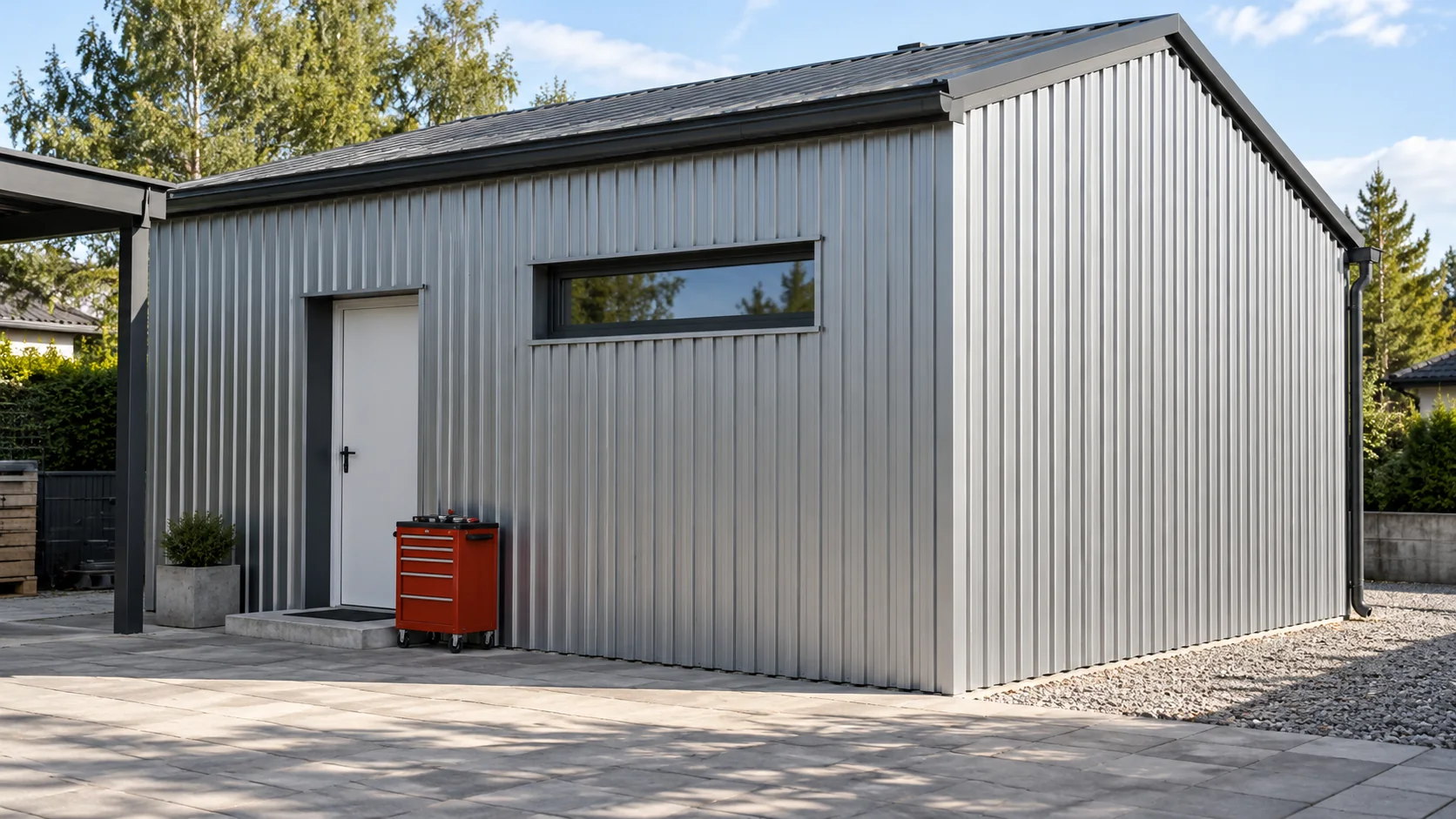
A shallow T12 profile can suit a small building, but check whether the particular sheet is intended for roofs, walls or both.…
A flat roof has a slight slope to drain water away. Its durability depends on a complete assembly of supporting structure, insulation,…