

Roof coverings
What is a roofing membrane for and how do you choose one for a metal roof?
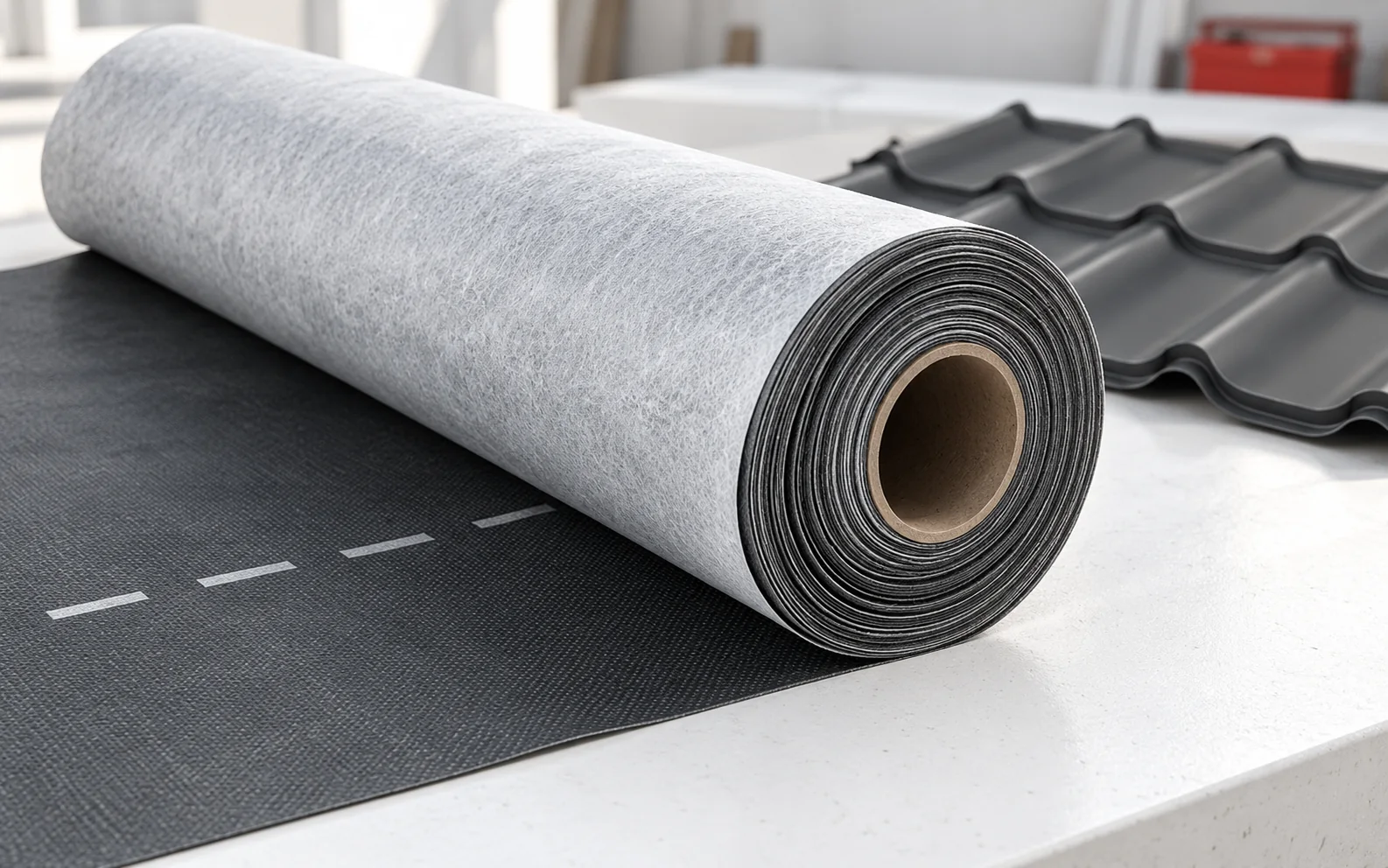
The roof membrane is the second line of protection against moisture that penetrates beneath the outer covering. It is also responsible for efficiently removing water vapour from the roof assembly. When choosing a product, the roof construction and the type of substrate are of key importance. Grammage alone does not determine the quality of the product, and a membrane laid on top does not eliminate the need for a vapour barrier on the inside. Although the main covering takes most of the precipitation, small amounts of water from rain, snow or condensation collect beneath it – the membrane must drain them in the designated direction. It is particularly important at junctions, penetrations and local leaks. It should not be treated as a standalone, final roof covering.
In this article
What water does the underlay retain?
The main covering receives precipitation, but small amounts of wind-driven rain, snow or condensation can occur beneath it. The membrane is intended to direct this water to a planned drainage point. Its role is particularly important at junctions, penetrations and local leaks in the outer layer.
It should not be treated as an indefinitely long substitute for a finished roof. Resistance to conditions during construction is limited. The permitted exposure time depends on the specific product and conditions. Leaving the membrane exposed to the sun can weaken it even before the metal sheeting is laid.
What does the Sd value indicate?
Sd describes the resistance to vapour transmission relative to a layer of air. A low value means easier diffusion than a high one, but it does not say whether the material is suitable for any roof. The membrane is selected together with the other layers and the humidity conditions of the interior.
Do not confuse vapour permeability with watertightness against rainwater. A properly selected material can allow vapour through and at the same time protect against water under specified test conditions. These properties are described separately. The label “breathable” without data is not sufficient for a technical comparison.
Why does grammage not decide the purchase?
The surface weight may be related to construction and mechanical resistance, but it does not describe everything. The functional layer, tensile strength and behaviour after ageing are important. Two membranes with a similar grammage may have a different purpose and different parameters.
Check the working temperatures, resistance to seepage, conditions for contact with the substrate and the recommended accessories. Do not choose the heaviest roll simply because it seems solid. A specific roof needs specific properties. A higher price or greater weight does not replace suitability for the application.
What does full boarding change?
Material laid on boarding or a board must be approved for such use. Contact with the substrate and the way moisture is drained away are important. A fully boarded assembly is not the same as a membrane stretched under battens. Do not transfer solutions between them without checking.
Under some flat-sheet metal coverings, special separating or drainage layers are used. Their role may be to separate the metal from the substrate and create a path for moisture. This is not an ordinary membrane chosen solely by grammage. The need for such an element arises from the covering system.

How do you make connections without weak spots?
The strips are laid in a direction that allows water to drain away. The width of the overlaps and the method of bonding them must be selected according to the instructions. A random tape may not maintain lasting adhesion. A clean substrate and the temperature during joining are also important.
At the chimney, window and duct penetration, the membrane requires a separate detail. A cut without a proper finish can introduce water into the insulation. Damage from walking or installation must be repaired before covering. Once the metal sheeting is laid, access to these places becomes considerably more difficult.
How does the roofing membrane interact with roof ventilation?
The airflow path beneath the covering helps to carry moisture away. It must have a proper inlet and outlet, and its route must not be inadvertently closed off. The use of a vapour-permeable roofing membrane alone does not guarantee that the whole roof will dry out. The details of the eaves and ridge are also important.
On the heated interior side, a layer may be needed that limits the ingress of vapour and provides airtightness. Its role is different. The requirements must be assessed for the whole building element, especially with PIR boards in the coverings. Do not replace the calculation of the system with a slogan about a single “best membrane”.
What should you prepare for ordering?
State the type of covering, the pitch, how the substrate is constructed and the planned insulation. Ask about tapes, seals under the fixings and components at penetrations. The roll is only part of the system. A lack of suitable accessories can impair the performance of even a well-chosen material.
On site, check the exposure time and the condition of the membrane before it is covered. Take photos of the details, laps and repairs. Mark the product in the as-built documentation. In the event of later dampness, it will be easier to establish which system was actually installed and where the cause should be sought.
Tip before ordering
On the roll label, note the permitted time for leaving it uncovered, and record the laying date in the construction documentation. Do not assume that the period stated for mild conditions is safe under intense summer sun.
What is worth remembering?
The membrane is selected for the whole roof, not just for the type of metal sheeting. Its parameters must match the substrate and the operating conditions. Just as important as the purchase are free drainage, tight connections and timely covering of the material.
7 branches. Materials closer to your project.

Free quote
Materials for your project


You may also find useful…
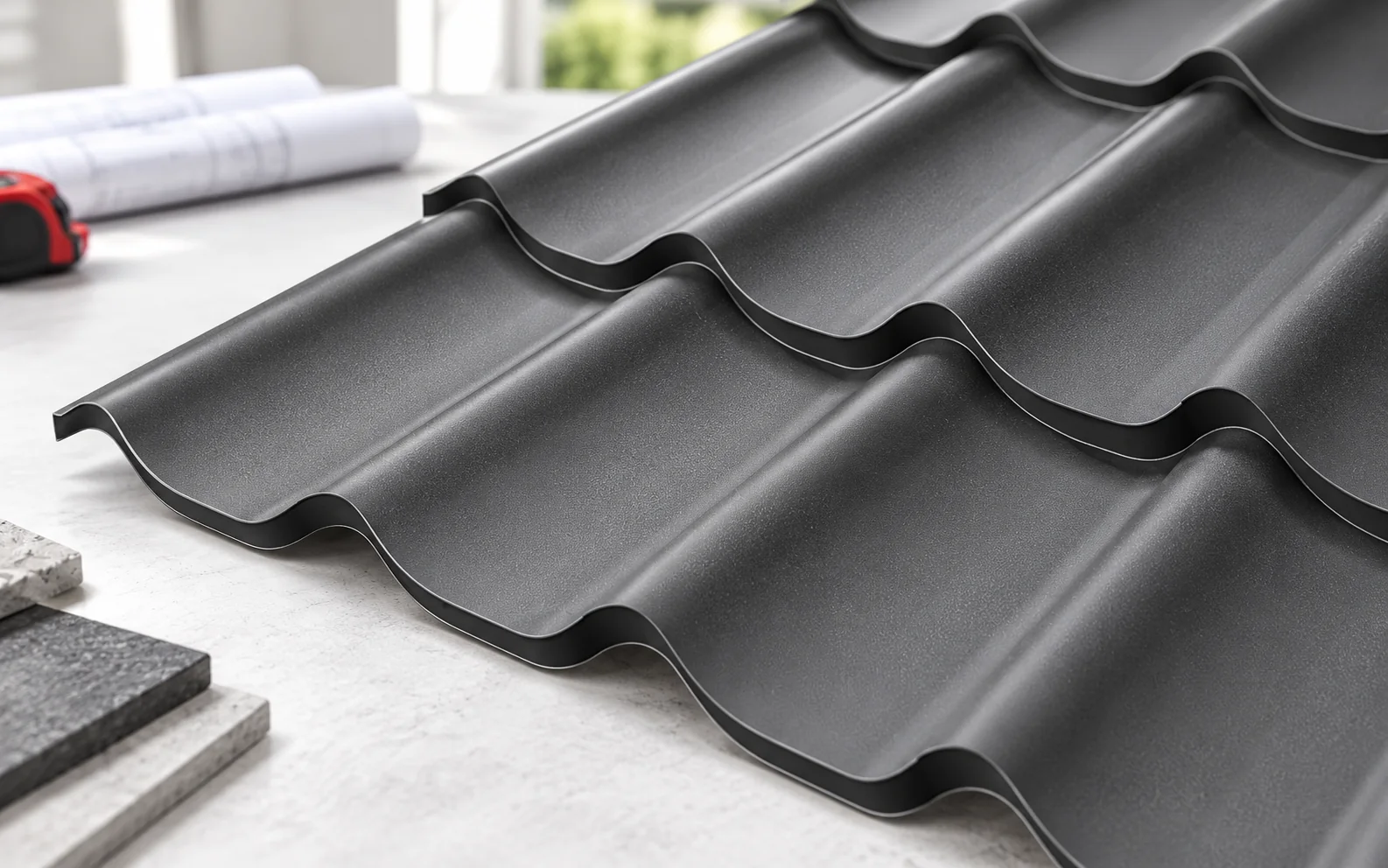
Start with a section through the roof. Bitumen shingles need a rigid, level, continuous deck, while tile-effect steel sheets commonly rest on…
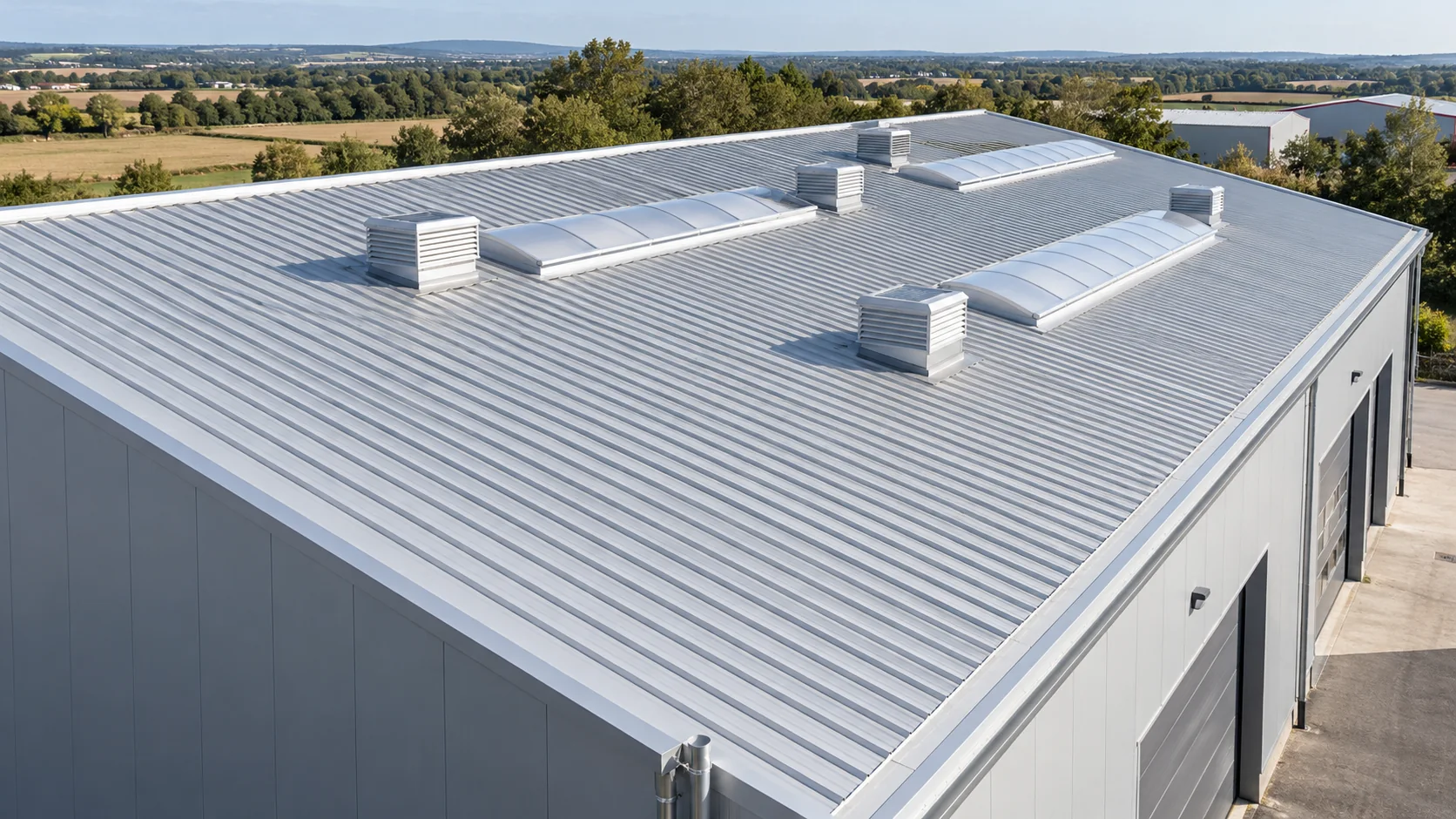
Before altering a PIR panel roof, identify the exact product and the assembly in which it was tested. Check three separate properties:…
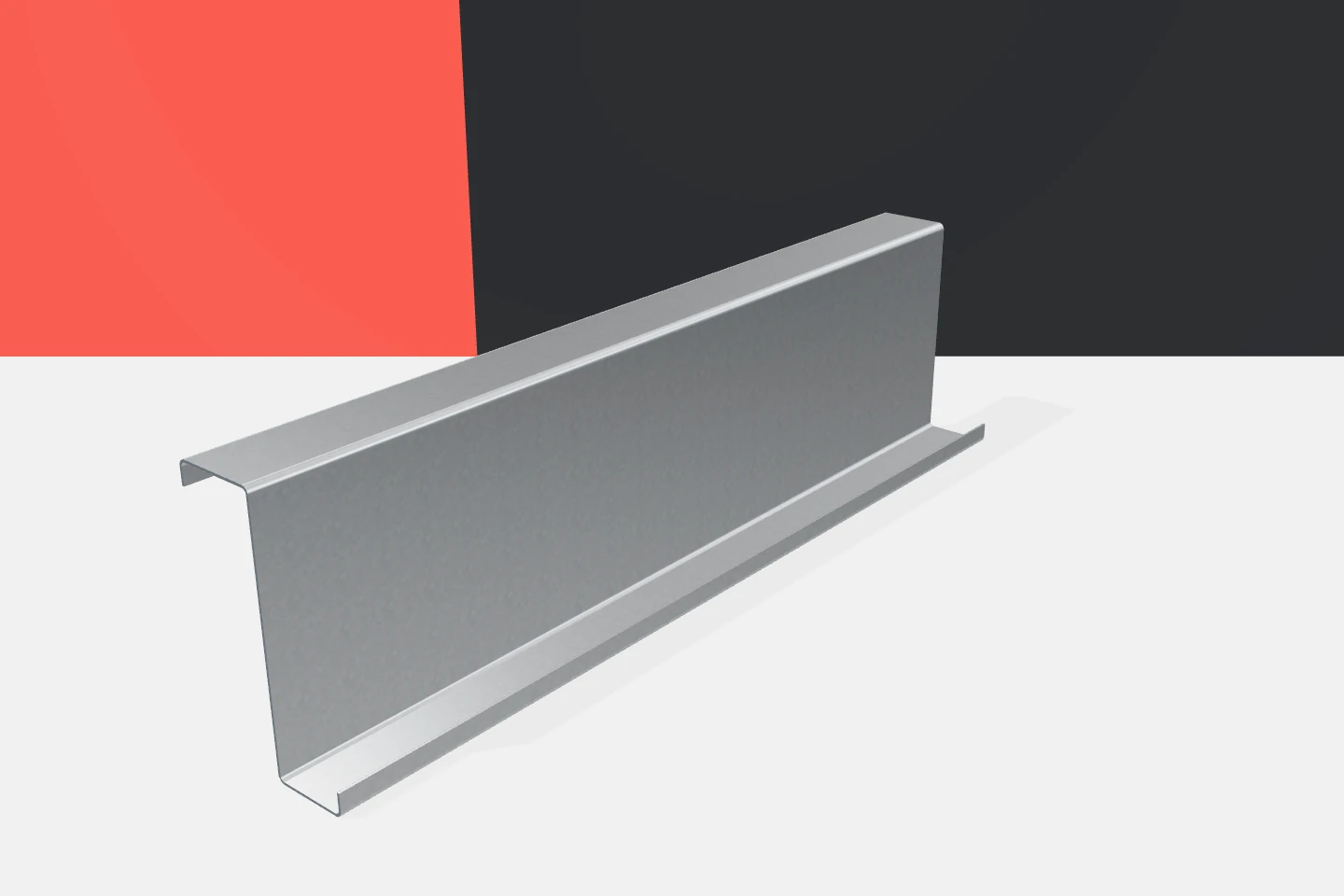
A Z-purlin is part of a system that transfers loads from the roof covering to the portal frames. It may look inconspicuous…
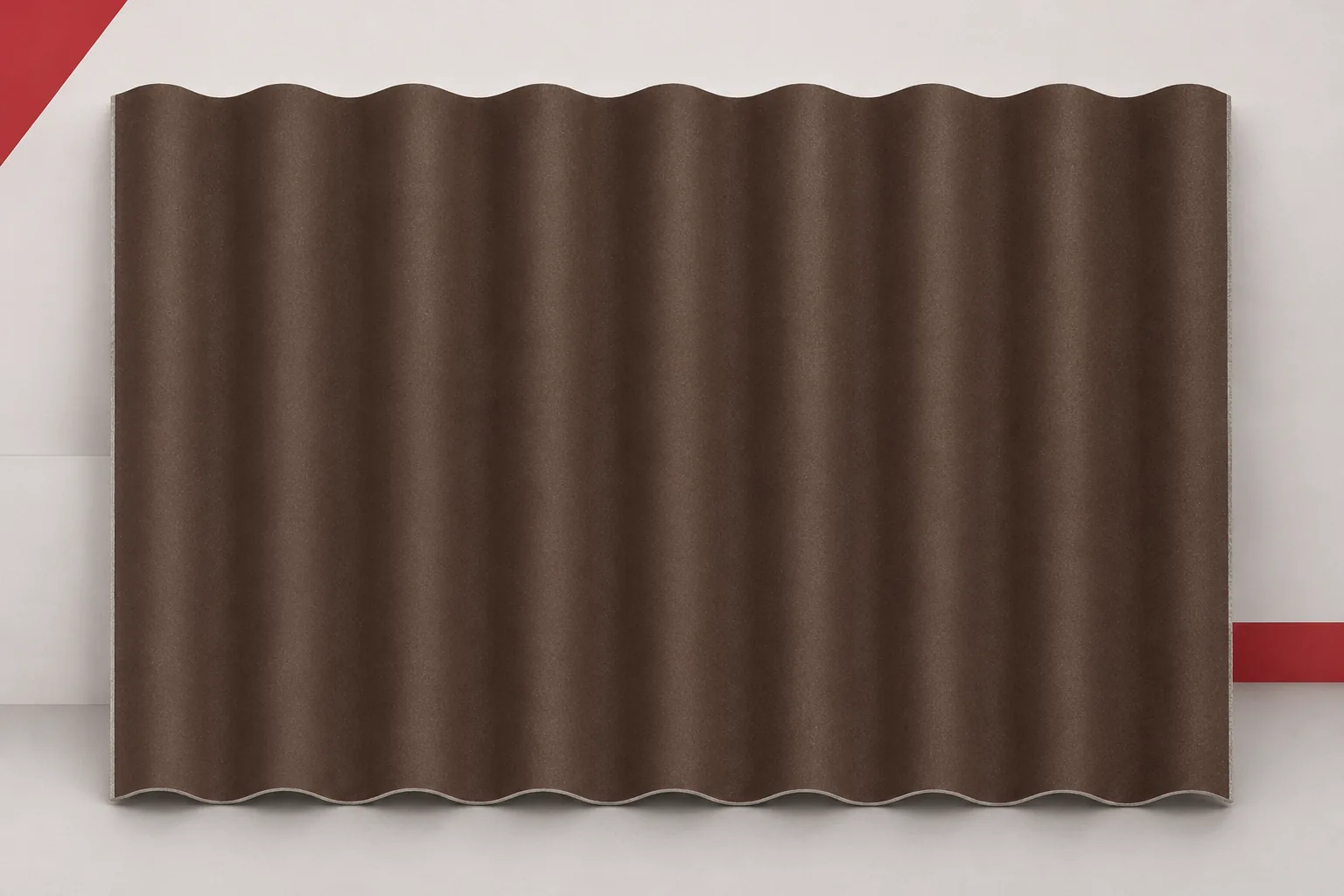
The grey corrugated sheet has a distinct wave pattern and a calm, mineral appearance. It does not have to imitate a roof…
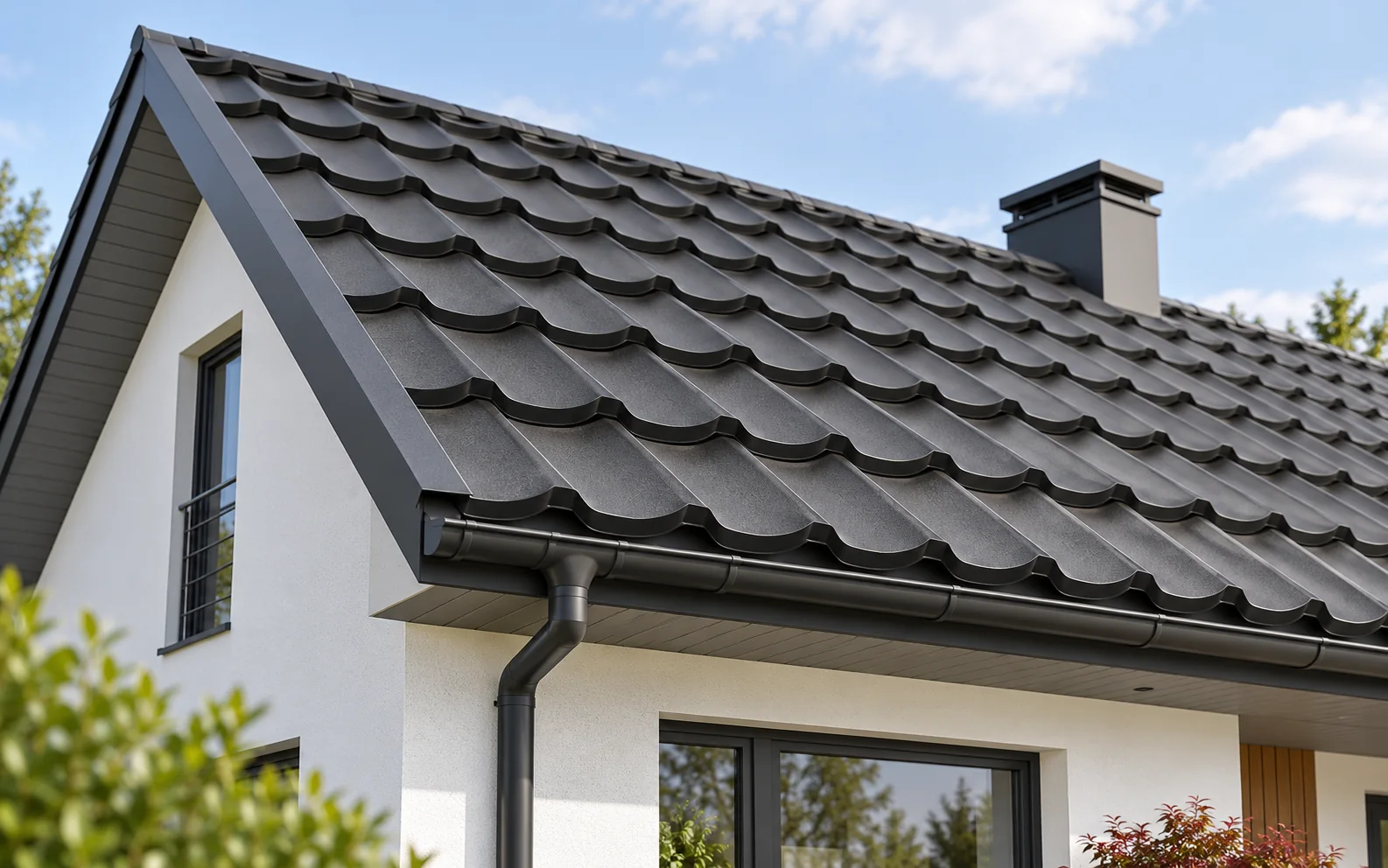
A gable roof, a mono-pitch roof, a hipped roof, a multi-pitched roof and a flat roof each affect the interior and the…
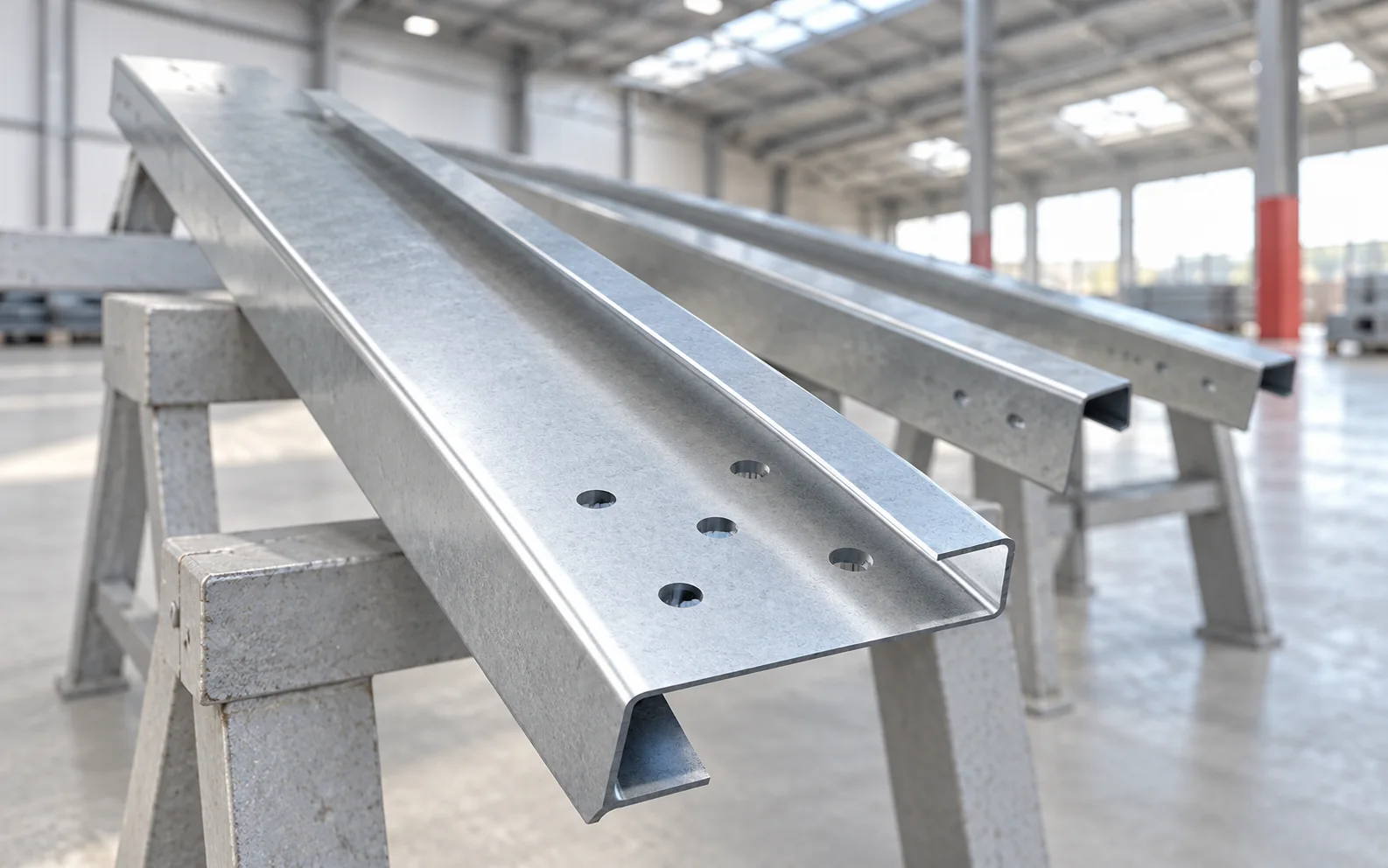
Roof purlins transfer loads from the covering and decking to the main structure, so their selection depends on the span, the support…
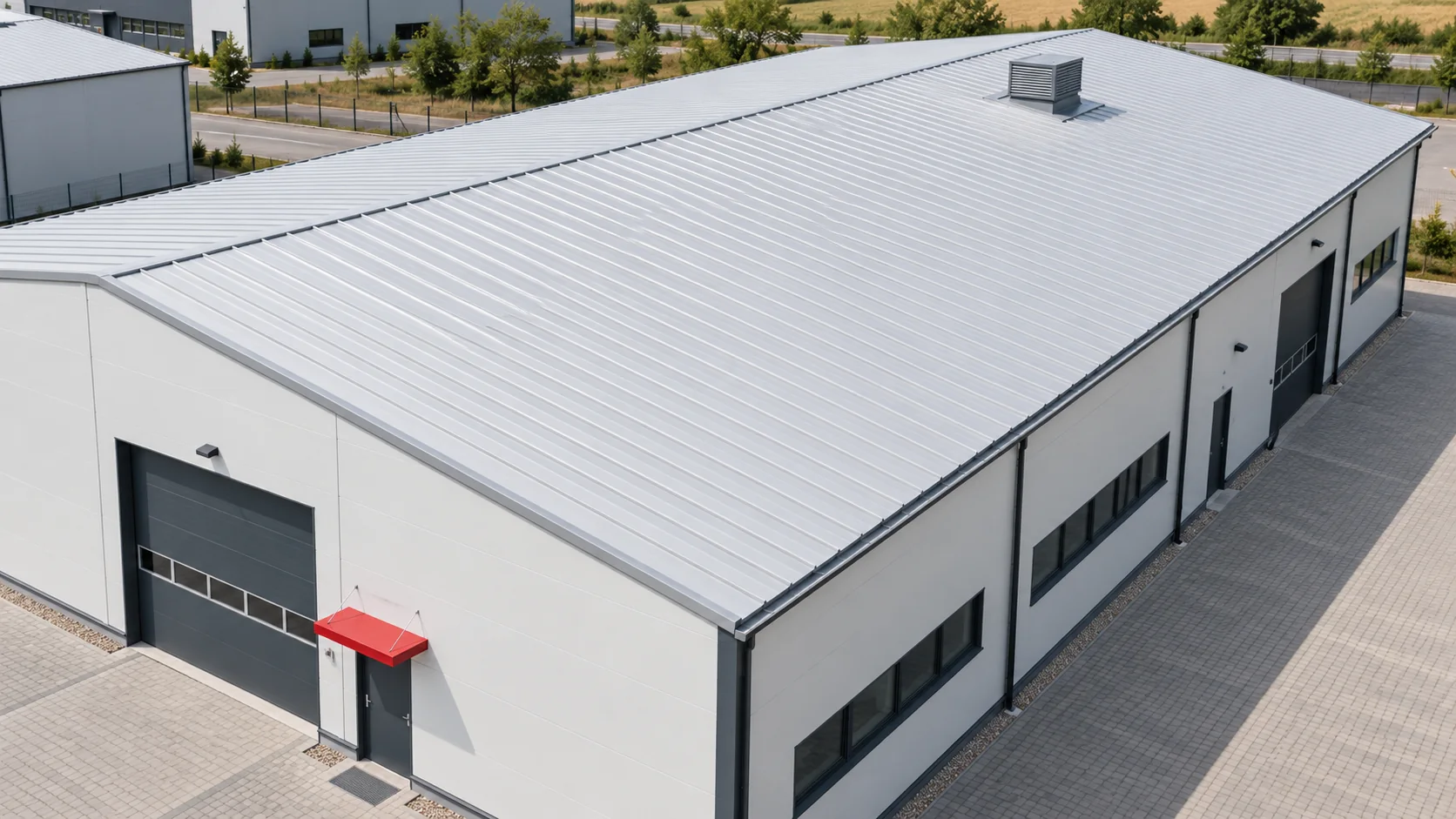
Choose a sandwich roof panel with the building's future use in mind. Core thickness affects heat loss, structural behaviour and the geometry…
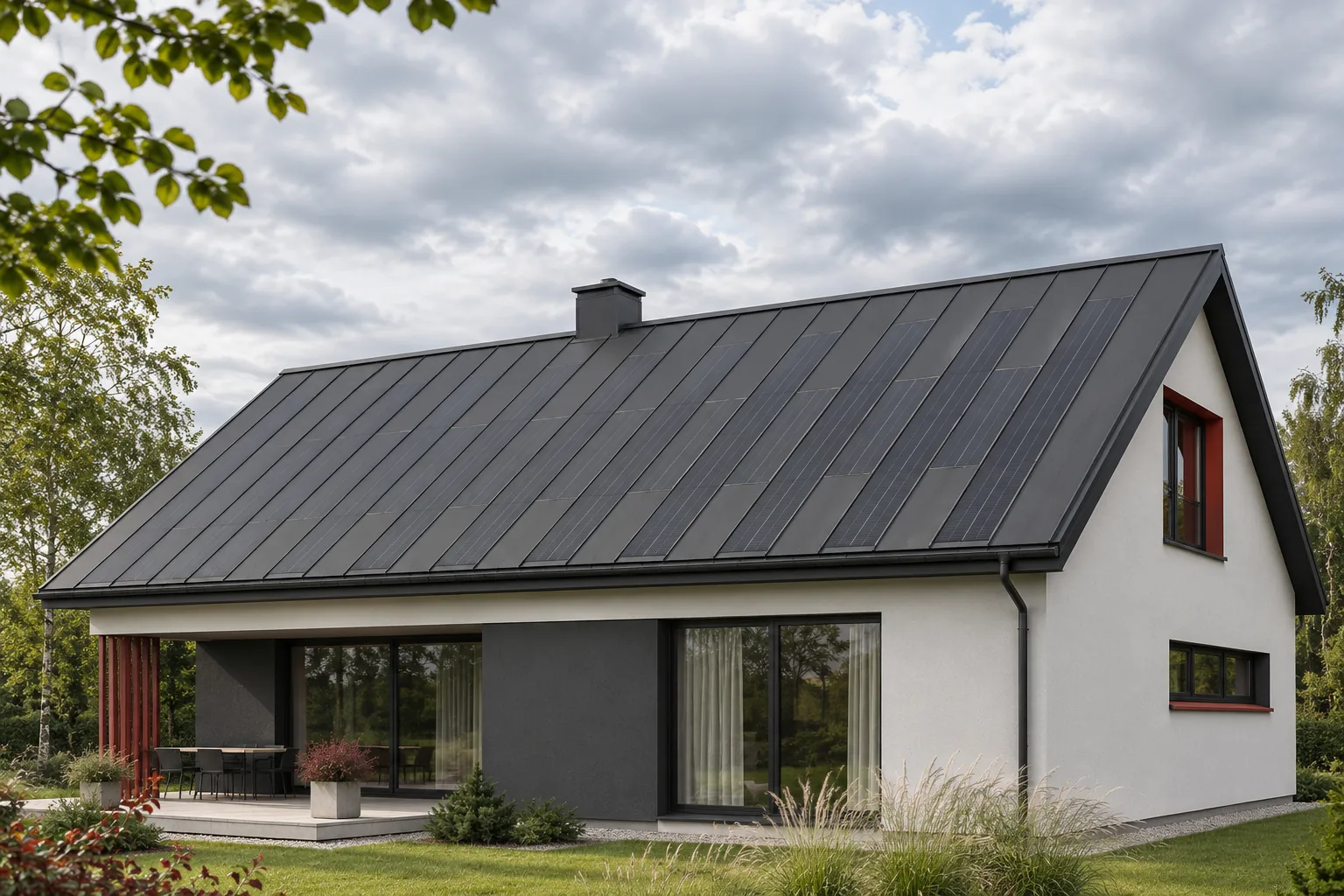
Photovoltaics can generate energy even under a cloudy sky, because it also uses diffuse light. Production will, however, depend on the amount…