

Installation and details
Which sheet metal flashings does a roof need, and what do they do?
Roof flashings channel water where the covering alone is not enough. They protect edges, junctions between roof slopes, the chimney and the wall junction. Their shape must be derived from the specific roof and profile. A wide strip of metal with plenty of sealant will not replace a correct detail. A roof slope has a start, terminations and places interrupted by other elements. In these zones water changes direction or meets an obstacle. The flashing creates a controlled drainage path and shields vulnerable junctions. It should work together with the covering and the layers beneath it, not merely cover a gap from above. The order of overlapping, the length of laps and the method of fixing all matter.

In this article
Why do the sheets not close the whole roof?
A roof slope has a start, terminations and places interrupted by other elements. In these zones water changes direction or meets an obstacle. The flashing creates a controlled drainage path and shields vulnerable junctions. It should work together with the covering and the layers beneath it, not merely cover a gap from above.
The order of overlapping, the length of laps and the method of fixing all matter. The detail must also allow for the movement of the metal as temperatures change. A correctly profiled sheet can perform for a long time, but an unsuitable connection to the substrate or wall can undo its function.
What do flashings do at the eaves?
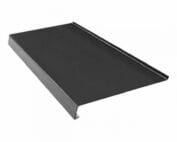
The gutter apron helps direct water into the gutter, while other eaves elements protect its parts in accordance with the chosen arrangement. The position relative to the edge of the covering and the underlay matters. The membrane must also be correctly terminated. It must not discharge moisture directly onto the insulation or the fascia board.
The eaves are also the air inlet point on many ventilated roofs. The flashing should not inadvertently close this path. Tile-effect metal roofing, trapezoidal steel sheet and standing seam panels have different geometries at the start of the slope. The dimension and shape of the strip should therefore not be chosen solely on the basis of the width of the tape available.
How are the side edges of a roof slope protected?
Barge flashings protect the termination of the covering and help shield the edge from the weather. They must be well matched to the profile and to the construction of the edge. This zone is also important under wind suction. The method of fixing should follow from the system and the design, not from the assumption that this is merely a decorative detail.
A wide, poorly supported flashing can vibrate and deform. This should not be repaired with random screws in places that carry water. It is also worth establishing the direction of the joints between successive sections. A neat, straight line is the result of correct geometry and fixing, not of the colour of the metal alone.
What role do ridge tiles and the ridge finish play?
The upper junction of the roof slope requires protection against precipitation and, in a ventilated arrangement, also an air outlet path. The ridge tile works together with sealing and ventilation elements. Completely closing every space with foam can impair the performance of the roof. Weathertightness and ventilation need not be mutually exclusive.
The shape should be matched to the covering. A different solution may be needed for a high trapezoidal profile than for modular tile-effect metal roofing. The fixing construction is also important. Simply placing the ridge tile on the crests of the corrugations is not enough if the instructions specify a particular support or intermediate batten.

What distinguishes valley flashing?
The valley is located at the concave junction of two roof slopes and collects water from both sides. During rainfall it carries a heavier flow than a single edge. It needs adequate width, support and careful joining of sections. The dimensions follow from the roof geometry and the system solution.
The drainage path should not be narrowed by covering that is pushed too close. Accidental punctures in the base of the valley and places where leaves collect are also vulnerable. The appearance from the street should not obscure the function. The valley requires inspection after installation too, because debris can restrict its flow.
How are junctions at the chimney and wall made?
The junction of the roof with a vertical surface must account for water running down both elements. Side, top and bottom flashings work together in a specific order. In some situations a separate solution for the wall junction is needed. The sealant performs the function intended in the detail; it does not replace the whole arrangement.
The possible movement of the structure and of the metal itself must also be taken into account. Rigidly bonding everything into one unit can lead to cracks at the joints. During renovation it is worth inspecting the condition of the masonry and the substrate. New flashing will not repair a crumbling surface to which the termination cannot be durably fixed.
How should flashings be ordered so that they fit?
The drawing should specify the shape, the developed length, the length of the section, and the material and coating. A description such as “flashing for the chimney” is too vague. It is also worth establishing the laps, the fixing point and the installation sequence. A change in the height of the covering profile may require the component to be re-matched.
Compare the price of the finished detail together with the labour. A cheaper but too narrow component may require costly reworking. During fabrication the coating must be protected, cutting done cold and filings removed. Finally, the water drainage and the completeness of the fixings are checked, not just the colour match.
Tip before ordering
Ask for a list of flashings linked to the roof drawing. Every eaves, chimney, valley and side of the roof slope should have a detail assigned to it. It is then easier to spot a missing item in the offer before the crew starts replacing components with random strips of metal.
What is worth remembering?
Flashings are responsible for how the roof performs at the most demanding points. Well-chosen ones direct water, protect junctions and preserve the necessary ventilation. Their quality depends on geometry and installation just as much as on the type of coating.
7 branches. Materials closer to your project.

Free quote
Materials for your project










You may also find useful…
Standing seam panels give the roof a clean, longitudinal pattern, but they require a carefully prepared substrate and correctly executed details. A…
To compare quotations for a timber roof structure, give each carpenter the same drawings, timber species, strength class and installation scope. Check…

Rainwater harvesting requires looking at the entire path of the water: from the roof slope through the gutters to the tank and…

An electric car can use the energy generated by an integrated photovoltaic roof. Much, however, depends on when it is parked at…

A roof is chosen for the long term, while a home's energy needs can change faster. A car may be added, a…
A faded or dirty roof does not always need to be replaced. Sometimes washing and repairing a few spots is enough. Painting…
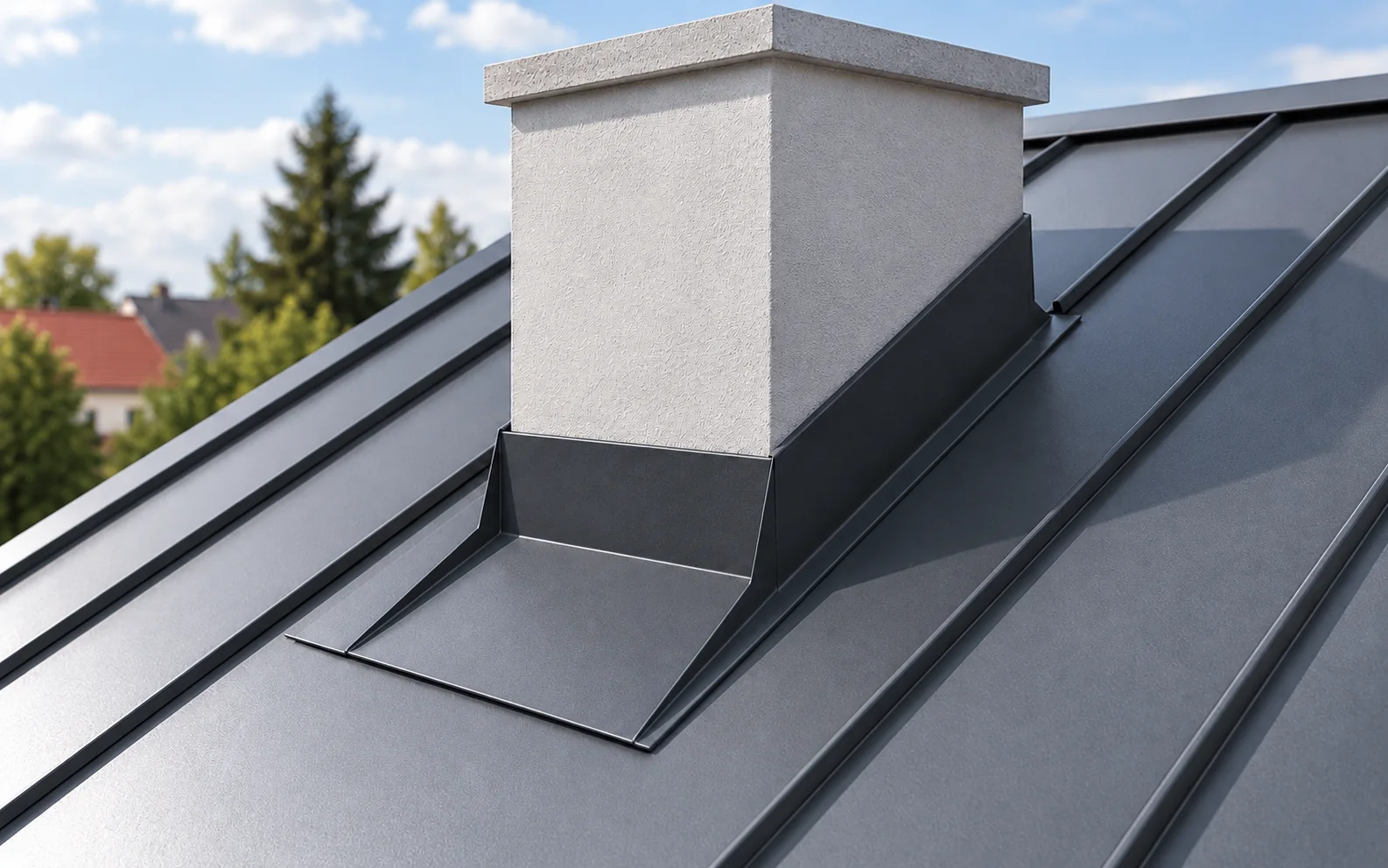
The answer to the question of flashing watertightness begins with understanding that a chimney interrupts the continuity of the roof slope and…
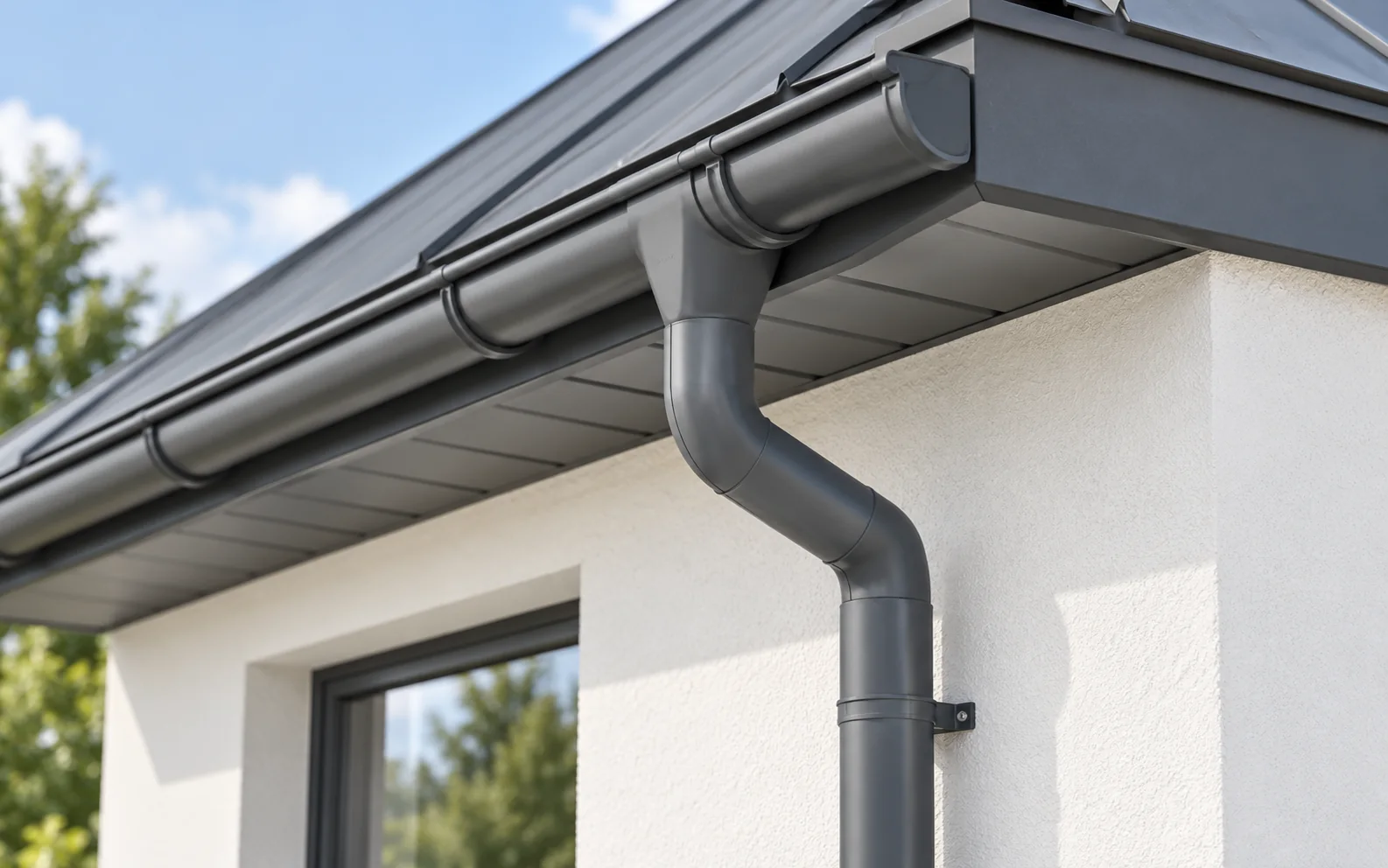
Gutters are selected primarily on the basis of the volume of water coming off the roof and the options for draining it…