

Renovation and maintenance
When can a roof be repaired, and when does the covering need replacing?
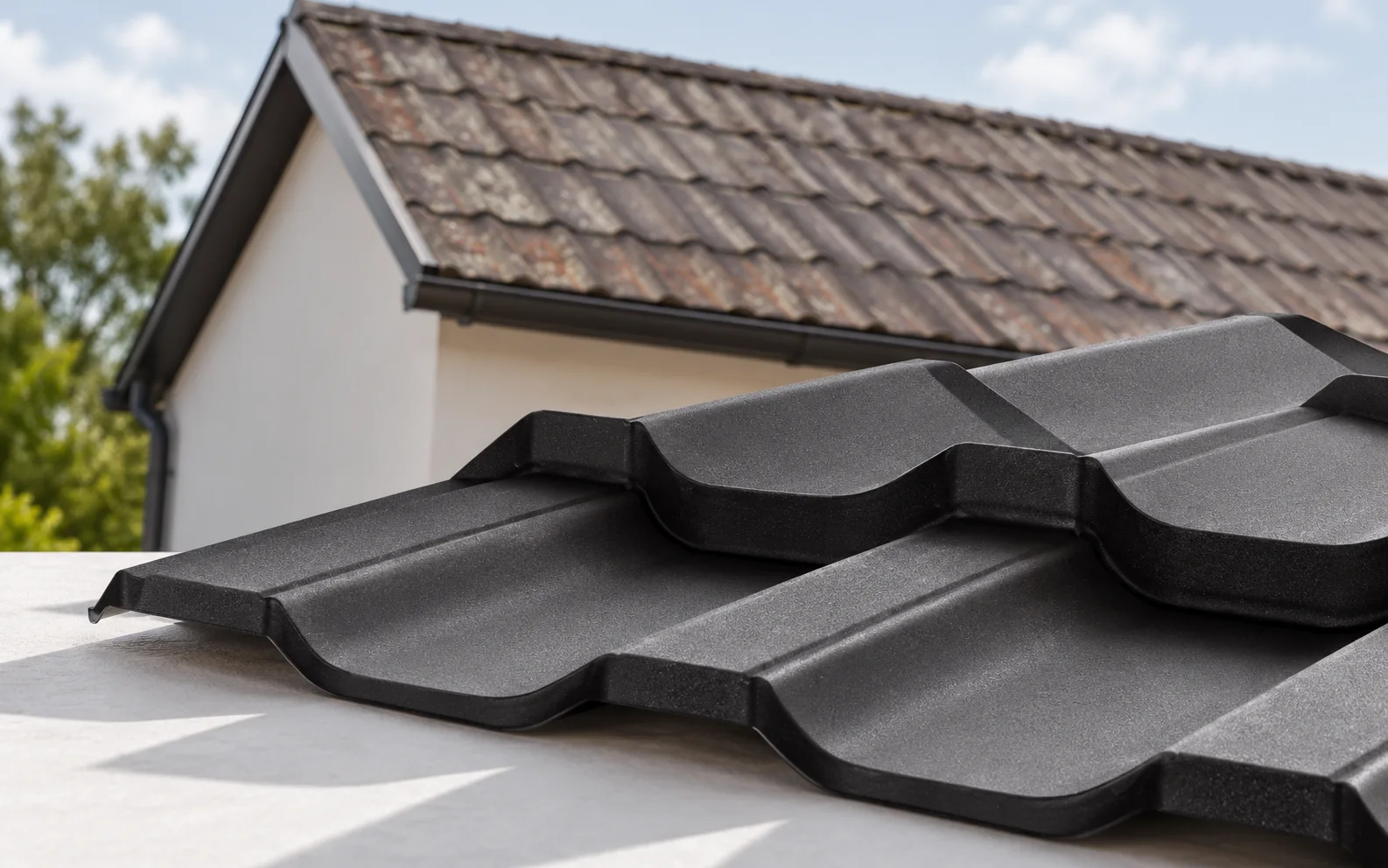
The decision depends on the extent of the damage, the condition of the structure and the cause of the problem. A single leaking flashing often calls for a local repair. Extensive corrosion, recurring leaks or worn layers may point to a larger renovation. The age of the roof is an indication, but does not in itself determine replacement. The inspection should cover the covering, flashings, fixings and any accessible layers from inside. Note when damp patches appear and whether their location changes. Water can travel along components, so a stain on the ceiling need not be directly beneath the leak. It is also worth checking the condition of the insulation and timber. A sound external surface does not rule out moisture beneath the sheet.
In this article
How to identify the true extent of the problem?
The inspection should cover the covering, flashings, fixings and any accessible layers from inside. Note when damp patches appear and whether their location changes. Water can travel along components, so a stain on the ceiling need not be directly beneath the leak.
It is also worth checking the condition of the insulation and timber. A sound external surface does not rule out moisture beneath the sheet. Conversely, dirt on the surface does not automatically mean worn sheet metal. Only once the cause has been identified can realistic options for repair and replacement be compared.
When does a local repair make sense?
When the defect is limited and the surrounding components remain sound. This may involve damaged flashing, a faulty fastener or a small scratch. The repair should remove the cause, not merely cover the trace. Materials must be compatible with the existing covering.
For example, rust around a metal filing left behind requires cleaning and assessment of the coating, not replacement of the entire roof slope. Perforation of the sheet is treated differently. In the case of local replacement, the actual profile, module and thickness must be matched. A similar colour or the designation T18 alone is not sufficient.
What indicates the need for a larger renovation?
Extensive loss of coating, numerous corrosion spots and loss of cross-section require a broader assessment. Likewise, recurring leaks in many areas may indicate a problem with the entire system. Repeated application of sealants can make diagnosis and subsequent correct connection more difficult.
Replacement of the covering may also be justified when layers beneath it that are difficult to access need repair. However, a sound roof should not be stripped without checking the possibility of local intervention. The scope, expected result and cost of both solutions are compared. The decision should be described in a way that can be verified.
Does the structure change the scope of the decision?
Yes. Damaged rafters, battens, purlins or connections require an assessment of load-bearing capacity. New sheet metal will not repair a weakened support. Even when the chosen covering is lightweight, the entire roof and the imposed loads must be taken into account. In the event of deformation, cosmetic renovation alone must not be relied upon.
When a change to a heavier system or the addition of an installation is planned, the structure must be checked. It is also worth assessing the geometry before ordering sheets. An uneven substrate can make tight installation difficult. Repairs carried out after it has been covered with new material will be more labour-intensive.

When is a renovation an opportunity to insulate?
Removing the covering can make it easier to install continuous insulation above the rafters. PIR can be useful when preserving space inside is important. However, the layer build-up must be recalculated and the heights at the eaves, chimney and windows refined. The additional thickness changes the roof details.
Wet insulation or damaged timber must not be sealed in with new layers. First the source of moisture is removed and the condition of the materials assessed. In some cases the problem is a leak from inside or a lack of proper ventilation. Replacing the covering alone will not be enough to improve these conditions.
How to calculate the cost without omitting important work?
The comparison includes dismantling, waste, substrate repair and the formation of new details. Add transport, safe access and protection of the building from rain to the material price. A local repair also involves organisational costs. A small area therefore does not always mean a proportionately small price.
The old covering must be identified before work begins. If it contains asbestos, it requires the proper procedure and a specialist contractor. It must not be cut, crushed or removed by oneself. How the material is handled affects the schedule and the cost of the renovation.
How to choose a scope that will give a lasting result?
Ask for a description of the defects with photographs and a justification for the proposed work. The quote should indicate which components remain and which will be replaced. It is worth planning acceptance after the layers have been exposed, when a fuller assessment is possible. Additional work should be agreed on the basis of that condition.
After completion, keep the documentation and servicing recommendations. If a leak was repaired, also check that the interior is drying out. The absence of a new stain on a sunny day does not confirm that the problem is solved. Real success means the cause has been removed and the roof can continue to be used safely.
Advice before ordering
Ask for two lists: defects in the covering and defects in the layers and structure. This separation helps to show whether the proposed replacement of the sheet metal removes the whole problem or only its most visible part.
What is worth remembering?
Repair is reasonable for a limited defect with sound surroundings. Replacement makes sense when wear covers a larger area or the layers beneath the covering need to be restored. The choice should be governed by the diagnosis and the full cost, not by the age of the roof alone or a first impression from the ground.
7 branches. Materials closer to your project.

Free quote
Materials for your project
You may also find useful…
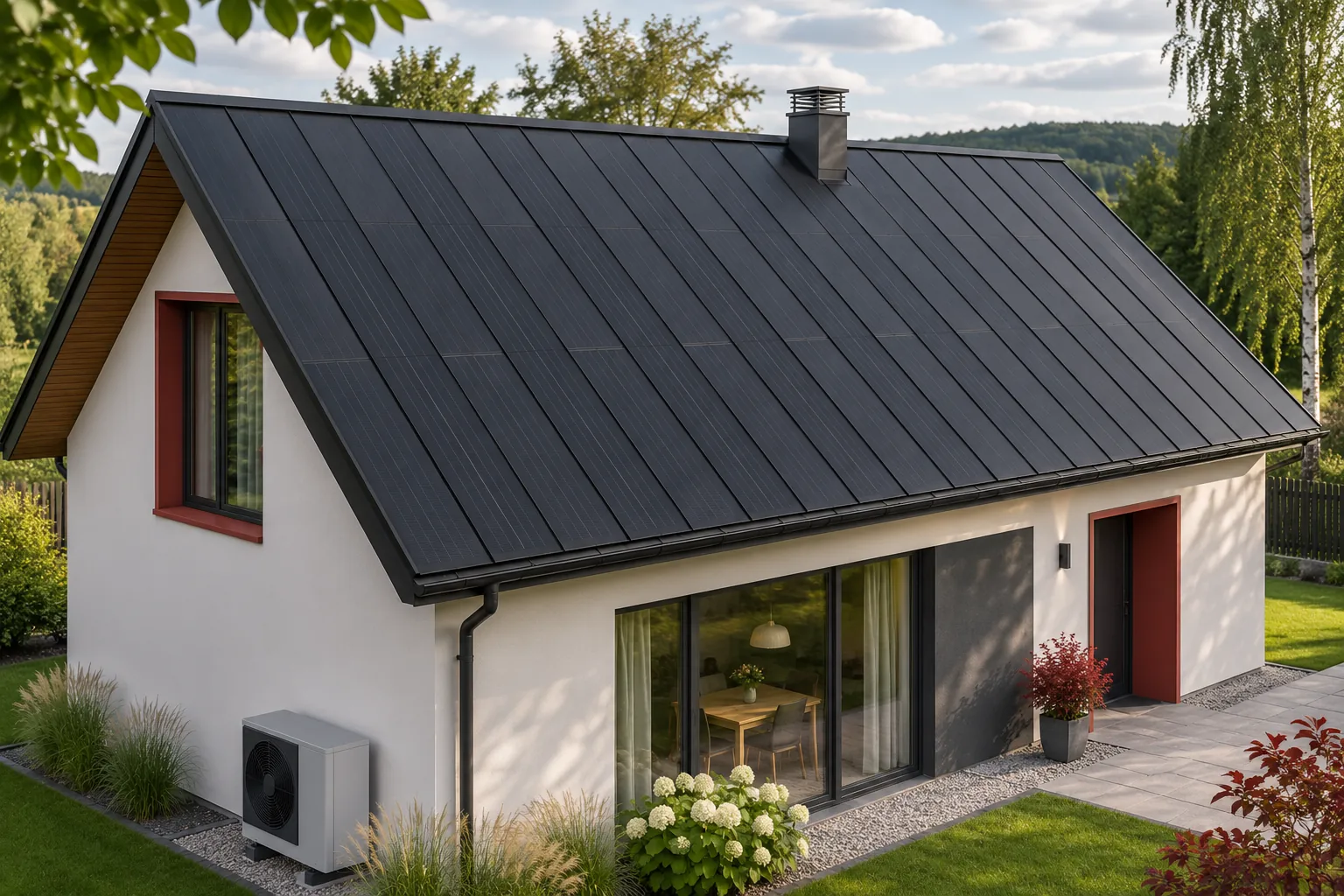
A heat pump needs electricity, and a photovoltaic roof can supply part of it. This is a good combination if both solutions…
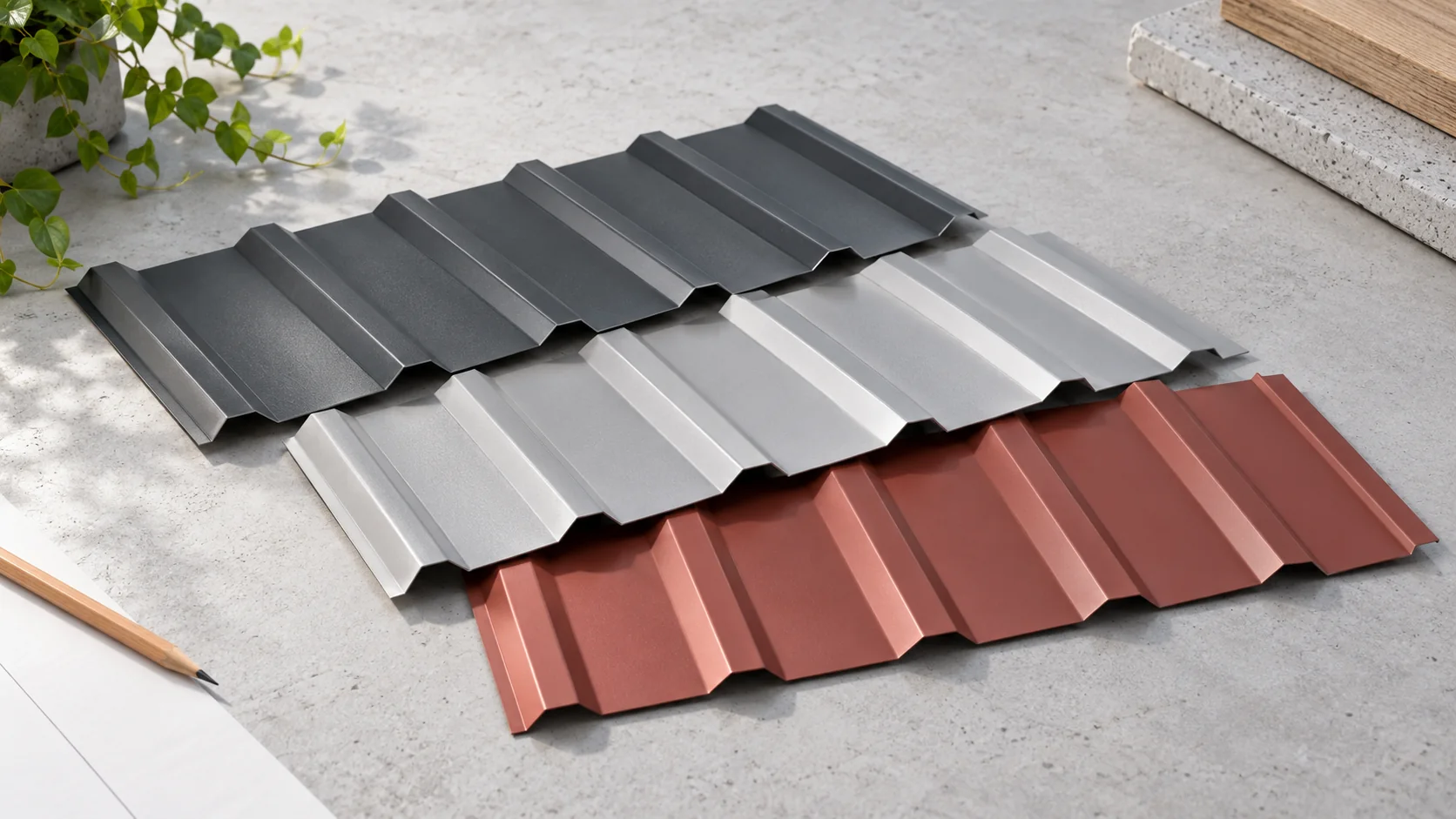
The colour of trapezoidal steel sheet changes how the whole building looks. When choosing it, consider how much sun the roof gets,…
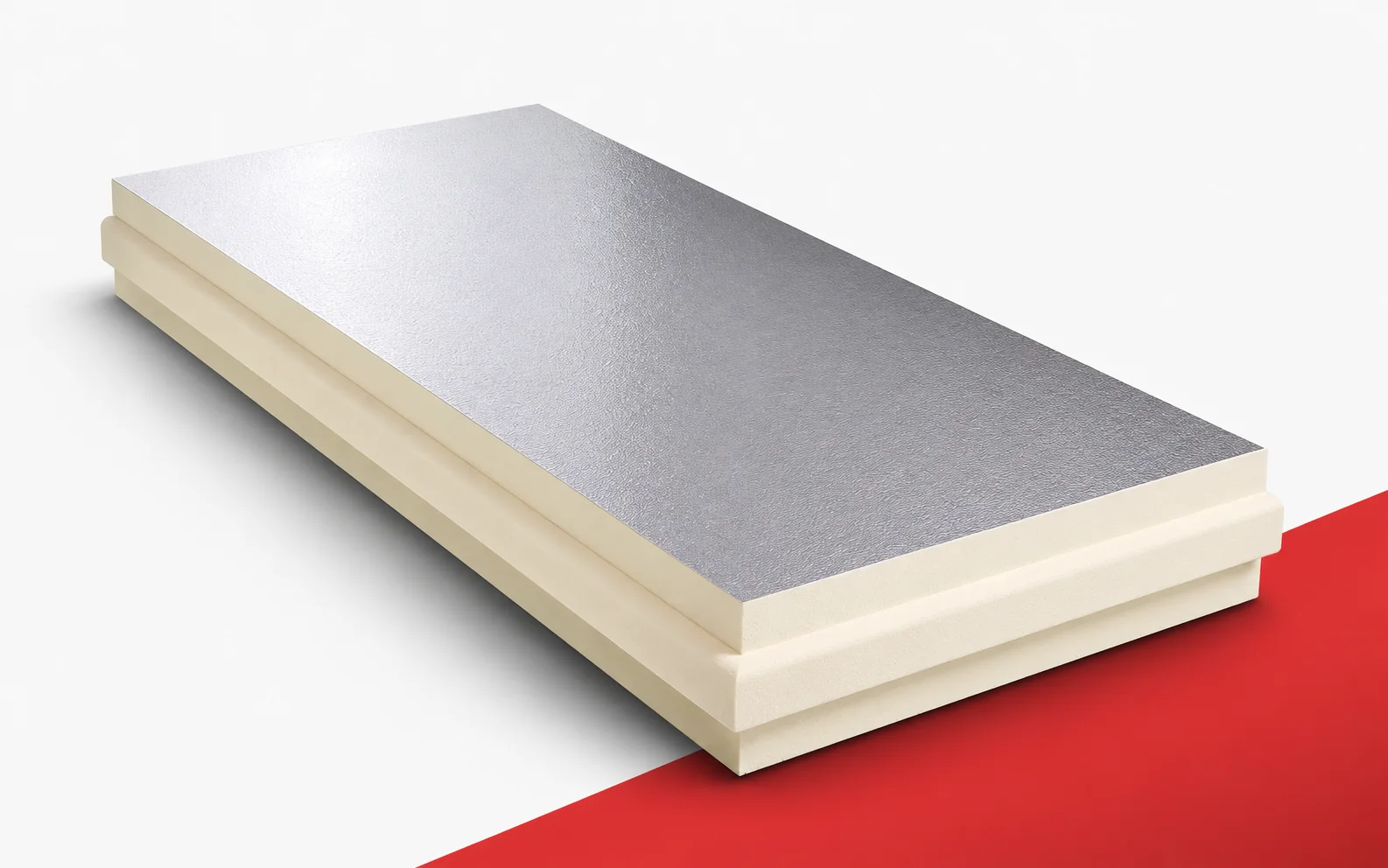
Insulation above the rafters can form a continuous layer outside the timber frame of the roof slope. Recticel Powerroof is intended for…
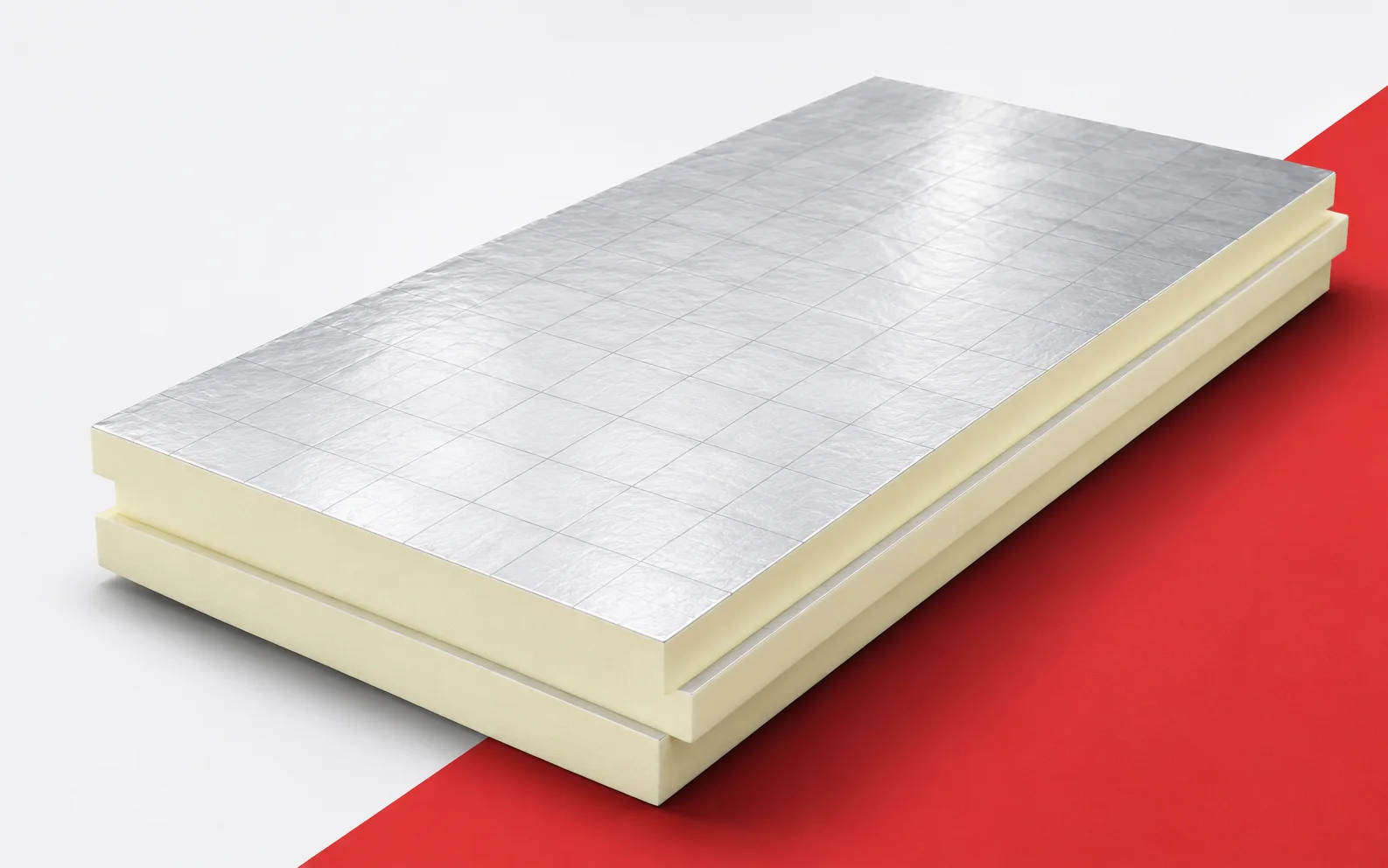
Insulation above the rafters allows the timber structure to be covered with a continuous layer. This is a useful characteristic of PIR…
The roof membrane is the second line of protection against moisture that penetrates beneath the outer covering. It is also responsible for…
Choose garage roof panel thickness according to how warm the space needs to be in winter and how it will be ventilated.…
In a collar-tie roof, pairs of rafters are connected by a horizontal collar tie. Such an arrangement can allow convenient use of…
Answering the question of how to plan and carry out roof insulation step by step requires first of all establishing the boundary…