

Halls and steel structures
Can a steel-framed building be dismantled and reassembled?
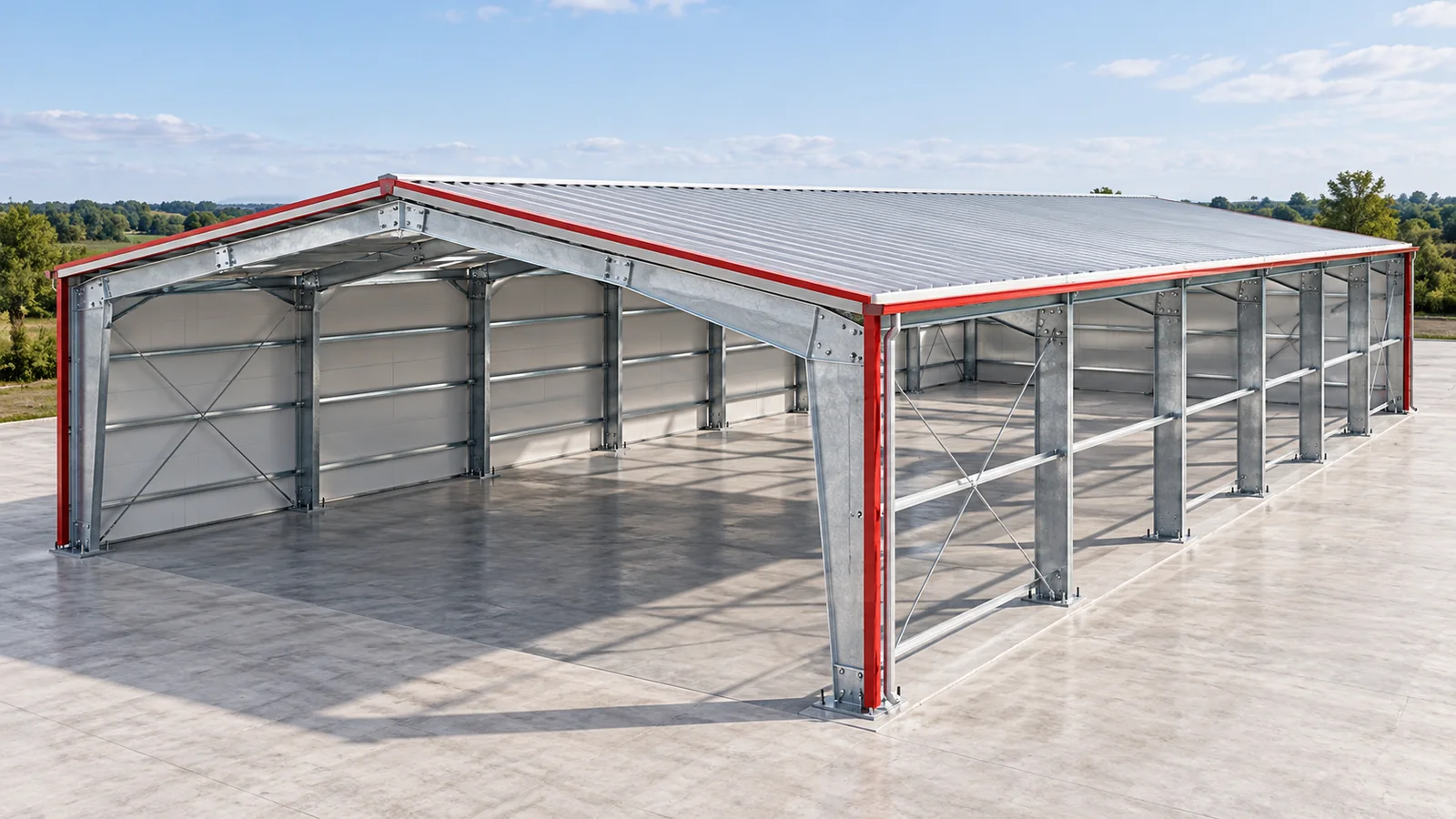
Bolted connections mean that some steel structures can be dismantled. That does not, however, mean that every hall can be moved unchanged to another plot. Reuse depends on the condition of the components, the documentation and the conditions at the new location. Dismantling a steel-framed building is best treated as a technical undertaking with its own design and budget, not as a reversal of assembly carried out by feel. A steel-framed building may contain components suitable for reuse, but not all parts will come through the process in the same condition. Damage, corrosion, modifications made and the way the building has been used all matter. A section unchanged since construction is assessed differently from a column with additional holes or signs of impact.
In this article
Dismantlability does not determine suitability
Modular steel structures make it easier to identify repeated components, provided the markings have been retained. Their dimensions and properties still need to be checked. A used hall should not be bought solely on the basis of its stated floor area. The value of the set depends on whether it can be safely matched to the planned task.
Documentation is part of the value
Drawings, calculations and material data help to assess whether a steel structure can be reused. Knowledge of the changes made during its service life is also needed. If documents are missing, establishing the condition may require measurements and testing. It is not always possible to reconstruct all the information in a simple way.
A steel-framed building on a new plot will be assessed under different conditions from before. Snow and wind loads, exposure and surroundings may change. The use may also be different. The mere fact that the building previously stood without visible problems does not confirm its suitability for the new location and new function.
Dismantling requires stability to be maintained
Removing the cladding, bracing and successive frames changes the way the whole system behaves. The stability of the steel structure must be ensured at every stage. The sequence is determined by a prepared plan that takes account of supports and safeguards. Work must not begin with the components that are easiest to unscrew simply because they are not the main columns.
In a steel-framed building, the cladding may contribute to the stabilisation of certain components if this was assumed in the design. Removing it may therefore matter for the remaining frame. The bracing rods also have a defined role. Dismantling is carried out taking account of weather conditions, equipment and safety zones.
What about panels and connections?
Cladding made of sandwich panels may be damaged during separation, lifting or transport. Its edges, facings, core and the condition of the connections need to be assessed. Reuse should not be based solely on the appearance of the surface. For a steel-framed building, the ability to restore weathertightness and correct fixing also matters.
Fasteners are subject to their own assessment rules. It should not automatically be assumed that every bolt, seal or connector can be reused. Some of them may need to be replaced. Likewise, flashings tailored to the former shape will not always fit the new one. These items must be included in the costs before the set is purchased.


Foundations remain a separate task
A new steel-framed building needs a foundation suited to the ground and to the reactions of the structure. Moving the columns does not mean the foundations of the old building can be copied. Different ground conditions may require a different solution. The base plates and the anchoring design must also be checked.
Foundations should not be built on the basis of approximate dimensions of a used set. The geometry and distribution of forces must first be confirmed. Steel structures require alignment of axes and levels. An error revealed only during assembly can swallow up the saving for which reuse of the components was chosen.
Calculate the entire relocation process
The budget should cover condition assessment, documentation, dismantling, transport, storage, repairs and assembly. New foundations, flashings and components requiring replacement are added. Only then can the used option be compared with a new steel-framed building. A low price for the profiles alone does not determine a favourable cost for the finished building.
Before buying, ask for a list of components and a description of the modifications made. Check whether all bracing and connection parts are included in the set. Confirm the dimensions of the steel-framed building by measurement before preparing the new foundation. Plan the marking of each component before it is detached. The steel structure must be stored in such a way that its condition does not deteriorate. Include coating repairs together with surface preparation.
Separate the components assessed as suitable from those requiring further checking. Do not promise that all panels will be preserved before assessing how they are to be dismantled. Transport, too, can cause damage. Markings should remain legible. A reclaimed steel-framed building can be a sensible solution if its suitability has genuinely been confirmed.
The reuse design should take account of the building’s function and the available equipment.
7 branches. Materials closer to your project.

Free quote
Materials for your project
You may also find useful…
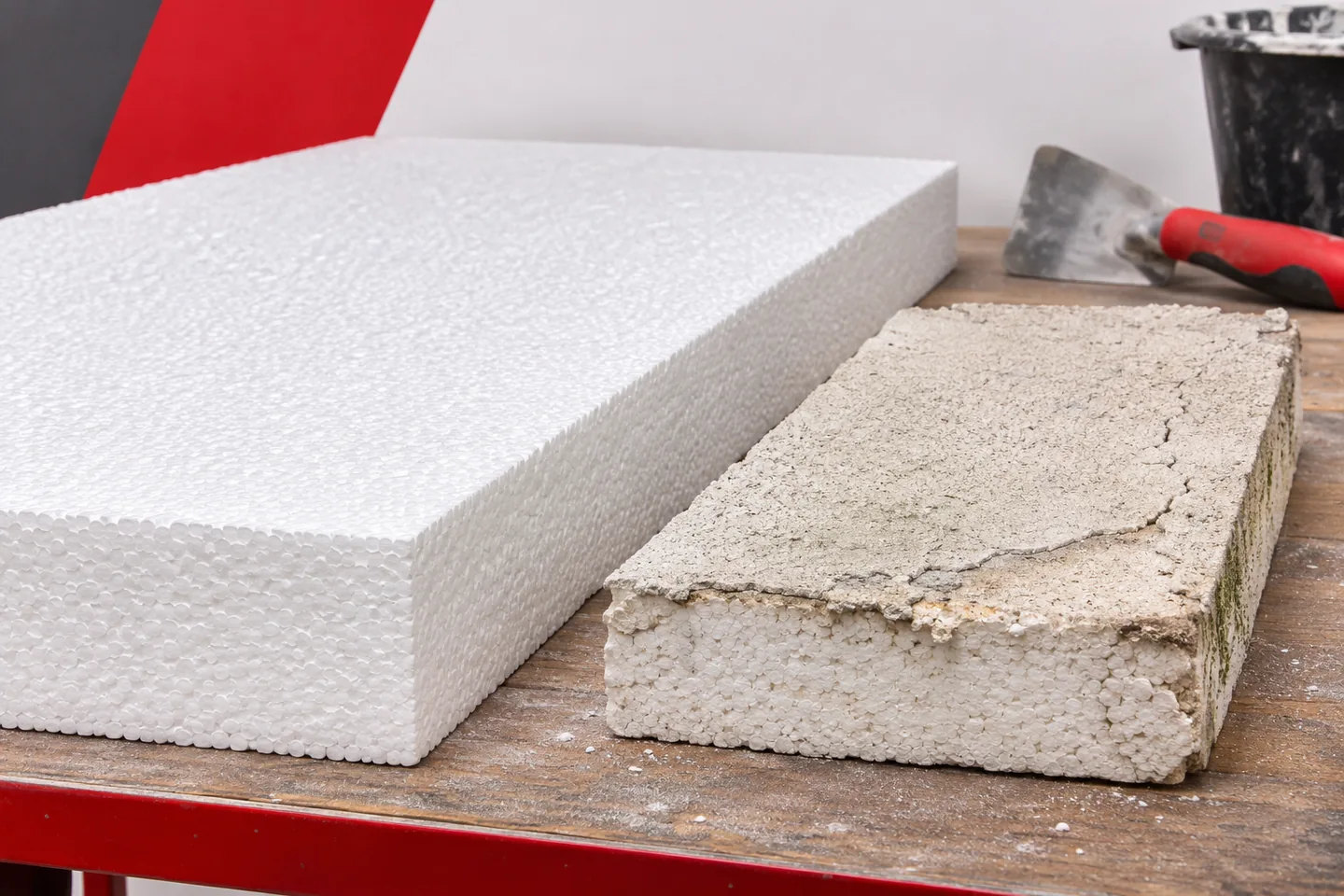
Existing wall insulation does not always need stripping off, but adding another layer is not always safe either. Before choosing a repair,…
To budget for a roof in 2026, mark on the drawings where the quotation starts and ends. Installing a covering on an…
Repetitive elements, a digital design and well-chosen insulation can shorten some of the work and reduce the number of improvised details. Sandwich…
A roof with 200 m² of sloping surface can require more than 200 m² of trapezoidal steel sheet. The quantity depends on…
When choosing a supplier for an industrial building envelope, ask them to show how their quotation covers a corner, an opening and…
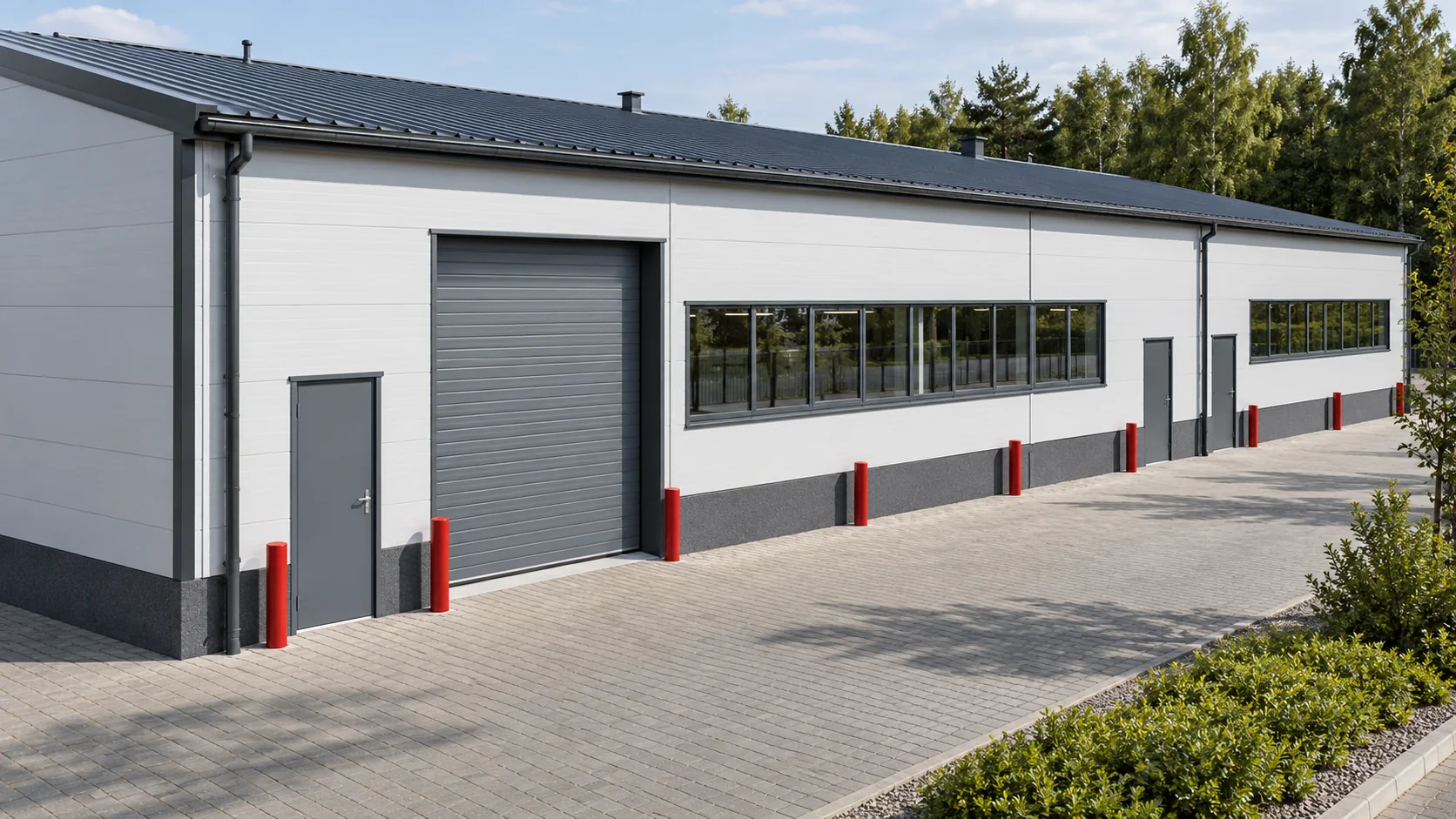
The price per square metre of sandwich panel reflects decisions made well before a discount is negotiated. Match the panels to the…
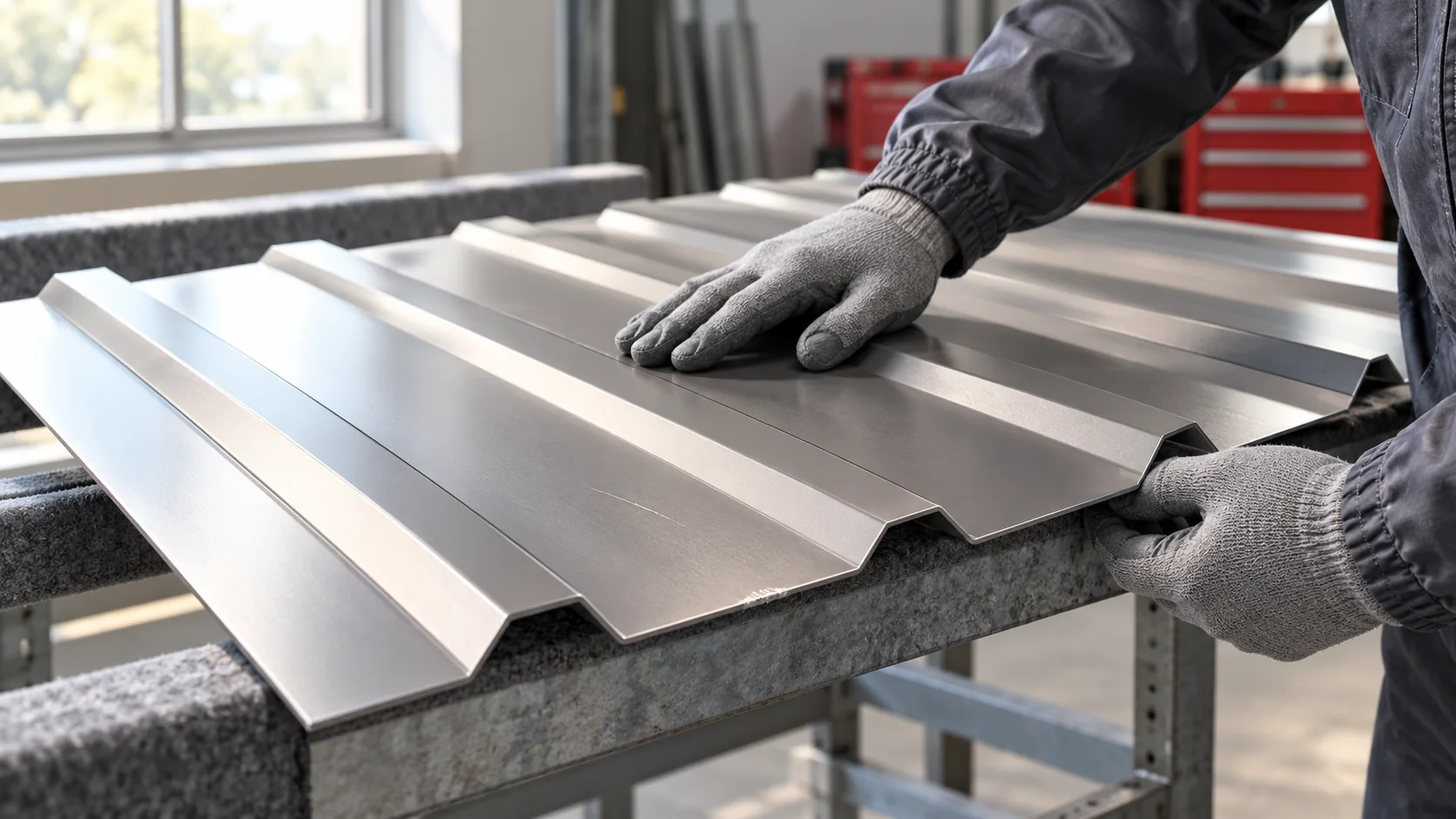
Second-quality trapezoidal steel sheets can be discounted for very different reasons. Before comparing prices, find out why the particular sheets were downgraded.…
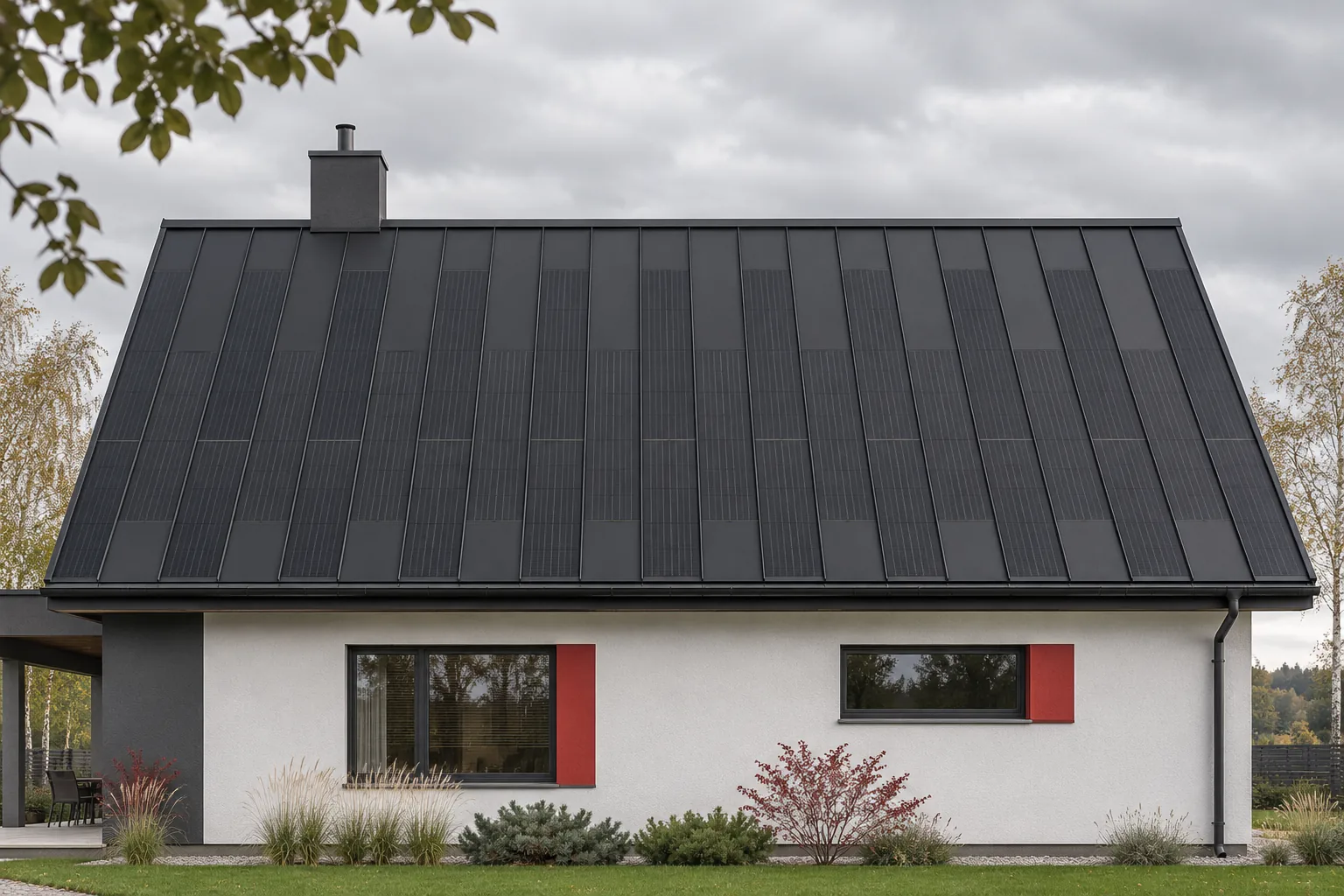
A steel roof with integrated photovoltaics can be an interesting alternative to heavier coverings combined with a separate installation. Its mass must…