

Polystyrene and insulation
Does EPS insulation cause damp or mould in a house?
Polystyrene alone is not a sufficient explanation for damp and mould in a house. The source of the water, the ventilation and the surface temperature of the walls all need to be checked. Well-designed external insulation can reduce the risk of condensation, but it does not eliminate leaks. Before renovating, it is worth identifying the cause rather than replacing a material on the basis of a single symptom. Water vapour is produced by cooking, bathing, drying laundry and the ordinary use of a home. Water can also enter the building from a leaking roof, from services or from the ground. These are different routes by which dampness arises. A wet patch under a gutter requires a different repair from a damp corner in a poorly ventilated bedroom. Insulation should not come before establishing the source of the problem.
In this article
Where does damp in rooms come from?
If the masonry is constantly supplied with water, covering it with a new layer will make observation more difficult. It is also worth checking when the patches appear. A link with rain, frost or the way the room is used is a clue, although in itself it is not a full diagnosis.
What does a cold wall have to do with condensation?
At the same vapour content, cooling the air at the surface raises its relative humidity. When the surface is sufficiently cold, condensation may occur. The risk of mould growth does not require visible water droplets, however. Persistently elevated humidity at the surface also matters.
External insulation usually raises the temperature of the inner surface of the masonry during the heating season. It can therefore reduce one of the risk factors. The effect depends, however, on the continuity of the layer. An uninsulated reveal, ring beam or connection to the floor slab may remain colder than the rest of the wall, even when its centre has good thermal resistance.
Does a wall have to breathe instead of ventilation?
The term “breathing walls” mixes different phenomena. The transmission of vapour through materials is not the same as air exchange in a room. Moisture from use is removed above all by effective ventilation. A wall should not be expected to take over this function, regardless of which insulating material has been applied on the outside.
EPS resists vapour diffusion, but this does not automatically mean the wall is faulty. What matters is the arrangement of all the layers and the conditions on both sides. Nor can every building component with a more vapour-permeable material be regarded as safe. The position of the layers, the initial moisture and the possibility of drying out require separate assessment.
Why does the problem sometimes become visible after renovation?
Energy-efficient renovation often includes sealing the windows or replacing the joinery at the same time. Unplanned air supply may then decrease. If ventilation previously relied on leaks, its inadequacy becomes apparent after the renovation. Coincidence in time does not prove that the cause is the EPS board bonded to the masonry.
Added to this is construction moisture from new plasters and screeds. The building needs conditions in which it can dry out. It is worth checking the supply air, the extract air and the flow paths between rooms. Ventilation required for the safe operation of fuel-burning appliances should not be restricted without expert advice. Such a system should be assessed by a suitably qualified specialist.
How can the cause be checked before repair?
Measurements of temperature and humidity over time, an inspection of the services and a check of places exposed to rain are useful. A thermal imaging survey can indicate cooler areas, but the result depends on the measurement conditions. The camera does not automatically determine whether the cause is a lack of EPS, moisture in the masonry or a leaking connection.
In more difficult cases a hygrothermal analysis is needed. Internal insulation requires particular care, because it changes the temperature of the existing masonry and its ability to dry out. Selecting a material on the basis of lambda alone is not sufficient here. The mechanism of the problem and a realistic way of removing it must first be established.
How can a lasting solution be planned?
If the cause is a leak, the repair begins with cutting off the water supply. If the problem is a cold detail, its insulation needs to be improved. Where ventilation is inadequate, proper air exchange must be ensured. Removing the film and repainting without such action may give only a short-lived cosmetic effect.
Polystyrene for correctly designed building components is offered by, among others, Termo Organika, Styropmin, Knauf Therm and Austrotherm. The choice of a particular grade is determined by the conditions of use and the documentation.
After the renovation, monitor the difficult places for the following season. Do not permanently conceal a cold corner with tightly fitted built-in furniture without assessing the conditions. Ensure that the ventilation works regularly and that leaks are dealt with promptly. Effective protection against damp results from the interaction of insulation, airtightness and the way the house is used.
7 branches. Materials closer to your project.

Free quote
Materials for your project
You may also find useful…
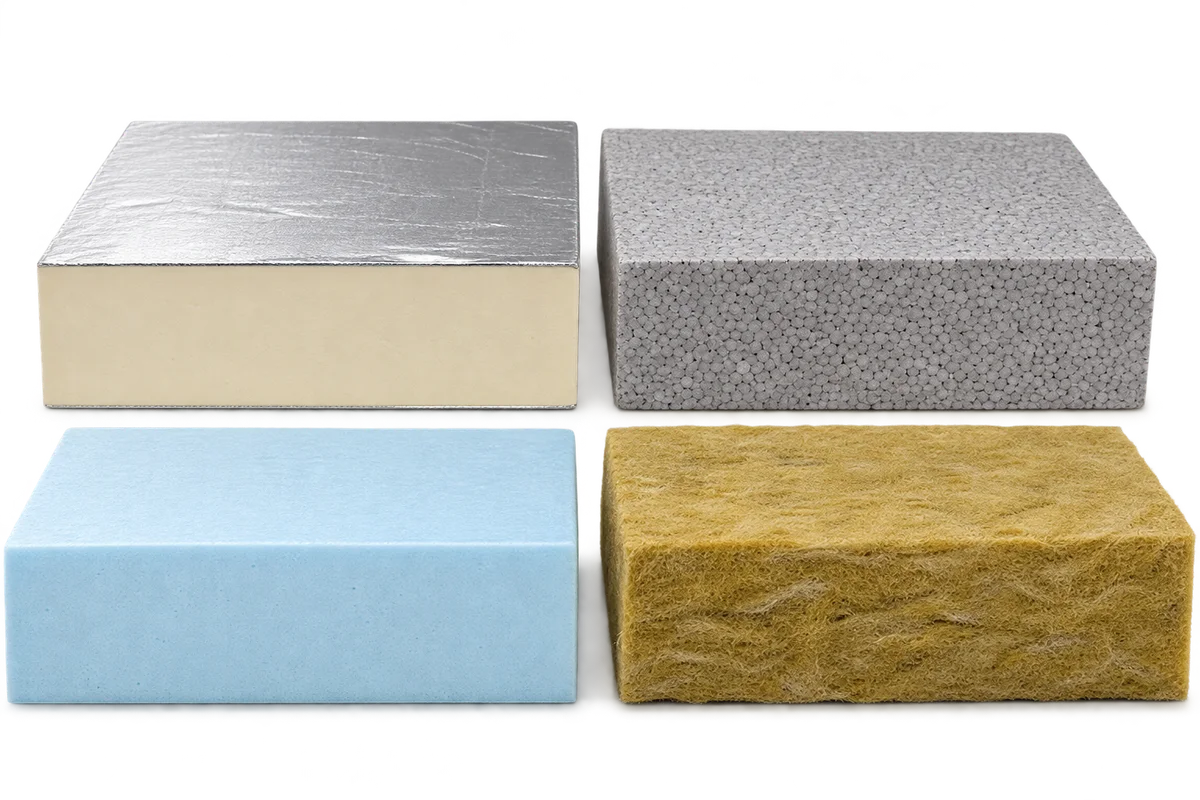
Insulation has a different job in each part of a house. PIR is useful where thickness is limited. EPS comes in grades…
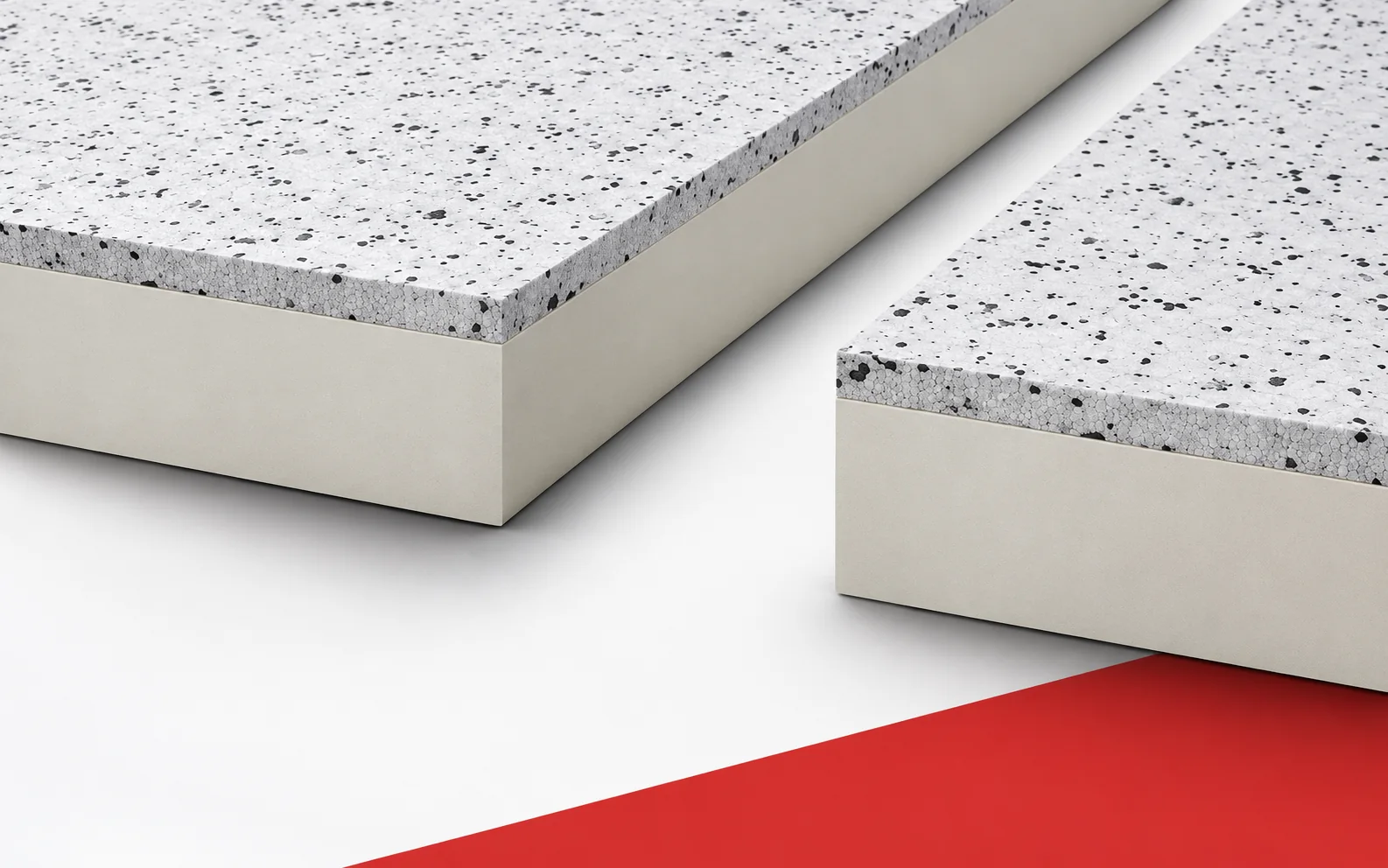
Thermano ETICS combines the low thermal conductivity of PIR with an outer layer of EPS. This solution is intended to help in…
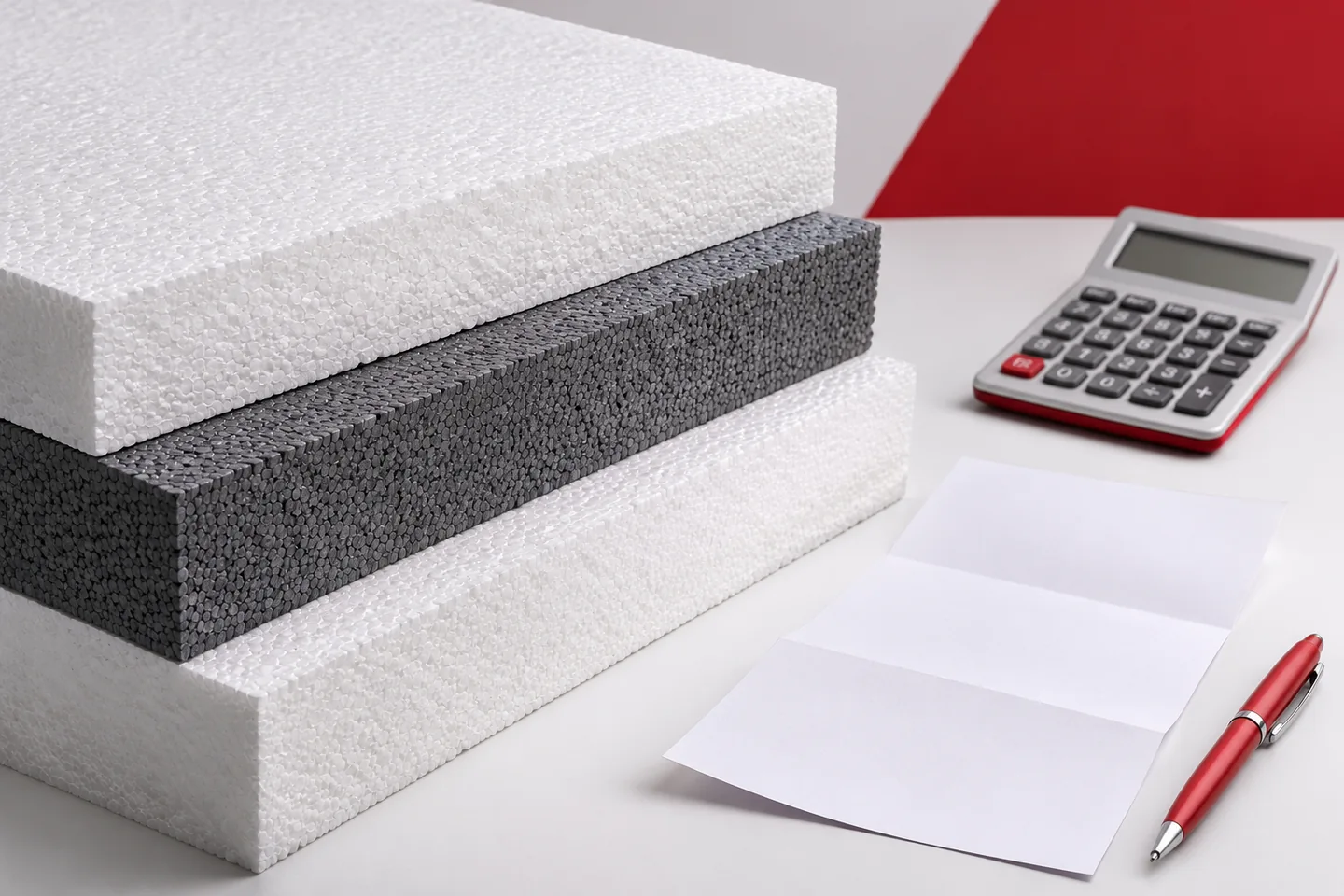
EPS price comparisons make sense only at similar thermal performance and for compatible applications. A cheaper cubic metre may require a thicker…
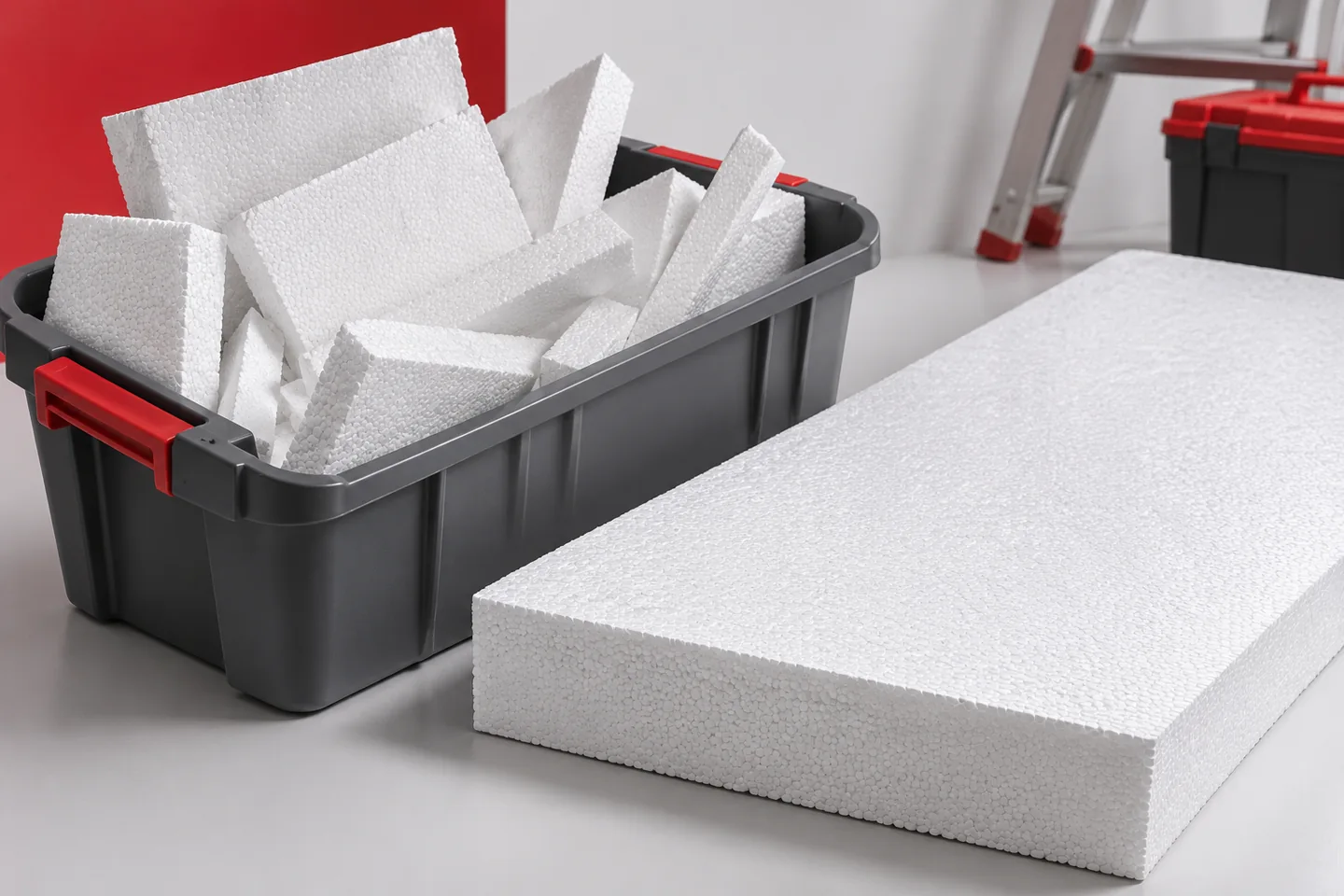
EPS can be recycled, but the route by which the waste is managed depends on its origin and purity. Offcuts from installation…
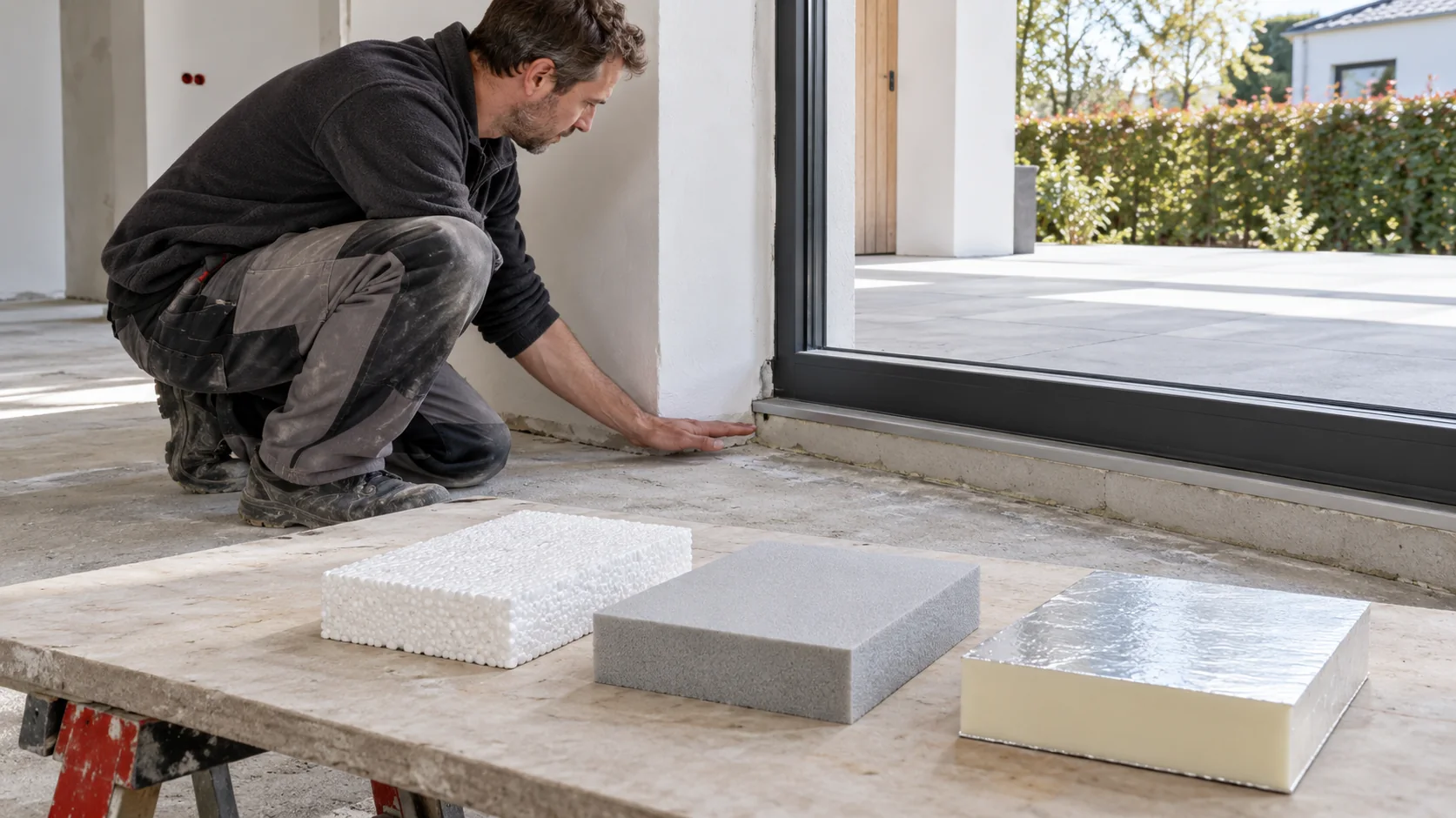
No single insulation material is best throughout a house. On a façade the render system matters, in a floor the loading, and…
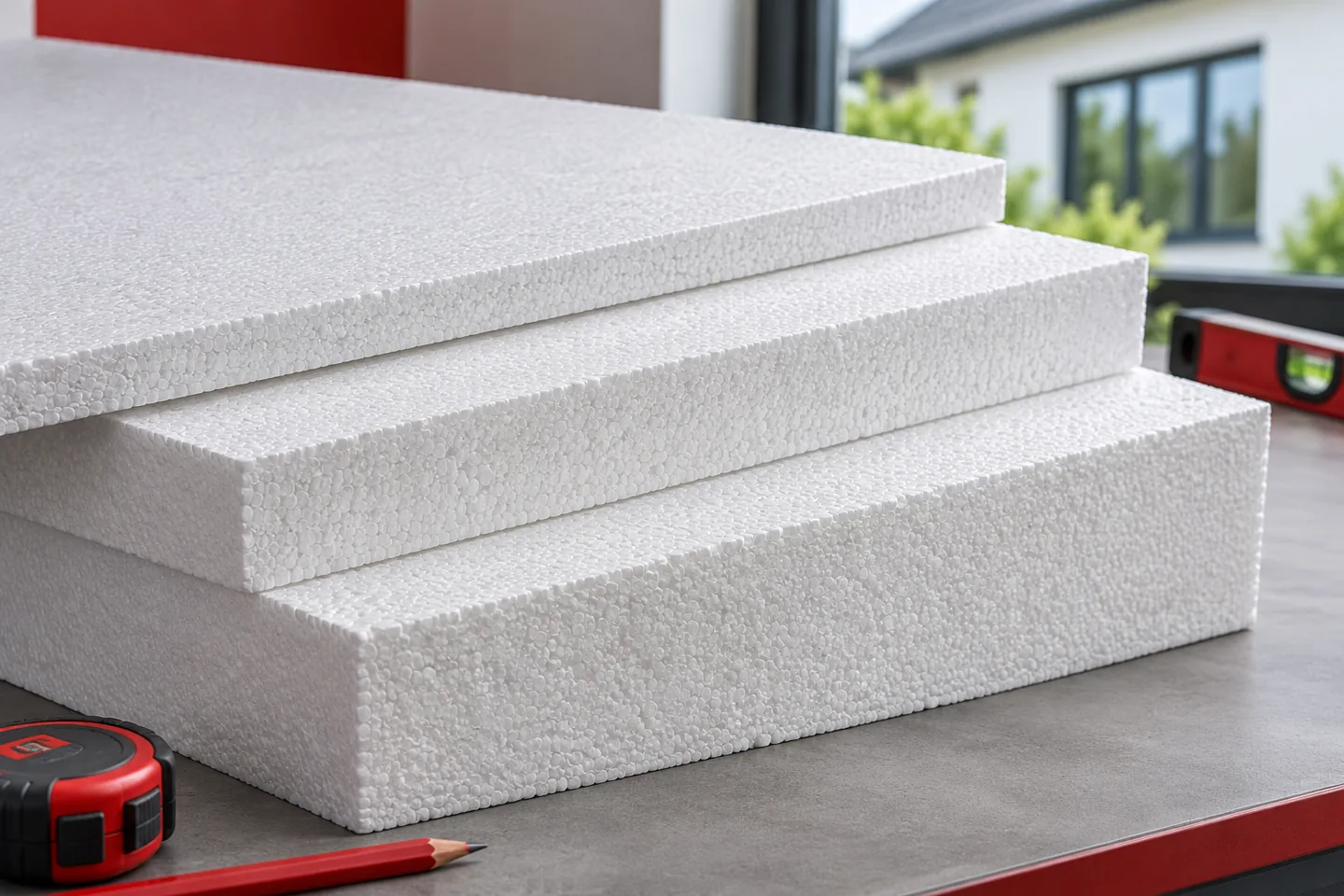
A thicker layer of polystyrene reduces heat transfer through a correctly constructed building element. Each additional centimetre, however, brings a progressively smaller…
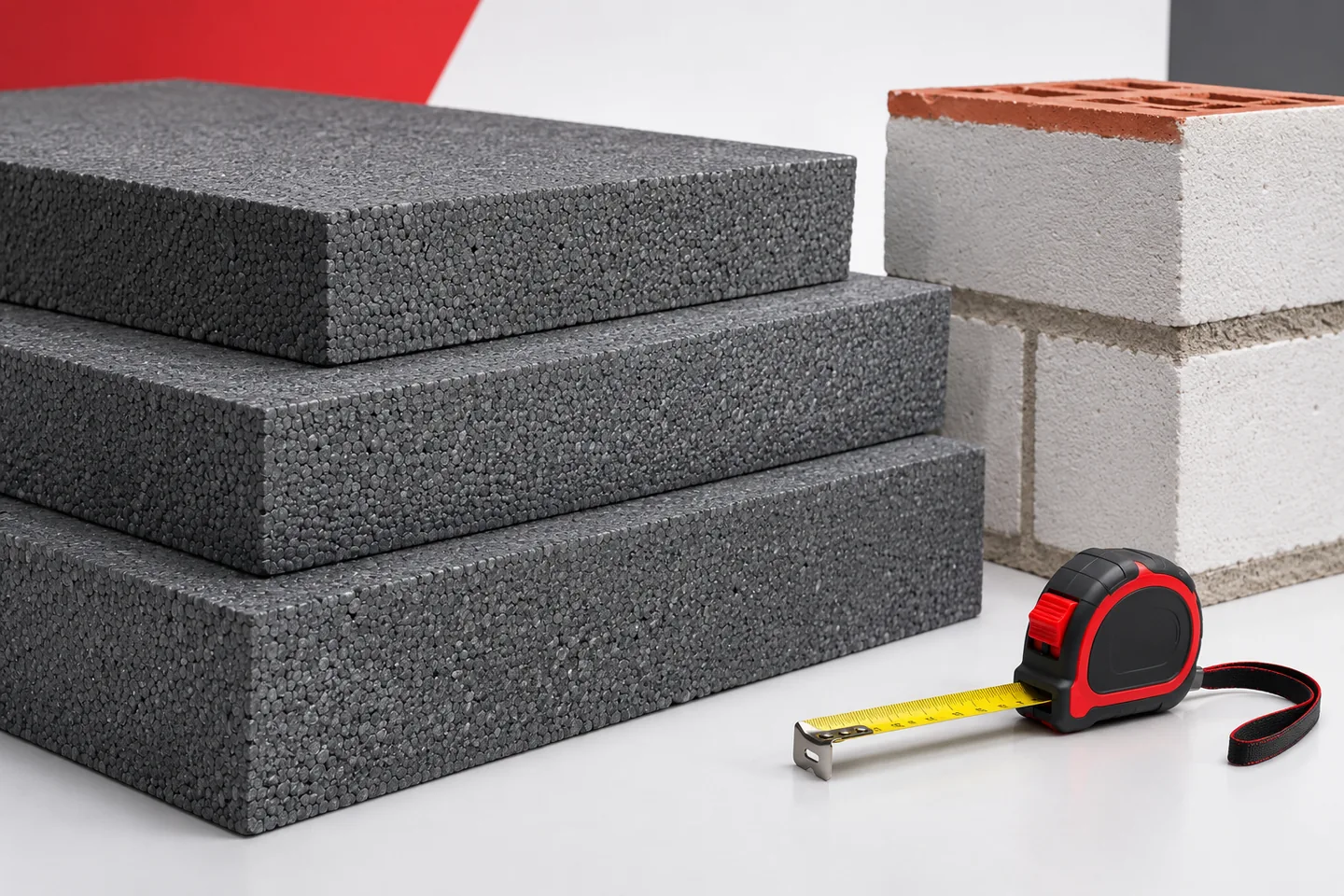
The question of how much polystyrene is needed has two parts. First, the thickness required to achieve proper thermal protection must be…
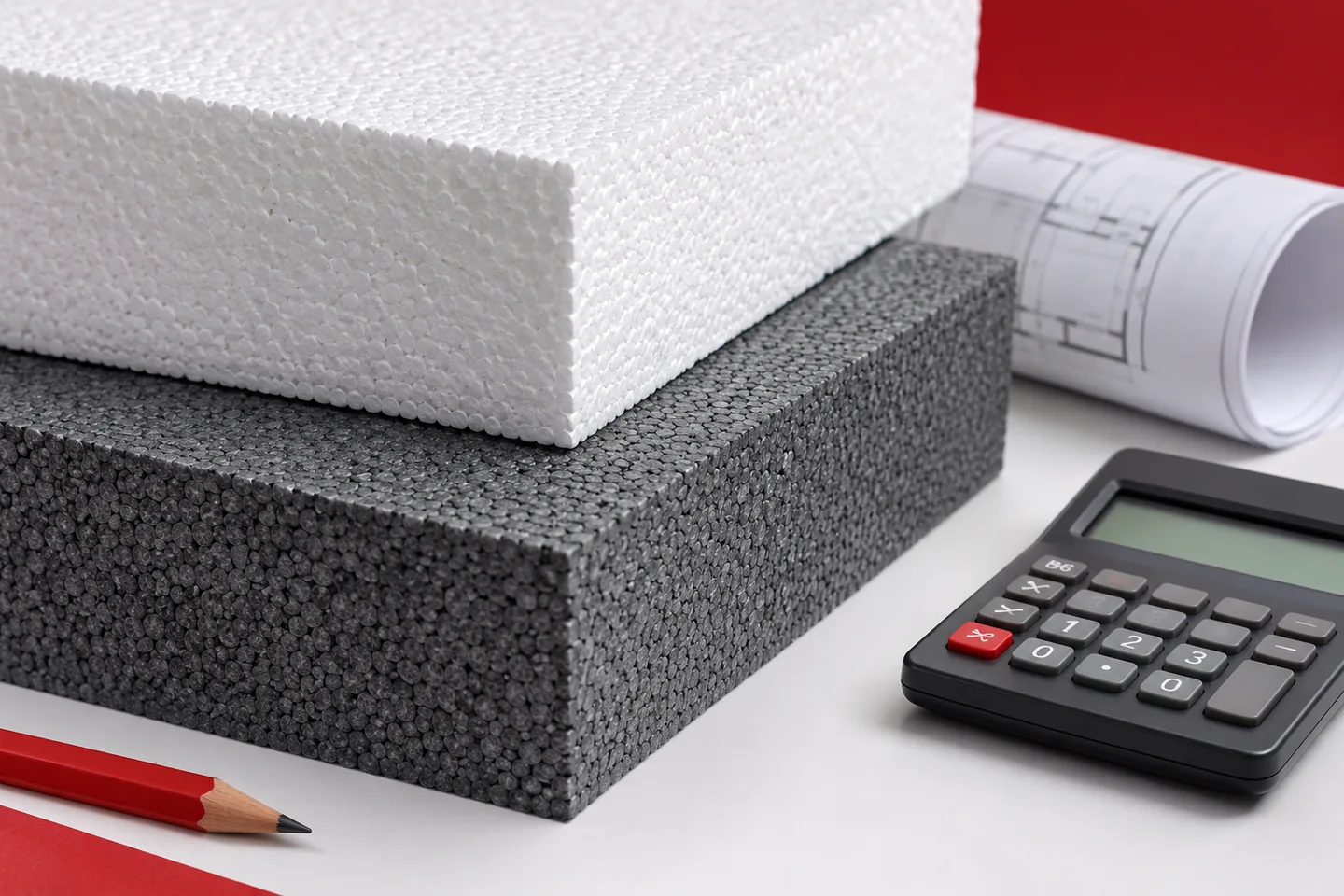
Changing conductivity from 0.040 to 0.031 W/(m·K) increases the thermal resistance of EPS at the same thickness. It may also permit thinner…