

Polystyrene and insulation
Can EPS offcuts and insulation removed during renovation be recycled?
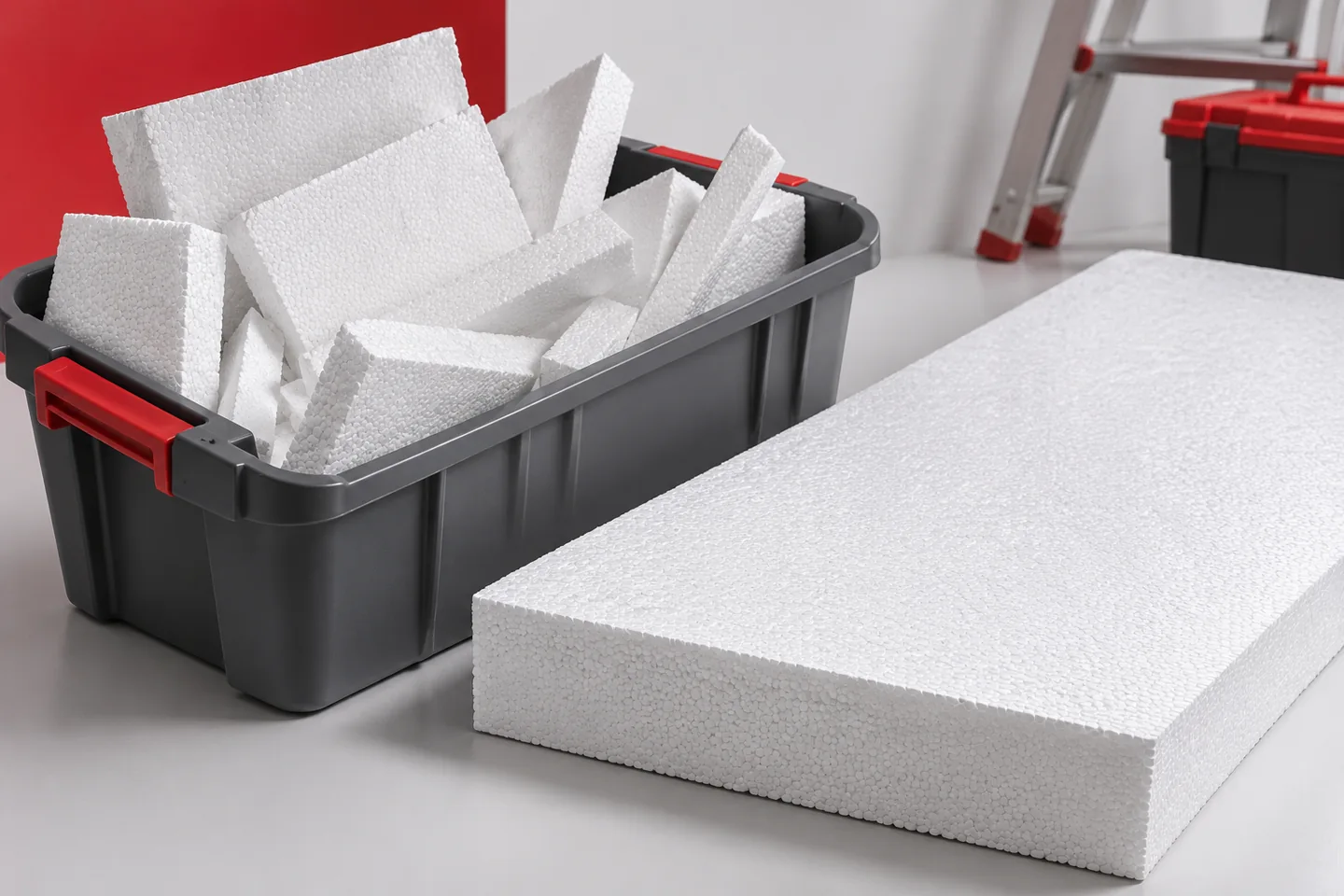
EPS can be recycled, but the route by which the waste is managed depends on its origin and purity. Offcuts from installation are a different material from boards with adhesive and render after demolition. It is worth agreeing collection before work begins. Separate collection reduces mess and makes recovery easier, but it does not mean that every collector will accept every batch. Polystyrene from equipment packaging and thermal insulation boards may look similar, yet they come from different waste streams. One should not assume that a clean offcut from insulating a house can be disposed of in the same way as packaging. The rules specific to the waste in question and the collector’s terms and conditions determine how it is handed over.
In this article
Why must construction waste be distinguished from packaging?
During renovation it is worth separating packaging from building materials straight away. Films, cardboard, assembly foams and mortar residues should not go into the same bag as EPS. Sorting small pieces later can be difficult. The purity of the collected batch is very important for whether it can be processed further.
Which offcuts are easiest to hand over for recovery?
The simplest to manage are usually clean waste produced when cutting new boards. It should not be contaminated with adhesive, render, soil or other plastics. The collector may specify requirements regarding colour, bags and minimum quantity. These should be checked in advance instead of assuming that any mixture can simply be delivered.
Collect offcuts immediately at the cutting point. Light EPS is easily spread by the wind, and small granules are difficult to remove later from soil and plants. Closed bags and a sheltered work area help keep the material in suitable condition. It should not be deliberately crushed just so that it fits into the container more quickly.
What happens to polystyrene in recycling?
Depending on the technology, EPS may be shredded and used as a raw material for further products or compacted before further processing. Various material processes are possible. The choice depends on purity, composition and the available facility. The fact that a material is technically processable does not guarantee that it can be collected locally.
Recycling is not the same as energy recovery. Incineration in a suitable facility and reuse of the raw material are different routes. They should not be combined under a single slogan of a one-hundred-per-cent closed loop. Honest information should state what will actually happen to a specific batch and what conditions it must meet.
Why is demolition waste more difficult?
Old boards may contain residues of mortar, mesh, render, coatings and fasteners. They are also often soiled or mixed with other materials. Preparing them for recycling requires more work and the right technology. That is why a facility accepting clean offcuts from new construction may refuse waste from a dismantled façade.
The origin and age of the material also matter. For older insulation, the possible presence of additives used in the past must be taken into account. It is not worth deciding the composition oneself on the basis of appearance. A doubtful batch should be described to the collector and handed over in accordance with their requirements. It should not be mixed with clean raw material in order to conceal contamination.
How can waste be reduced before cutting?
Good measurement and a cutting plan reduce the number of unused fragments. It is worth arranging the installation sequence so that larger offcuts can be used where they are technically permissible. This does not mean building the whole façade from small pieces. The board layout around openings and the system requirements remain more important than saving offcuts.
A straight cut makes later fitting easier. The work area should limit scattering of the material and allow small particles to be collected. The choice of tool must take account of the instructions and the conditions for safe working. Waste should not be removed by dissolving it in random chemicals or by burning it on the construction site.
With whom should collection be agreed and what should be prepared?
Before the work, ask the contractor who is responsible for separating and handing over the waste. A possible collector is an authorised company, a manufacturer carrying on such activity or a suitable collection point, if it accepts this type of material under given terms. Availability is not the same for a private individual and a business. The conditions must be confirmed for the specific situation.
Well-known EPS manufacturers include Austrotherm, Knauf Therm, Termo Organika and Arbet. Merely naming a company does not mean that every one of its plants accepts waste from all customers.
When registering, state the origin, approximate volume and degree of contamination. Photographs can make it easier to agree collection. Plan space for bags and transport before dismantling begins. The best chance of sensible recovery comes from well-separated material whose properties are known and whose route of handover has been agreed in advance.
7 branches. Materials closer to your project.

Free quote
Materials for your project


You may also find useful…
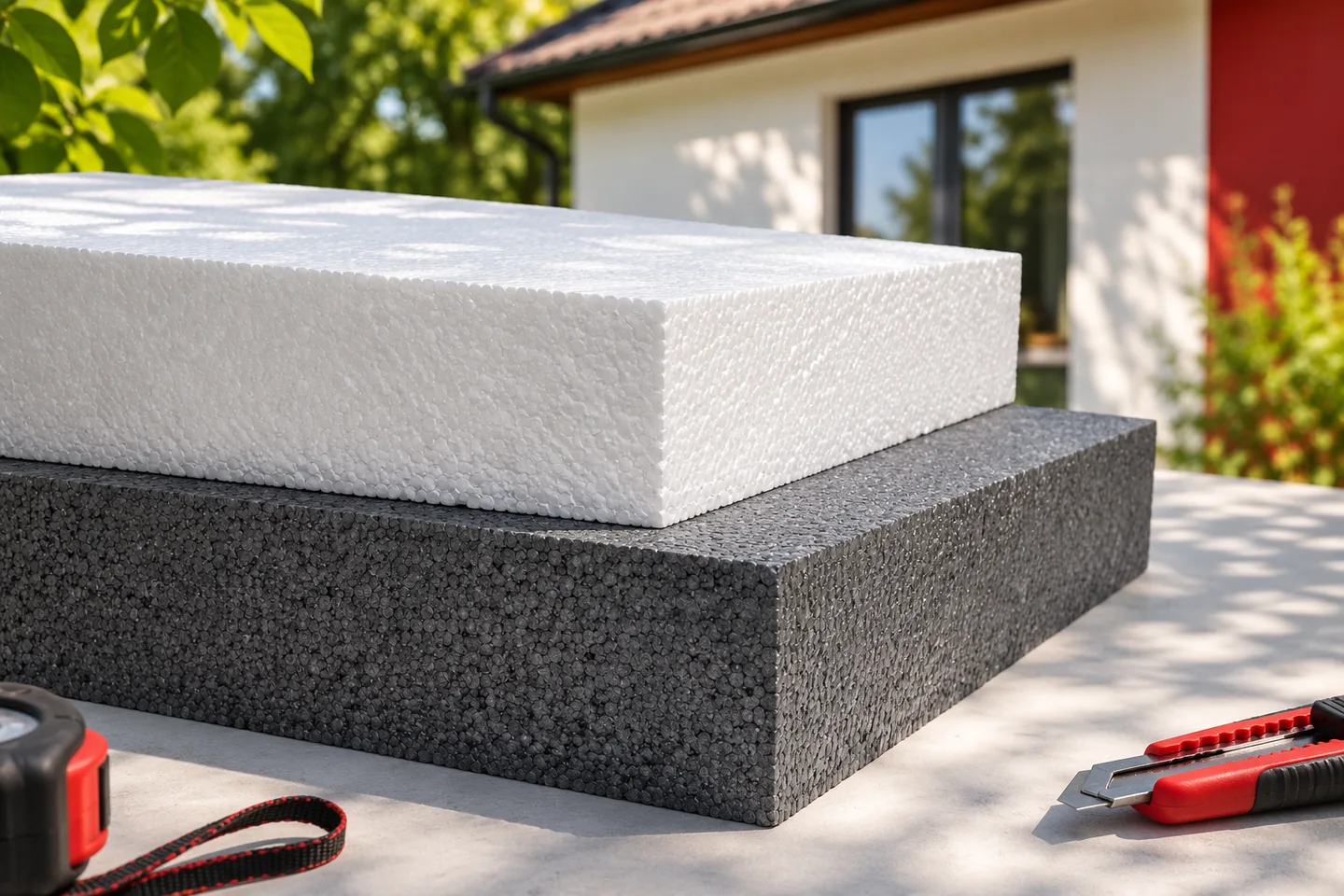
Yes, a well-insulated house can overheat in summer. Polystyrene slows the flow of heat, but it does not remove the energy entering…
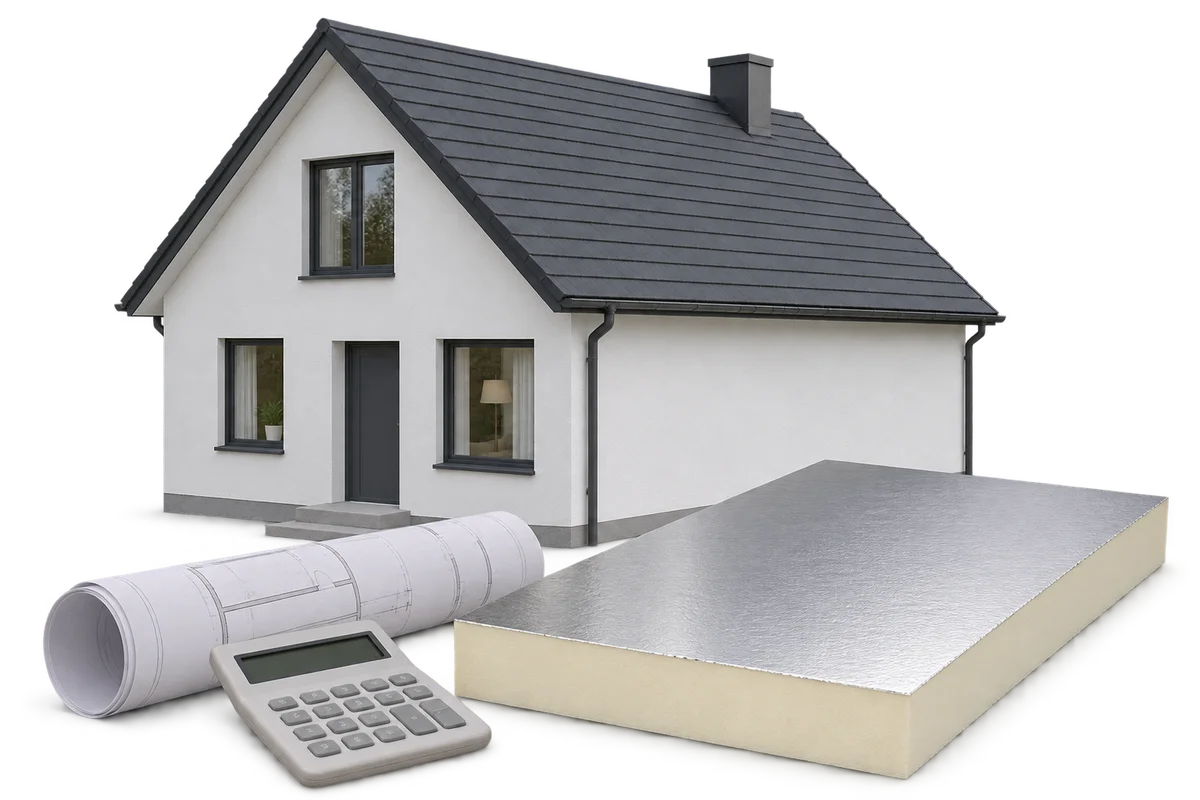
The cost of insulating a home includes materials, preparation, installation and finishing the junctions. The price per square metre of board tells…
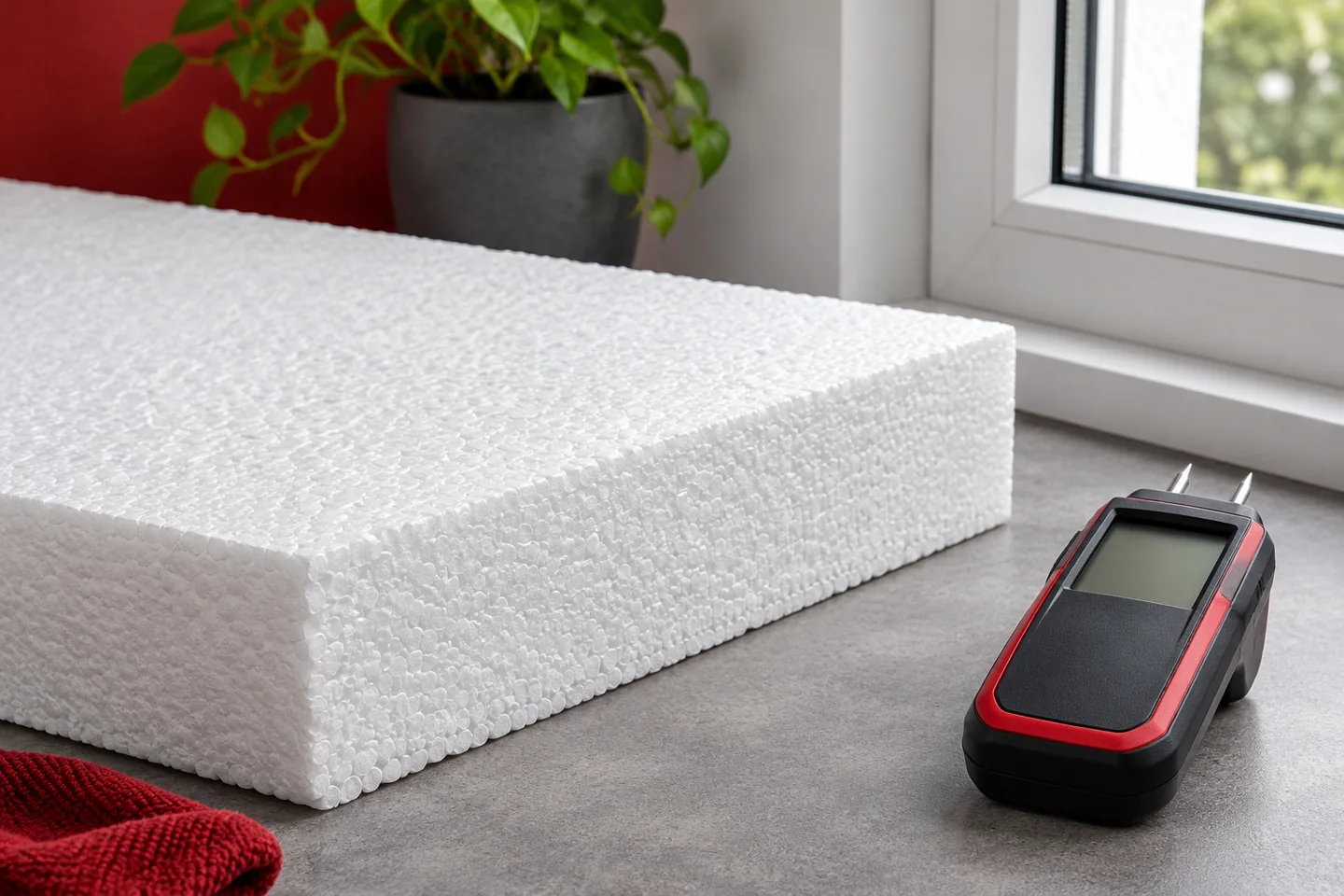
Polystyrene alone is not a sufficient explanation for damp and mould in a house. The source of the water, the ventilation and…
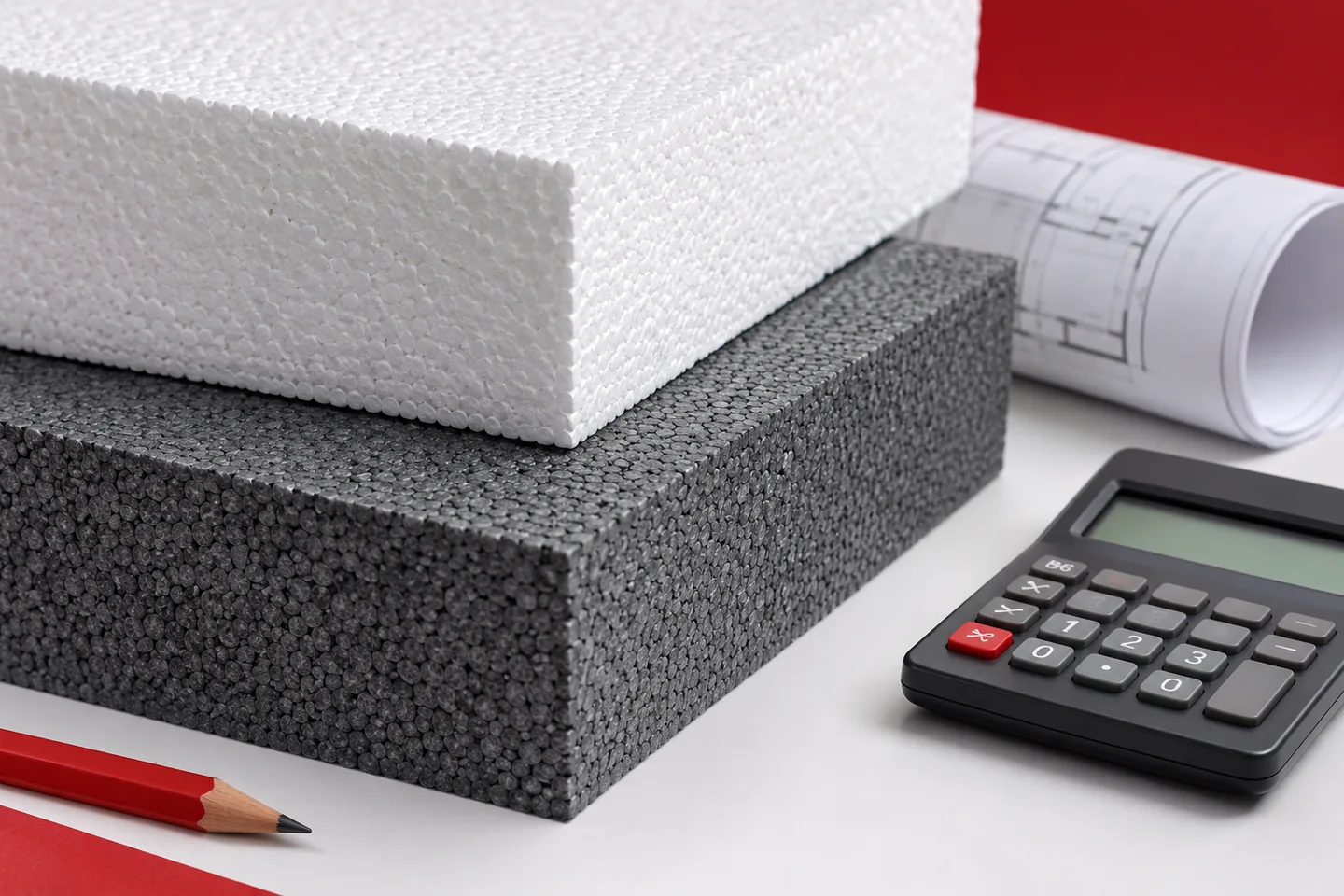
Changing conductivity from 0.040 to 0.031 W/(m·K) increases the thermal resistance of EPS at the same thickness. It may also permit thinner…
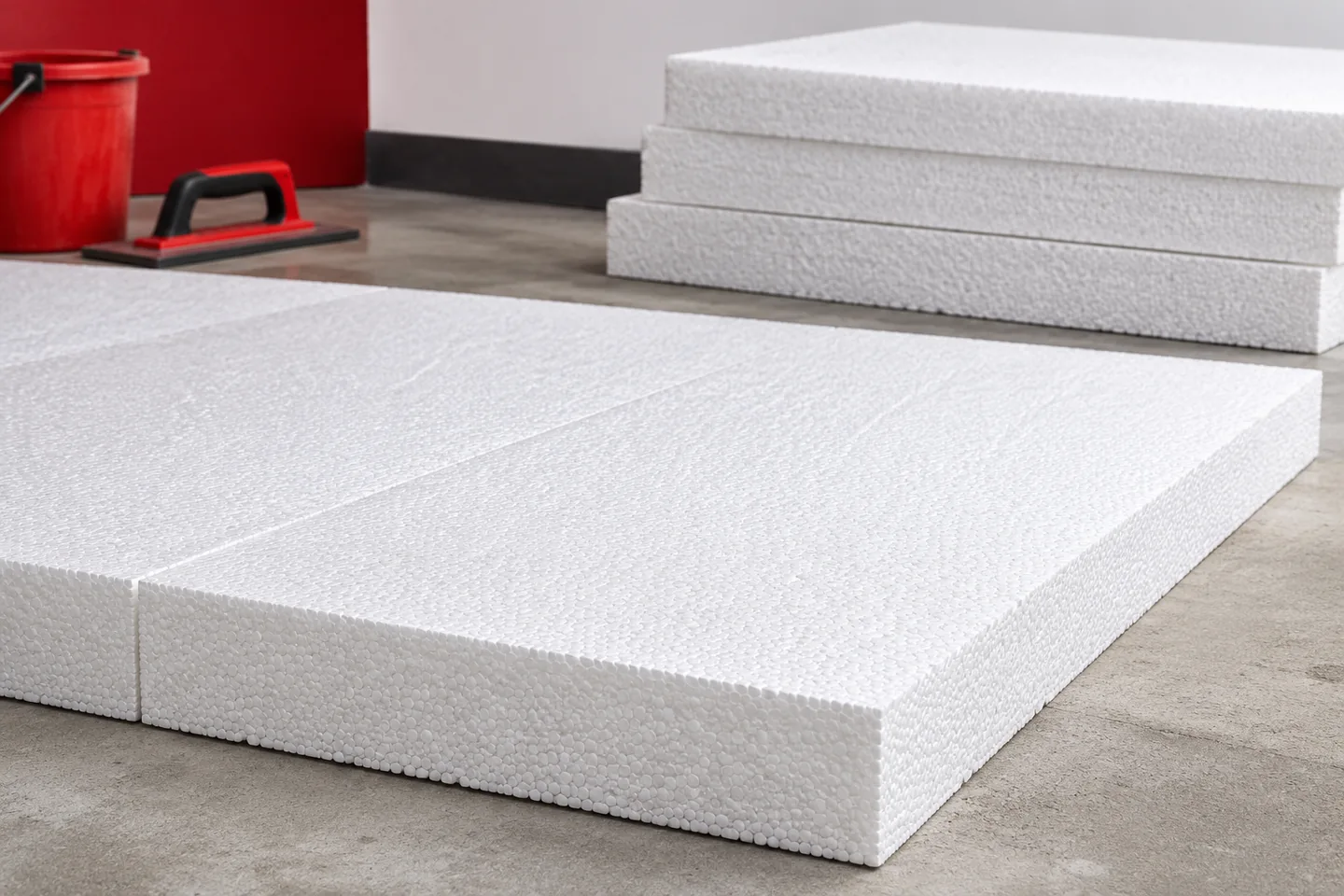
A ground-bearing floor requires continuous thermal insulation, correct protection against water and stable support for the screed. The edges at the walls…
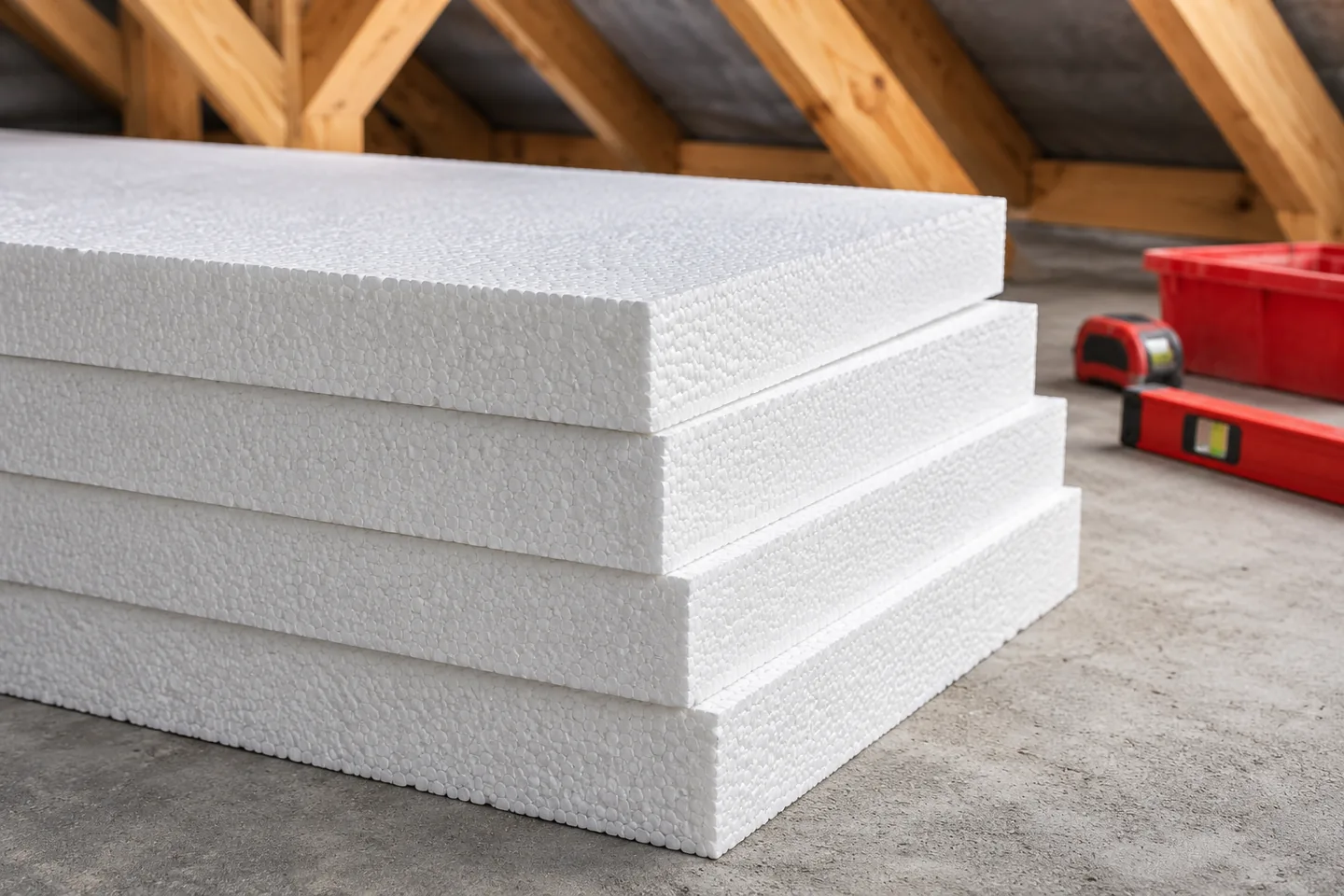
When the loft remains unheated, insulating the ceiling can make more sense than insulating the roof slopes. In that case it protects…
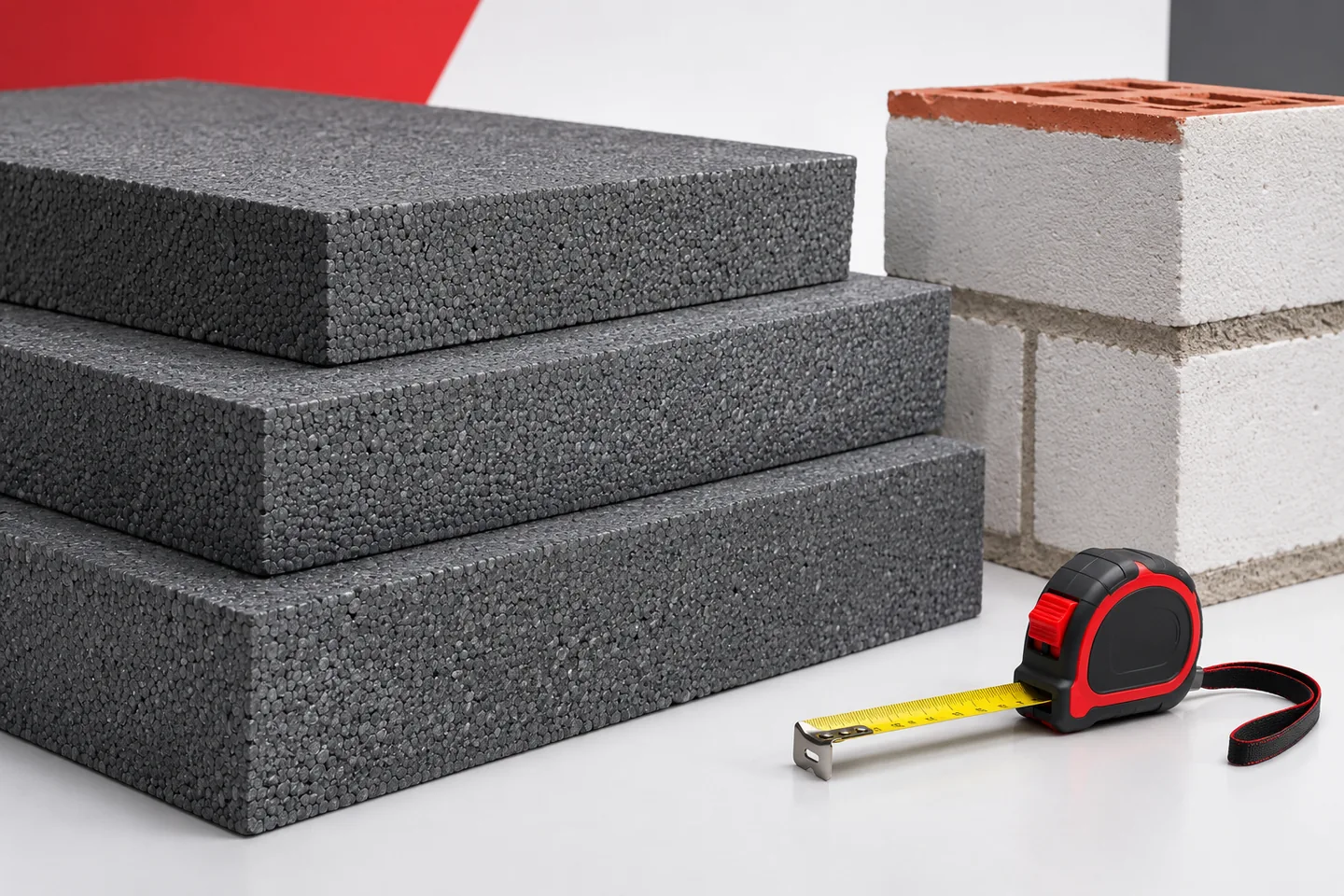
The question of how much polystyrene is needed has two parts. First, the thickness required to achieve proper thermal protection must be…
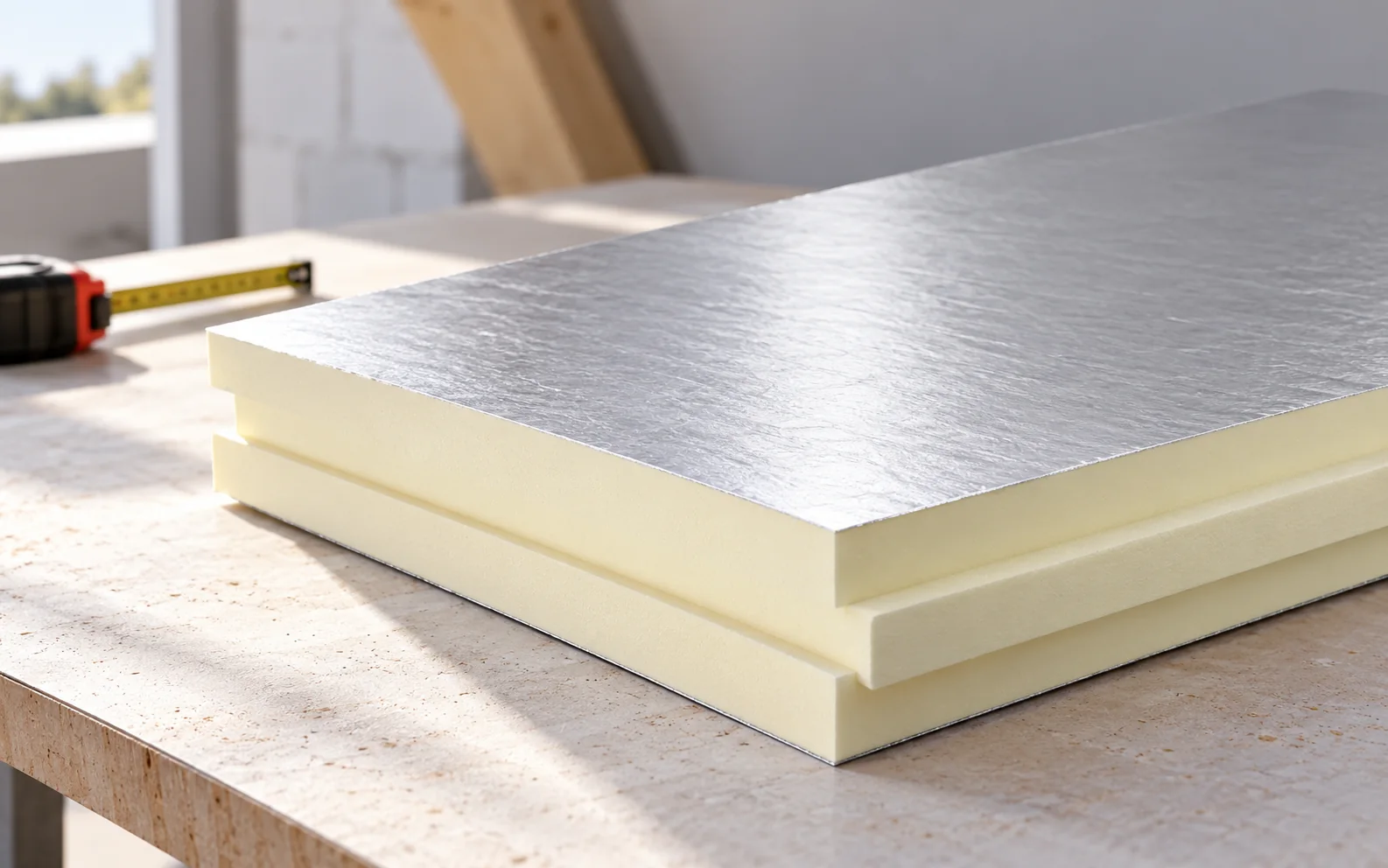
Select roof insulation for the layer arrangement, available height and loads. PIR often achieves the required thermal resistance at a smaller thickness.…