

Roof and energy
Can a solar roof generate electricity on cloudy days?
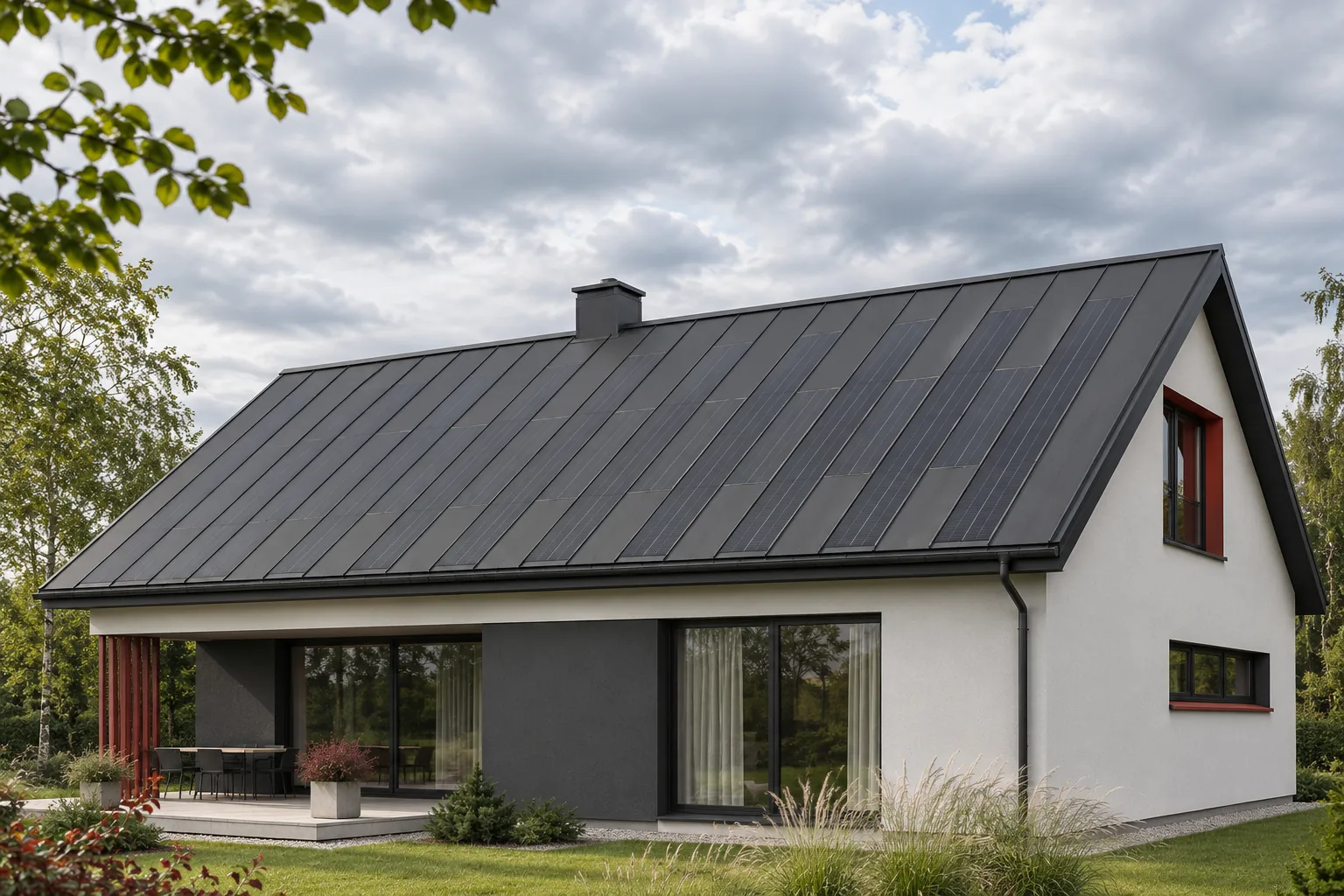
Photovoltaics can generate energy even under a cloudy sky, because it also uses diffuse light. Production will, however, depend on the amount of radiation reaching the cells. Cold alone does not switch the installation off, and heat does not automatically mean the best result. An integrated roof is subject to the same physical principles as other PV modules. Assessing its performance requires looking at the weather, the temperature and the entire service life. The cells respond to the light reaching their surface. Some radiation passes through clouds and is scattered in the atmosphere. That is why an installation can also work without a sharp shadow visible on the ground. This does not, however, mean an identical yield under every cloud cover.
In this article
Is direct sunlight needed for production?
Dense clouds can significantly reduce the amount of available energy.
One should therefore not state a single percentage of power for all cloudy days. Conditions can change within minutes. The season and day length also matter. A sensible forecast uses weather data for the location and a description of system losses, instead of assuming constant production regardless of the sky.
Why can a cool day give a good result?
For silicon modules, a rise in cell temperature usually lowers power at the same amount of light. A cool and sunny day can therefore provide good operating conditions. However, air temperature must be distinguished from the temperature of the module itself. A surface exposed to the sun can be considerably warmer than its surroundings.
In an integrated roof, the planned ventilation is important. Airflow helps to dissipate heat, but it must work in accordance with the system’s construction. Inlets must not be closed or layers changed without authorisation. The temperature parameters of a specific module should be read from its datasheet, without transferring figures from another product.
Does rain help maintain performance?
Precipitation can remove some loose dirt, but it does not guarantee a clean surface in every situation. Dust, deposits and local contamination can remain on the glass. The pitch of the roof slope and the building’s surroundings matter. A roof should not be presented as entirely self-cleaning merely because it is exposed to the weather.
The need for cleaning is assessed according to the condition of the surface, performance data and the manufacturer’s recommendations. Safe access and approved cleaning agents are important. Walking on active panels without authorisation can damage components and create a hazard. Servicing should be planned as carefully as the installation of a new covering.
What happens in winter and with lying snow?
A short day limits production time, and snow can obscure the cells. It cannot be assumed that every PV roof will clear itself of snow. The rate at which snow slides off or melts depends on the weather, the pitch and the surface conditions. Decisions about removing snow must take account of people’s safety and the roof’s structural requirements.
Sharp tools or improvised methods of heating the modules should not be used. If necessary, servicing is carried out in accordance with the instructions and an assessment of the situation. Winter production should be included in the annual simulation. It is not fair to transfer the result from a sunny June to all months of the year.
How to read the installation’s readings after installation
Instantaneous power shows the state at a given moment, while energy describes production over time. A single cloud can quickly change the power reading without any fault. To assess results, it is better to compare similar periods and take the weather into account. A breakdown of data by roof slope or by module is also helpful if the system allows it.
A drop in one section under similar conditions may require checking. The cause may be shading, soiling or a technical problem, but one should not guess on the basis of the figure alone. Retained data and a layout plan of the components make diagnosis easier. Monitoring is an observation tool, not a substitute for professional servicing. It is worth recording the date of every change in the roof’s surroundings so that it can later be linked to the installation’s results.
How to take the weather into account when choosing a roof?
Ask for a monthly forecast and a description of the data on which it is based. Check whether orientation, shading, temperature and electrical losses have been taken into account. The result is an estimate for specific conditions, not a promise of identical production in every year. It is good if the offer also shows a less favourable variant.
The advantage of an integrated covering remains the combination of protecting the building and producing energy. On days of weaker generation, the roof still performs its building function. It is worth assessing both characteristics separately and only then combining them. A sound choice does not require claiming that the weather ceases to matter, but that it has been properly taken into account in the design.
The market for photovoltaic roofs includes, among others, 3S Swiss Solar Solutions, Electrotile, Wienerberger Wevolt, ML System, Dyaqua, BIPVco, Terrán, SunRoof, SolRoof and MDM NT (MyRoof).
7 branches. Materials closer to your project.

- SEROCK — Dzierżenin 34 E
- BŁONIE — ul. Sochaczewska 138A
- RADOM — ul. Grobickiego 8
- ŁÓDŹ — Natolin 8
- OLSZTYN — Barczewo, ul. Prosta 9
- WROCŁAW — ul. Jerzmanowska 10C
- GORZÓW WLKP. — ul. Zielona 33/34
Free quote
Materials for your project

You may also find useful…
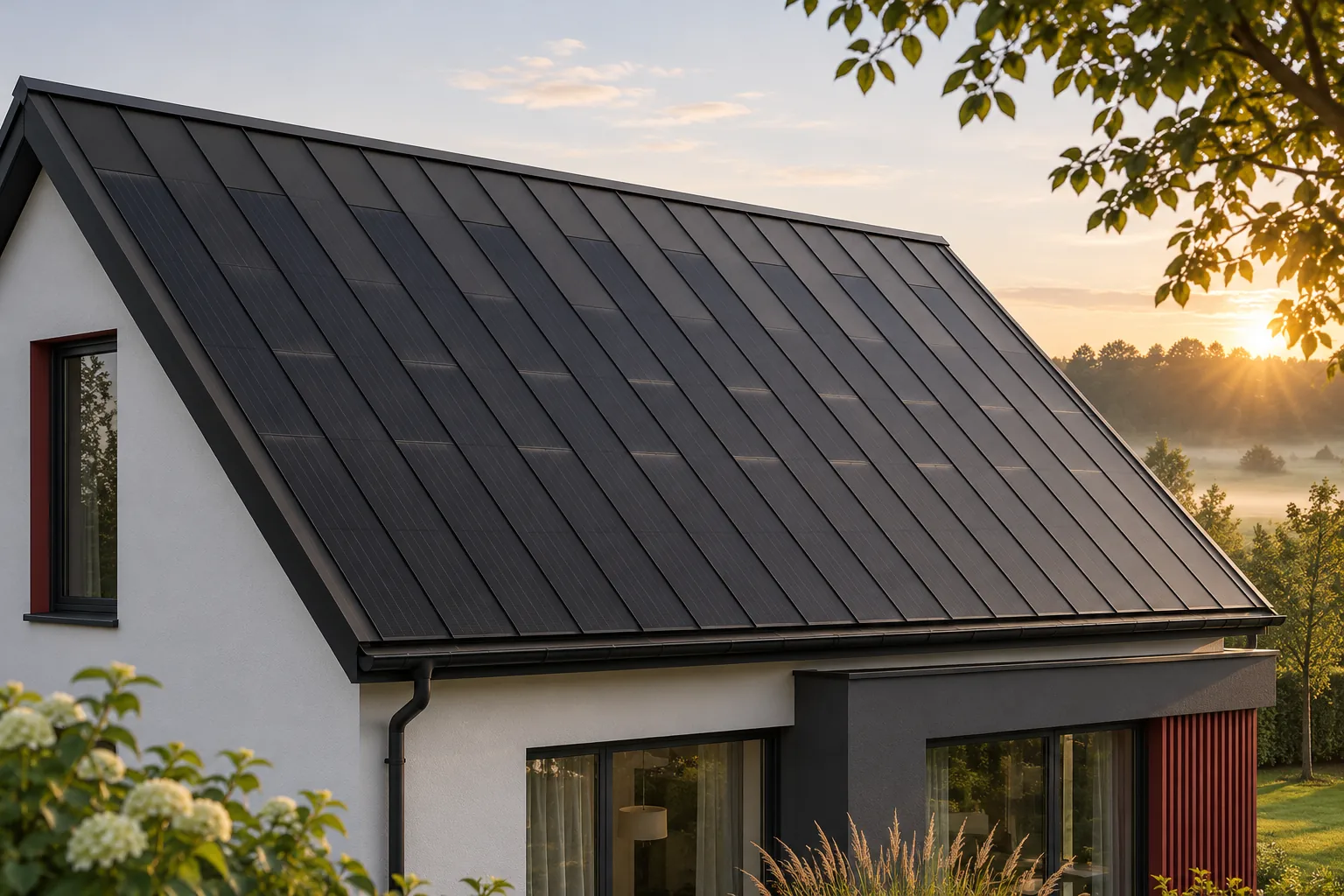
The roof produces energy when light reaches it. The home also needs energy in the evening and in winter. That is why…
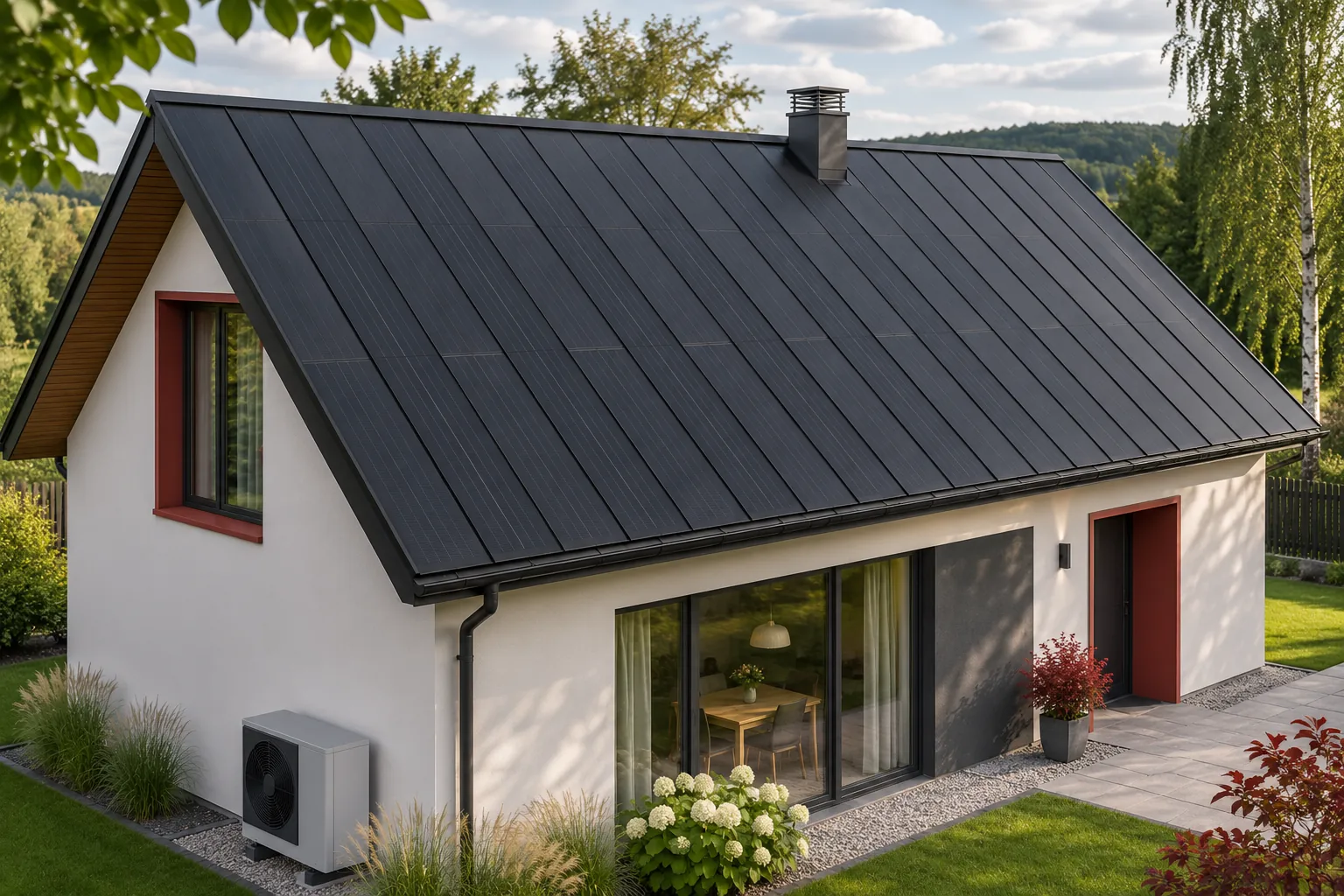
A heat pump needs electricity, and a photovoltaic roof can supply part of it. This is a good combination if both solutions…
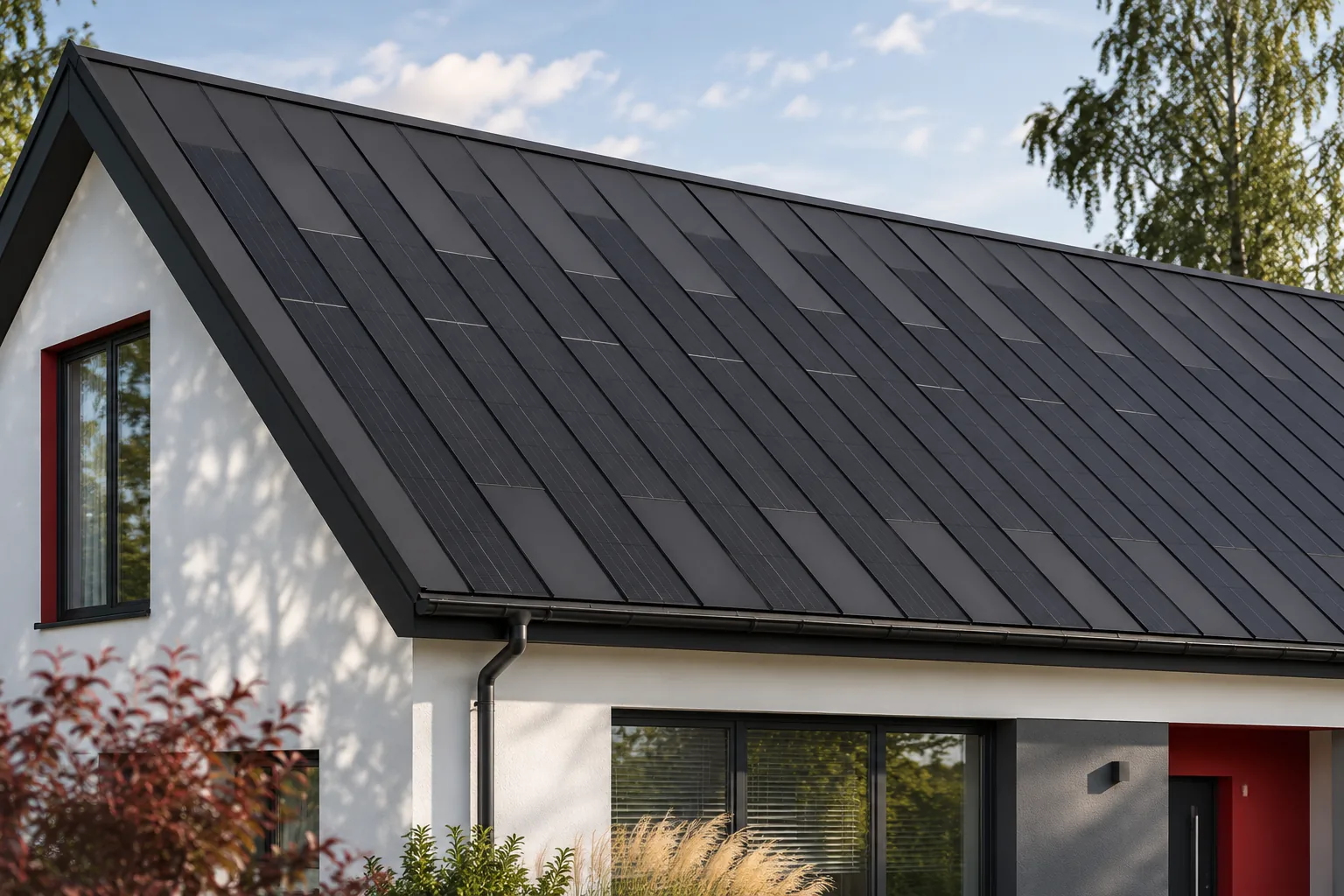
In an integrated photovoltaic roof, a single system performs both the covering and the energy-generation function. This can avoid some of the…
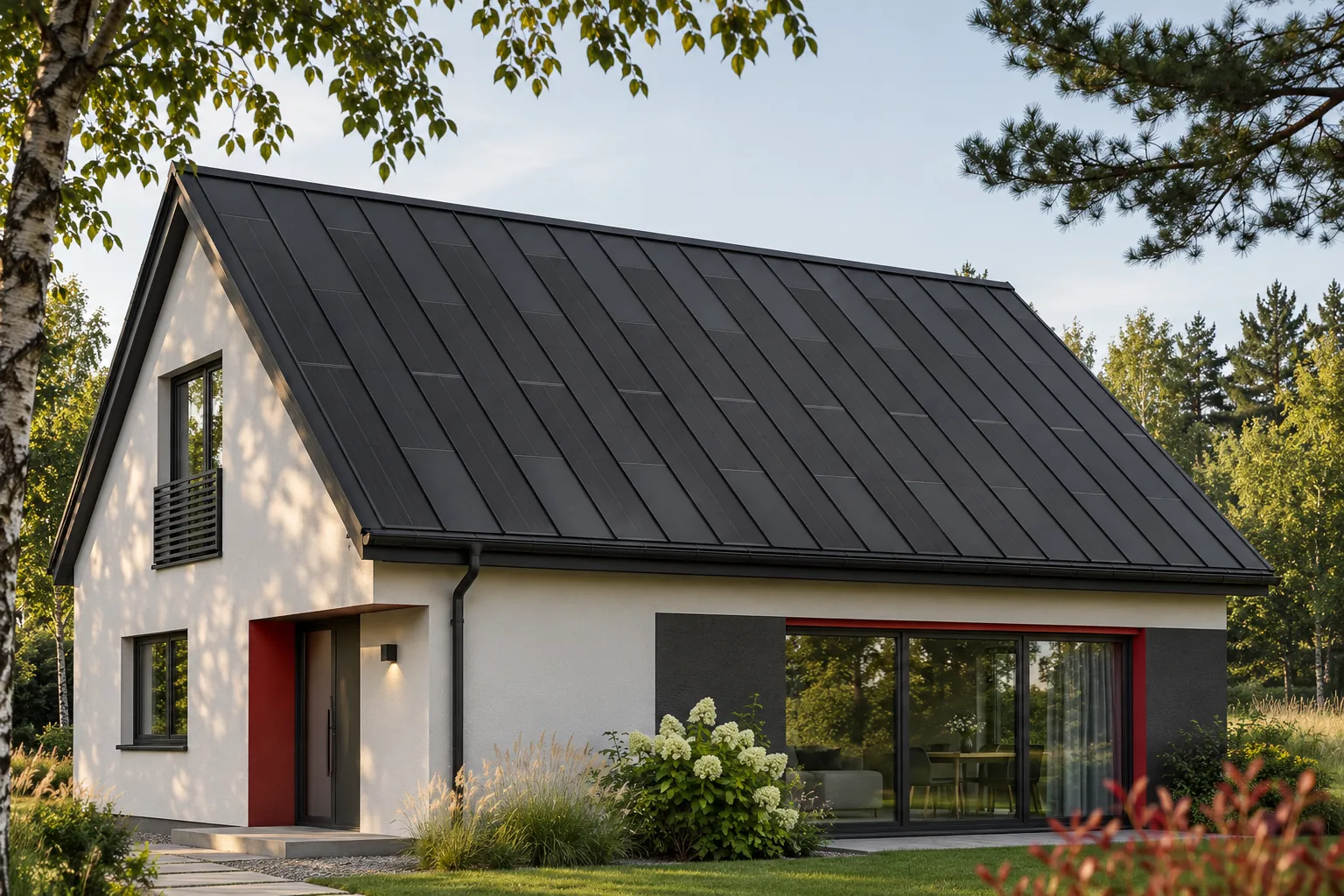
A roof is chosen for the long term, while a home's energy needs can change faster. A car may be added, a…
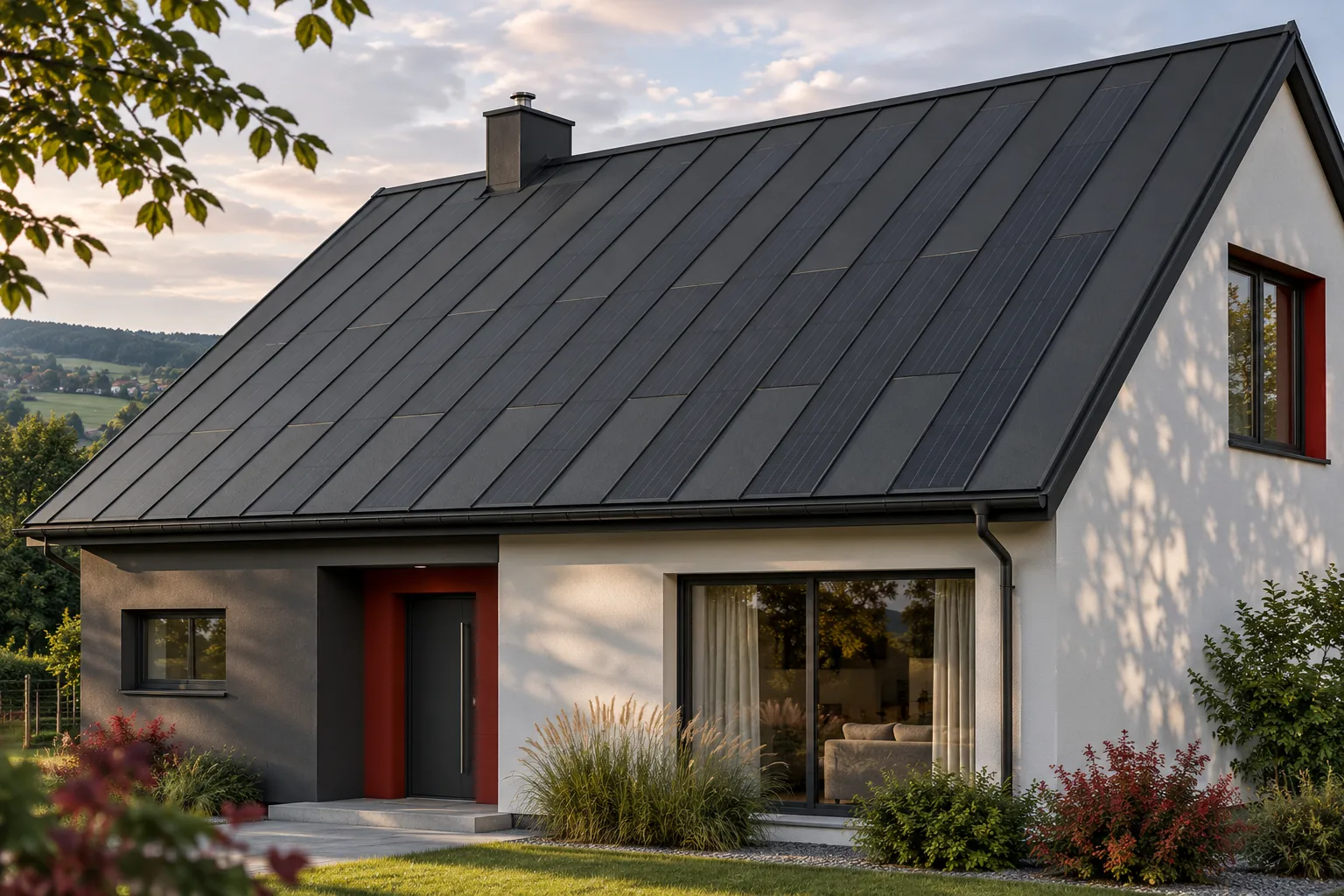
An energy storage system is not a prerequisite for a grid-connected photovoltaic roof. It can, however, help to use part of the…
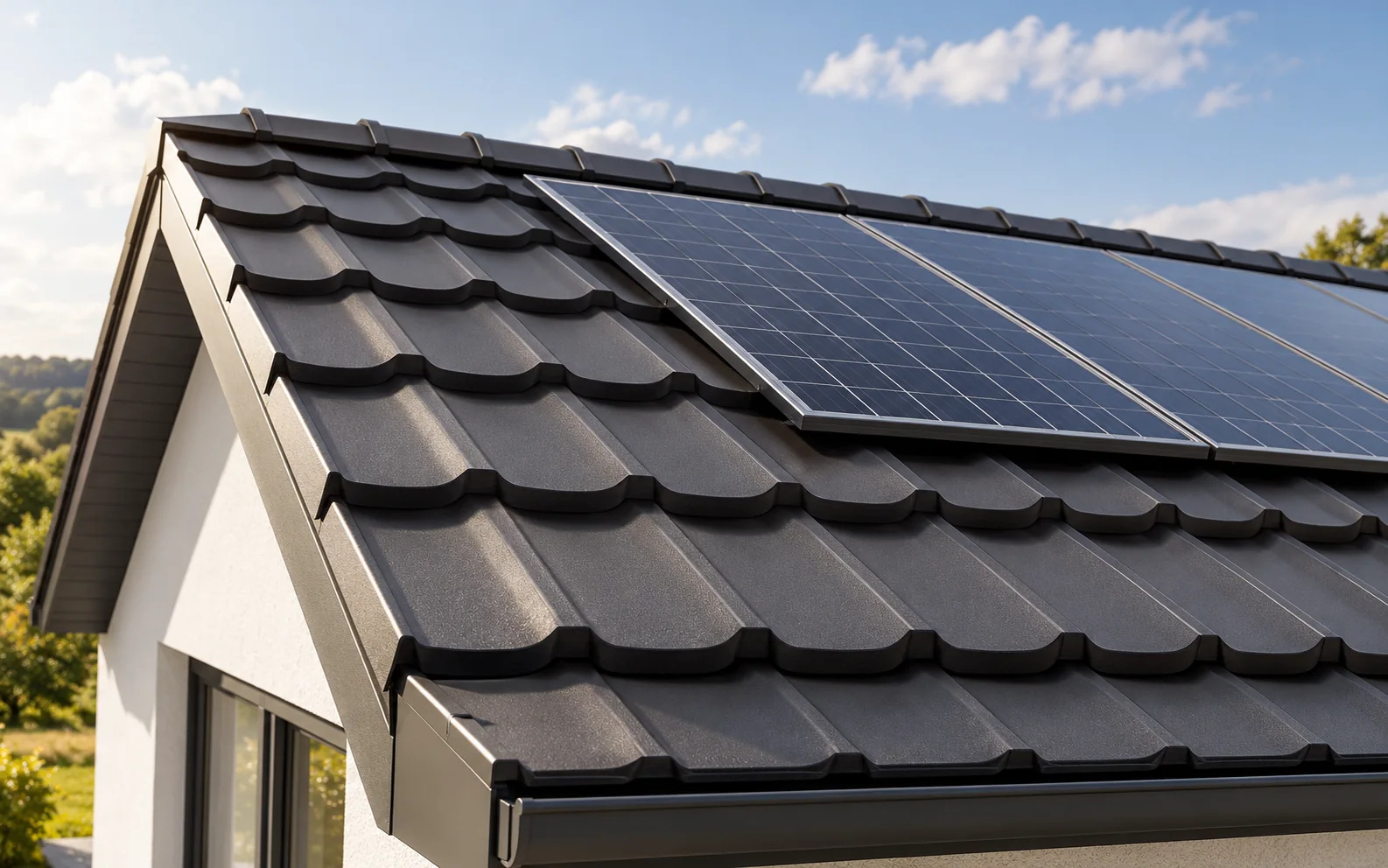
Photovoltaic panels on an existing metal roof require fixings that have been verified for exactly the sheet or sandwich panel installed on…
An integrated photovoltaic roof can be a strong selling point for a house, but it does not guarantee a predetermined increase in…
Shade on a roof is not a fixed patch. It moves with the sun and changes in length over the course of…