

Sheet metal and roofing
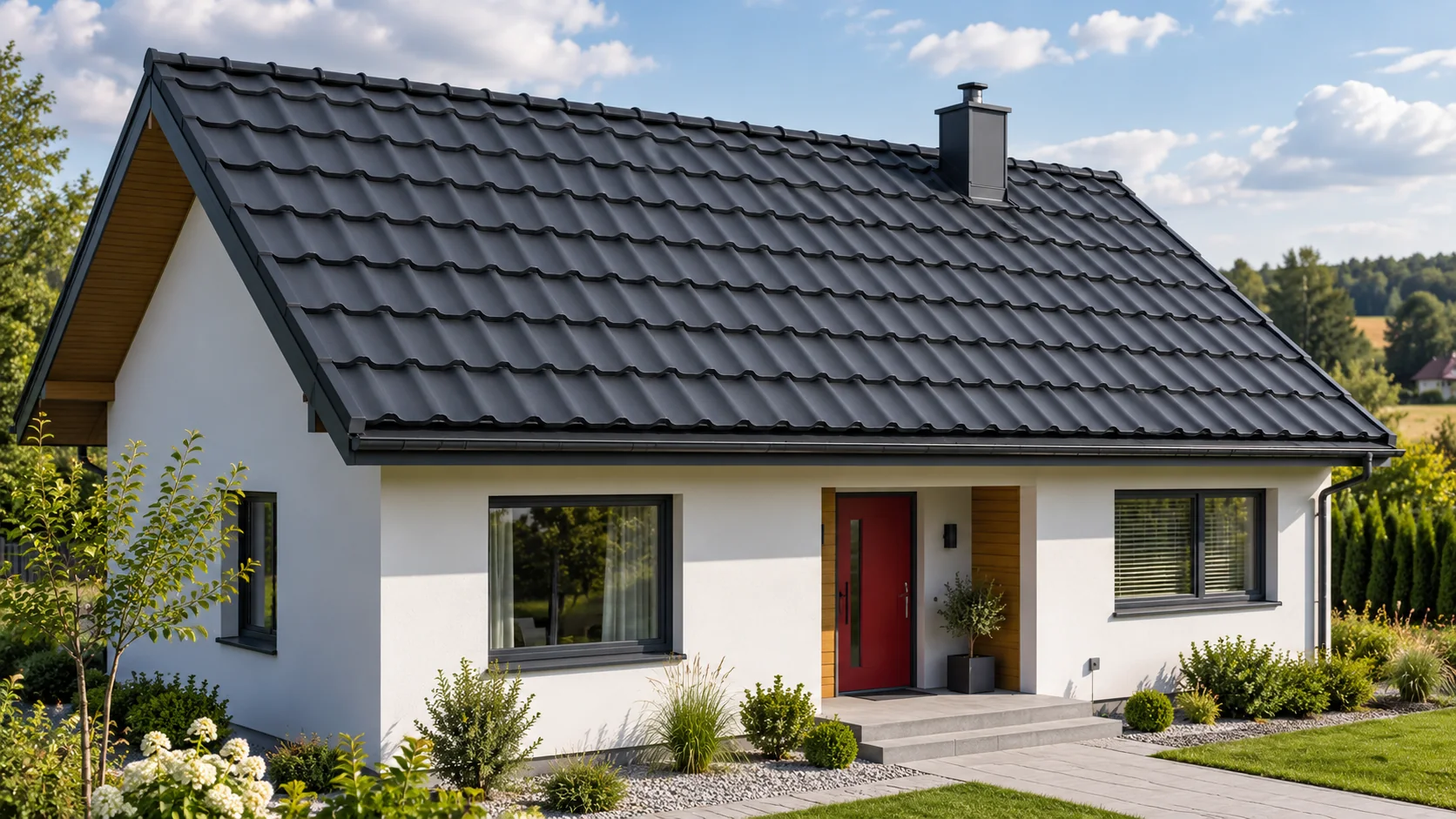
Metal roof tiles or clay tiles for a long-term roof replacement?
Both coverings can give years of service. The choice depends on the structure and how the roof will be used and maintained. When planning a replacement, consider weight, the condition of the roof timbers, junction details and future repairs alongside appearance and price. Decide whether the space below will remain a loft or become living accommodation. Clay tiles are considerably heavier than profiled steel. Compare the installed weight for the chosen model and laying pattern, including battens, underlying layers and accessories. The weight of a single tile tells you little about the load on the existing structure.
In this guide
What can the existing structure support?
Lightweight steel sheeting can be useful when replacing an old covering. The roof frame still needs inspection. A rotten rafter end or weak joint needs repair whatever sits above it. If switching from metal to clay, have the additional dead load checked. Design snow and wind loads need separate consideration.
How will the roof perform above a living space?
Comfort depends on more than the material visible from the street. The sound of rain also depends on the supports, fixings, insulation and interior lining. Effective insulation and airtight junctions help reduce heat loss. Both coverings primarily keep out the weather and rely on the rest of the roof build-up for those other functions.
If the loft is to become living space, plan the work as one refurbishment. Stripping the covering exposes areas that will be difficult to reach later. Use that opportunity to assess roof ventilation, insulation and service penetrations. Include these costs in both options, even if one covering has a lower purchase price.
Which format suits a complex roof shape?
Clay tiles are laid as many small units. Tile-profile steel is available in long sheets or short modules. Valleys, dormers and hips need a cutting plan whichever covering is chosen. The number of cuts and opportunities to reuse offcuts differ. A smaller unit does not necessarily mean less waste.
For example, one steel module has a cover width of 1,150 mm and an effective length of 700 mm. Each module therefore covers 0.805 m². Other patterns have different dimensions. On a roof with many changes of direction, count whole units and the necessary accessories. The measured roof area is the starting point for that calculation.

How do you compare two complete quotations?
Draw up two estimates covering the same work. Include removal, substrate repairs, underlay, accessories, labour, waste and safe access. A quote for sheets alone leaves out costs included in a complete tiled roof. Equally, the price of a standard clay tile excludes the special pieces needed at edges and ends.
For a worked example, take a 160 m² roof and two complete quotations worth €9,072.84 and €10,554.12 excluding VAT. The difference is €1,481.28, or about €9.26 per square metre of roof. These illustrative figures use the shop’s PLN-to-EUR rate on 13 November 2026. They are not current market quotations. Use the difference to ask what the extra cost buys and whether the two prices cover the same work.
What happens when a section needs repair?
An individual broken clay tile can often be replaced once safe access has been arranged and its fixing can be reinstated correctly. With steel, the sheet format and the laps determine how much must be removed. Replacing a large sheet may involve its neighbours. Short modules can be easier to handle, though their laying sequence still matters.
For either covering, keep the model details and a modest stock of spare units. A model may be discontinued and new material may differ in shade. Keep spare sheets out of wet stacks. Spares are useful only if stored in a condition suitable for installation.
Does a longer warranty mean a longer-lasting roof?
A warranty period does not set the end of the material’s service life. Weathertightness, corrosion and appearance may have separate terms. Read the conditions for the particular covering and exposure. Neither material always outlasts the other, and both need inspection.
Check drainage, flashings and any damage after work on the roof. Inspect steel coatings and cut edges. On a clay roof, look for cracked or displaced tiles. Choose the covering whose maintenance requirements suit the building and the access available.
Questions and answers
Do clay tiles always require a new roof frame?
No. The need for strengthening or replacement depends on the condition and capacity of the existing structure and the loads it must carry. Choosing a heavier covering alone does not establish the extent of work.
Is it always noisy under a tile-profile steel roof?
The covering alone cannot predict indoor noise. The complete build-up, fastening method and room acoustics all affect what occupants hear. Compare complete assemblies for the actual loft space.
7 branches. Materials closer to your project.

Free quote
Materials for your project

You may also find useful…
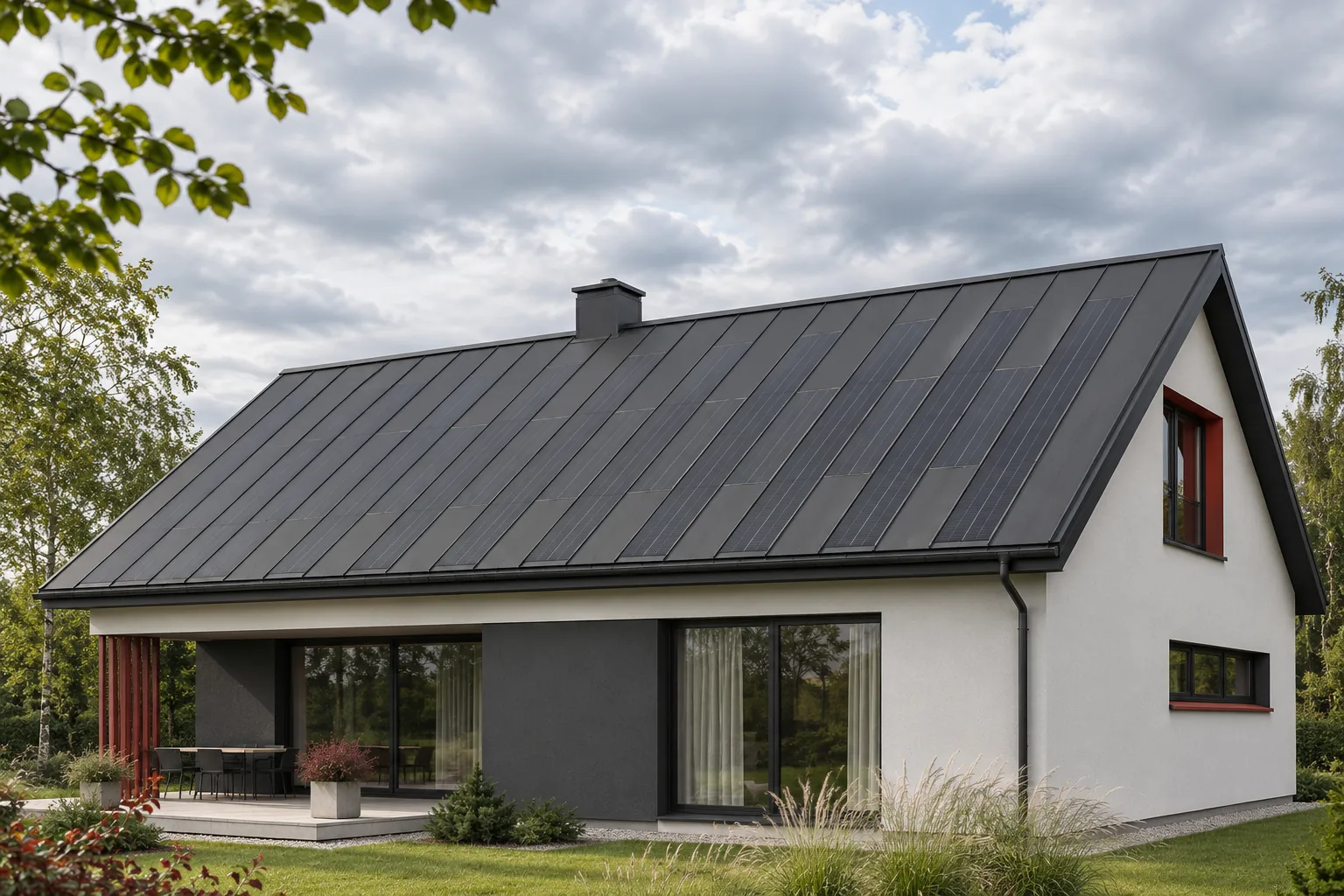
Photovoltaics can generate energy even under a cloudy sky, because it also uses diffuse light. Production will, however, depend on the amount…
Rainwater harvesting requires looking at the entire path of the water: from the roof slope through the gutters to the tank and…
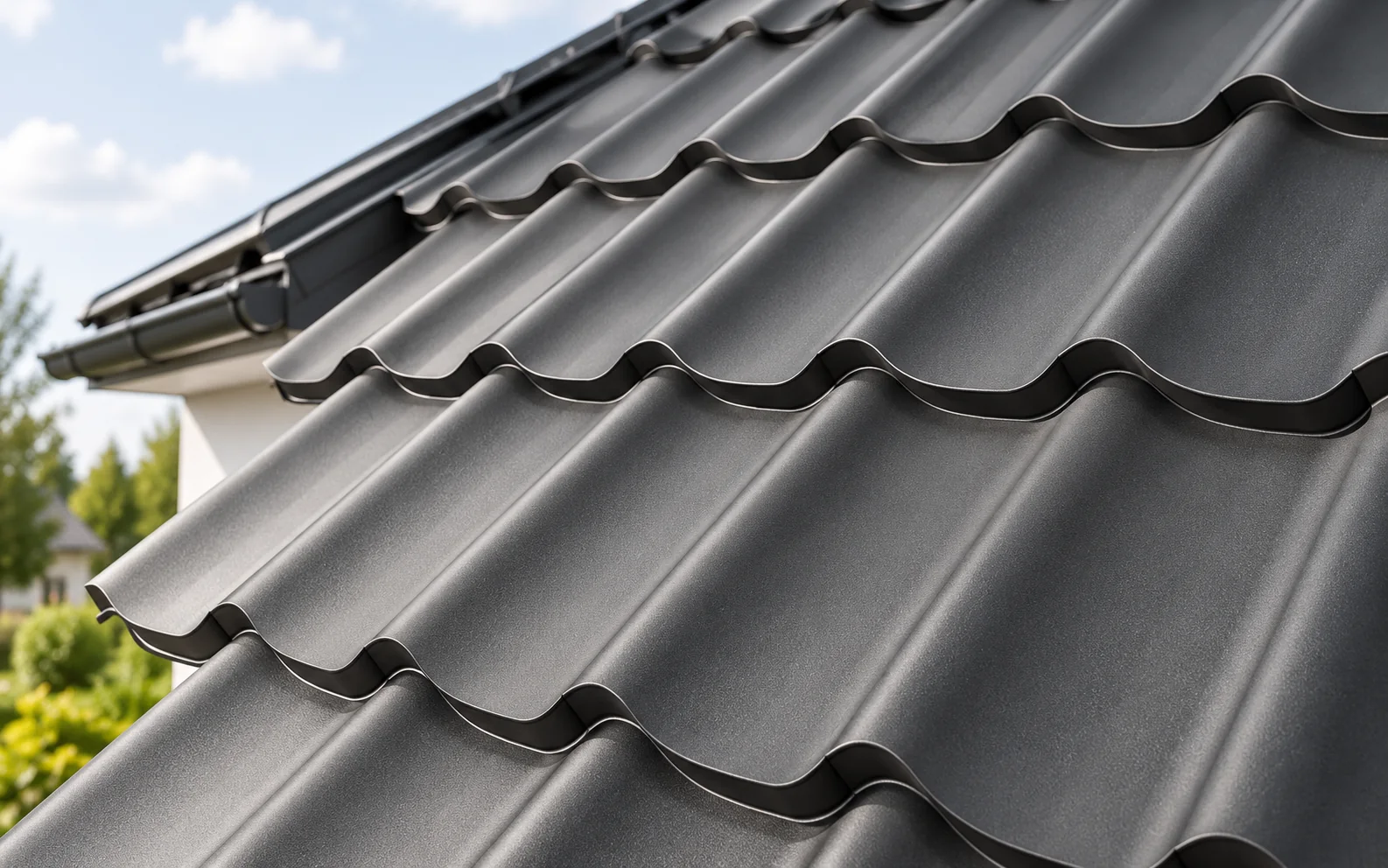
The fine roof pattern depends on the geometry of the pressings, not just on the sheet size. Modular tile-effect metal roofing can…
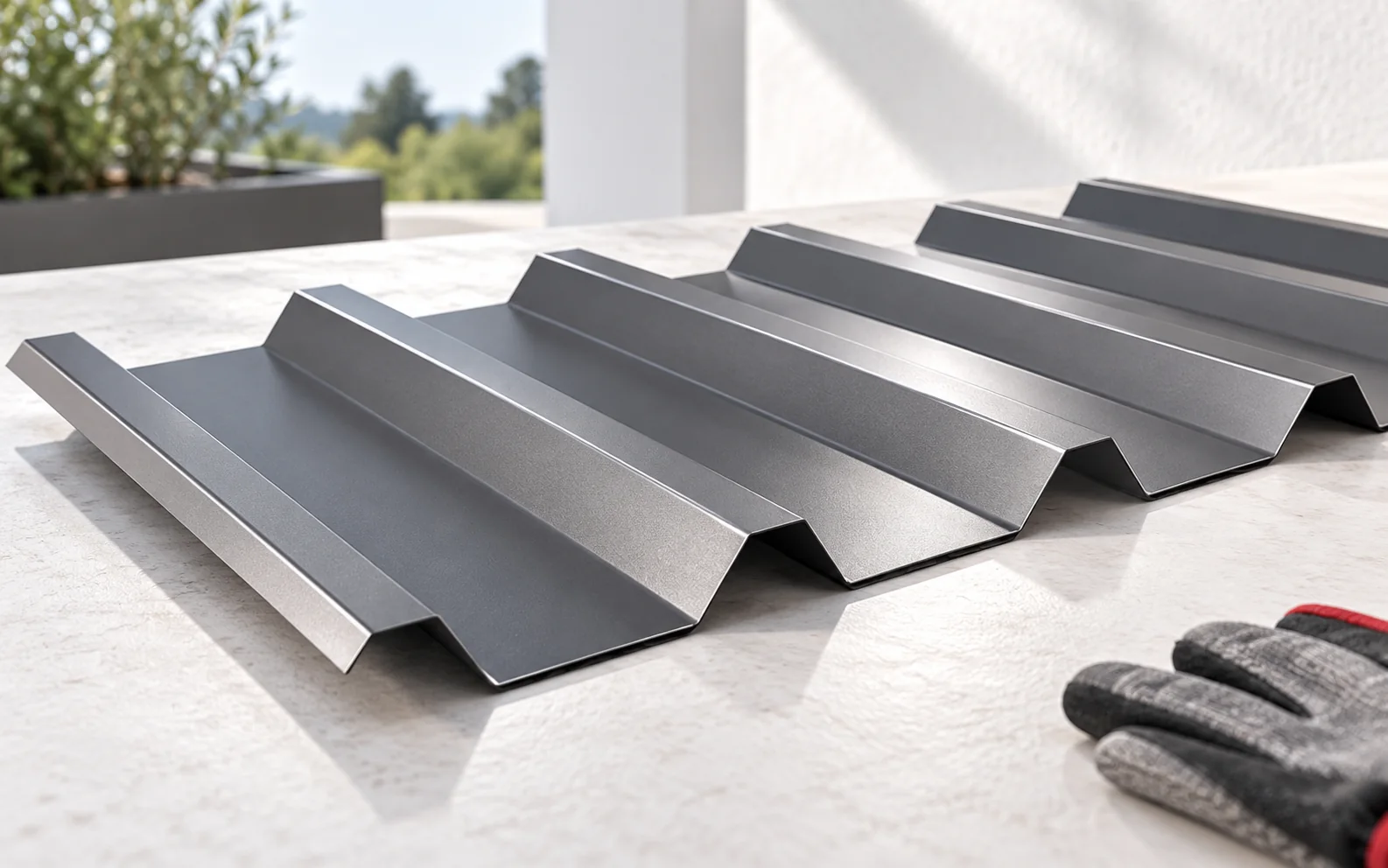
A roof over a terrace should shelter it from rain and sun without depriving the house of light. Before choosing the covering,…
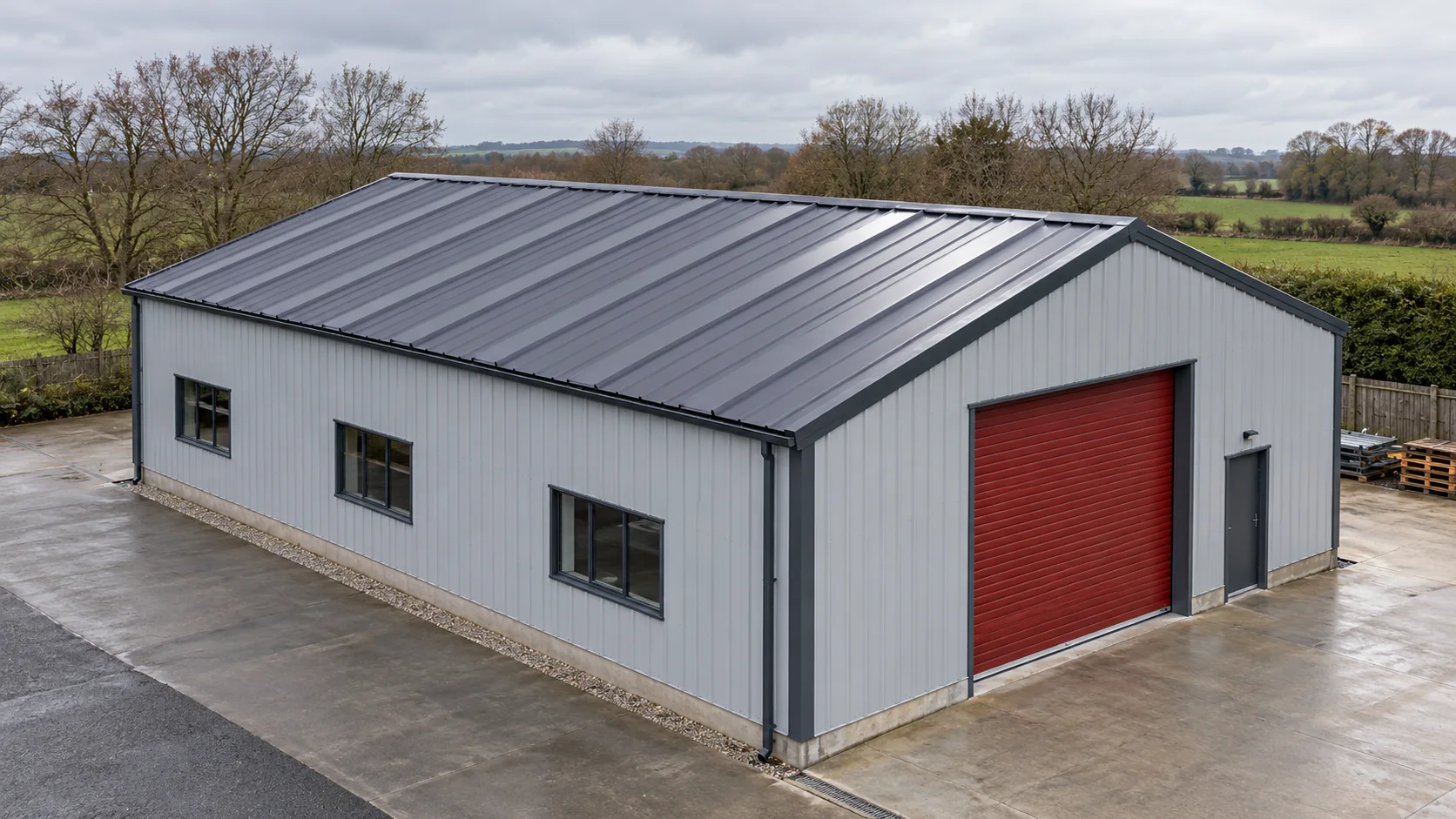
A roof with 200 m² of sloping surface can require more than 200 m² of trapezoidal steel sheet. The quantity depends on…
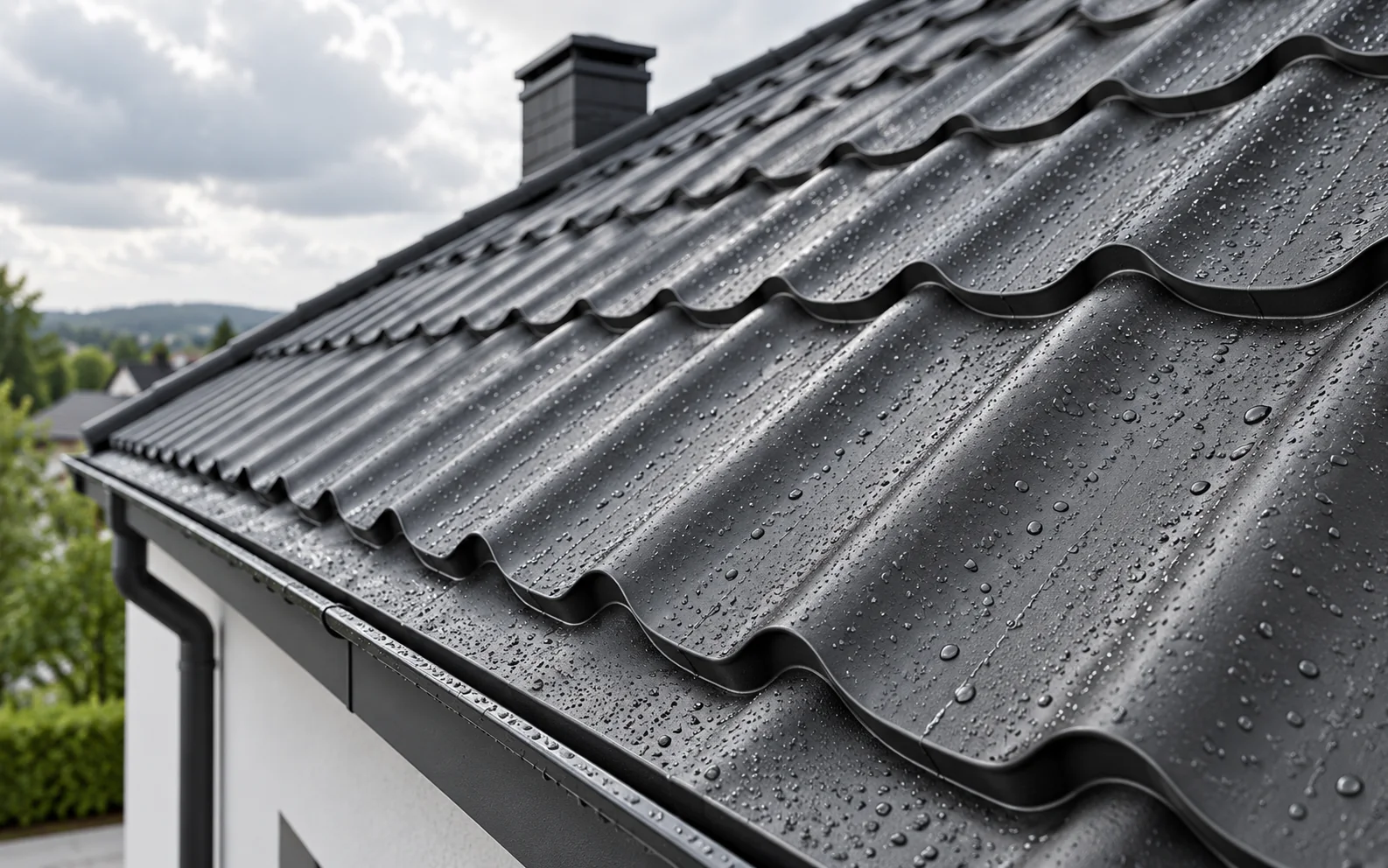
A watertight roof requires the correct pitch, correct laps and carefully executed flashings. Fixings, drainage and the layers beneath the covering are…
When the loft remains unheated, insulating the ceiling can make more sense than insulating the roof slopes. In that case it protects…
The answer to the question of insulating a loft before installing the lining comes down to the correct sequence of work and…