

Mineral wool sandwich panels
How thick does a mineral wool wall panel need to be?
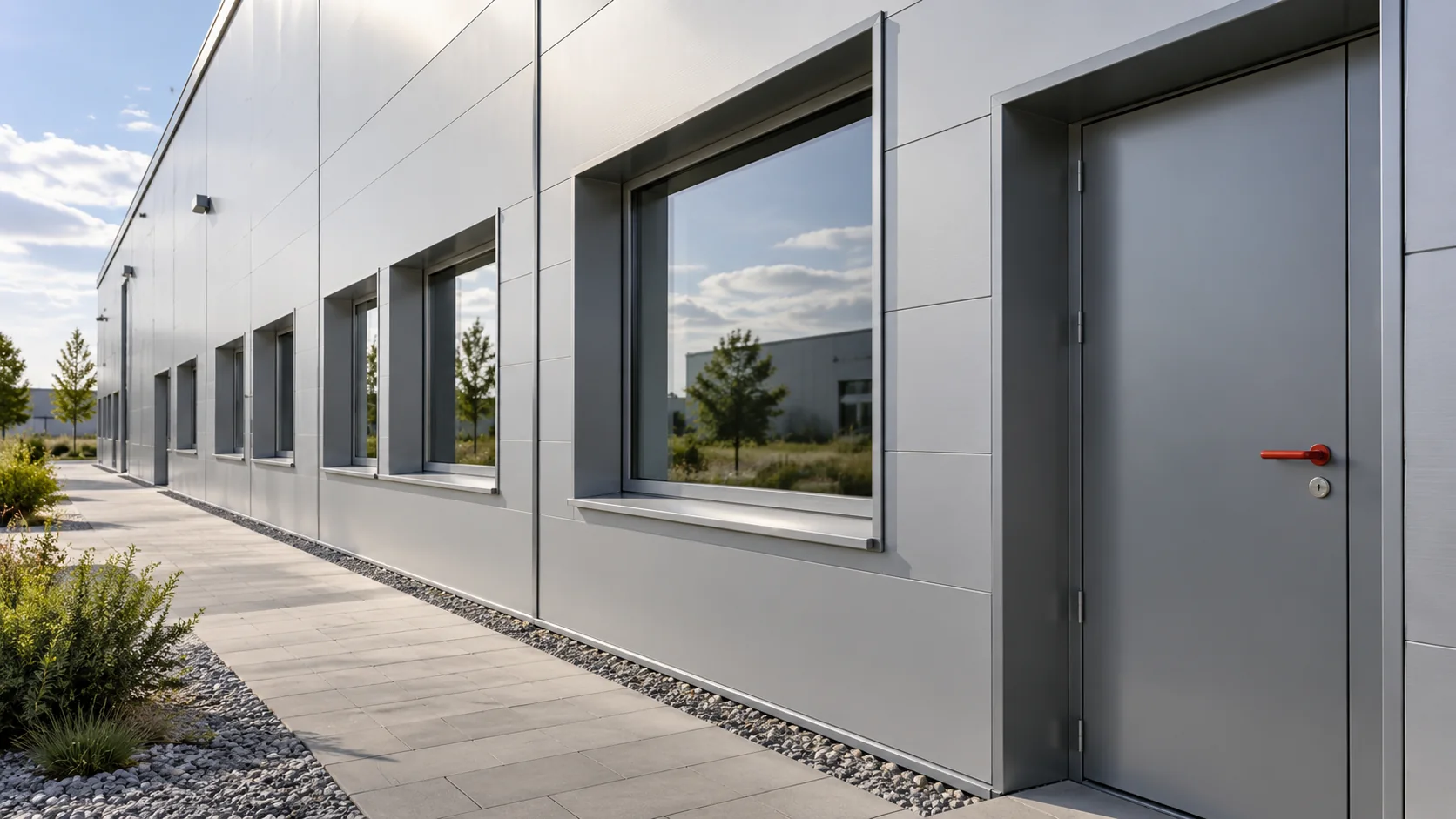
Choose the thickness of a mineral wool panel by checking thermal performance, fire resistance, load capacity and construction details together. The 60–200 mm range illustrates several options within one product family. Start with the job the wall will do over its lifetime. A heated office wall, the cladding of a dry warehouse and a partition between two heated areas all have different requirements. Establish the temperatures on either side, the hours of use and any sources of moisture. Check whether the owner plans to change how the space is used in the next few years.
In this article
Identify the operating conditions in each zone
A room label on a drawing says little about operating conditions. One warehouse may be heated continuously while another has no heating at all. A workshop may generate substantial amounts of water vapour. An accurate account of how the building runs helps avoid an underspecified wall or unnecessary costs for materials and installation.
Check the thermal performance of the whole wall
For one mineral wool panel range, the Uc values are 0.66 at 60 mm, 0.39 at 100 mm, 0.27 at 150 mm and 0.20 W/(m²·K) at 200 mm. These figures show how performance changes within that particular range. Use the data for the specified panel when making a selection.
The design requirement applies to the wall as built, including junctions, openings and the relevant corrections. Heating costs also depend on ventilation, heat gains and operating hours. A given percentage improvement in the panel U-value cannot be carried over directly to the heating bill.
Check fire resistance separately
The required fire resistance may limit the choice to specific panel thicknesses and fixing arrangements. Check the documented field of application. A panel that meets the thermal requirement may still fall short of the required fire resistance class or permissible span.
Do not extrapolate an EI rating from thickness. Doubling the thickness does not establish twice the fire resistance period. Testing and classification apply to a particular assembly. Even when substituting another panel of the same thickness, check the joint, facings, fixings and conditions of use.
Allow for likely changes of use
Extra capacity makes sense when it serves a credible plan, such as installing heating in an existing warehouse. Compare the cost of choosing the suitable panel now with the work a later replacement would involve. Record both scenarios and set a date to revisit them. This lets the owner decide whether the additional thickness is worth paying for across the entire wall, given how likely the change is.

Consider the supporting structure and façade colour
Check spans in the tables for the exact panel, facing thicknesses and support arrangement. Account for wind loads and temperature effects. A dark façade can experience different thermal conditions from a light one, so include colour in the structural assessment.
In an existing building, a thicker panel may add weight and require changes to the supports. Assess the condition of the framing, fasteners and anchors before ordering. Compatibility with the existing structure may narrow the choice more than the dimensions available from the supplier.
Compare the full cost of two options
If several thicknesses qualify, compare the costs of panels, flashings, fixings, installation and transport. Include the effects on reveals and on the junctions with the roof and plinth. Refurbishment may also require windows, doors or services to be repositioned.
To estimate the thermal benefit, state the wall area, temperatures, heating hours and energy price used in the calculation. The result is a scenario you can update as conditions change. A single payback period for an upgrade would overlook these differences between buildings.
Record the specification and its assumptions
Record the complete panel specification once a decision has been made. Include the core, facings, coating, cover width, joint and required performance. These details help prevent unintended substitutions when placing the order or carrying out a repair later.
If the building might change use, record the limits of the current design. For an unheated area, identify what will need reassessing before permanent heating is installed. This makes it possible to meet current requirements and plan a future change on the basis of documented conditions.
Questions and answers
Is indoor temperature enough to determine panel thickness?
No. Alongside thermal performance, check fire requirements, loads, span, coatings and junction details. Indoor temperature is one input to the selection.
Does the 60–200 mm range cover all mineral wool panels?
No. Product families have different manufacturing ranges and may include other thicknesses. Confirm current availability and the performance of the selected product before ordering.
7 branches. Materials closer to your project.

Free quote
Materials for your project
You may also find useful…
There is no single service life for every mineral wool sandwich panel. Conditions on both sides of the wall, the quality of…
In a roof sandwich panel, “fibreglass” can refer to an inner facing made from glass-reinforced plastic (GRP). A panel of this type…
Select roof insulation for the layer arrangement, available height and loads. PIR often achieves the required thermal resistance at a smaller thickness.…

Start with the panel price per square metre, then work out the cost of the finished wall. Thickness, facings, coating, panel lengths…
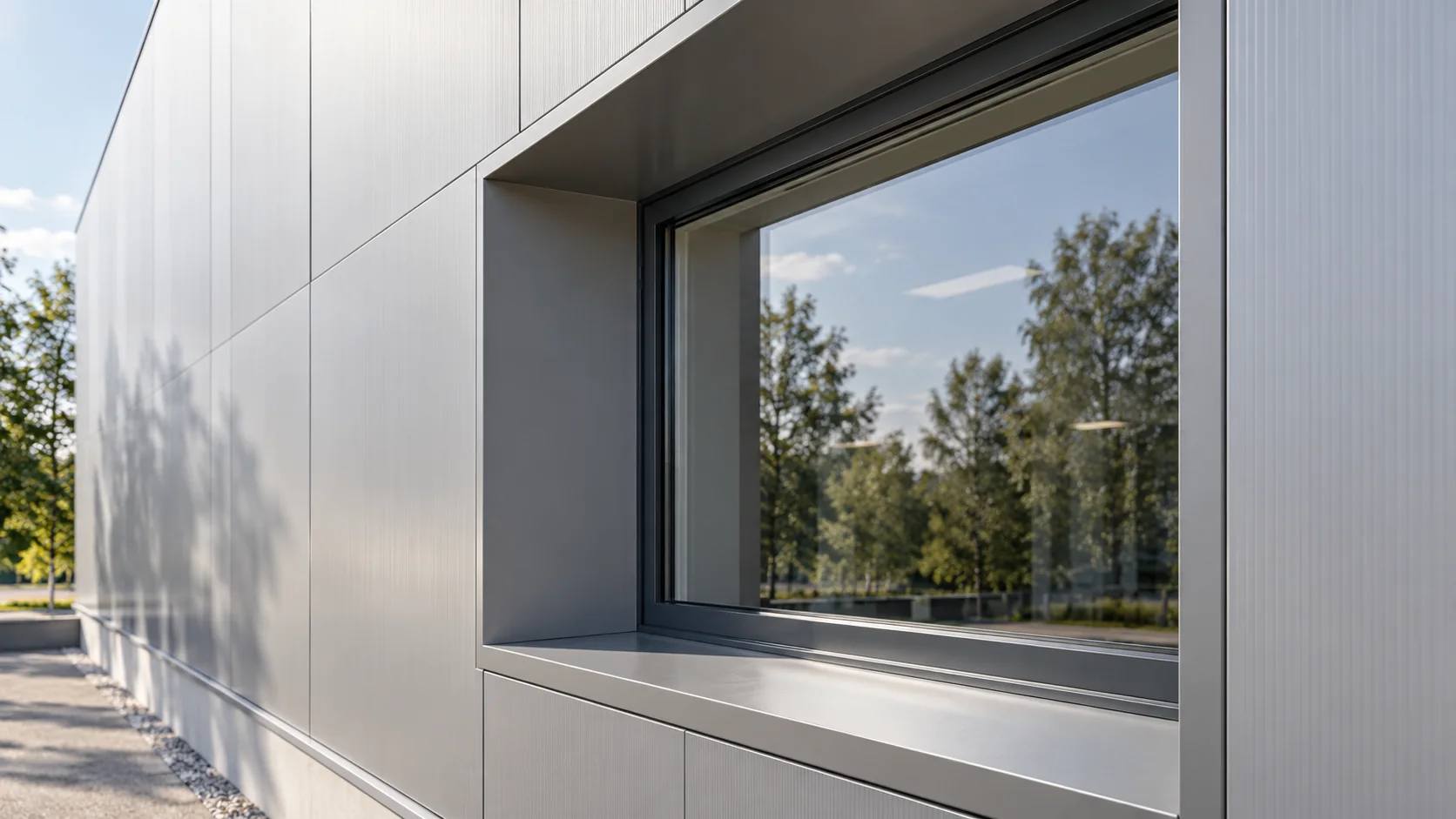
Consider a 150 mm or 200 mm mineral wool panel when the thermal requirement or a specified wall assembly calls for that…
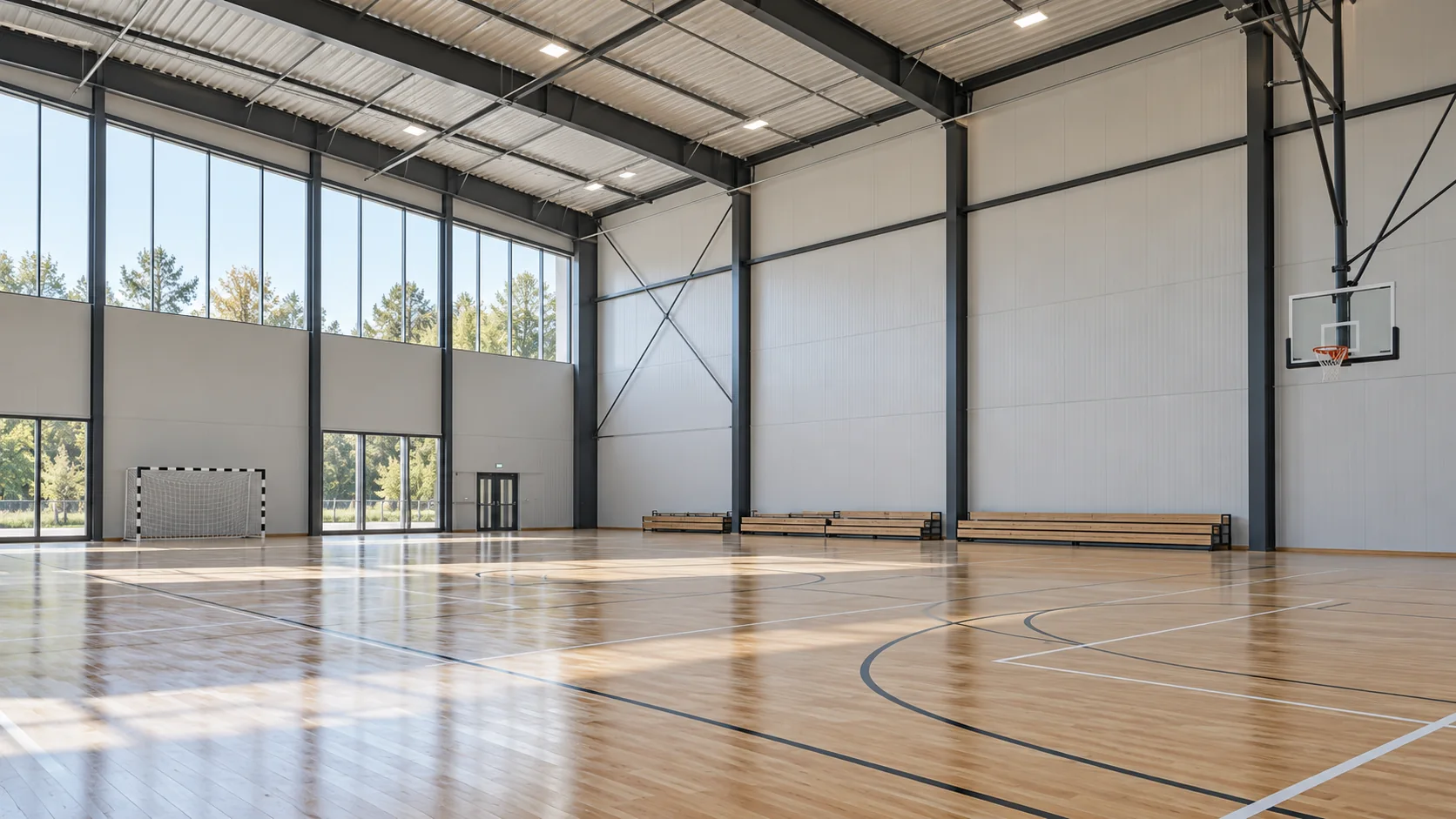
Mineral wool wall panels are used in production halls, warehouses, workshops and public buildings. Their suitability depends on what each wall must…
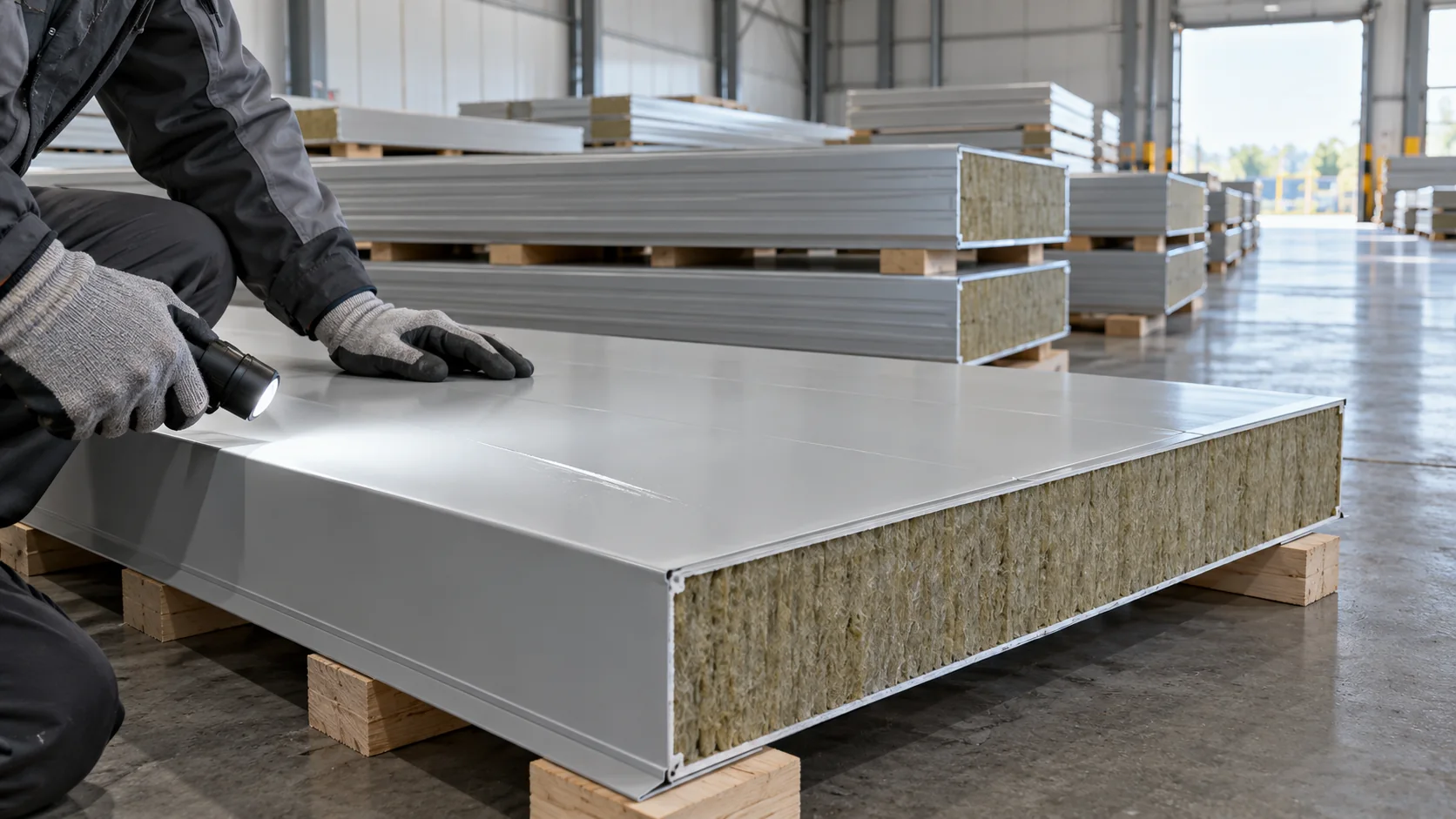
Discounted mineral wool sandwich panels can make sense for a small extension if you know why the batch was downgraded. Start with…
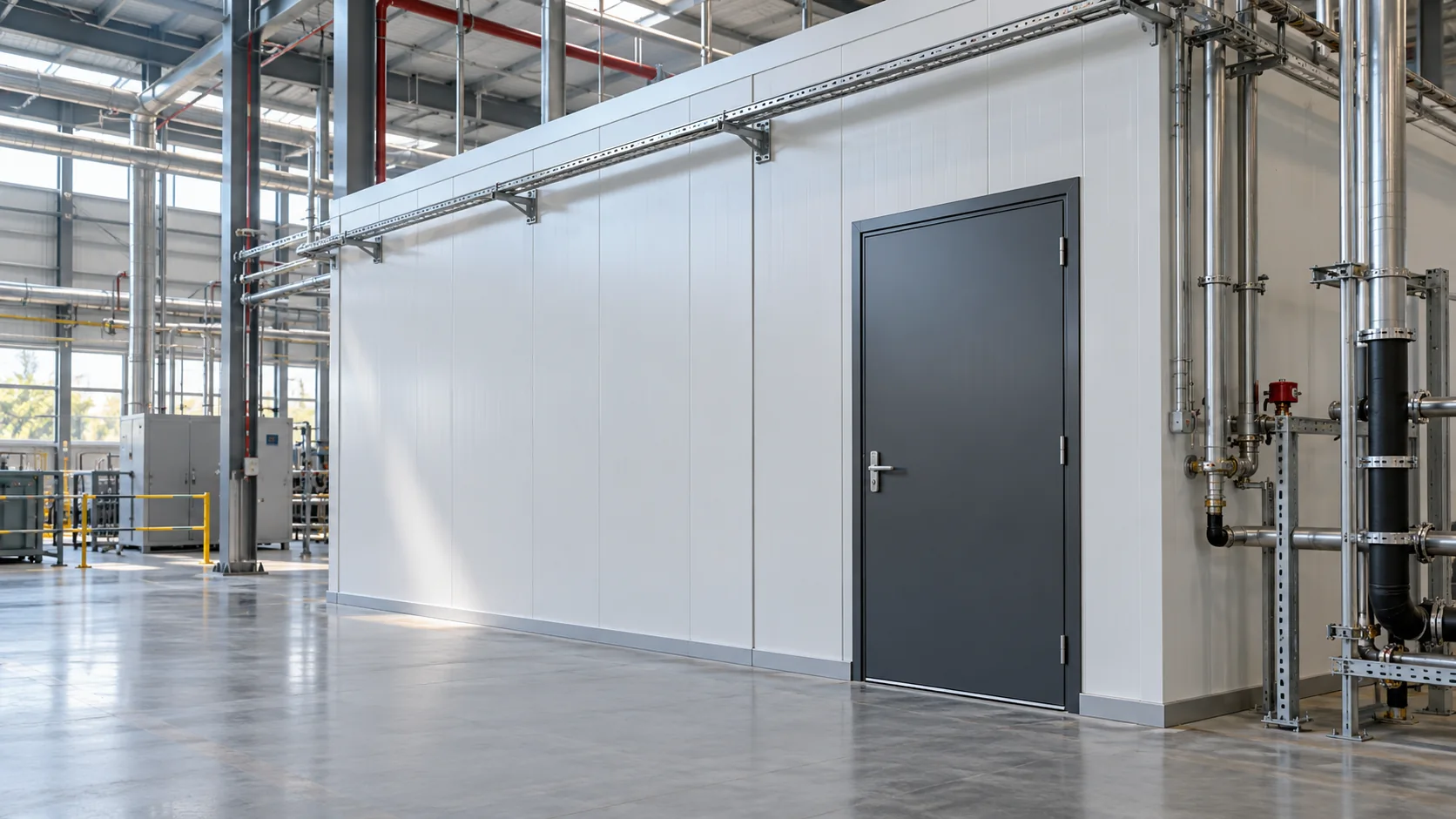
Mineral wool and a finished sandwich panel have separate fire classifications. The panel also contains facings, coatings and adhesive. Check both the…