

Roof coverings
Tile-effect steel or concrete roof tiles: what should you check before choosing?
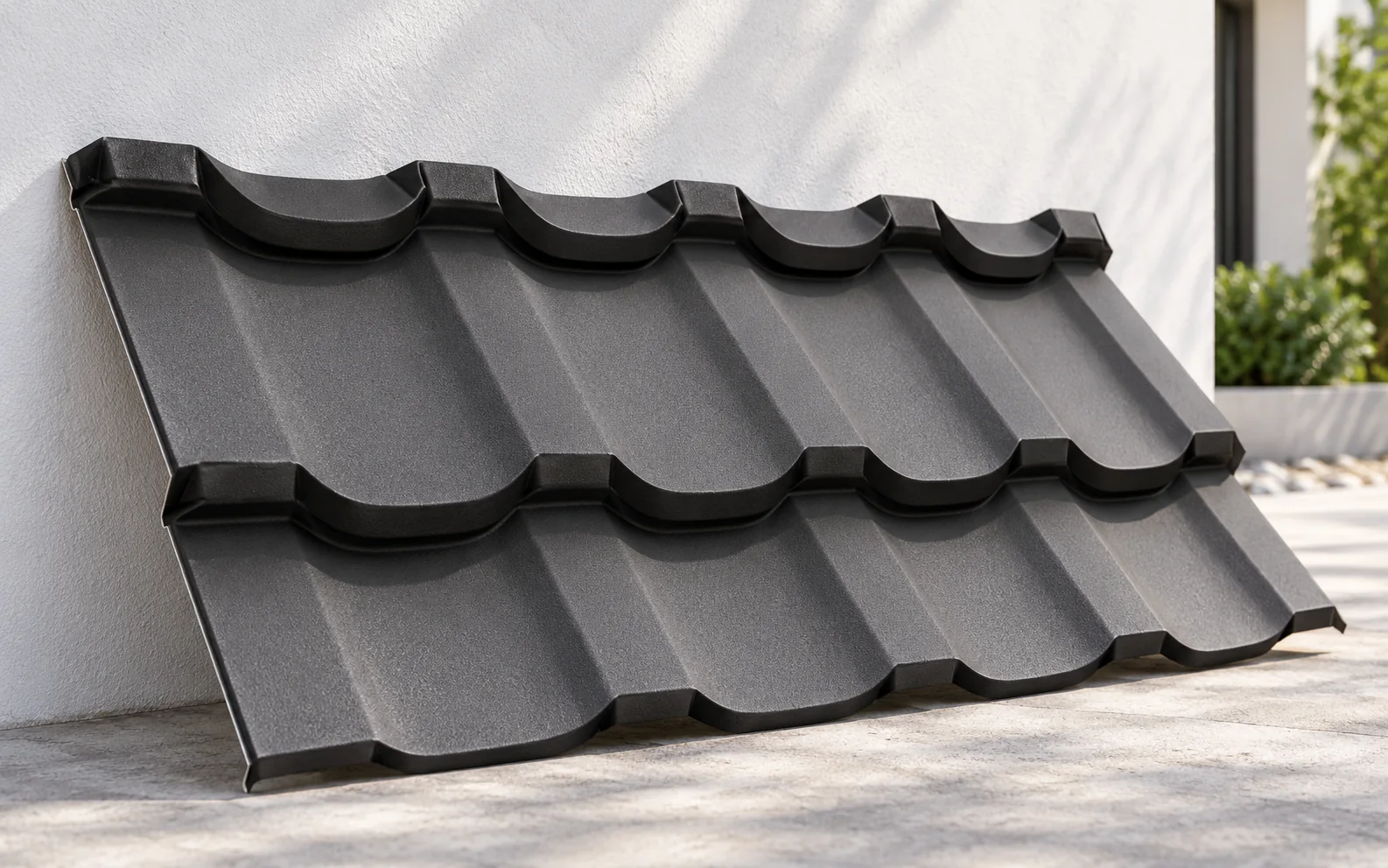
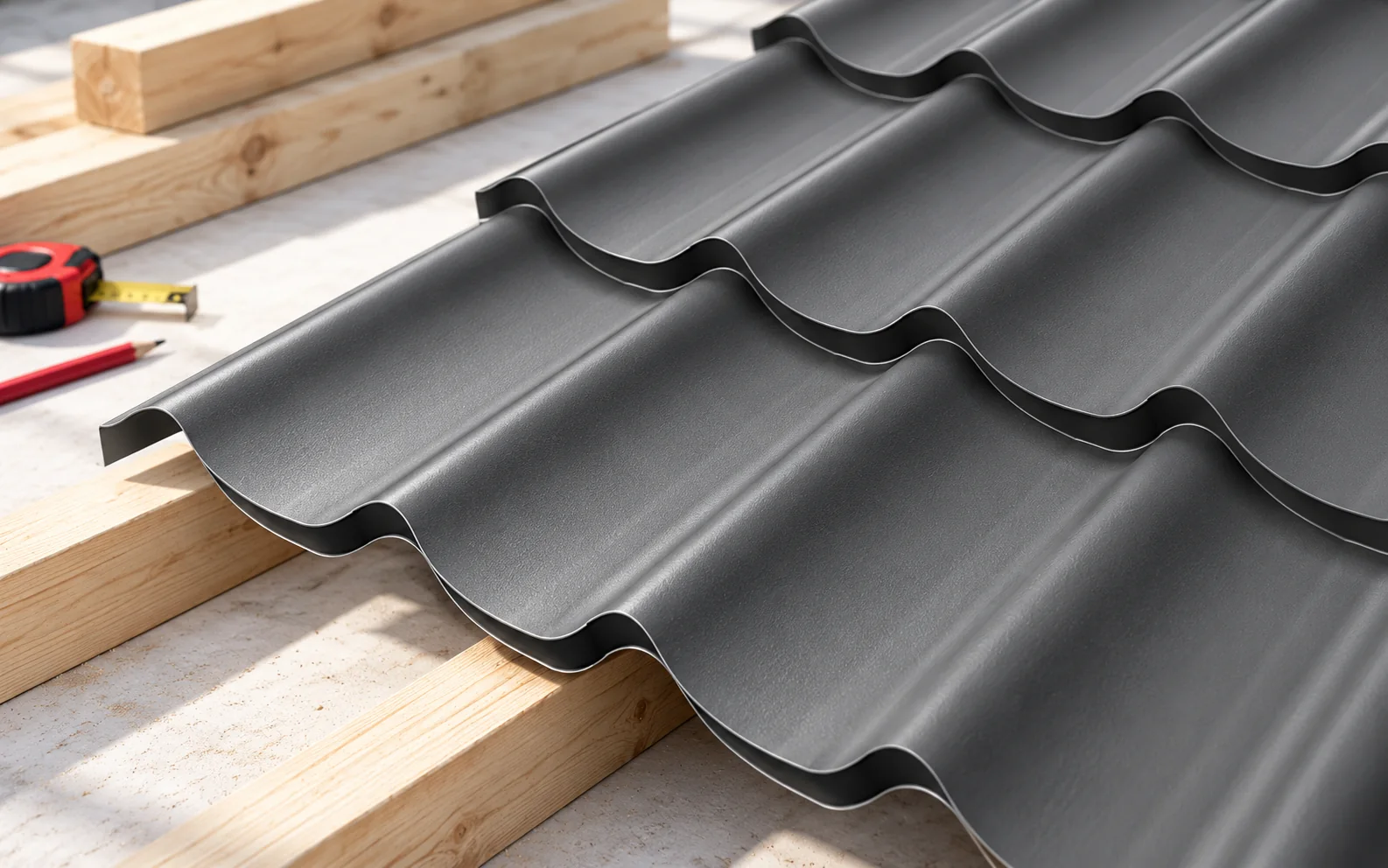
Concrete tiles and tile-effect steel place different loads on the same roof and call for different delivery arrangements. Compare their weight per square metre of finished roof. For concrete tiles, check the number needed per square metre. For steel, use the cover width after allowing for the side lap. On a renovation, give these figures to the person assessing the roof frame. Check each system at the actual pitch, estimate valley cuts and establish which flashings the quotation includes. For a room in the roof, the insulation and interior lining also influence the noise occupants will hear.
In this guide
How much does covering weight matter?
Concrete tiles typically form a much heavier covering than tile-effect steel. Use the specific product data sheet for the figures. For tiles, multiply the weight per tile by the number needed per square metre. For steel, check sheet thickness, profile and the area to which the declared weight refers.
The frame also carries battens, insulation and other layers and must withstand snow and wind. Before reducing timber sections or changing a covering, have the designer assess the structure and its capacity. Existing damage and earlier alterations deserve particular attention.
Are both materials suitable for the same pitch?
Use the pitch limits in the instructions for each system. For concrete tiles, distinguish the recommended pitch from a lower pitch permitted with specified additional measures. Tile-effect sheets also have model-specific limits. Check the product you intend to order.
The entire assembly must keep water out. At shallow pitches, the underlay and joints need particular attention. Use the detail specified in the design. Increasing the overlap on site without checking the instructions gives no assurance of compliance.
How do long sheets, modules and individual tiles compare?
Tile-effect sheets can be cut to the measured roof length. On a simple slope this can reduce end laps. Long sheets need enough space for delivery and safe handling. Base the order on a checked cutting layout and the lengths the manufacturer permits.
Short steel modules are easier to store and handle on small roof sections. Concrete tiles are laid individually with the specified fixings. All three formats generate offcuts. Valleys, hips, dormers and the starting position of the courses influence actual material consumption.
What changes in the supports and installation?
Set batten spacing for the chosen covering. A change of material may require new supports and a different eaves detail. Before reusing old battens, check condition, section, fixings and alignment. A straight-looking row gives only part of the picture.
Select fixings for the system and the loads on the roof. Steel sheets require suitable screws and seals and careful handling of the coating. Concrete tiles require the specified fastening system. Edge zones may need more restraint than the middle of the slope. Even heavy tiles need the required resistance to wind uplift.

How does weight affect sound and summer temperatures?
A heavier covering can change roof behaviour. In the finished room, sound also depends on insulation, airtightness, the ceiling lining and its junctions. Rain striking loose samples tells you little about the noise occupants will hear.
Summer temperatures also depend on insulation, ventilation, windows and shading. A suitable PIR board can give high thermal resistance at limited thickness. Assess thermal, acoustic and fire performance separately when comparing PIR with mineral wool for the proposed assembly.
How do you price the finished roof?
List the covering, matching accessories, flashings, fixings and underlying layers. Include delivery, unloading, offcuts and labour. On a renovation, add removal of the existing roof and preparation of the structure. The basic sheet or tile rate covers only one part of this total.
Read the warranty terms and inspection requirements. A long warranty can cover a single named property of the product. Later repairs also depend on matching parts and colours. Keep the product reference and purchase documents.
Which option suits the building?
Start with the design, load capacity and permitted pitch. Then compare appearance, delivery and total cost. Cut-to-length or modular steel can suit projects where low weight and rapid covering are priorities. For concrete tiles, allow for their weight, fastening system and complete supporting layers.
Before ordering
Ask both suppliers to price the same roof drawing and include everything needed to finish the work. List any structural alterations and costs excluded from the roofing supplier’s quotation separately.
What to base your choice on
Choose the covering for the conditions on the building. Tile-effect steel offers a light covering in long sheets or short modules. The design, junction details and workmanship all influence how long the roof performs well.
7 branches. Materials closer to your project.

Free quote
Materials for your project




You may also find useful…
In Poland, the procedure for roof work depends primarily on what will change in the building. Replacing worn sheets, altering a timber…
To read a roof section, trace three paths: where loads are carried, where water drains and where heat can escape. The structural…
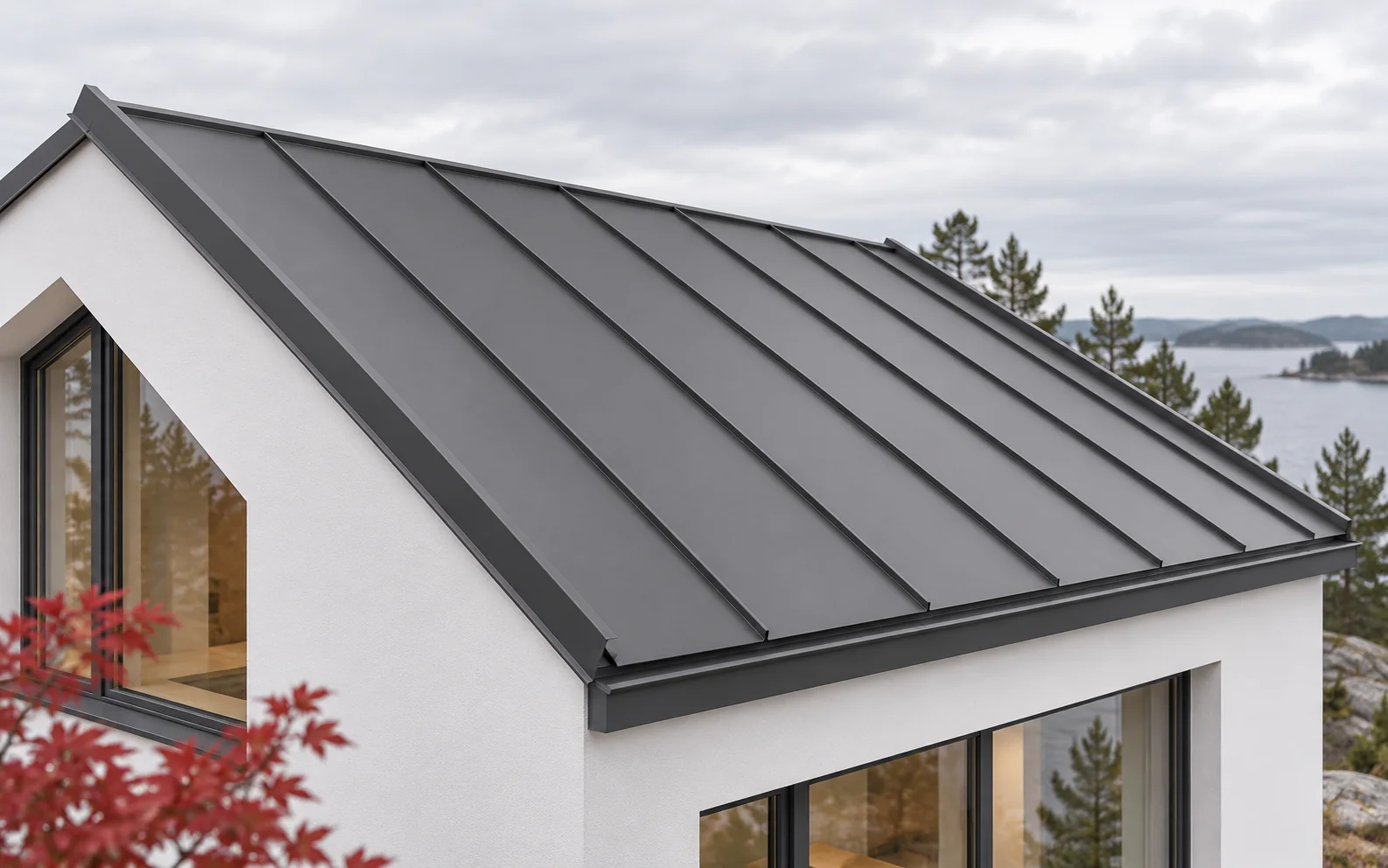
Standing seam panels give the roof a clean, longitudinal pattern, but they require a carefully prepared substrate and correctly executed details. A…
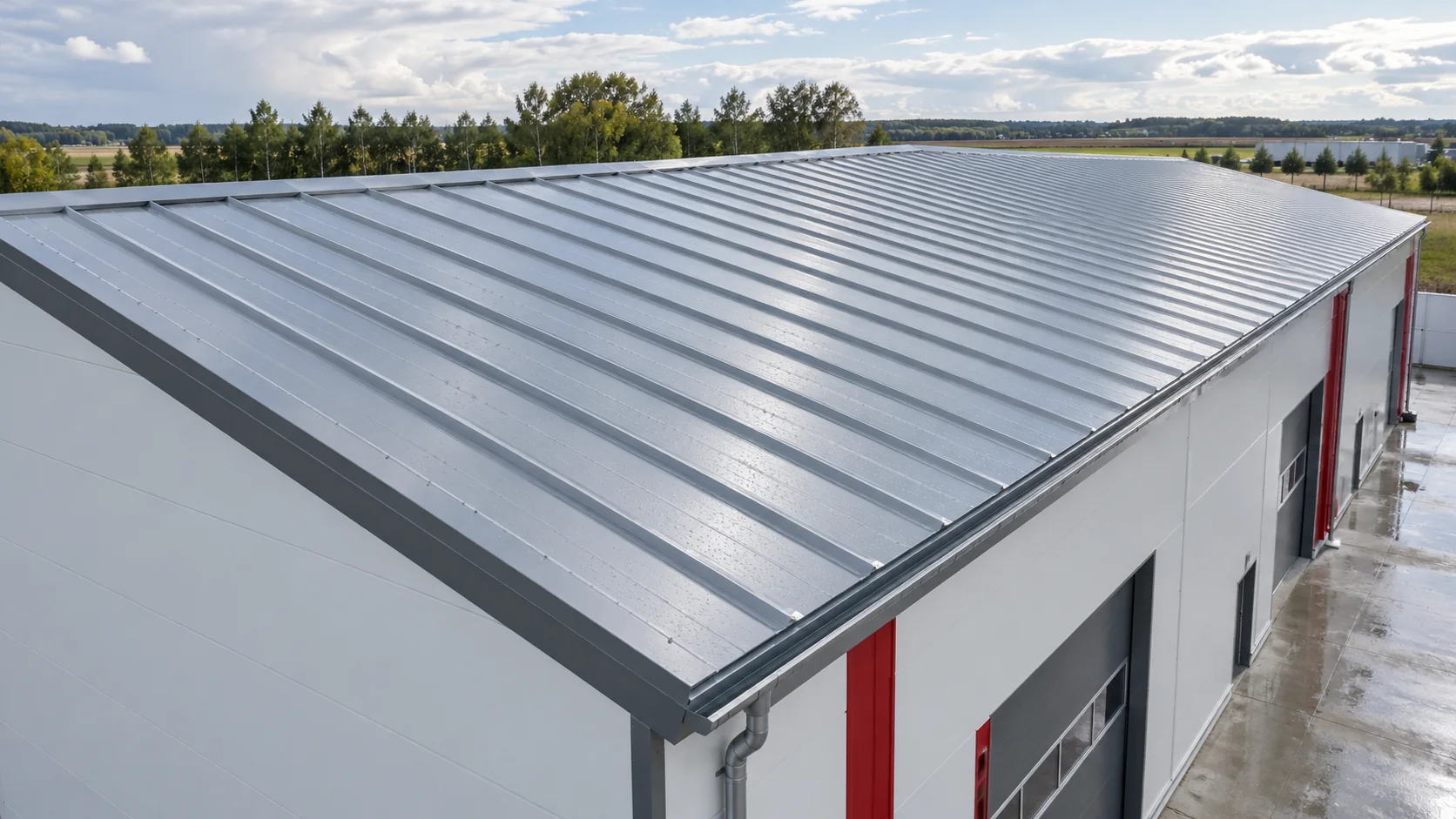
A sandwich panel roof budget should cover everything needed to make the roof weathertight and drain rainwater. Check whether the quotation includes…
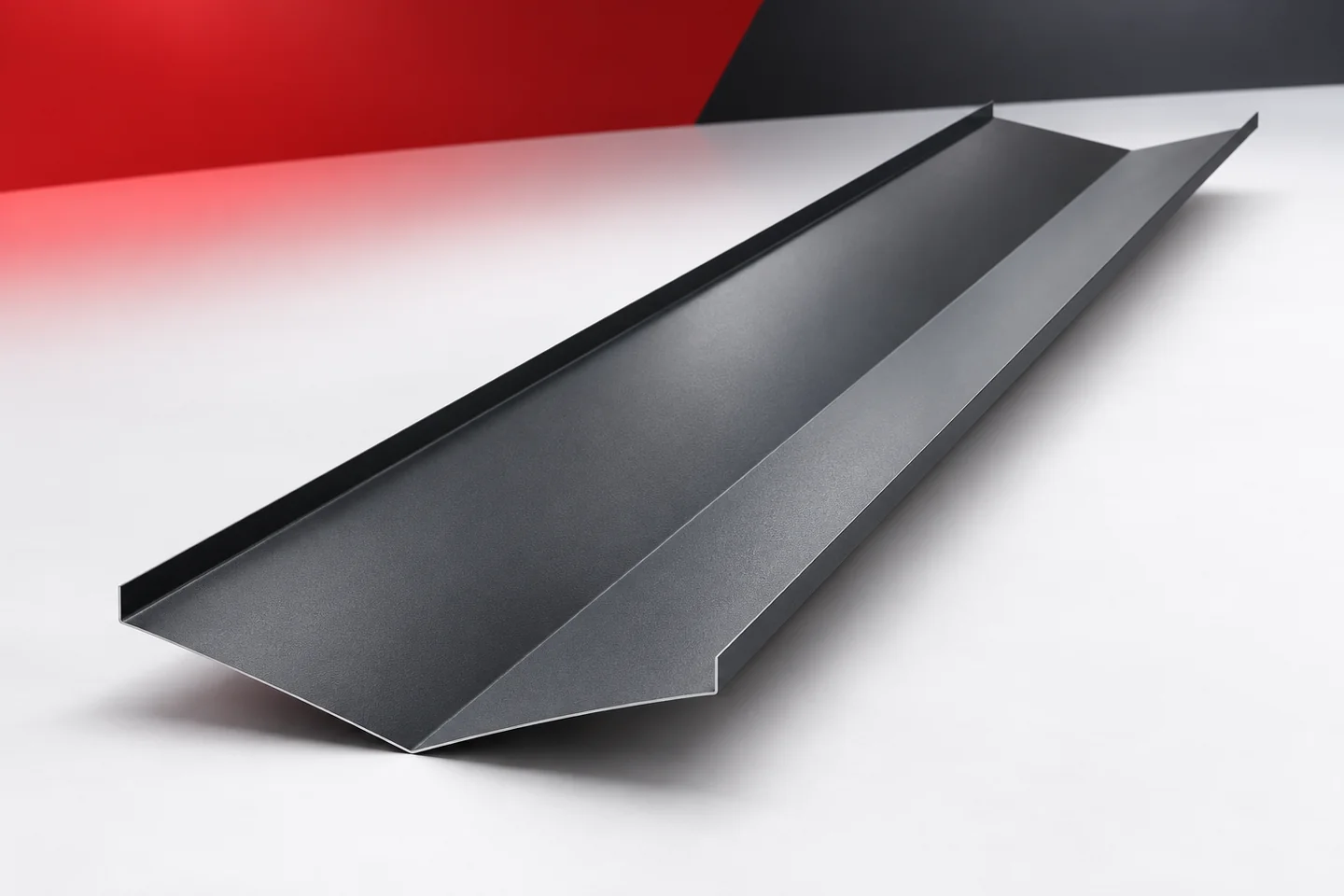
The roof valley collects water from the converging roof slopes. Its flashing must match the roof geometry and ensure an unobstructed drainage…
A sensible roof budget does not have to mean choosing the most expensive material. Savings come from a simple design, a good…
The cost of a roof depends on the area of its slopes, the sheet layout and the work needed to finish the…
The roof produces energy when light reaches it. The home also needs energy in the evening and in winter. That is why…