

Prices and purchasing
How to estimate the full cost of a roof
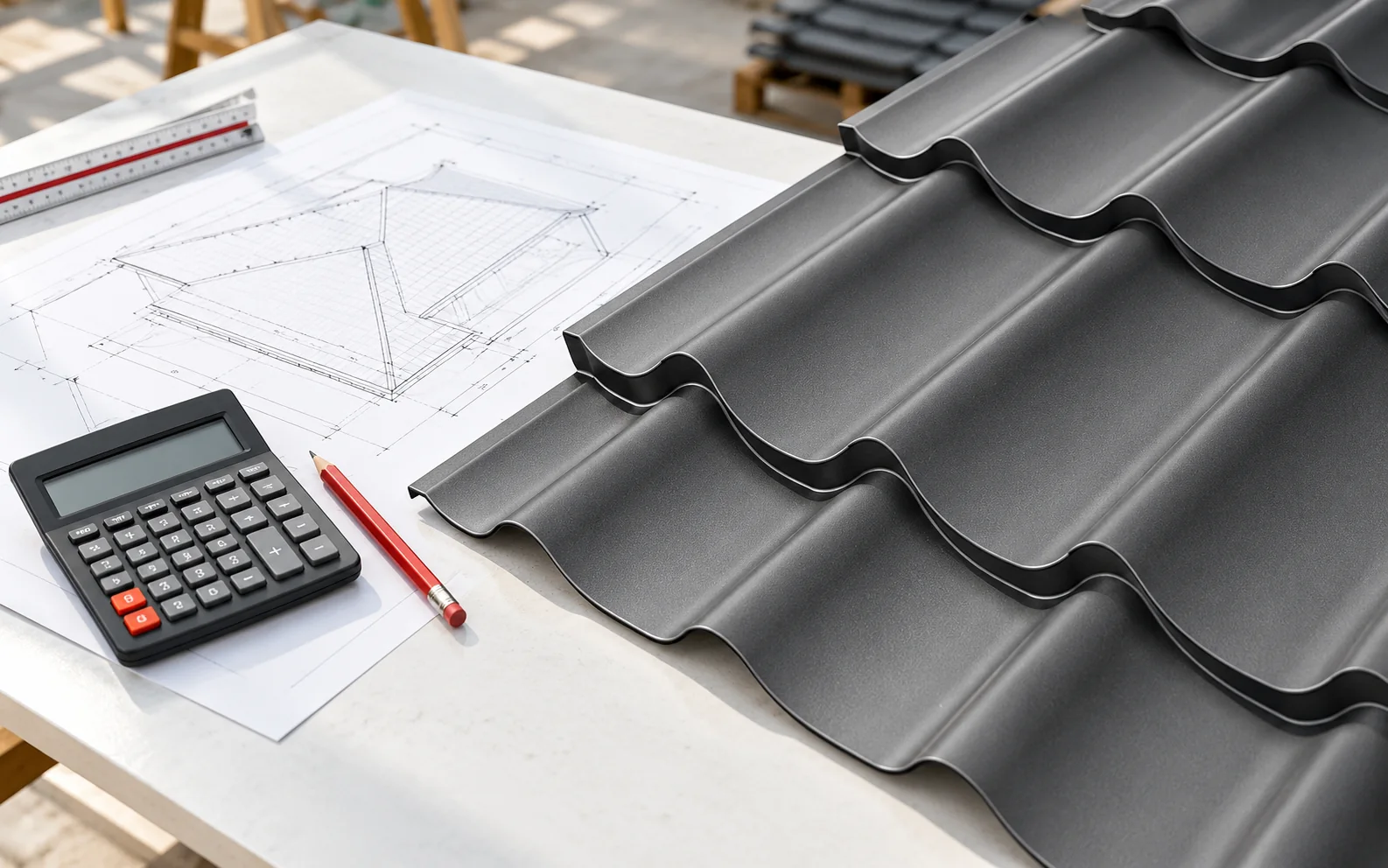
The cost of a roof depends on the area of its slopes, the sheet layout and the work needed to finish the covering. Include the structure, insulation, underlay, flashings, drainage, delivery and installation in the estimate. Even a small roof with several changes of direction can involve many cuts and extra time at the valleys. On a refurbishment, allow for stripping the old sheets and inspecting timbers that only become visible once the roof is open. Ask each contractor to price the same quantities and identify separate charges. You can then trace a price difference to materials, labour or an item missing from the quote.
In this article
Which area should you start with?
Start with a dimensioned roof plan showing each pitch and change of direction. The slopes and eaves projections make the roof area different from the footprint of the house. When renovating, take measurements on site to catch alterations that were never added to the plans.
List the lengths of ridges, eaves, verges and valleys. Mark chimneys, roof windows and planned service penetrations. Each adds flashing and installation work, so two roofs of equal area can cost quite different amounts to complete.
How much roof area does a sheet actually cover?
A sheet has an overall width and an effective cover width. Part of each sheet sits beneath the adjacent side lap. For modular tile-effect metal roofing, divide the price per module by its effective cover area. A low price per sheet or module can translate into a higher price per square metre covered.
Suppose a sheet costs about €11.57 per square metre of its overall area, excluding VAT. With an overall width of 1.17 m and a cover width of 1.10 m, the effective rate is €11.57 × 1.17 / 1.10, or about €12.31 per covered square metre. This example excludes cutting waste and any end laps.
Which material should you specify for comparison?
Align the profile, steel thickness, coating and colour across all quotes. Designations such as T18 and T35 leave other specifications open. Profiles within a family can have different cover widths and load tables. Retain the required sheet thickness when comparing prices.
On simple slopes, compare cut-to-length tile-effect sheets with modular roofing. Long sheets can reduce the number of end laps. Small modules are easier to transport and lay out on complex roofs. Use a sheet layout for each option to calculate the waste.
What needs pricing besides the covering?
Include the membrane or other specified underlay, counterbattens, battens, screws, seals and ventilation components. Add flashings at chimneys, eaves, verges and valleys. Price gutters and downpipes as a complete system, including brackets, angles and outlets.
For a heated building, include insulation and a vapour control layer. PIR boards can achieve a given thermal resistance with less thickness than some alternatives. Airtight joints and properly detailed junctions still have to be priced.

How should labour and logistics be itemised?
Ask the contractor whether the labour rate covers preparation of the substrate, flashings and gutter installation. Refurbishment also involves stripping the old covering and dealing with removed material. Scaffolding, lifting equipment, temporary rain protection and repairs to exposed roof timbers may be separate items.
Price delivery with unloading. Long sheets may require a different vehicle from a pallet of modules. A narrow entrance, limited storage or a long carry across the site can add cost. Agree the delivery arrangements before ordering so they are reflected in the quote.
How do you compare the final totals?
Send every bidder the same schedule of work. Give each item a quantity, unit, unit price and line total. Record VAT, the validity period and the estimated delivery date alongside. Clearly identify amounts including and excluding VAT.
Set the contingency according to the uncertainties on the project. On an old roof the condition of concealed timber may have a large effect. Obtain rates for likely repairs and agree how extras are to be approved. Have each additional task described and priced before it starts.
If installation is some time away, check when the quote expires. Establish whether placing the order fixes the price, when an additional payment may be due and what happens if dimensions change. Check the return conditions for standard accessories separately from the terms for custom-cut sheets.
Before you place the order
Request three figures: area to be covered, area ordered and cutting waste. Together they explain the material cost more clearly than a discount per square metre of sheet. Require an updated specification before agreeing to a different thickness or coating.
What should you take away from the estimate?
Use the dimensions and agreed scope to identify what each quote covers and where costs are missing. Once the quantities match the drawings, compare the prices. A simpler roof layout, efficient cutting and well-planned delivery can reduce costs while meeting the specified performance.
7 branches. Materials closer to your project.

Free quote
Materials for your project





You may also find useful…
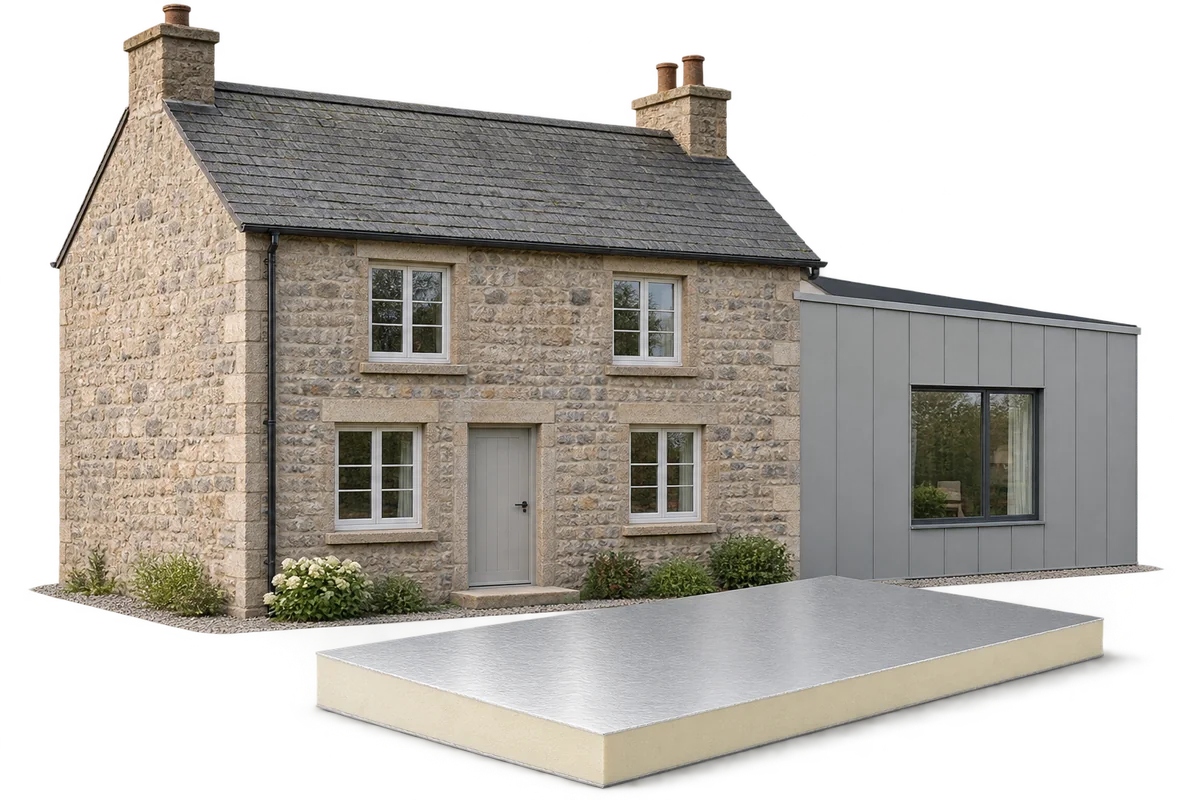
An older-house alteration needs a plan for conditions that cannot be seen during the first inspection. Removing finishes may reveal unexpected supports,…
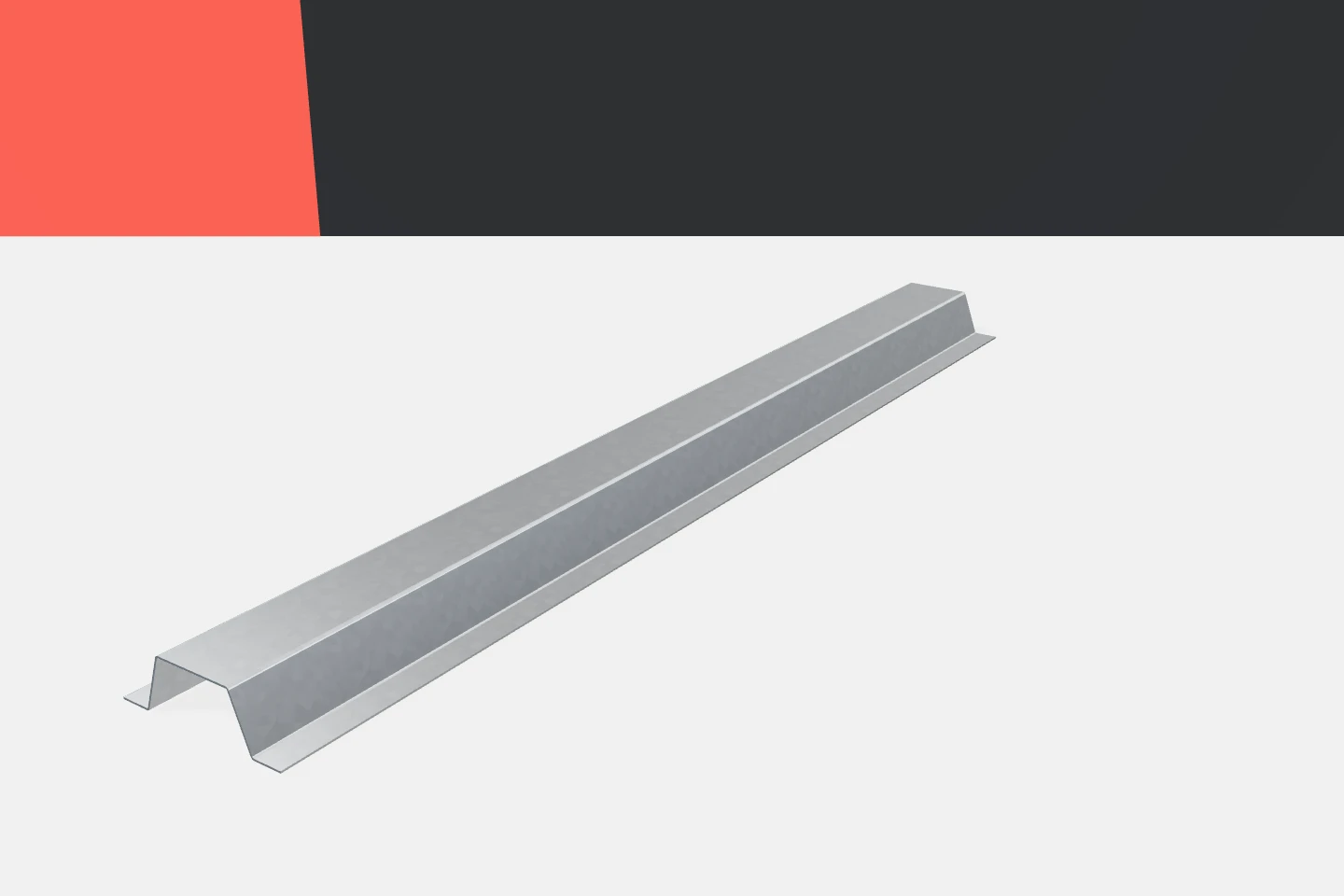
The omega profile can simplify the construction of a frame for a covering or cladding. However, it has its own geometry and…
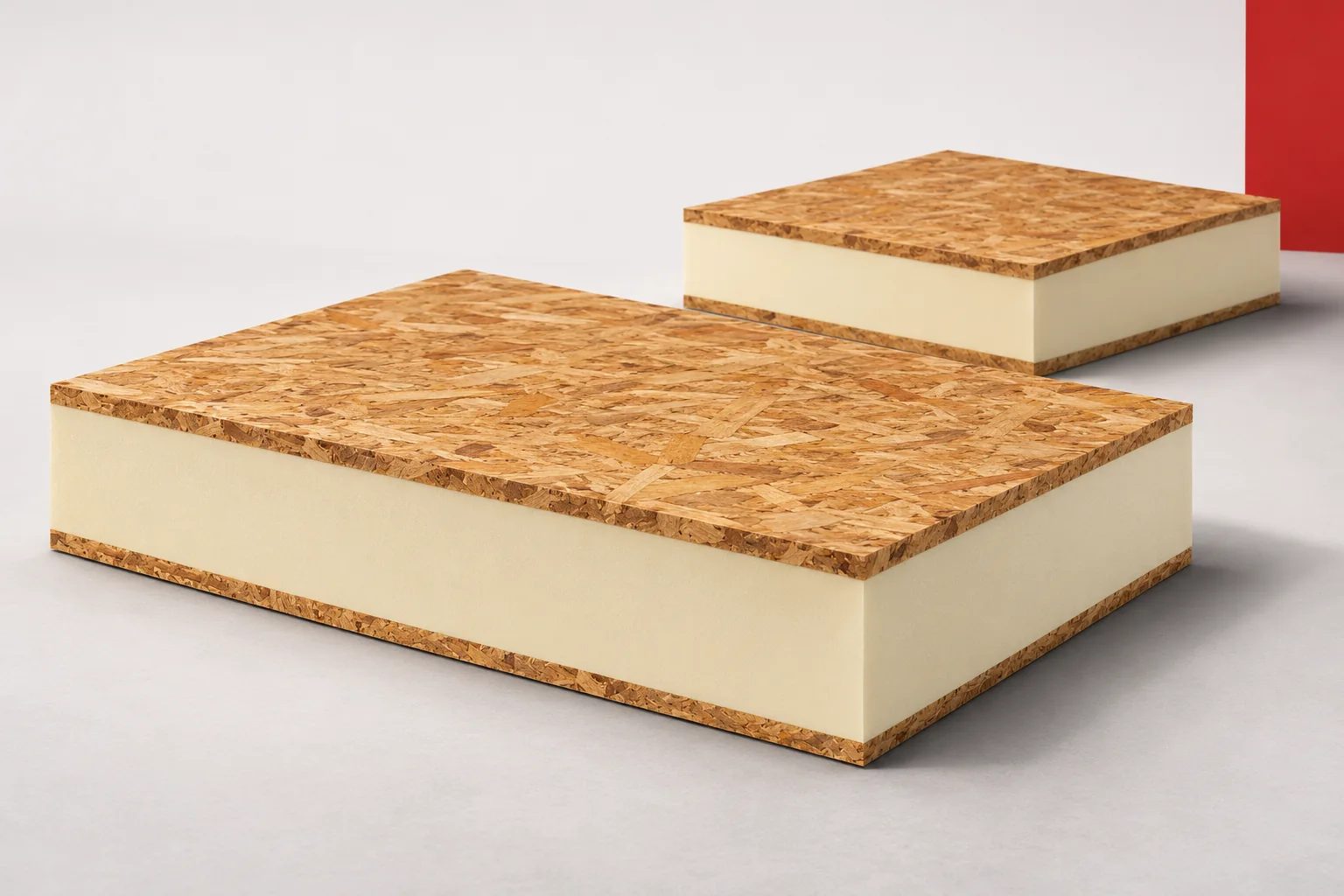
SIP panels allow several tasks to be combined in a single prefabricated component. A rigid insulating core sits between two facings. Such…
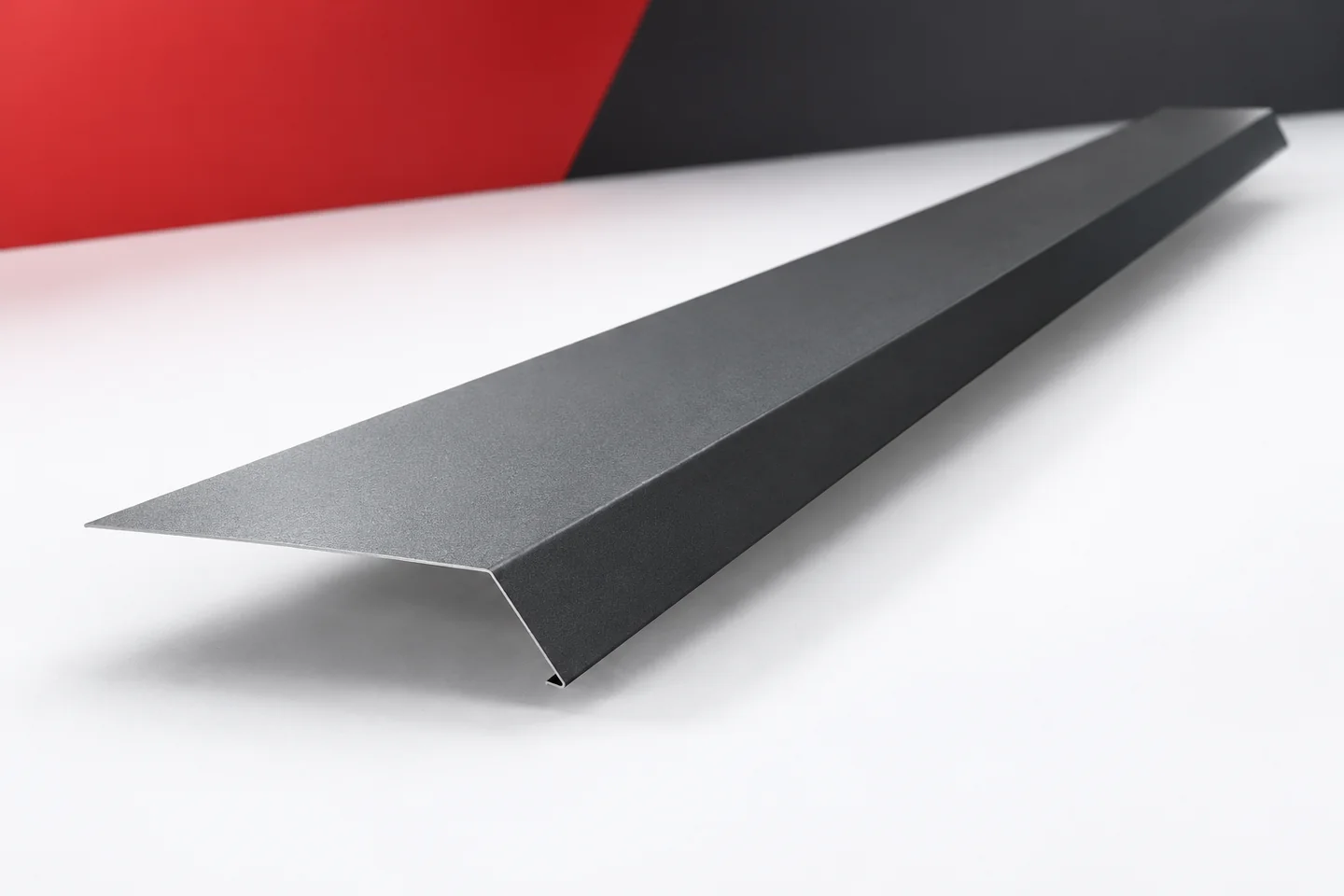
The eaves flashing is a small part of the roof, but it is responsible for an important stretch of the water's path.…
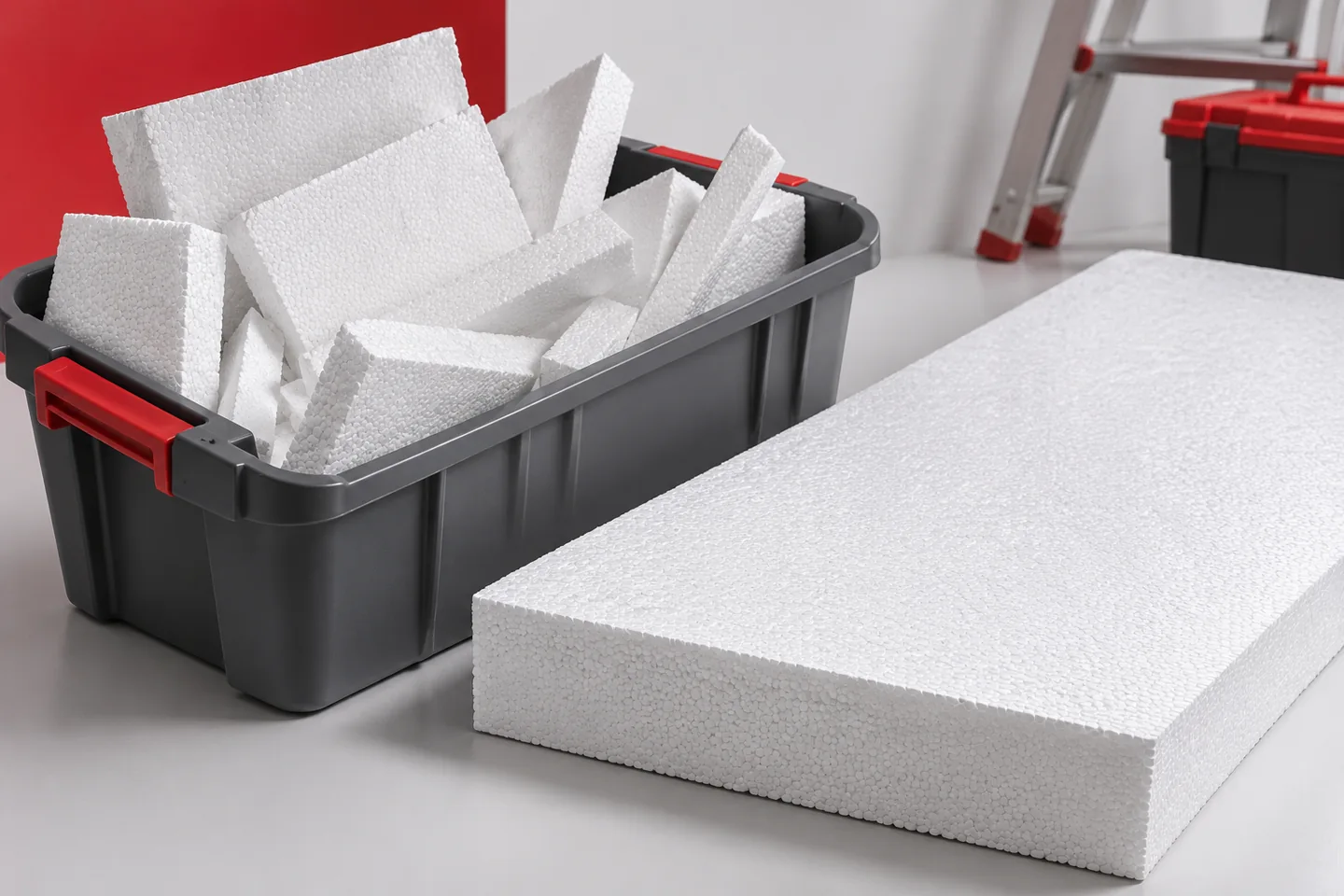
EPS can be recycled, but the route by which the waste is managed depends on its origin and purity. Offcuts from installation…
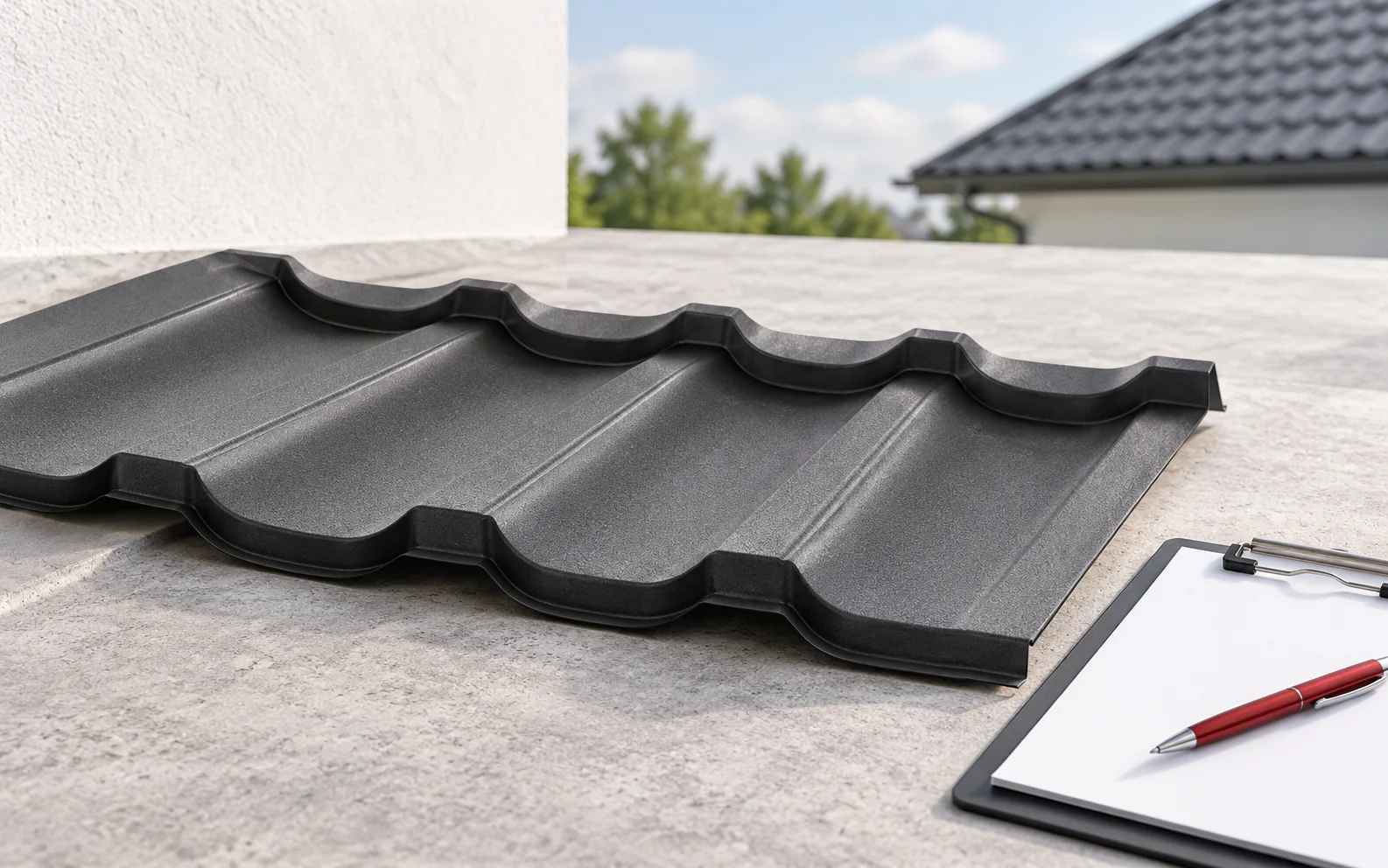
A sensible roof budget does not have to mean choosing the most expensive material. Savings come from a simple design, a good…
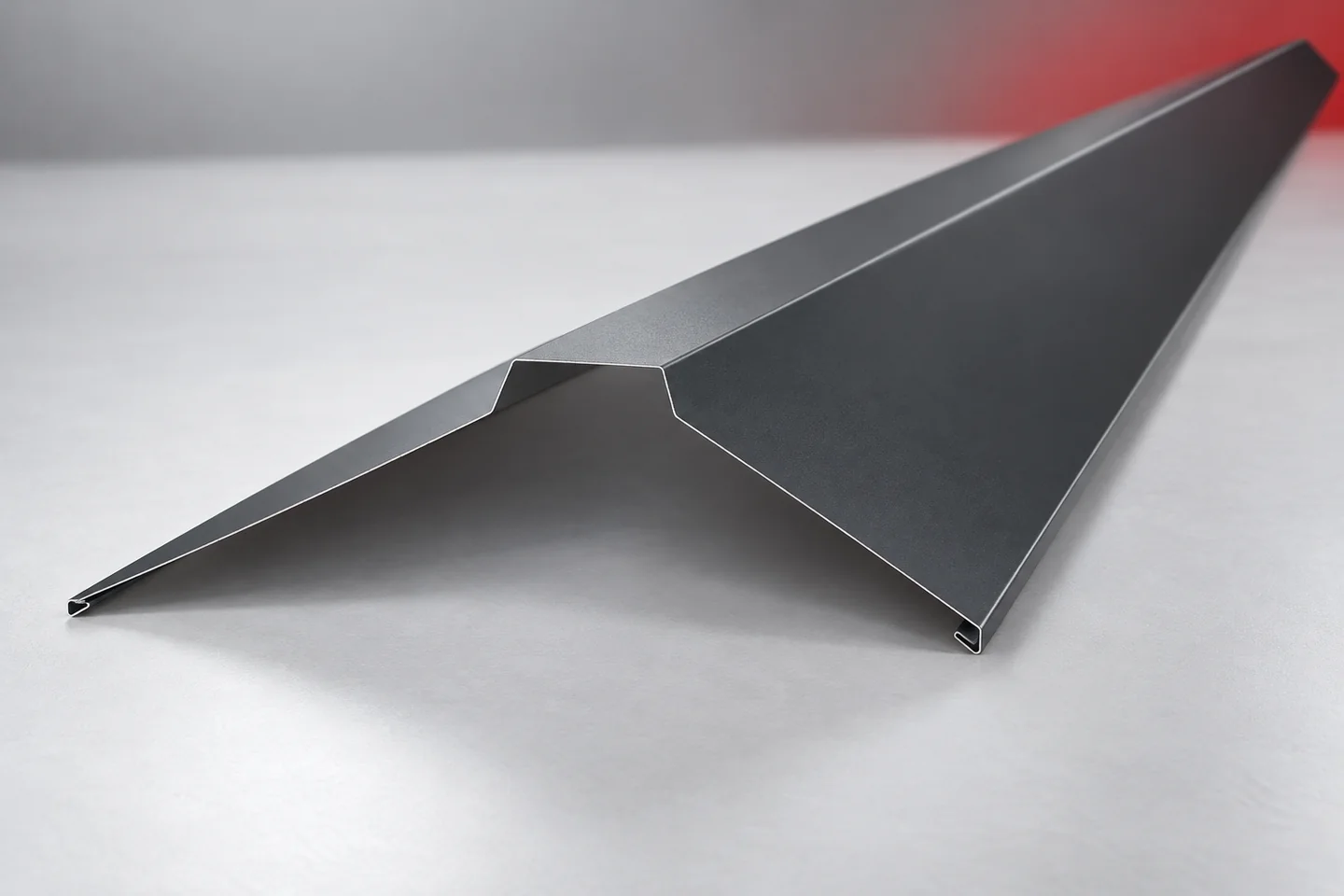
The price of a single ridge cap does not yet tell you how much it will cost to finish the roof. What…
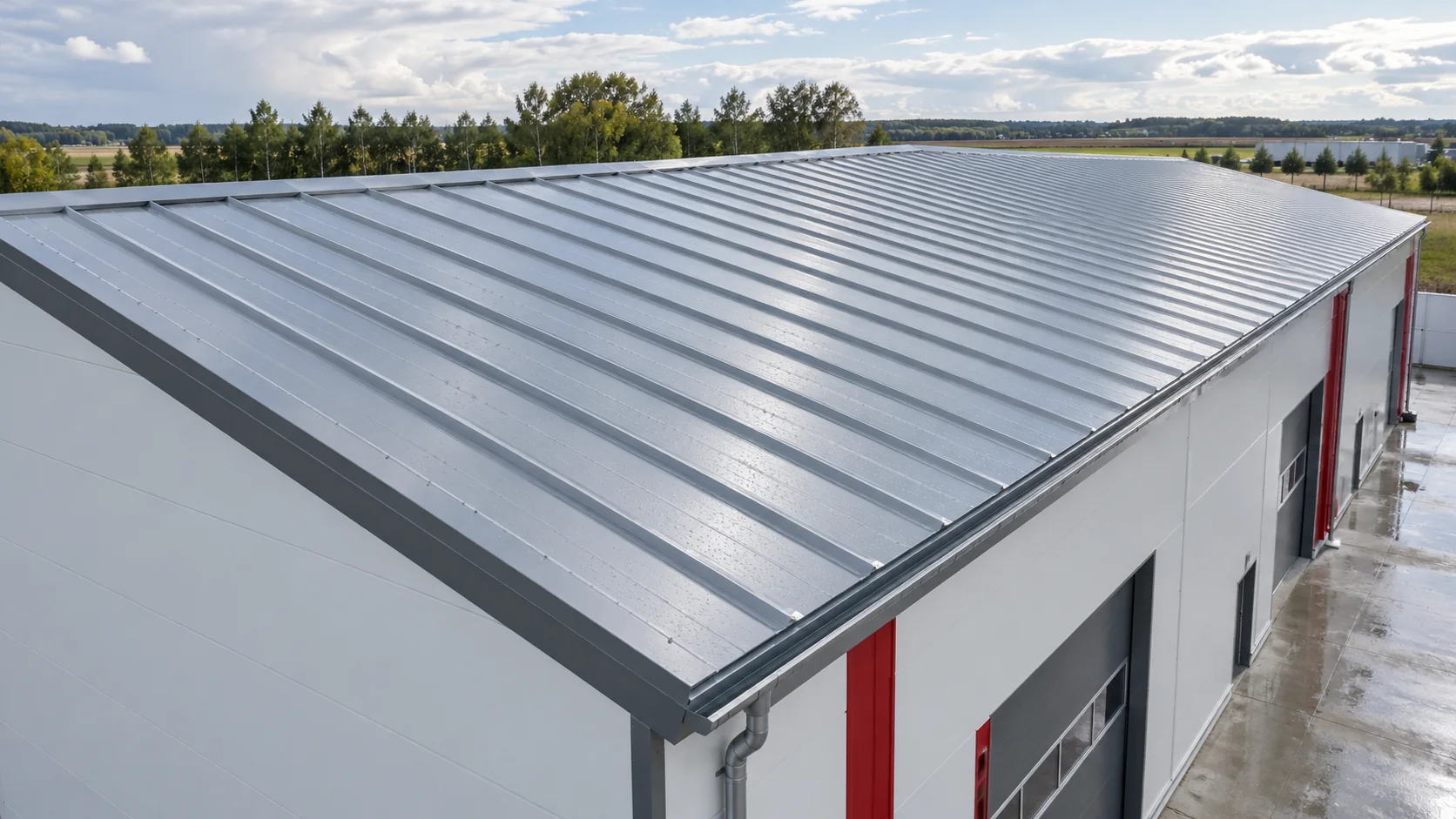
A sandwich panel roof budget should cover everything needed to make the roof weathertight and drain rainwater. Check whether the quotation includes…