

Polystyrene and insulation
Planning an external wall insulation system with EPS boards
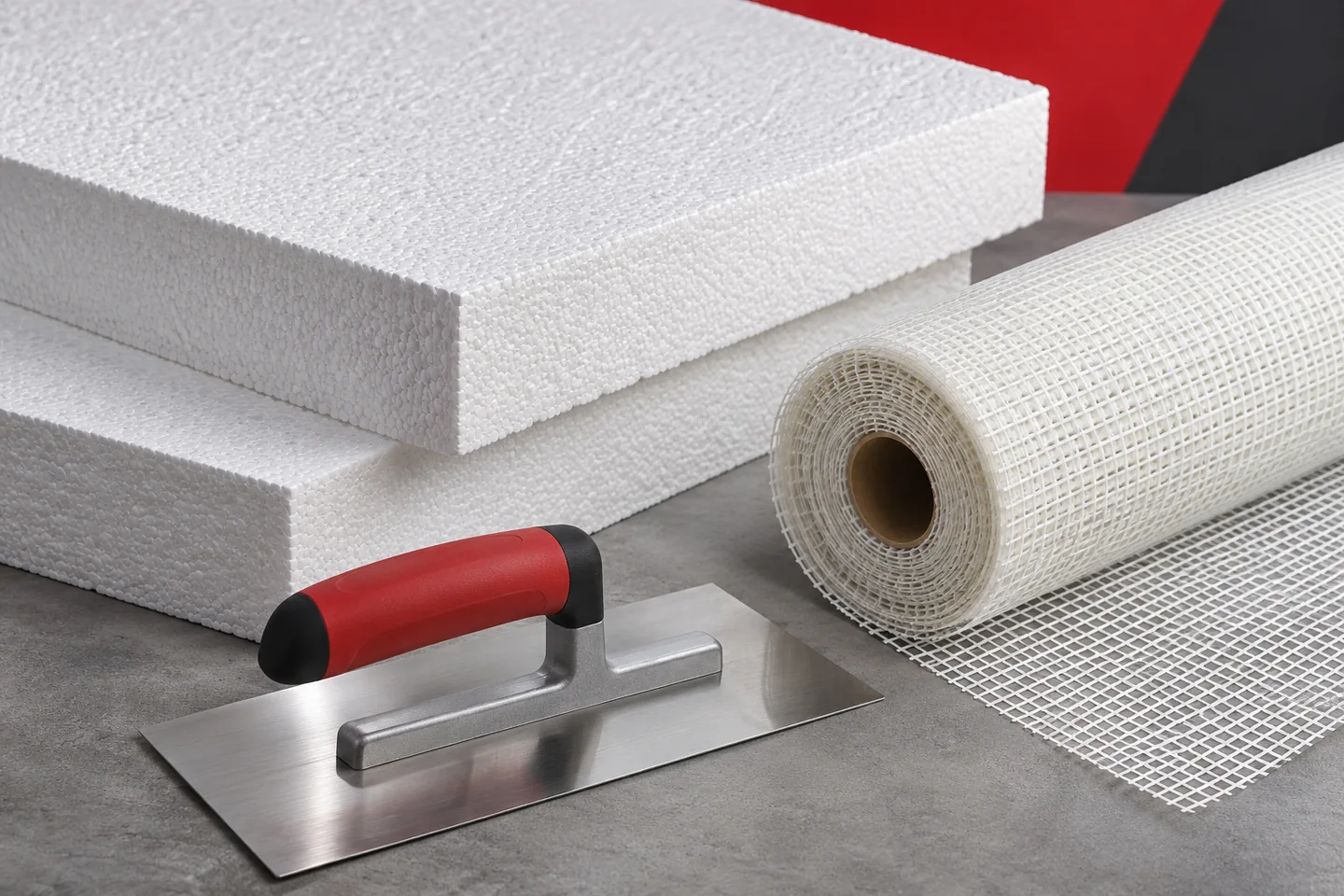
ETICS is a complete wall insulation system in which the polystyrene works together with the adhesive, reinforcement and render. Durability depends on the compatibility of these components and on the substrate and details. It is worth preparing a plan before ordering the boards. This covers the choice of thickness, fixing, connections to windows and the plinth, site conditions and stage-by-stage inspections. In an ETICS system the insulation layer is on the outer face of the wall. The reinforced layer and the finish specified in the documentation are applied to it. The boards do not act on their own here. Adhesion and the behaviour of the whole assembly depend on the materials working together. The selection should therefore not end with finding a cheap EPS.
In this article
What does a complete ETICS system mean?
The system documents are checked for the approved boards, adhesives, mesh, renders and method of fixing. Not every component must carry the same name on its packaging, but it must be covered by the relevant specification. A random substitution of mesh or mortar can change the properties of the assembly. Any substitutes should be clarified before work begins.
How to assess the wall before design?
In a new building, the evenness, load-bearing capacity, cleanliness and moisture condition of the substrate are important. In an old one, weak renders, paint coatings, cracks and earlier repairs are added. Tapping a single spot does not describe the whole façade. The scope of the inspection and any tests should take account of different sections of the wall and the type of fixing planned.
Before insulation, the causes of leaks and damp are eliminated. A gutter that floods the masonry will not stop being a problem once the boards are glued on. Structural cracks and existing movement joints must also be identified. Covering defects with a new layer makes them harder to find later and, in an extreme case, transfers the damage to the finished façade.
How to choose the boards and thickness?
The thickness follows from the wall calculation and the assumptions of the project. Lambda is a property of the material, while Uc describes the building element after the relevant corrections have been taken into account. These values are not interchangeable. In addition to thermal protection, the system requirements for TR, i.e. tensile strength perpendicular to the face of the board, must be checked.
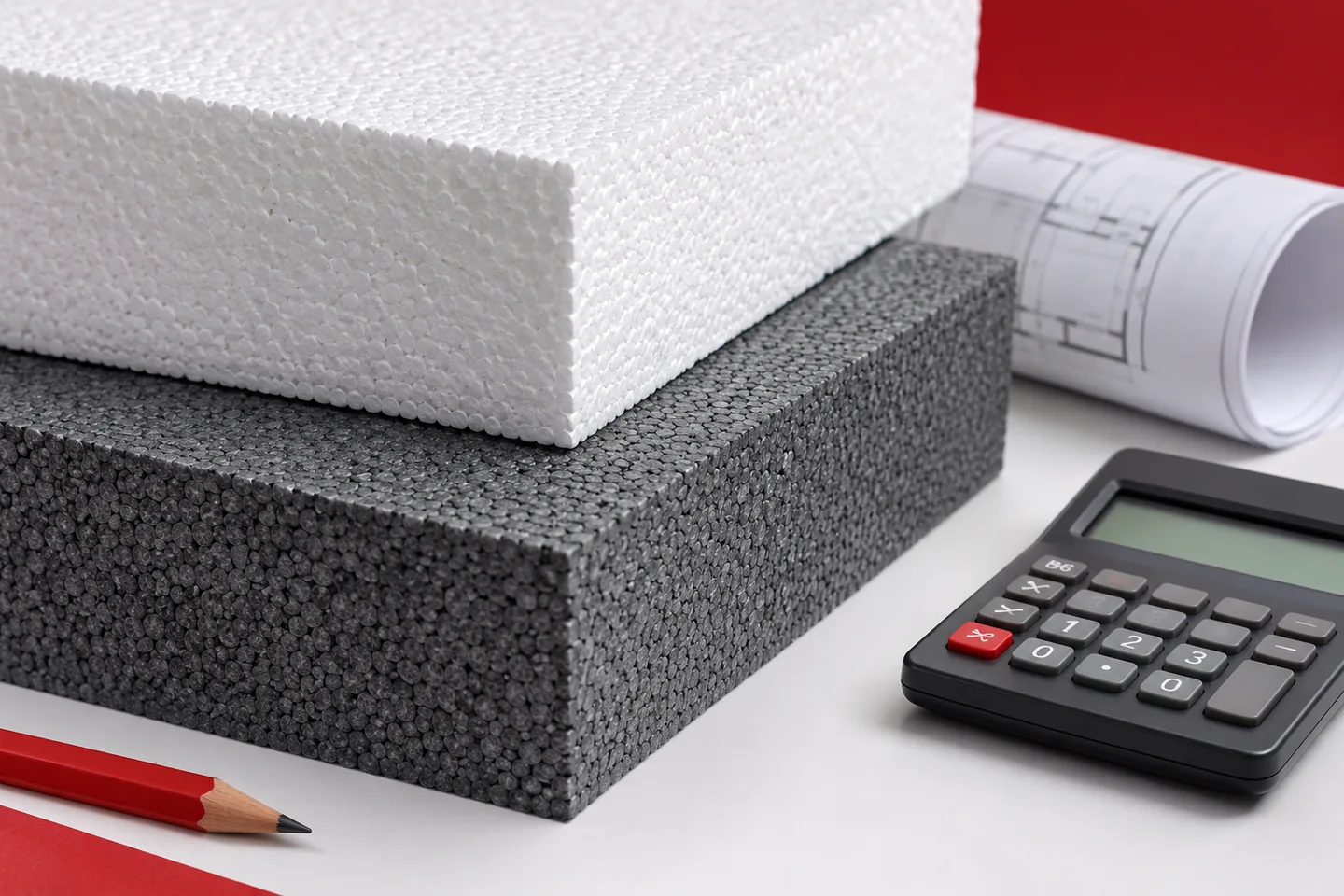
Geometry also matters. Boards with damaged corners, deformed or badly cut are harder to lay without gaps. Density does not replace the declared parameters. With graphite EPS, the work plan should include sun protection from the outset. This is part of proper organisation, not an extra ordered only once a problem has arisen.
Which details must be drawn in advance?
Before installation, establish the connections to windows, sills, roof, balcony and plinth. The insulation should form as continuous a layer as possible, and water should be drained away from the façade. It is worth checking the space for flashings and how their ends are sealed. Cutting into finished insulation later is usually more difficult than getting the detail right straight away.
The fixing with anchors is selected according to the substrate and the loads, including wind suction. There is no single number of anchors suitable for every building. Particular conditions may occur at wall edges and corners. The design should also cover heavier items suspended on the façade. EPS is not an independent substrate for fixing them.
How to set out the schedule and inspections?
Work is easiest to inspect before the next layer is covered. It is therefore worth providing for acceptance of the prepared masonry, the gluing of the boards, the anchors and the reinforced layer. Photographs are helpful, but they should show specific places and stages. A general view of the finished wall will not confirm the bonding area or the anchorage length.
The schedule must take account of temperature, rain, wind and technological breaks. The data in the mortar instructions also refer to the substrate and the curing period. It is not enough to check the weather at the moment work begins. The reinforced layer and the render need time to develop their properties, and covers do not solve every weather problem.
What to agree with the contractor before purchase?
In the contract and the bill of materials it is worth specifying the system, the board type, the thickness, the fixing and how difficult details are to be executed. Also agree the scope of substrate repairs and responsibility for the flashings. This way the cost estimate covers the actual work, and comparison of offers is not reduced to the price per square metre of glued polystyrene.
Boards for external wall insulation are produced, among others, by Termo Organika, Knauf Therm, Austrotherm and Arbet. The suitability of a particular board for the chosen ETICS must be checked in the system documentation.
After completion, keep the declarations, labels and photographs of the stages. Record the type of render used and its colour, which will make future repairs easier. A well-planned system does not end with acceptance. It also requires functioning gutters, tight flashings and periodic inspection of places exposed to water.
7 branches. Materials closer to your project.

Free quote
Materials for your project
You may also find useful…
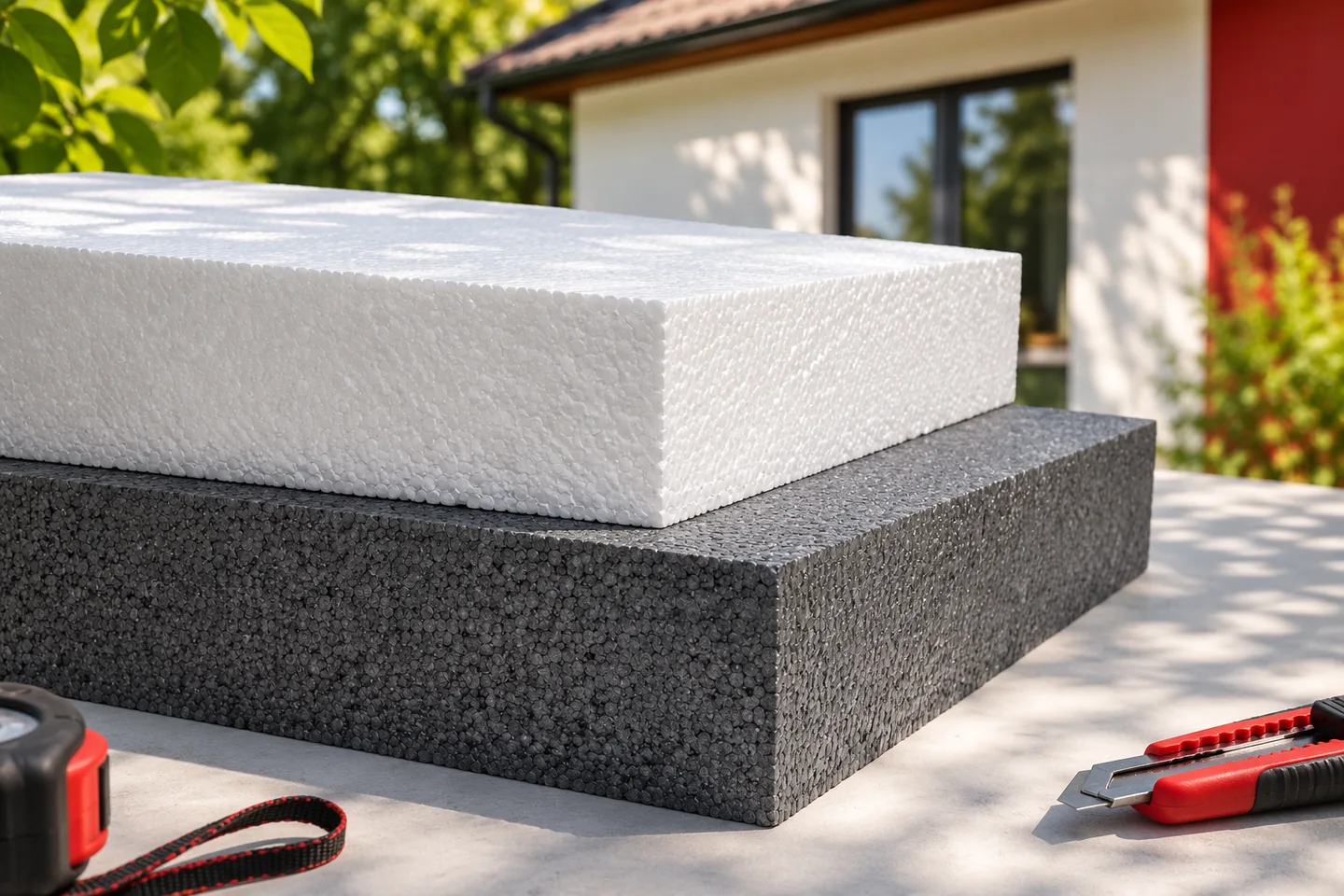
Yes, a well-insulated house can overheat in summer. Polystyrene slows the flow of heat, but it does not remove the energy entering…
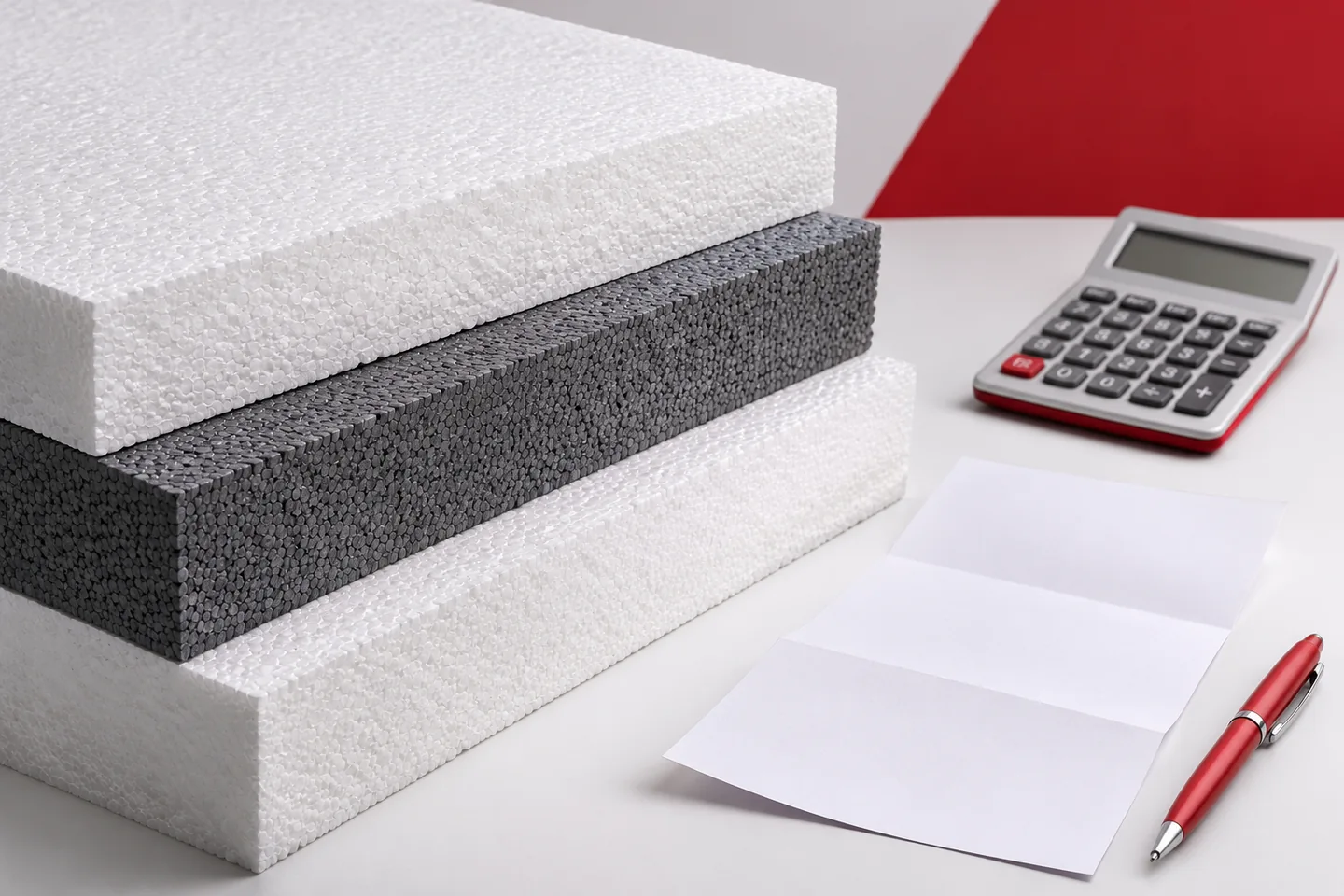
EPS price comparisons make sense only at similar thermal performance and for compatible applications. A cheaper cubic metre may require a thicker…
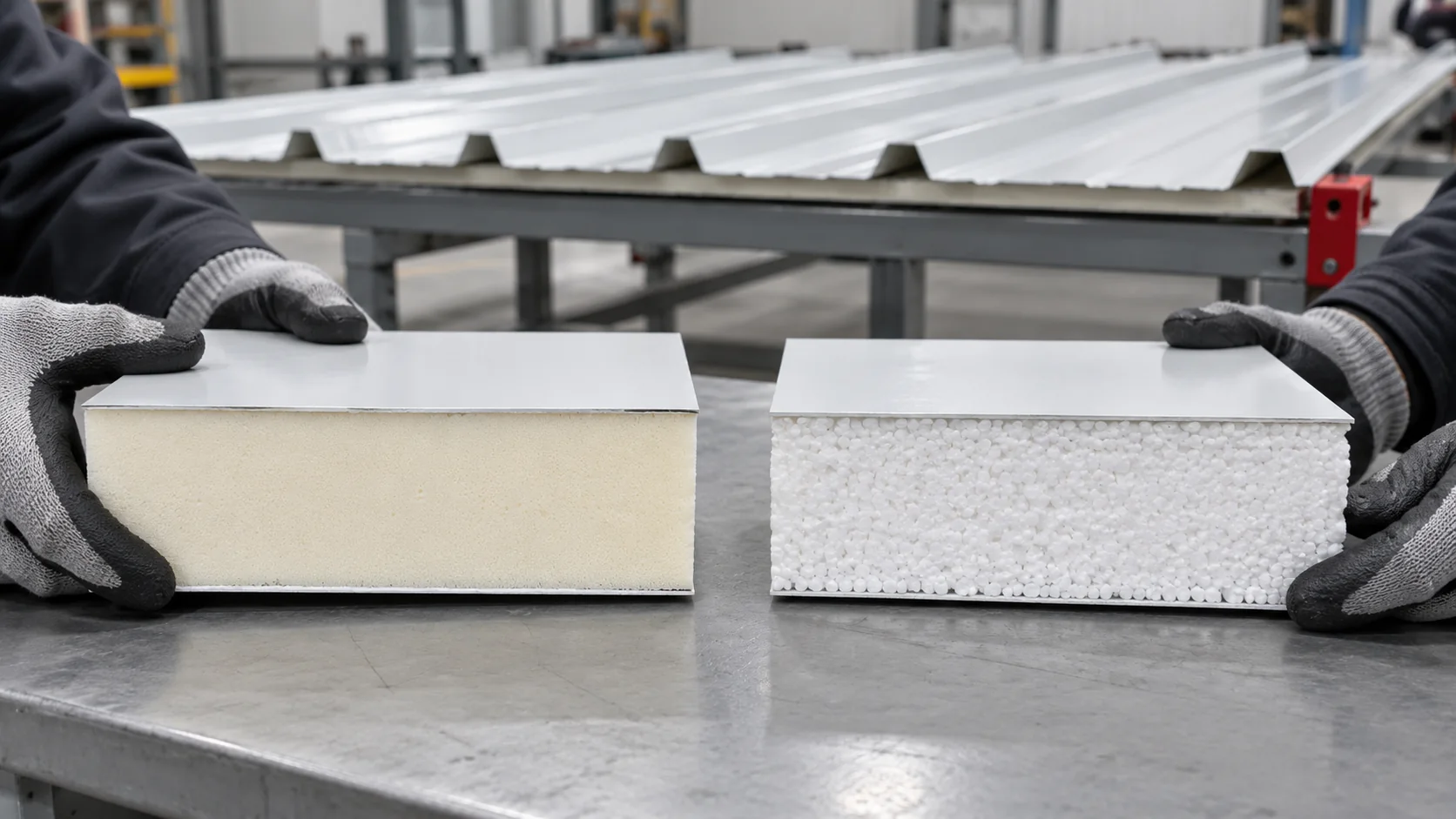
When replacing a roof, compare complete roof panels with two facings and a profile designed for roofing. The PIR or EPS core…
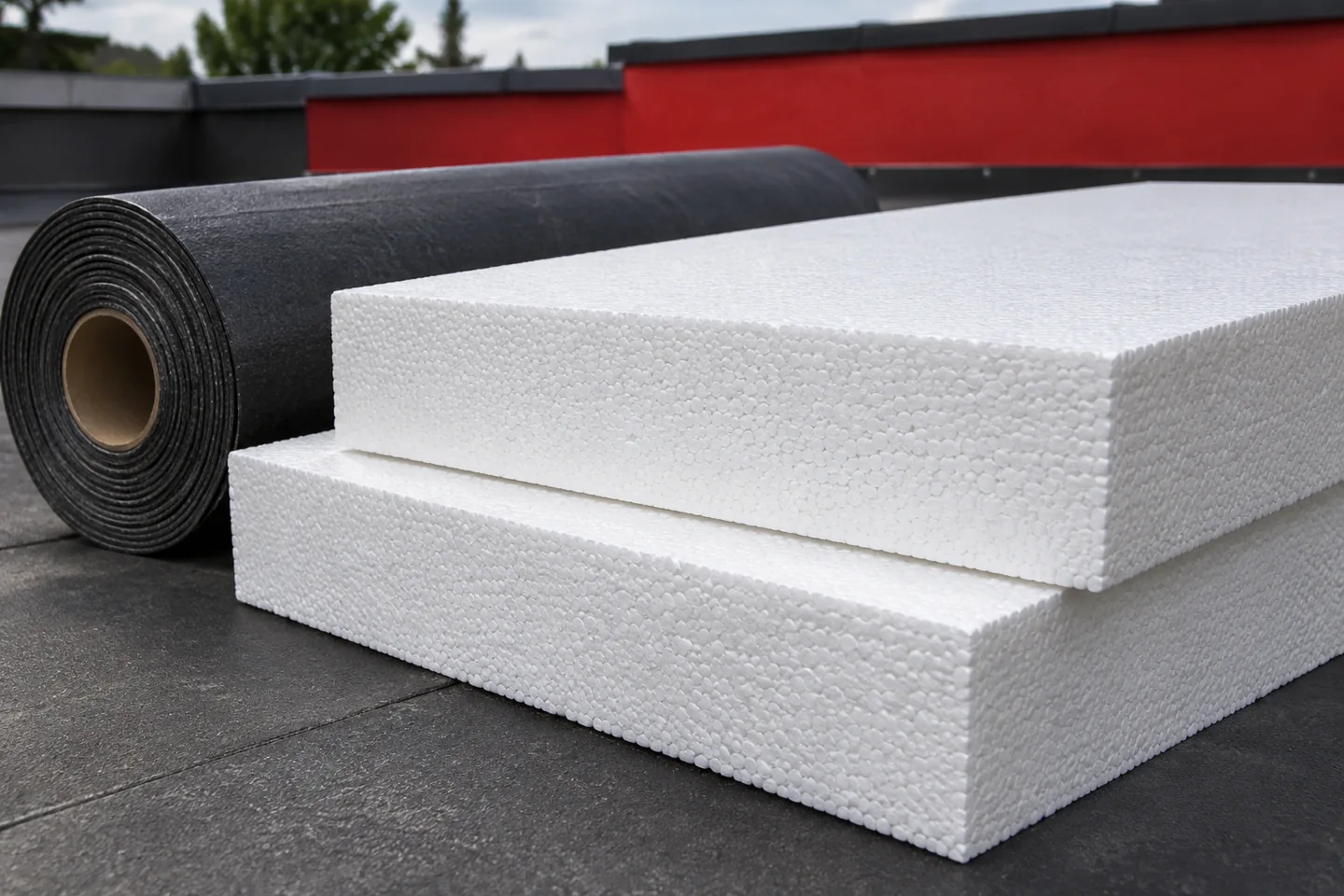
Expanded polystyrene is used on flat roofs, but it requires the right grade and a complete layer build-up. The boards must suit…
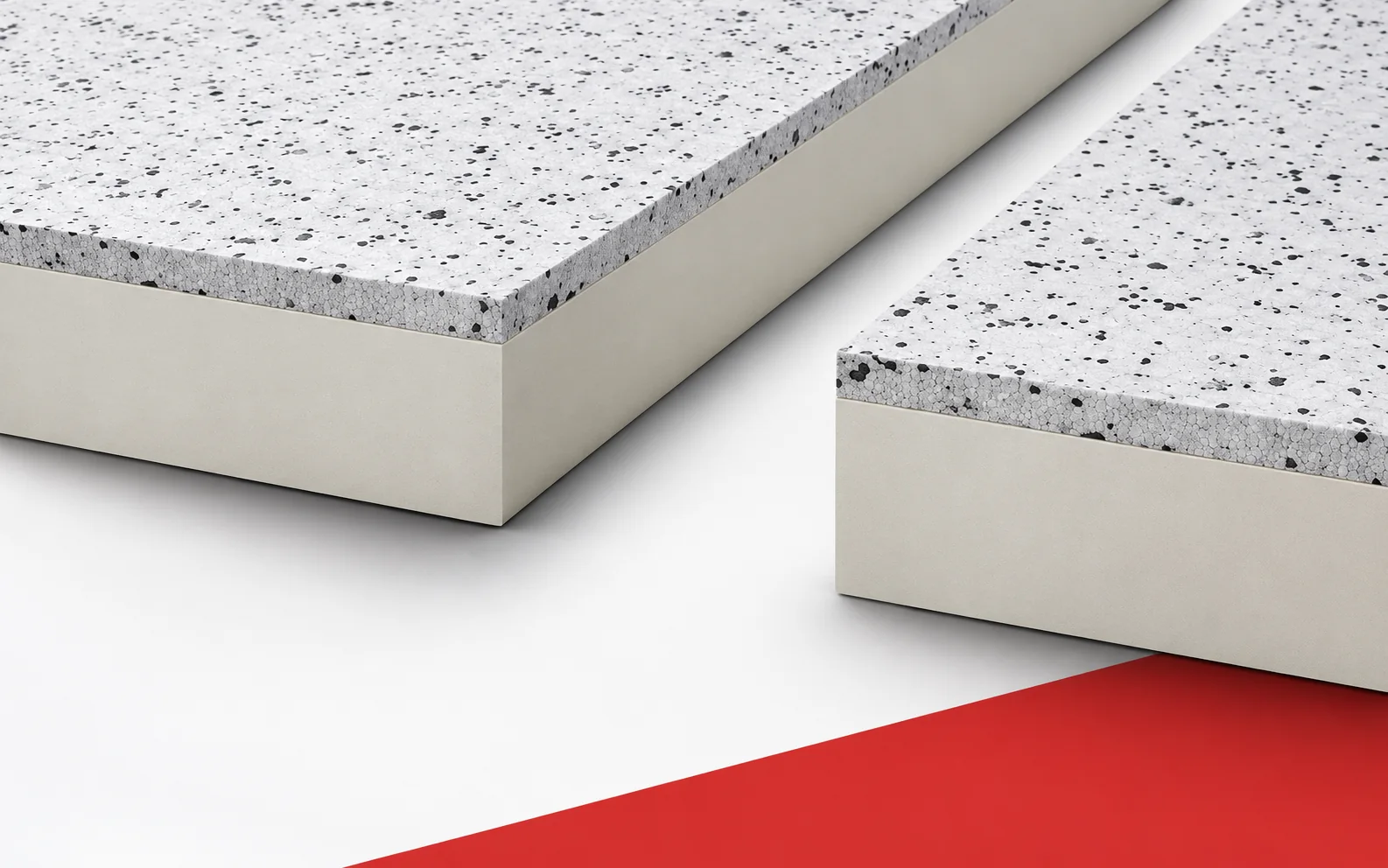
Thermano ETICS combines the low thermal conductivity of PIR with an outer layer of EPS. This solution is intended to help in…
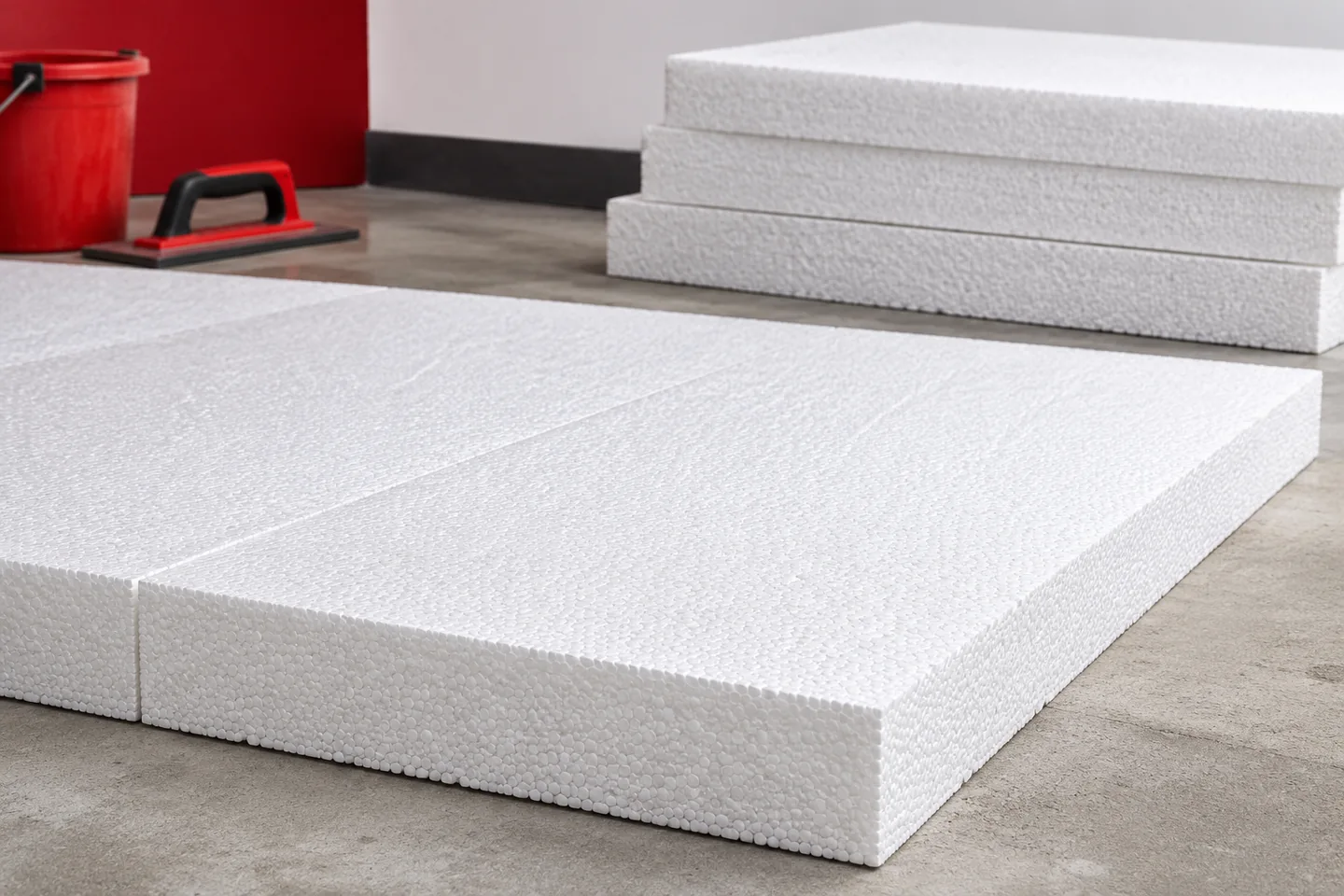
A ground-bearing floor requires continuous thermal insulation, correct protection against water and stable support for the screed. The edges at the walls…
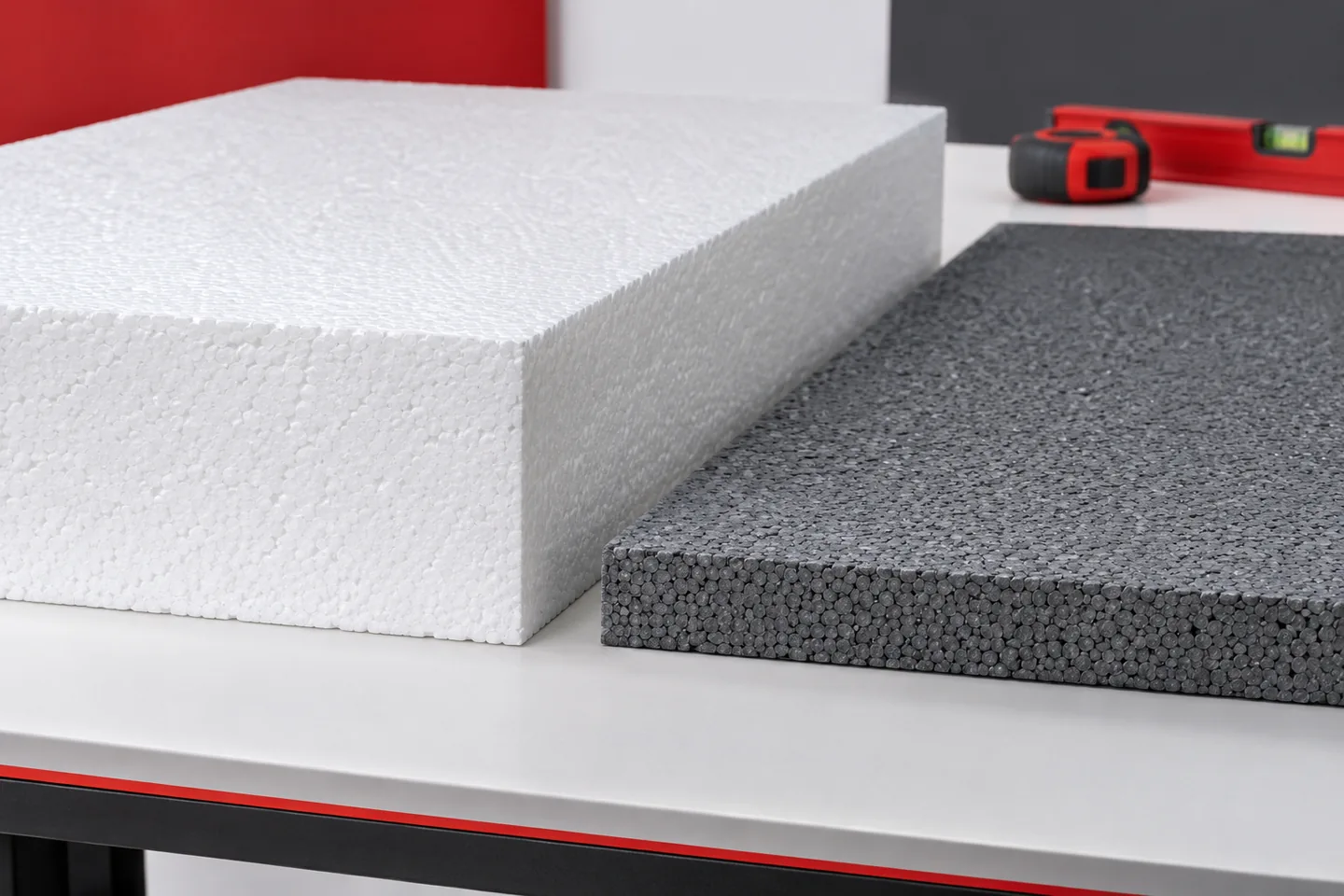
White and graphite EPS can be used for similar applications, but by definition they do not have the same parameters. Graphite usually…
Changing conductivity from 0.040 to 0.031 W/(m·K) increases the thermal resistance of EPS at the same thickness. It may also permit thinner…