Is vacuuming the gutters enough before winter?

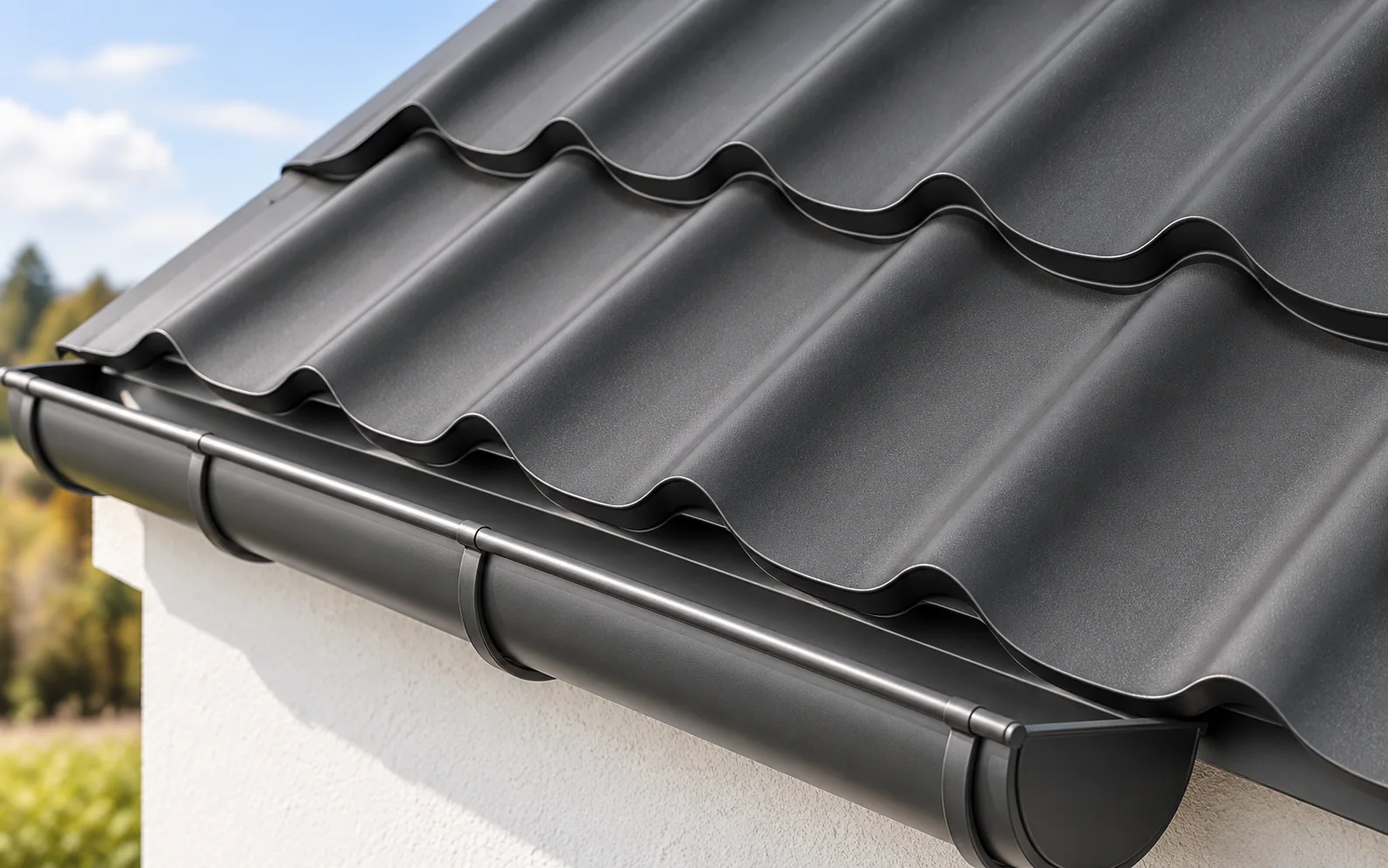
Vacuuming can effectively remove leaves, but it does not confirm that the entire drainage system is clear. Before winter, the connections, brackets, outlets and downpipes must also be checked. What matters is the flow of water from the gutter through to the point of discharge. Only such an inspection allows an assessment of whether the system is prepared for rain and thaw. Suitable equipment makes it possible to collect loose leaves and some of the deposits. Under certain conditions it allows work from ground level. This reduces the need to work at height, but does not replace an assessment of the system's condition. The area visible from below may be too small to reveal every defect. Damp deposits can adhere firmly to the base, and a blockage may lie inside the pipe.
By |2026-11-14T11:41:22+01:002026-11-14|Expert guides|Comments Off on Is vacuuming the gutters enough before winter?

Autumn roof checks before the first frost

An autumn inspection should prepare the roof for prolonged moisture, wind and snow. First, check the drainage of water, loose components and places where leaks have occurred before. Repairs should be planned before low temperatures make it difficult to use materials. It is worth repeating the drainage check after the leaves have fallen. At the beginning of autumn it is easier to find a dry period for repairing the covering or a connection. Some materials require a specific temperature and drying time. Postponing a minor defect until the first frosts can restrict the choice of a correct repair method. At the same time, cleaning the gutters too early does not complete the task at a house surrounded by trees. After a few weeks they can fill with leaves again.

By |2026-11-14T11:41:20+01:002026-11-14|Expert guides|Comments Off on Autumn roof checks before the first frost

How to protect a metal roof against corrosion

Corrosion protection begins with selecting the sheet metal to suit the environment, and later depends on transport, installation and care. Coating thickness alone does not describe overall durability. Edges, fasteners and places where water accumulates are also important. A rusty trace should be checked immediately, before the damage spreads. Roofing sheet has a steel core and protective layers. The metallic coating and organic finish perform different, complementary functions. Damage to the outer layer does not always mean perforation straight away, but it can impair protection at that point. That is why the entire product description must be compared when purchasing. The type of protection, the steel thickness and the declared application all matter.

By |2026-11-14T11:41:18+01:002026-11-14|Expert guides|Comments Off on How to protect a metal roof against corrosion

How to remove moss and green growth from tile-effect metal roofing

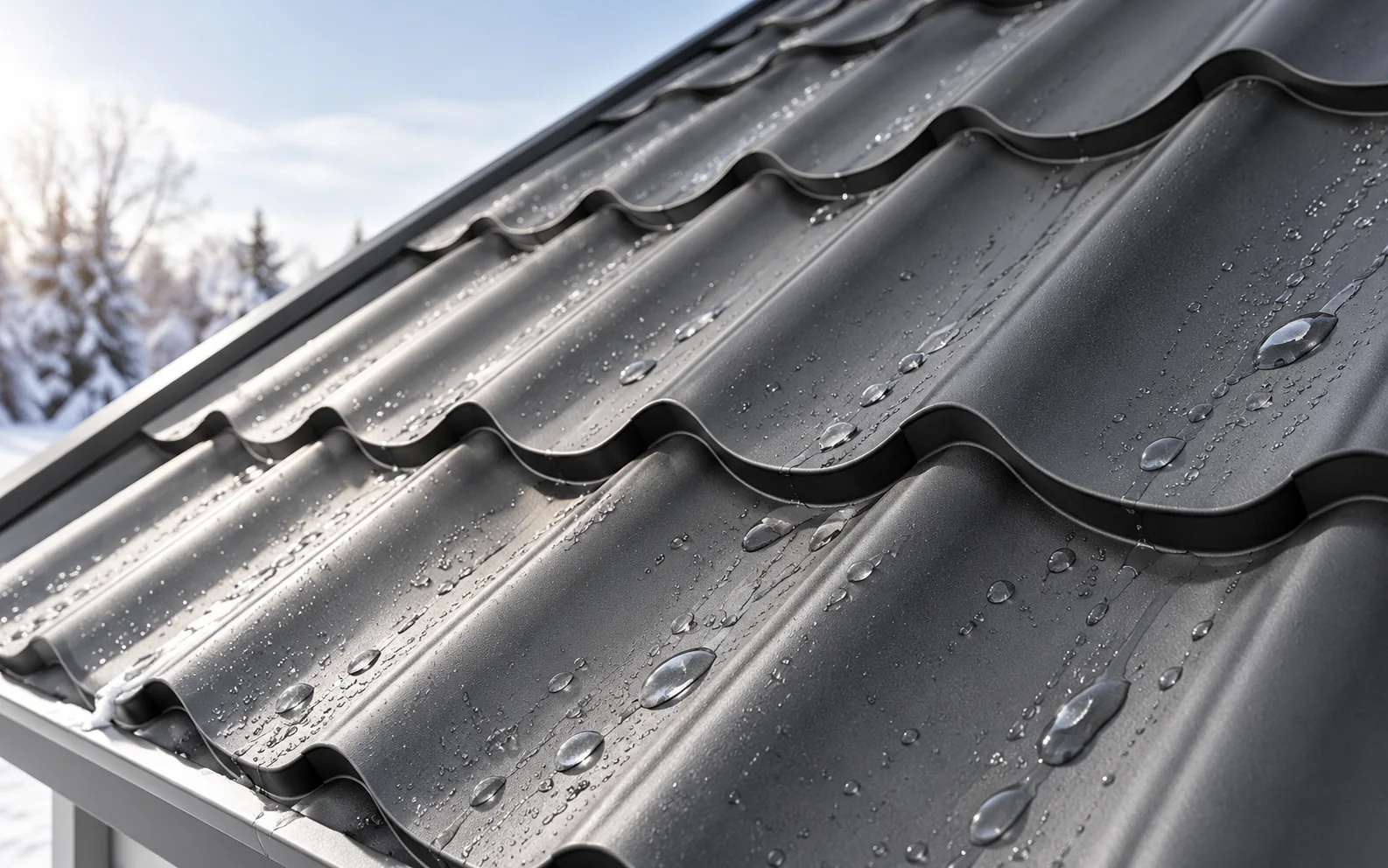
Green growth on the sheet metal must first be identified and then removed using a method that is safe for the coating. Scrubbing with a wire brush and the haphazard use of strong chemicals can cause more damage than the soiling itself. After washing, it is worth finding the places where moisture, leaves and shade persist. Pollen, algae and other contaminants can settle on the roof. Moss forms a thicker, more three-dimensional layer that retains water and fine debris. Identifying the problem helps in choosing the cleaning method. Not every change in colour requires a biocide. It is worth first examining a small area after gentle washing. If the discolouration remains, it is necessary to assess whether it relates to the growth or to the coating itself.

By |2026-11-14T11:41:16+01:002026-11-14|Expert guides|Comments Off on How to remove moss and green growth from tile-effect metal roofing

Roof maintenance: how often to inspect a roof and what to do

Roof maintenance involves removing dirt, checking joints and repairing minor damage. It does not mean painting the entire roof slope every year. The maintenance plan should take account of the roofing manufacturer's instructions, the building's surroundings and events such as hail or storms. This ensures that servicing reflects the actual condition of the roof. Rain washes away some dust but does not remove all deposits. Leaves may remain in the gutter, and dust can accumulate at the profiling. Damp dirt impairs the working conditions of the coating. Blocked drainage directs water to places where it should not collect. A minor defect also tends to grow. A loose flashing may damage the adjacent section during the next wind.

By |2026-11-14T11:41:07+01:002026-11-14|Expert guides|Comments Off on Roof maintenance: how often to inspect a roof and what to do

How to prepare a metal roof for painting

The durability of the paint depends above all on the condition and preparation of the substrate. The old coating must be identified, deposits and corrosion removed, and leaks repaired. Only then is the renovation system selected. Paint will not strengthen weakened sheet metal and will not replace proper flashing at the chimney. The inspection should cover the entire roof slope, the sheet edges, the laps and the fixings. What matters is not only the number of rust spots but also the depth of the damage. Sheet metal with a loss of cross-section, holes or extensive delamination of the coating may need to be replaced. Also check the condition of the roof from the loft side. Corrosion hidden beneath the sheet cannot be removed by a coating applied from above. If there are damp patches, the cause must be established.

By |2026-11-14T11:41:06+01:002026-11-14|Expert guides|Comments Off on How to prepare a metal roof for painting

Restoring a metal roof: when to clean, repaint or repair it

A faded or dirty roof does not always need to be replaced. Sometimes washing and repairing a few spots is enough. Painting only makes sense after the coating, corrosion and tightness have been assessed. The best result comes from consistently renewing the roof surface, flashings and drainage together, without covering defects with a new layer of colour. First, determine what is spoiling the appearance. Dust, soot from the chimney and leaf debris can change how the colour is perceived. A dulled coating looks different from peeling paint or corrosion. Each of these problems requires a different approach. Before ordering painting, it is worth trial-washing a small, little-visible section. Once it has dried, the actual shade is easier to assess.

By |2026-11-14T11:41:04+01:002026-11-14|Expert guides|Comments Off on Restoring a metal roof: when to clean, repaint or repair it

Removing excess snow from a roof: how to plan the work safely

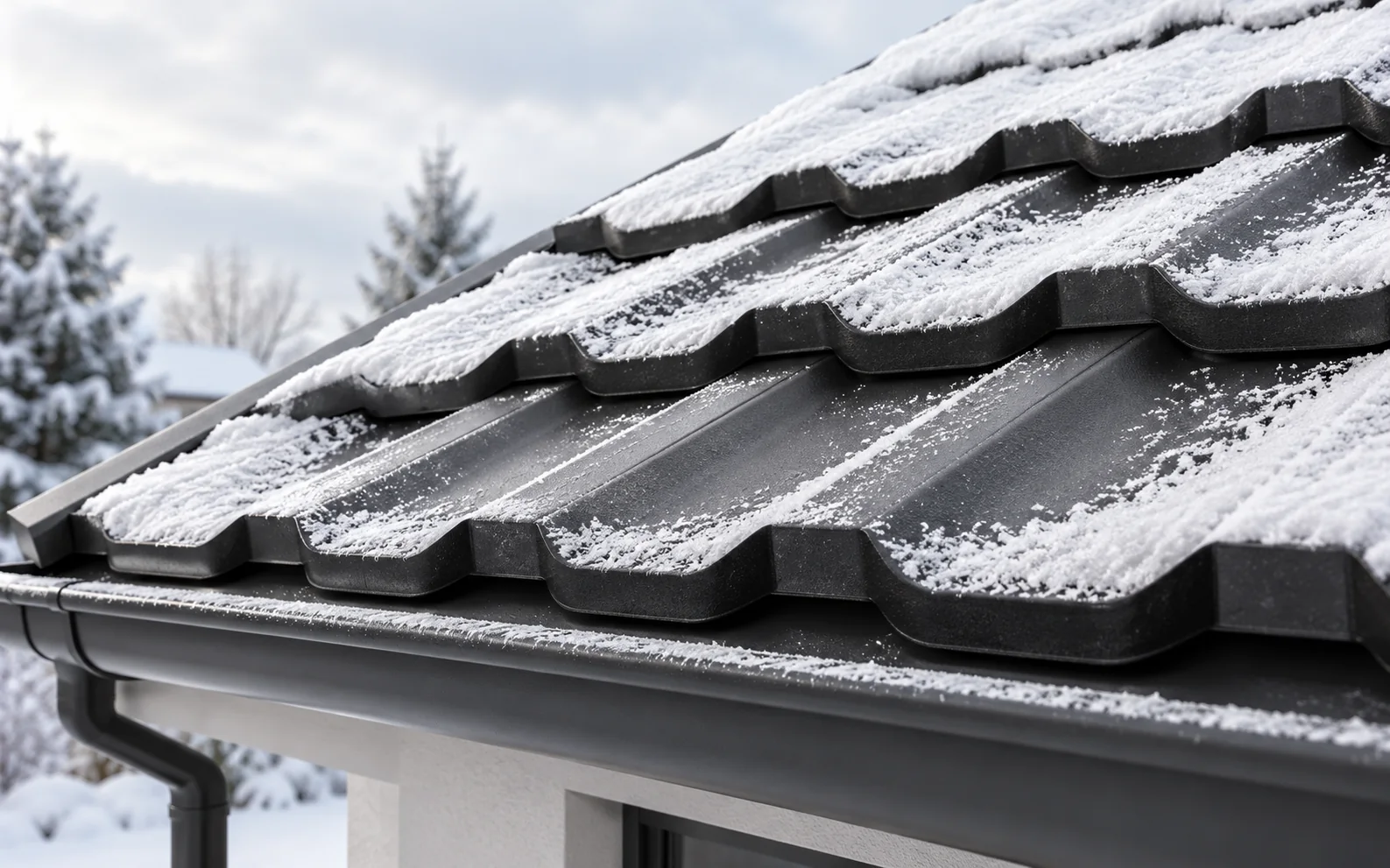
Whether snow needs to be cleared depends on the roof load, not on a single universal snow depth. A wet layer and drifts can weigh considerably more than fresh powder. The work requires a plan, protection for people and protection of the roof covering. On a metal roof, particular care is needed for the coating, flashings and elements hidden under the snow. The risk depends on the load-bearing capacity of the structure, the quantity and condition of the snow and how it is distributed. Drifts at a parapet, a higher building wing or an obstruction can load a small section of roof more heavily than a uniform layer. Thaw and rain further change the situation. A limit should not be transferred from a neighbouring building. Another roof has different supports, spans and load reserve.

By |2026-11-14T11:41:02+01:002026-11-14|Expert guides|Comments Off on Removing excess snow from a roof: how to plan the work safely

What to check on a metal roof after winter

After winter, the drainage, flashings, fixings and the places where snow lay for a long time must be inspected. It is also worth taking a look in the attic. Stains and damp insulation can reveal a problem that is invisible from outside. The inspection should ideally end with a list of defects and photographs so that the repairs have a clearly defined scope. First inspect the house from ground level. Check the eaves line, ridge and gutters. Look for lifted flashings, displaced components and traces of staining on the façade. Photographs taken from several fixed positions will make it easier to compare the condition of the roof in subsequent years. The close-up inspection should be carried out by a roofer with safe access to the roof slope. Even dry metal can be slippery, and not every part of it is suitable for bearing a foot.

By |2026-11-14T11:41:00+01:002026-11-14|Expert guides|Comments Off on What to check on a metal roof after winter

How to insulate a loft before installing the lining?

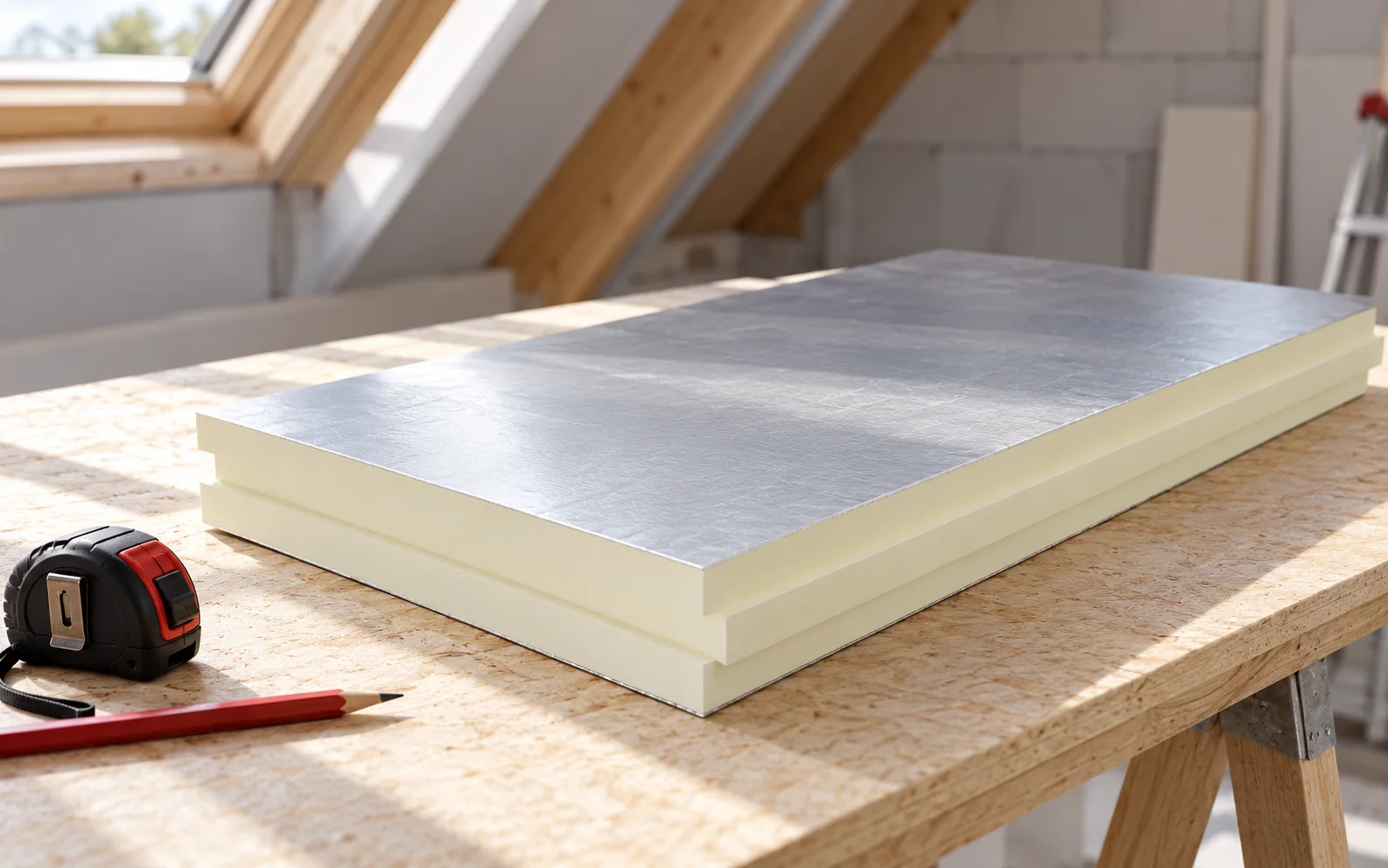
The answer to the question of insulating a loft before installing the lining comes down to the correct sequence of work and to checking those elements that will later disappear beneath the covering. First, assess the condition of the timber and of the surfaces under the roof covering, establish the causes of water stains, dark patches and damp, and check whether the drainage and ventilation path intended for the given system has been preserved. In a refurbishment, identify the type of existing sarking, because boarding with roofing felt and a high water-vapour-permeable membrane have different properties. Only then is the plane of the slopes and the ceiling level set out, taking into account the thickness of the insulation, the method of suspending the framework and the services zone; in a low loft, comparing several variants helps, and PIR can reduce the thickness of the thermal layer but does not remove the need for correct lining from the inside. Measurements taken at several points in each field, matched materials and a well-thought-out route for the services reduce the risk of defects, and the inspection and airtightness test should take place after the airtight layer has been completed but before it is covered by the lining.

By |2026-11-14T08:59:19+01:002026-11-14|Expert guides|Comments Off on How to insulate a loft before installing the lining?
Back to top