Fibre cement roof coverings
Asbestos-free fibre cement: what to compare when assessing a roof’s environmental footprint
Asbestos-free fibre cement is often chosen with a view to a durable roof and fewer frequent renovations. That is a sensible direction, but an environmental assessment requires more than the name of the material. Fibre cement sheets are made from raw materials, consume energy and are transported to the building site. Their impact also depends on installation and on how the roof is used. A comparison only makes sense when it addresses the same function and a similar scope of data. It is not possible to fairly compare a single sheet with a complete, insulated building envelope. If both solutions are to protect a heated warehouse, all the necessary layers must be taken into account. The roof must meet specified thermal, moisture and service requirements.
In this article
First establish a common task
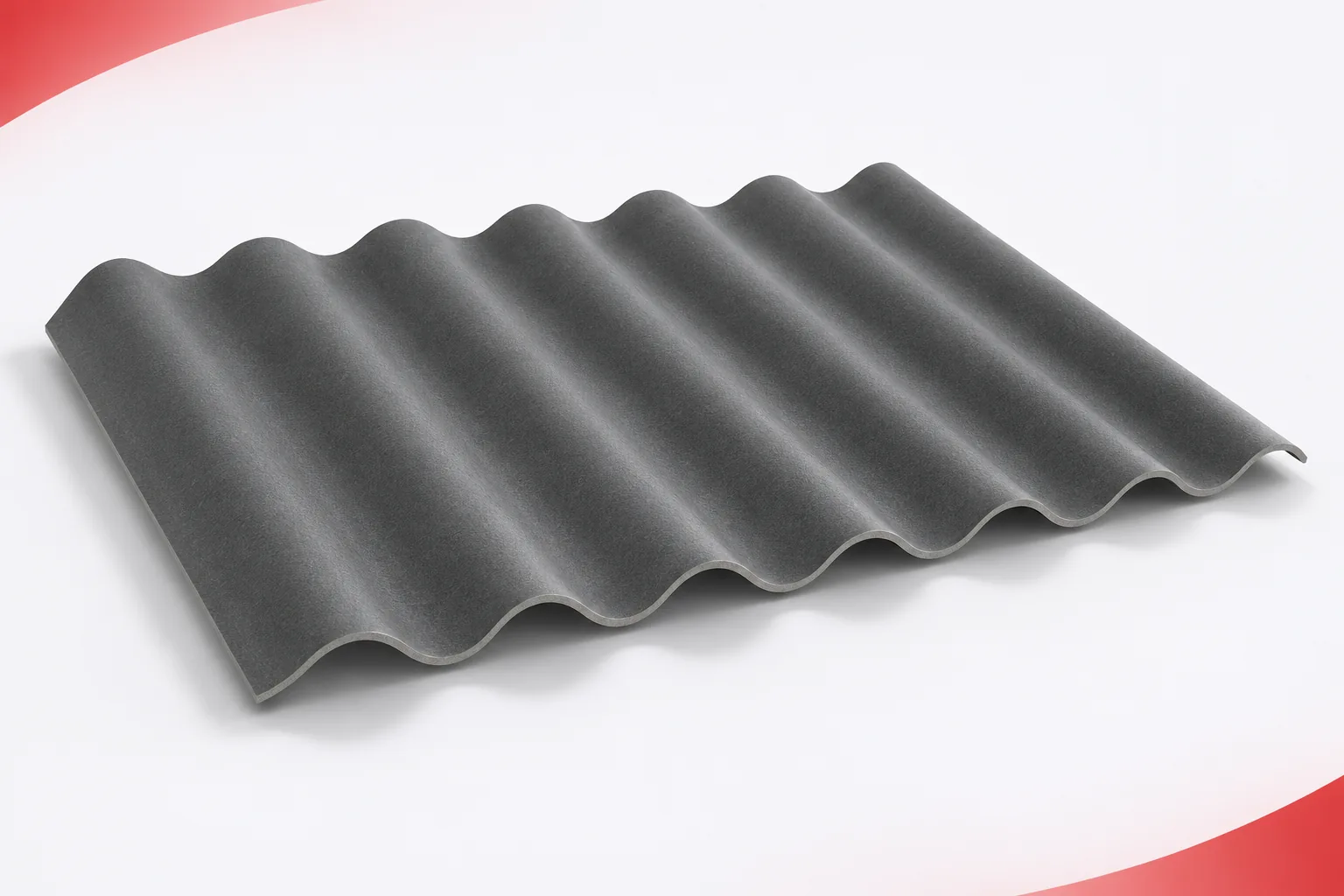
Fibre cement sheets are one part of such a system. When you compare them with another covering, also check the substructure, insulation, fasteners and flashings. A material with a favourable result per kilogram may require a different quantity per square metre of finished roof. The unit of comparison should correspond to what is actually to be built.
Production is an important stage, but not the only one
Fibre cement contains cement, fibres and additives selected for the manufacturing technology. Their extraction and processing affect the environmental result. Added to this are the energy used by the plant and the packaging. It is therefore not enough to state that the material is mineral in nature. Fibre cement sheets may have a documented life cycle assessment, but its scope must be read. Data from the production stage do not automatically describe delivery, installation work or future dismantling. If two declarations cover different stages, combining individual figures gives an appearance of precision and can lead to a wrong decision.
Check what the declaration covers
An environmental declaration describes a product or a defined group of products according to established rules. The production plants, variants, declared unit and period of validity are important. The result may be an average across different formats or surfaces. Asbestos-free fibre cement does not have a single common footprint for the whole category. Data for a flat sheet need not match corrugated covering either. Read whether the document refers to the mass of material, the area of a sheet or a specific thickness. Only then check the indicators. This order protects against comparing figures that relate to different products.
Calculate transport for the actual delivery
The distance from the plant is part of the picture. The mode of transport, the use of load capacity and the number of deliveries also matter. Delivering missing accessories separately can worsen organisation and increase cost. Fibre cement sheets should be ordered together with a correctly selected complete set of components. This does not mean, however, that the nearest warehouse always means the smallest environmental impact. The goods may previously have travelled a long route. A serious comparison requires data for the whole chain, while everyday practice only requires avoiding random, incomplete orders and damage during handling.
Account for offcuts and waste
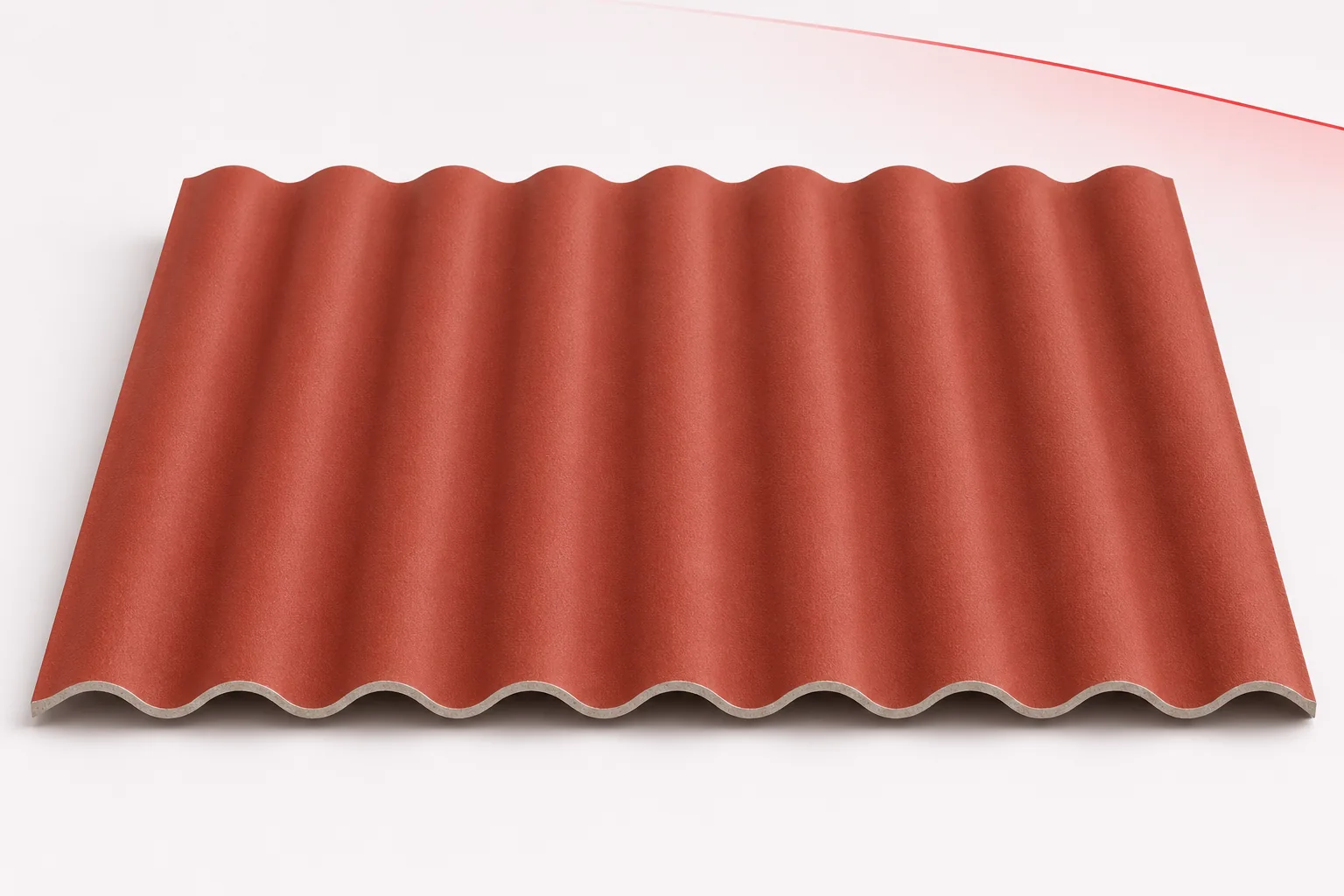
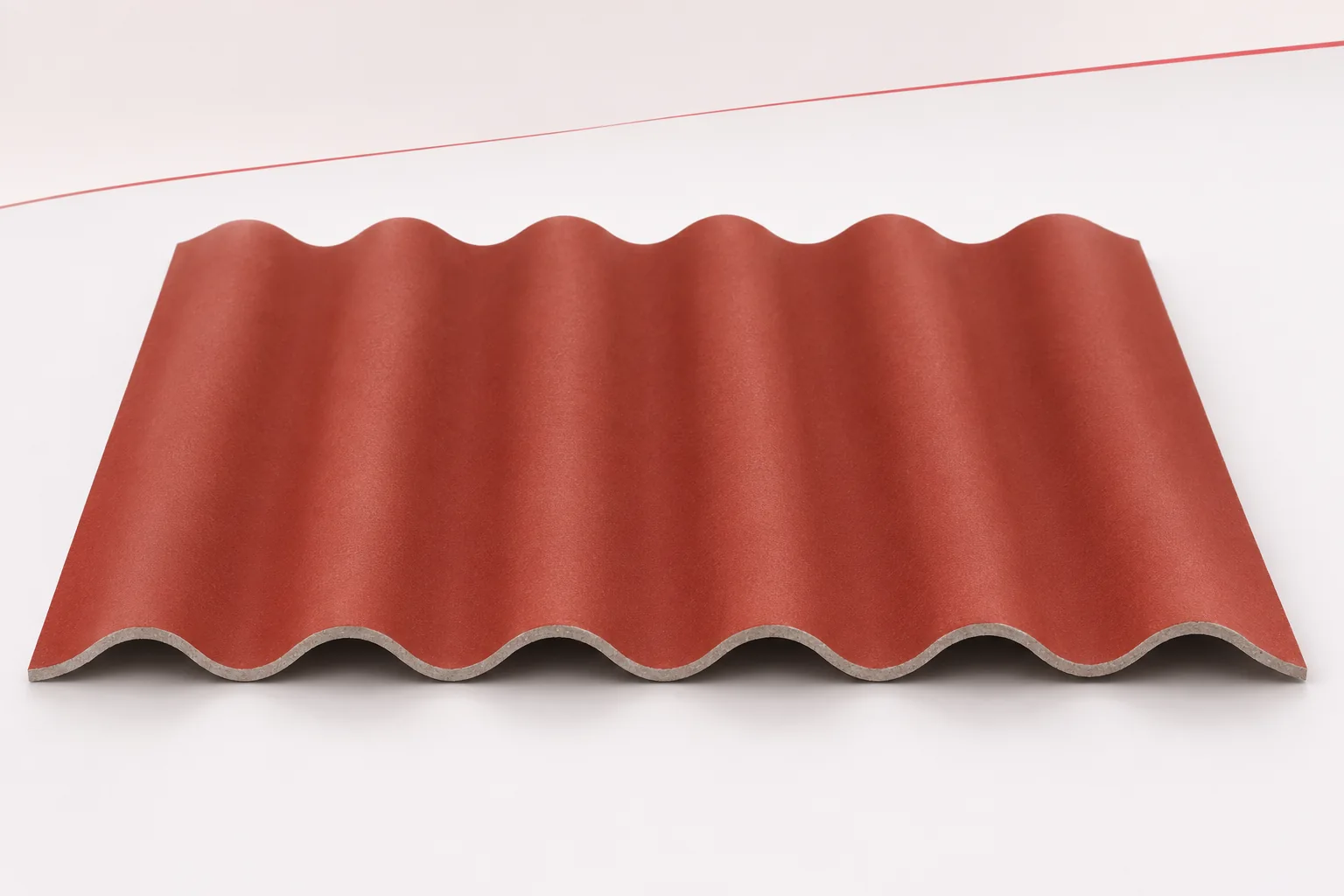
A square metre of sheet does not always cover a square metre of roof slope. Some of the material is in the laps, some goes to offcuts. On a rectangular roof the cutting plan can be economical. With numerous valleys, hips and penetrations the situation will be different. Fibre cement sheets must therefore be calculated on the basis of the layout of the actual courses. The footprint associated with the purchased material also includes the pieces that will not be used. The choice of format is a concrete tool for limiting losses here. It is not necessary to assume that the largest available sheet will always be the most favourable. In the material estimate it is worth leaving a separate item for offcuts. This makes it easier to check whether changing the sheet length actually reduces consumption or merely moves the waste elsewhere.
Do not confuse a durability scenario with a promise
A life cycle assessment may assume a specified service life. This is an assumption for calculation purposes, not an automatic guarantee for every roof. The condition of the covering depends on the design, climate, workmanship and maintenance. Asbestos-free fibre cement requires correct joints and inspection of the places where water or wind particularly stress the system. In a comparison it is worth checking how many repairs and replacements have been assumed for each option. If one material is assigned a long period without intervention and the other frequent renovations without justification, the result will not be fair. The assumptions should be equally careful on both sides.
End of life also requires data
The technical possibility of processing a material does not mean that such a service is available locally. Before using the word recycling, check the intended waste management route. A distinction must also be made between new fibre cement sheets and old covering of unconfirmed composition. A suspicion of asbestos requires separate handling. In declarations the end-of-life scenario may include landfill, transport or other processes. Do not replace it with your own more favourable assumption. A good assessment also shows the limitations of the data and does not reduce the whole decision to a single catchy phrase.
Compare roofs with the same function, and for environmental results record the unit, scope and assumptions. This allows a solution to be chosen consciously and without promises that the documents do not confirm.
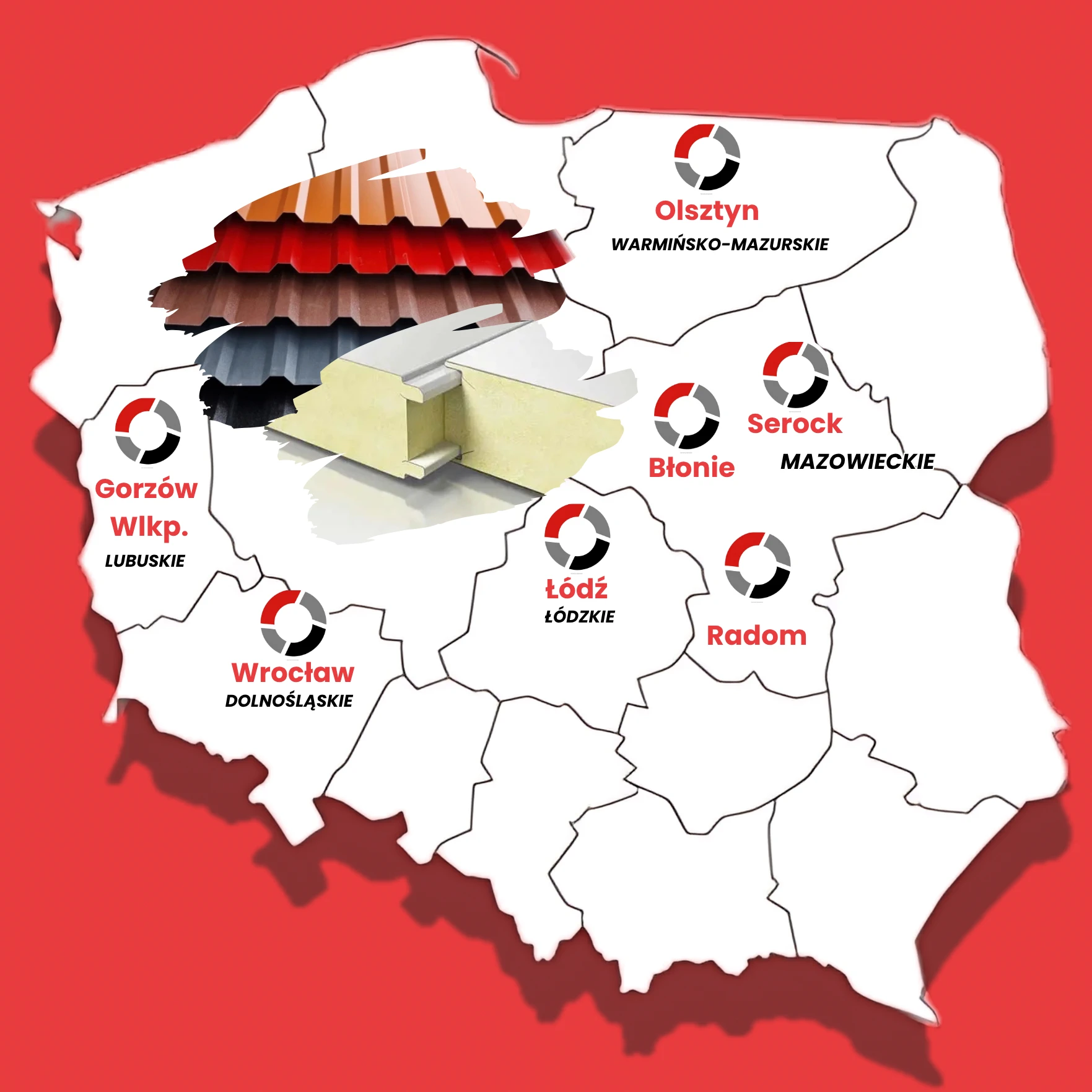
7 branches. Materials closer to your project.
Free quote
Materials for your project
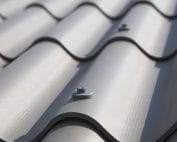
You may also find useful…
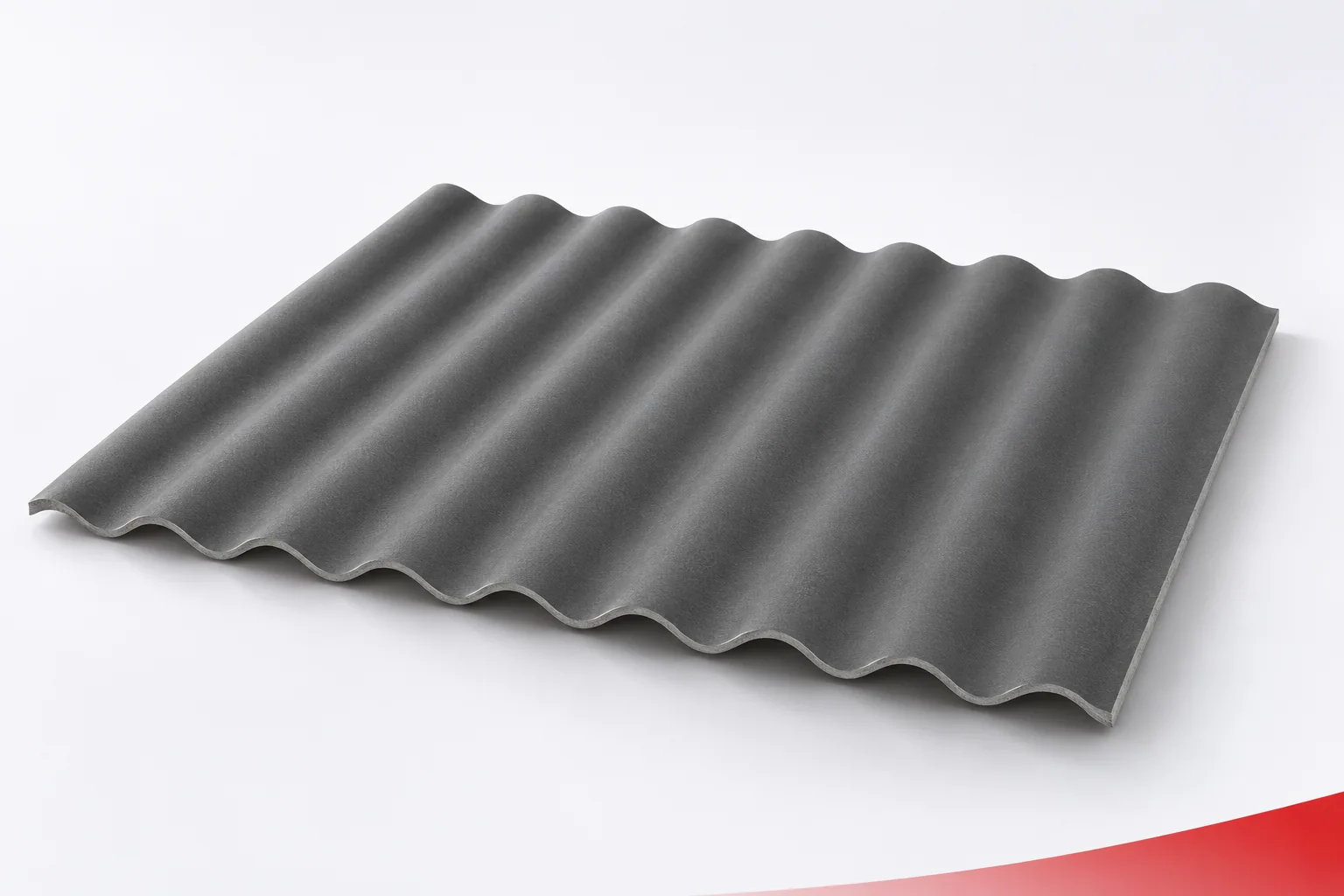
The long service life of a roof covering also depends on places that are barely visible from the ground. The ridge detail,…
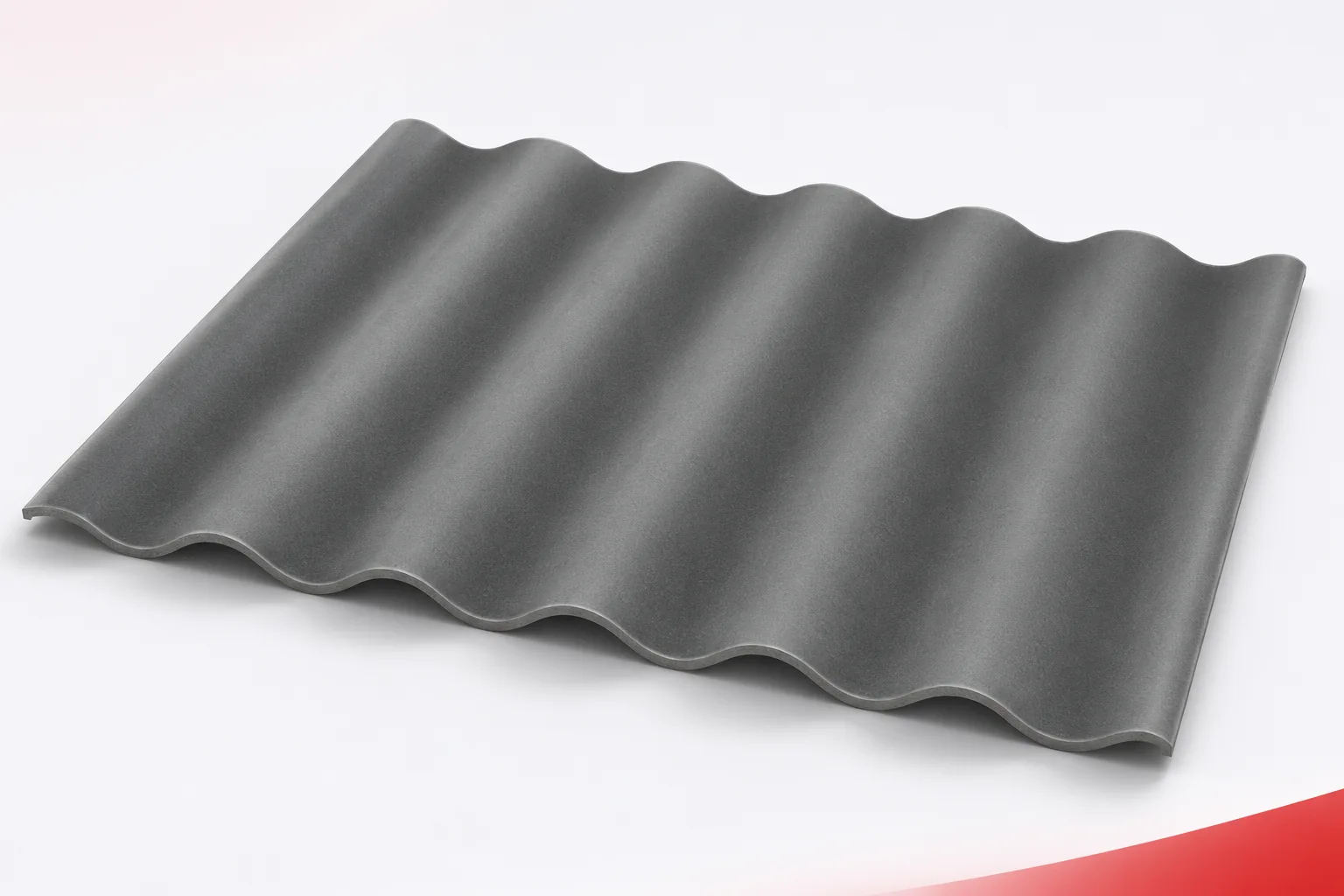
Roof maintenance should not begin with a breakdown. Fibre cement sheets need checks on the joints, the drainage and the places where…
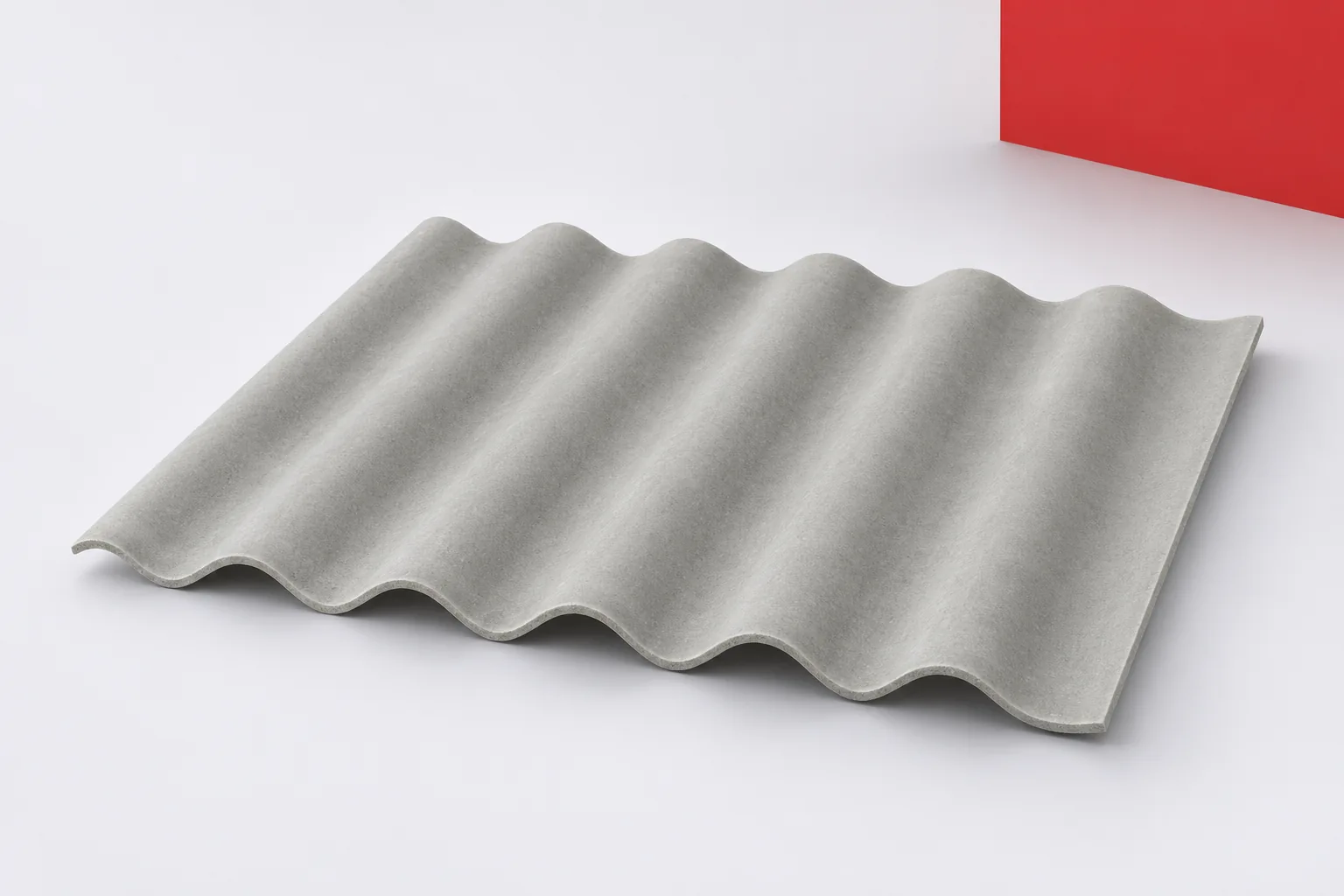
The NT marking appears in the documentation and labelling of modern fibre-cement products. It helps identify asbestos-free technology, but it must be…
A durable material can help to limit expenditure, but it does not guarantee a cheap roof. Fibre-cement sheets have to be bought,…
Rainwater harvesting requires looking at the entire path of the water: from the roof slope through the gutters to the tank and…
The grey corrugated sheet has a distinct wave pattern and a calm, mineral appearance. It does not have to imitate a roof…
A good order starts with the layout of the sheets on the roof slope. Fibre-cement slates are available in various formats, but…
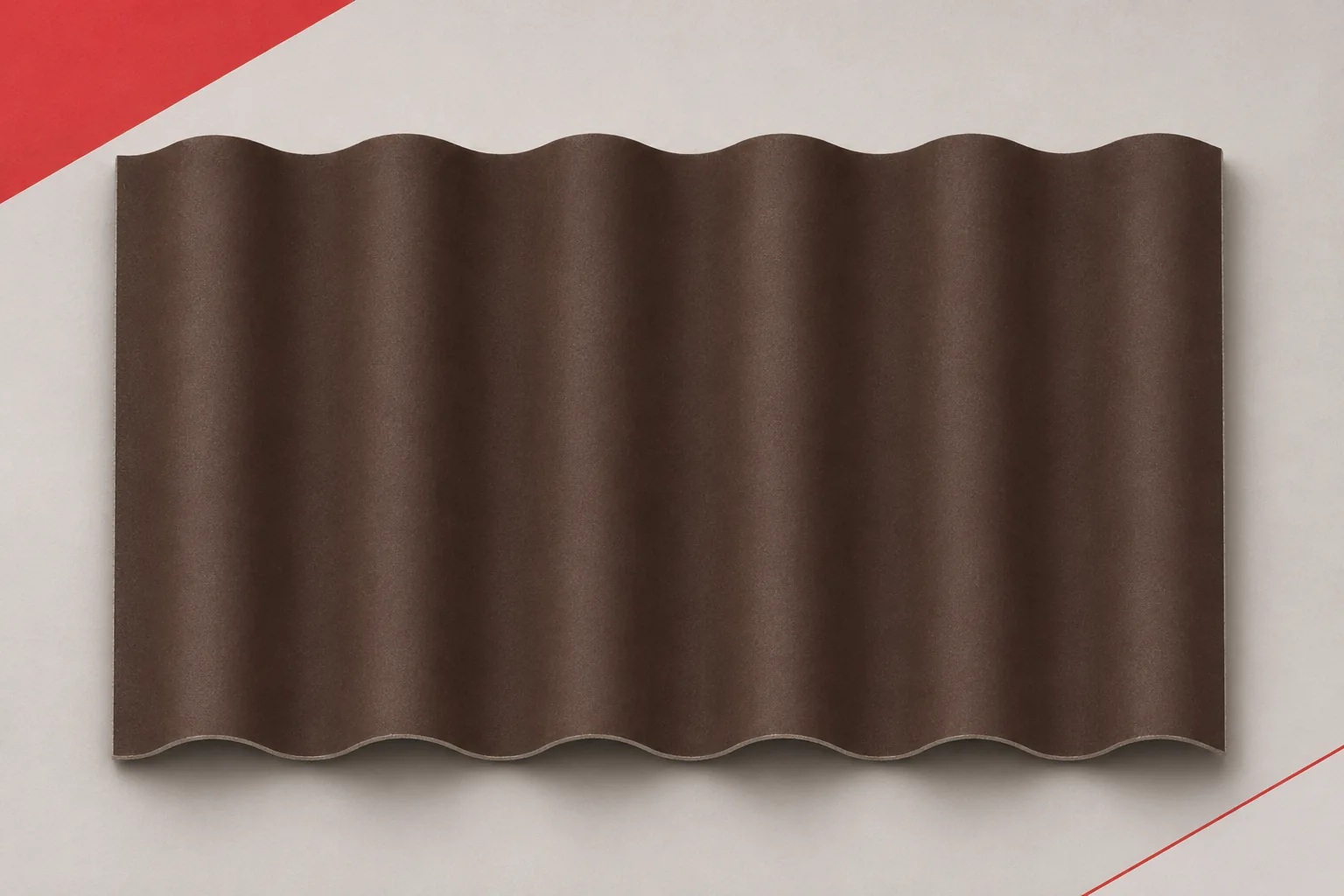
An environmental declaration helps you understand a product's impact, but it requires careful reading. It is not a school grade, nor a…