How swissporPIR Alu edge profiles help limit gaps in insulation

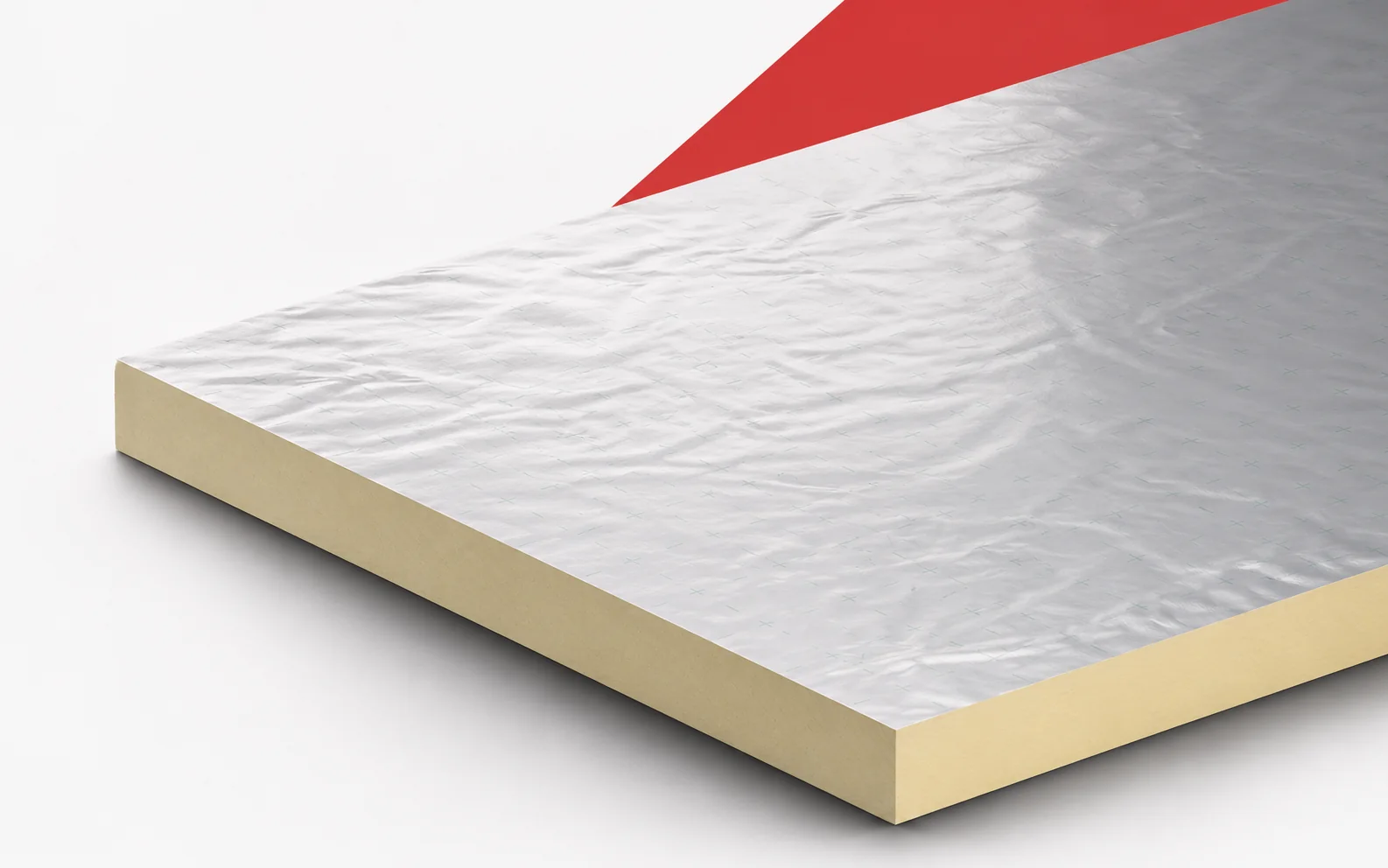
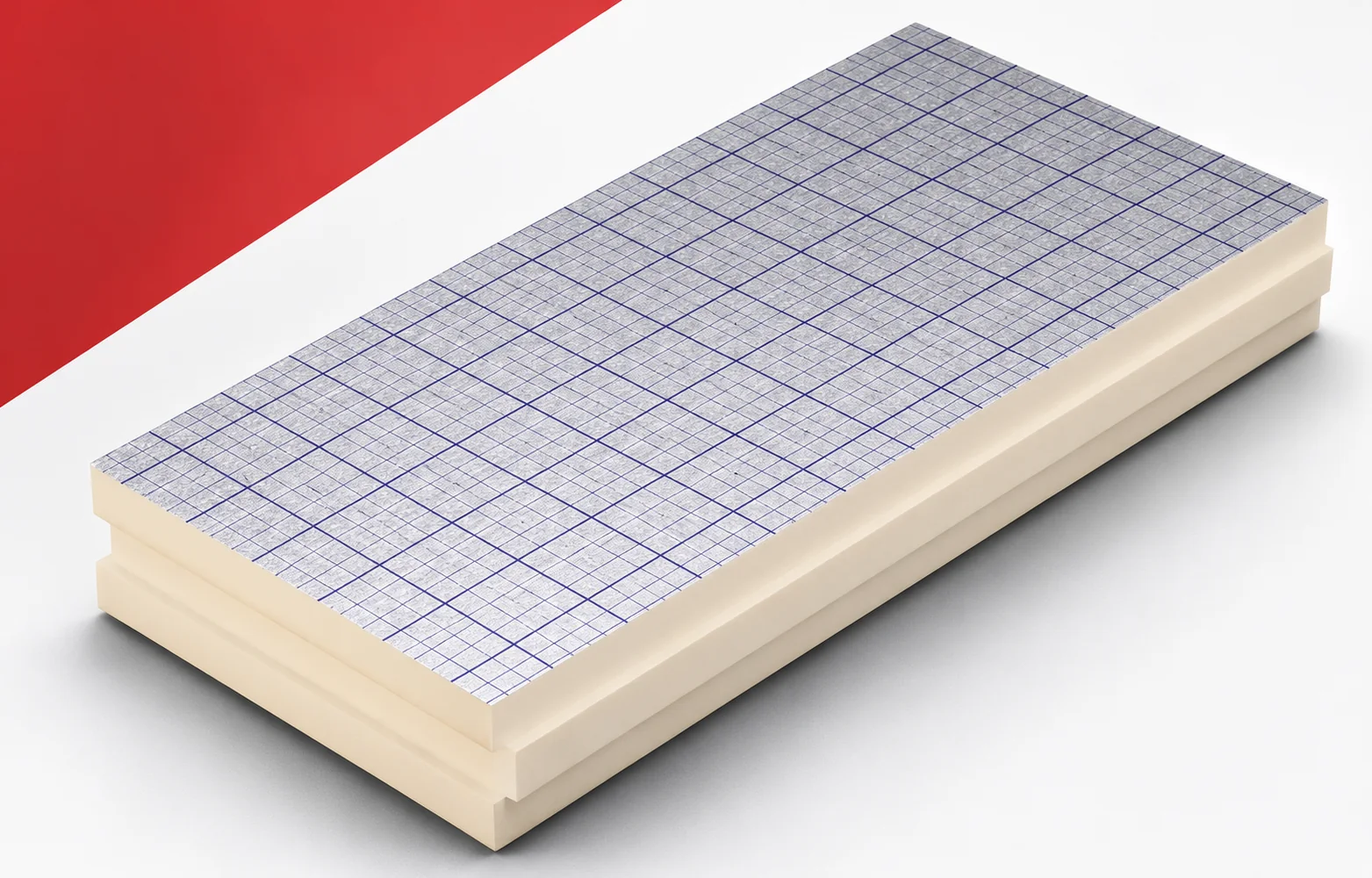
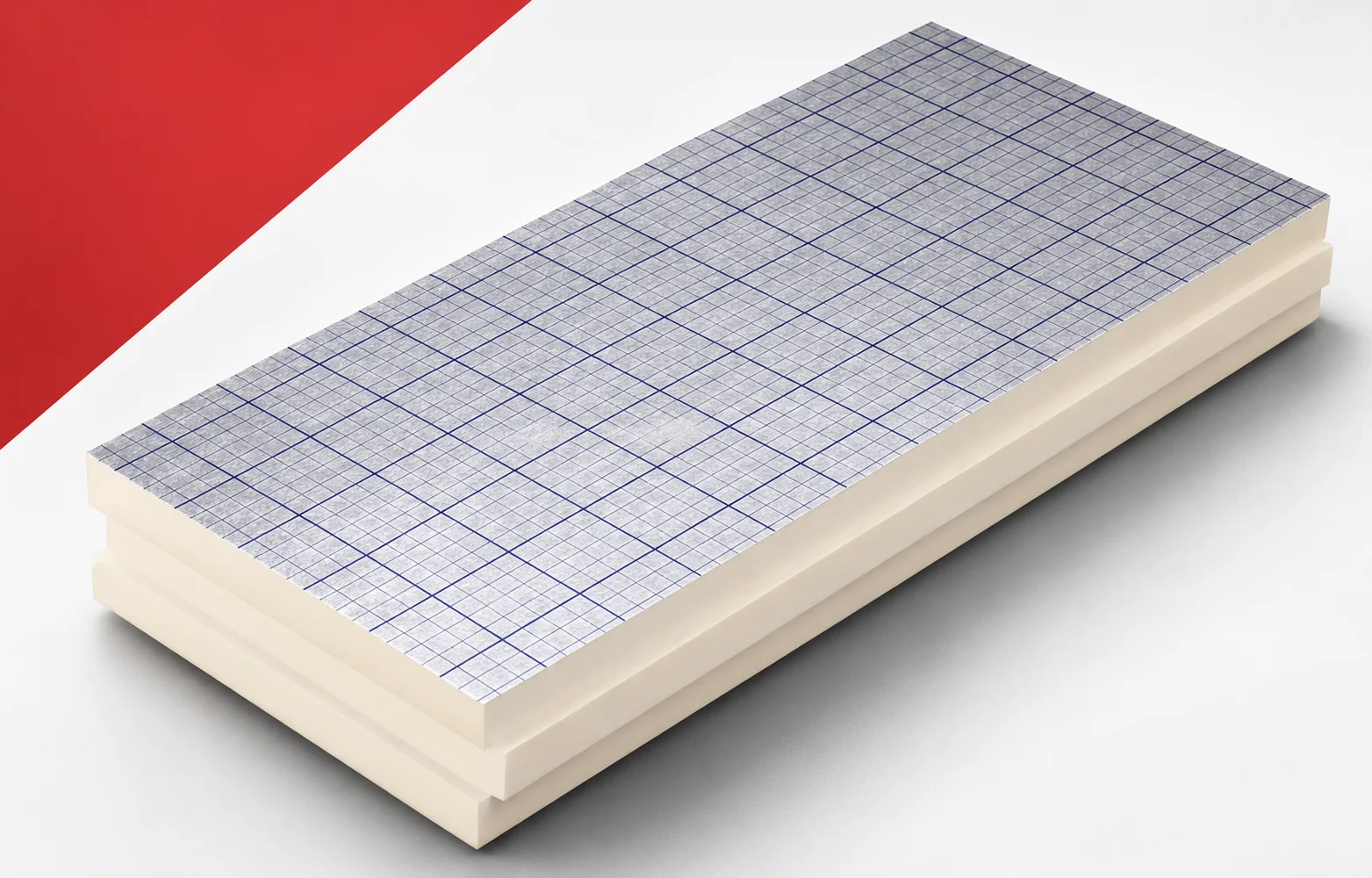
The edges of swissporPIR Alu influence how adjacent elements are joined. The thermal benefit depends on correct fitting, not on the profile name alone. It is worth looking in particular at cut pieces, which may remove the factory-finished edge at openings and perimeters. swissporPIR Alu is available with three types of edge finish. FIT/GK denotes a straight edge, LAP/SF an overlap, and TAG/NuF a tongue-and-groove. The terms ‘polyurethane boards’ and ‘polyurethane foam’ are broader than the precise PIR product designation. When assessing the space available for PIR boards, the distinction between FIT/GK, LAP/SF and TAG/NuF in swissporPIR Alu must be checked. To assess the spatial benefit, the designations FIT/GK, LAP/SF and TAG/NuF must be assigned the correct edge shapes.
By |2026-11-15T02:01:53+01:002026-11-15|Expert guides|Comments Off on How swissporPIR Alu edge profiles help limit gaps in insulation

Choosing swissporPIR Alu thickness for a target thermal resistance

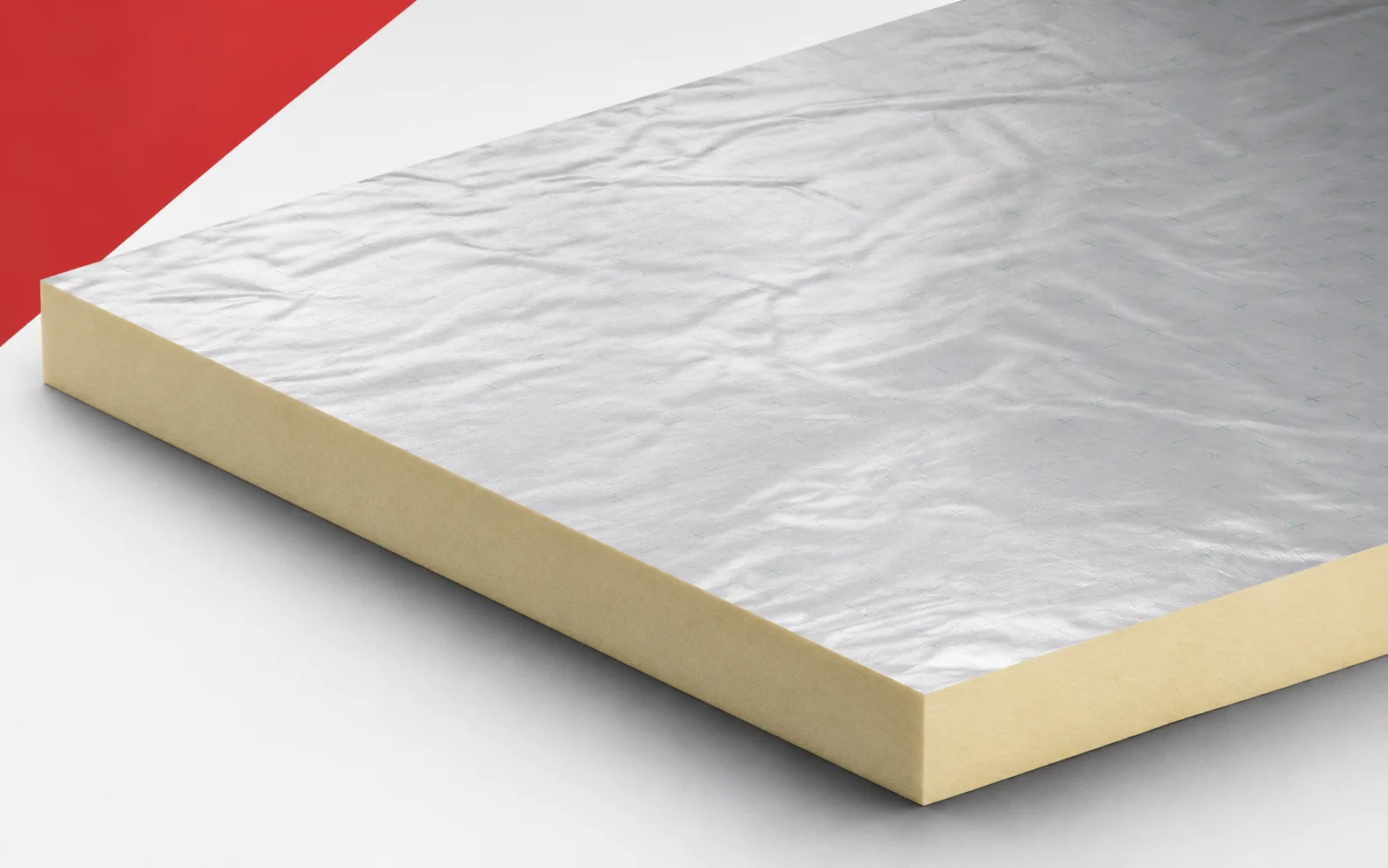
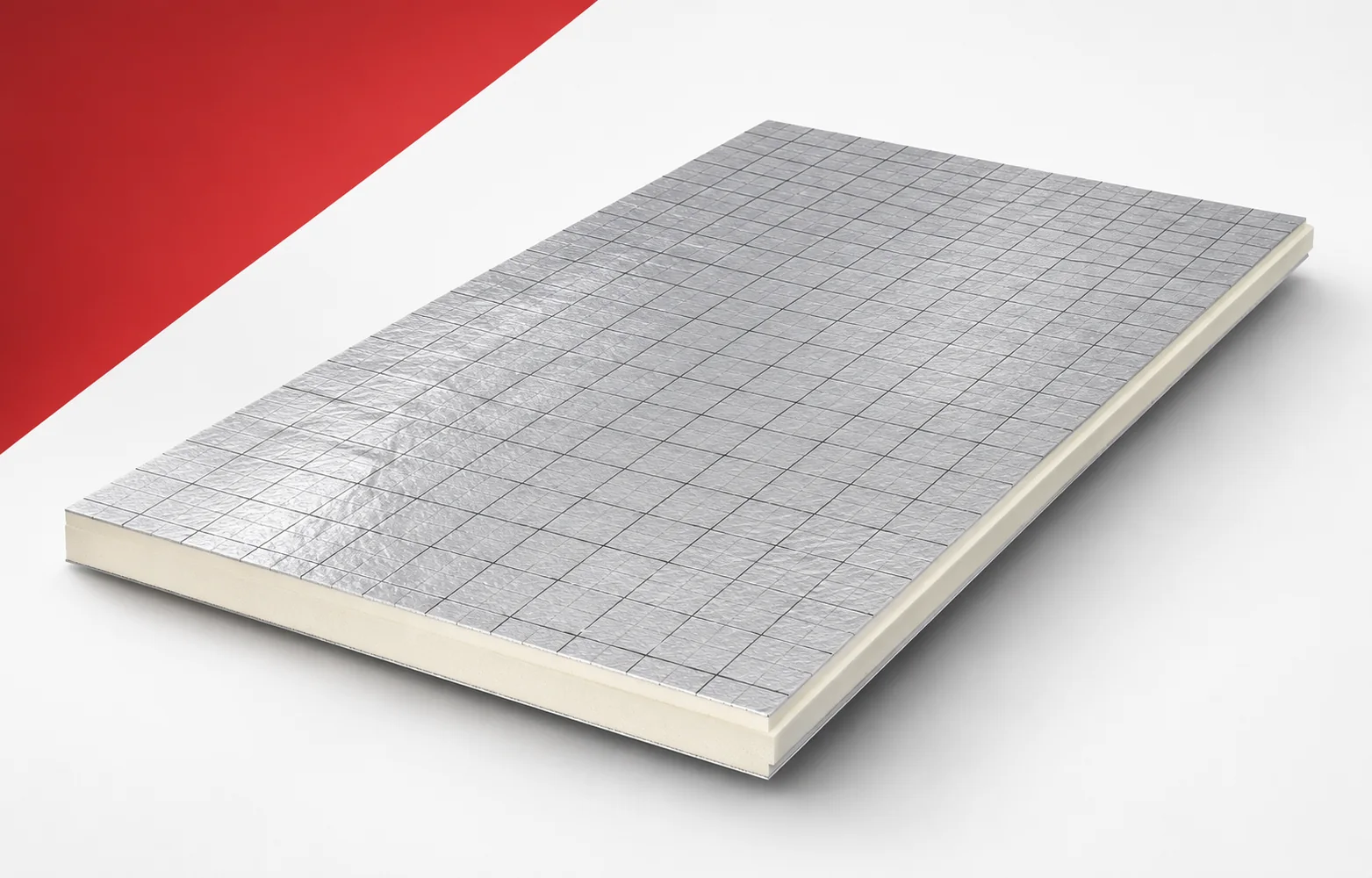
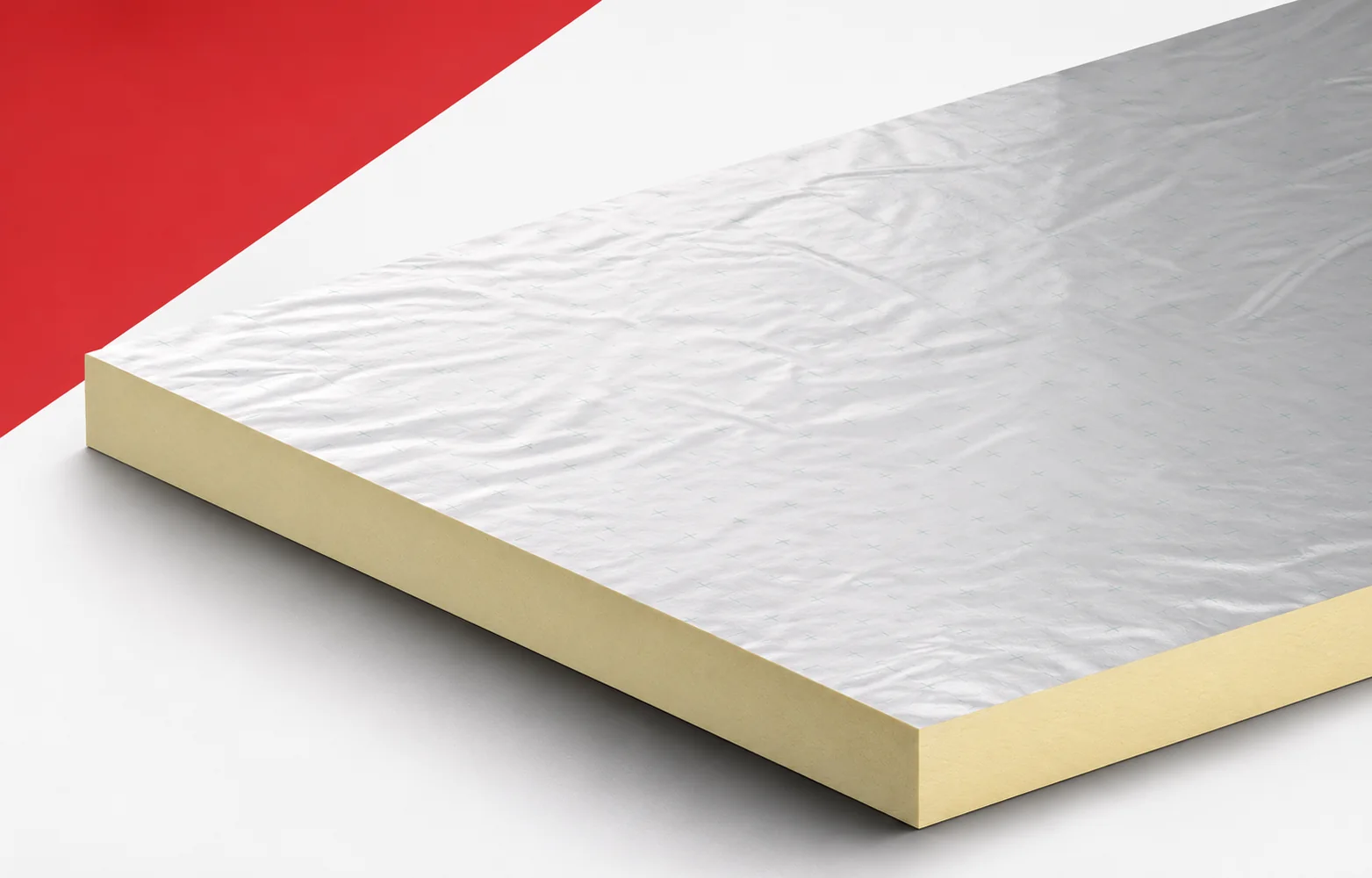
swissporPIR Alu can help achieve the required thermal resistance within a limited construction thickness. The benefit is particularly evident where every centimetre counts at the terminations. Selection must be based on the actual dimension and on a calculation of the entire layer build-up. swissporPIR Alu has a rigid polyisocyanurate foam core and a gas-tight laminate on both faces. The manufacturer lists aluminium, paper and polyethylene in the facing. The terms ‘polyurethane boards’ and ‘polyurethane foam’ are broader than the precise PIR product designation. When assessing the space required for PIR boards, swissporPIR Alu must be checked as a thermal insulation board with a laminate of aluminium, paper and polyethylene. To assess the spatial benefit, the swissporPIR Alu laminate must be distinguished from the steel facing of a structural panel.

By |2026-11-15T02:01:51+01:002026-11-15|Expert guides|Comments Off on Choosing swissporPIR Alu thickness for a target thermal resistance

Comparing Kingspan PIR boards by thickness and declared performance

A Kingspan insulation comparison begins with the full product name. Different families do not share a single common core or the same lambda. When looking to save space, the specific thickness, thermal resistance and the board's function within the building element must be set side by side. Kingspan Therma TR26 and Therma TR27 are boards with a PIR core. The Kooltherm family uses phenolic foam, so the brand alone does not identify the type of insulation material. When comparing PIR boards in terms of the space required, first verify the project description, which may state only the Kingspan brand without a specific family and product variant. A Kingspan product must be identified by its core, facing and intended place of application, because space savings must be assessed together with the geometry of the detail.

By |2026-11-15T02:01:49+01:002026-11-15|Expert guides|Comments Off on Comparing Kingspan PIR boards by thickness and declared performance

Kingspan Therma TF70 for a thinner floor insulation layer

Therma TF70 helps when floor insulation has to be considered within a limited available height. The benefit of the lambda value must, however, be related to the whole build-up, including the screed and the finish. The junction between the floor and the building perimeter also remains important. Kingspan Therma TF70 is a PIR board for insulating heated and unheated floors. It has a multi-layer facing containing aluminium on both sides. PIR boards are best assessed through a specific spatial problem, so consider a floor with Therma TF70 whose level must be matched to doors and adjoining rooms. The floor level must be agreed together with the space for TF70, the screed and the final finish, because the space saving must be assessed together with the detail geometry.

By |2026-11-15T02:01:48+01:002026-11-15|Expert guides|Comments Off on Kingspan Therma TF70 for a thinner floor insulation layer

Kingspan Therma TT46: combining insulation and falls in a low roof build-up

In Therma TT46, thermal insulation meets drainage geometry. The tapered board has a different thickness on opposite sides, so describing the whole roof with a single figure in centimetres is not enough. It is worth checking both the outlet and the thinnest parts of the system. Kingspan Therma TT46 is a PIR board of variable thickness with aluminium-containing facings on both sides. It is used to form falls on flat roofs and can complement a system with Therma TR26 boards. PIR boards are best assessed through a specific spatial problem, so consider a roof area with Therma TT46 where thermal insulation must be combined with the direction of drainage. TT46 tapered boards must be arranged in accordance with the position of outlets and obstructions on the roof surface, because space savings must be assessed together with the geometry of the detail.

By |2026-11-15T02:01:39+01:002026-11-15|Expert guides|Comments Off on Kingspan Therma TT46: combining insulation and falls in a low roof build-up

Kingspan Therma TR27: matching the roof insulation facing to the build-up

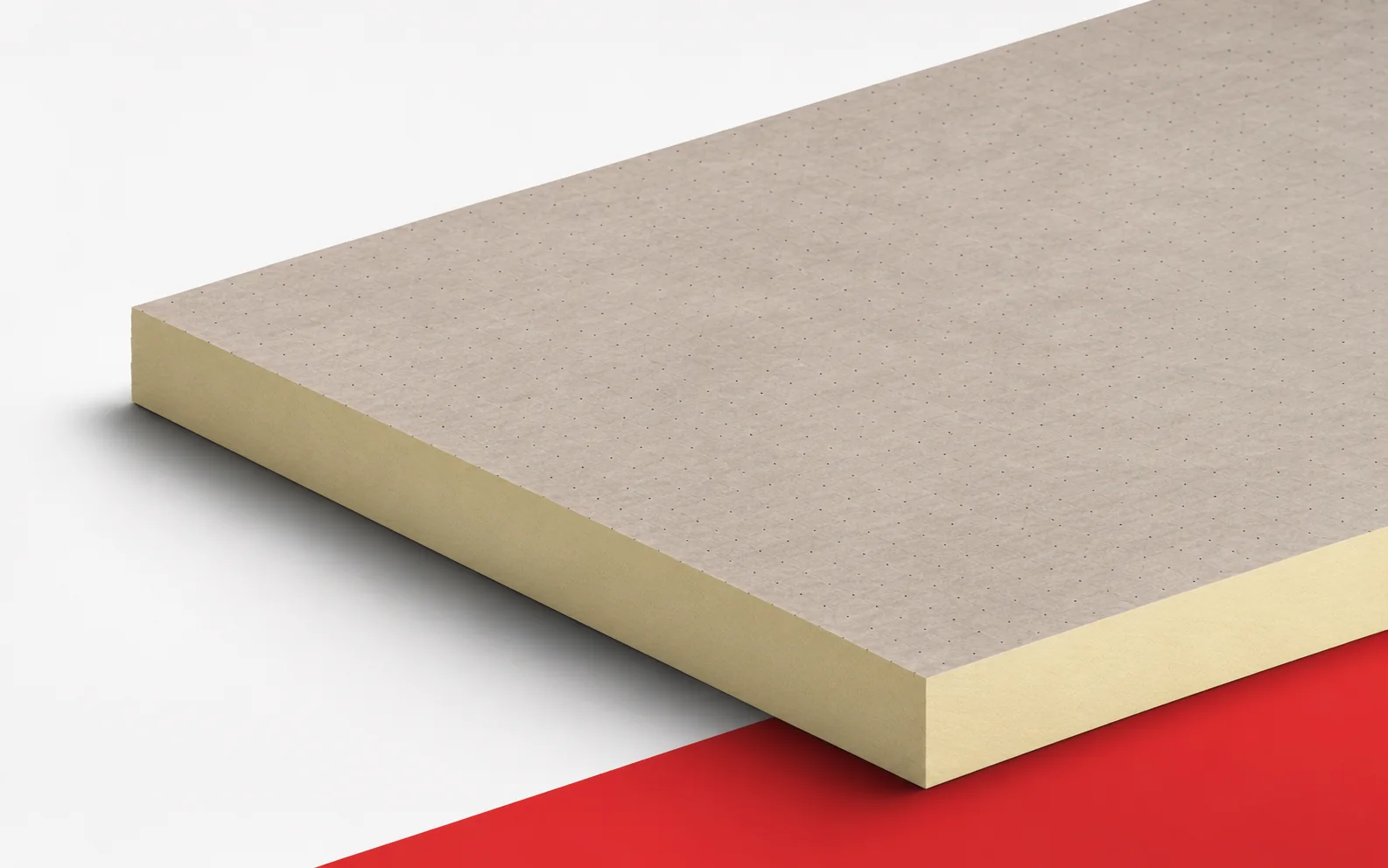
Therma TR27 shows why a single lambda value cannot be attributed to all PIR boards. Choosing the thickness must go hand in hand with reading the correct parameters and the intended covering. Only then does a comparison of the required roof height make technical sense. Kingspan Therma TR27 is a PIR board with glass-fibre facings on both sides. The catalogue describes suitable flat-roof and terrace build-ups, with mechanical fixing, bonding or ballasting according to the system documentation. PIR boards are best assessed through a specific spatial problem, so consider combining Therma TR27 with the first layer of the chosen covering on a flat roof. The TR27 facing must be combined with the waterproofing in the manner specified for the given roof system, because space savings must be assessed together with the detail geometry.

By |2026-11-15T02:01:37+01:002026-11-15|Expert guides|Comments Off on Kingspan Therma TR27: matching the roof insulation facing to the build-up

Kingspan Therma TR26: achieving roof thermal resistance with limited depth

Kingspan Therma TR26 is worth considering where the required thermal resistance must fit within a limited roof height. A lambda of 0.022 helps to assess the material itself. The benefit in the finished cross-section is also determined by the terminations at the parapet, rooflights and services. Kingspan Therma TR26 has a PIR core and a multi-layer facing containing aluminium on both sides. The Polish catalogue describes roofs on concrete, steel or timber substrates, with the appropriate covering fixed mechanically or ballasted. PIR boards are best assessed through a specific spatial problem, so consider a flat roof with a low rooflight upstand where little room remains for new layers. TR26 must be brought up to the vertical rooflight wall without leaving a gap in the insulation, because the space saving must be assessed together with the detail geometry.

By |2026-11-15T02:01:35+01:002026-11-15|Expert guides|Comments Off on Kingspan Therma TR26: achieving roof thermal resistance with limited depth

IDELCO SIP panels and PIR insulation boards: how their roles differ

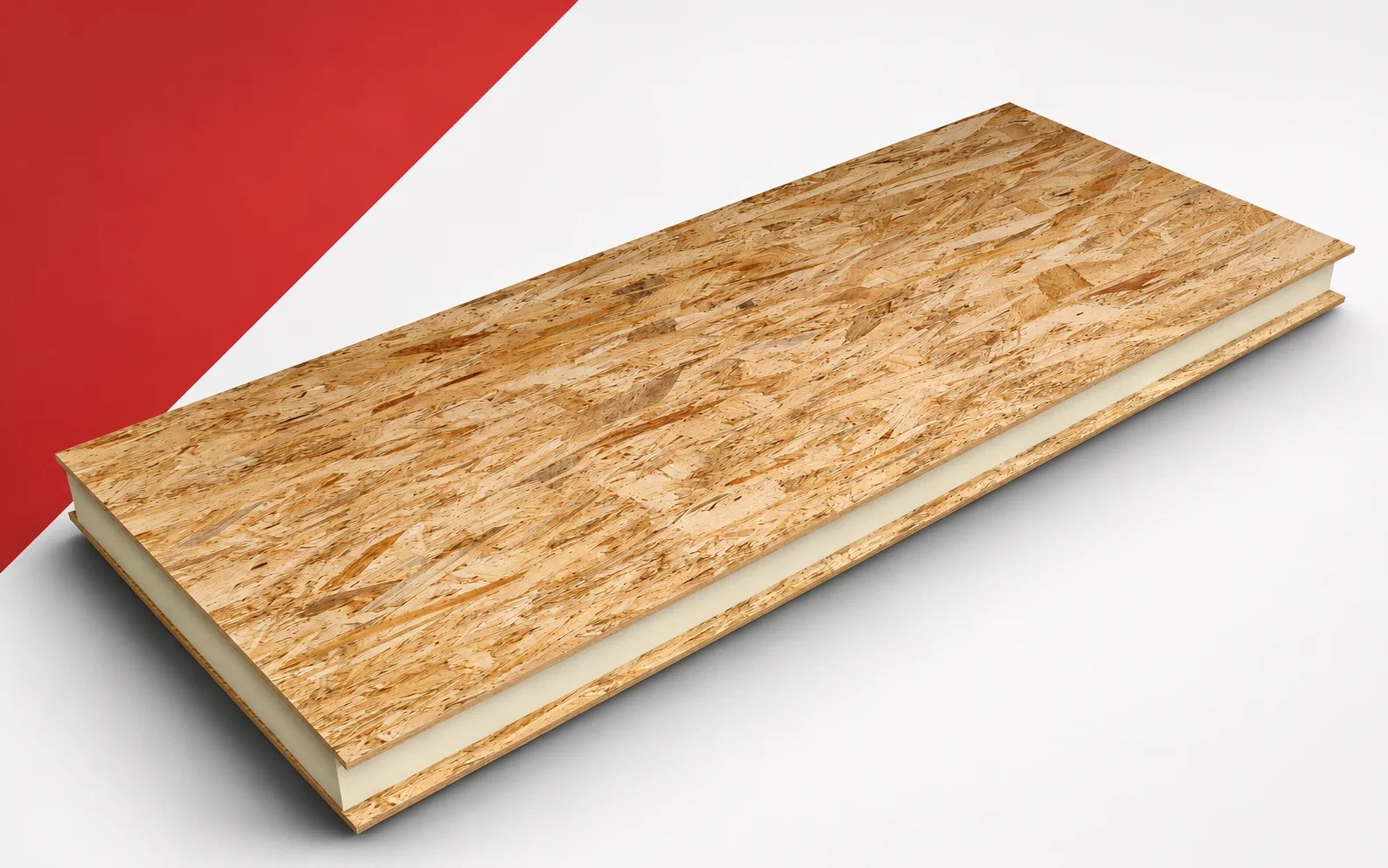
The IDELCO α-therm SIP and a plain PIR board improve thermal performance in different ways. The panel contains facings that participate in the structural action. Comparing thicknesses only makes sense when it concerns building elements with the same function and properly resolved junctions. IDELCO offers both PIR insulation boards and the α-therm SIP solution in the Smartbuild system. These are two different categories of component. The terms ‘polyurethane boards’ and ‘polyurethane foam’ are broader than the precise designation of a PIR product. When assessing where PIR boards fit, it is necessary to check the distinction between IDELCO insulation boards and α-therm SIP panels in the Smartbuild system. To assess the spatial benefit, the core and facings of α-therm SIP must be assigned their actual function in the structure.

By |2026-11-15T02:01:34+01:002026-11-15|Expert guides|Comments Off on IDELCO SIP panels and PIR insulation boards: how their roles differ

IDELCO AGRO+ white-faced insulation for agricultural buildings

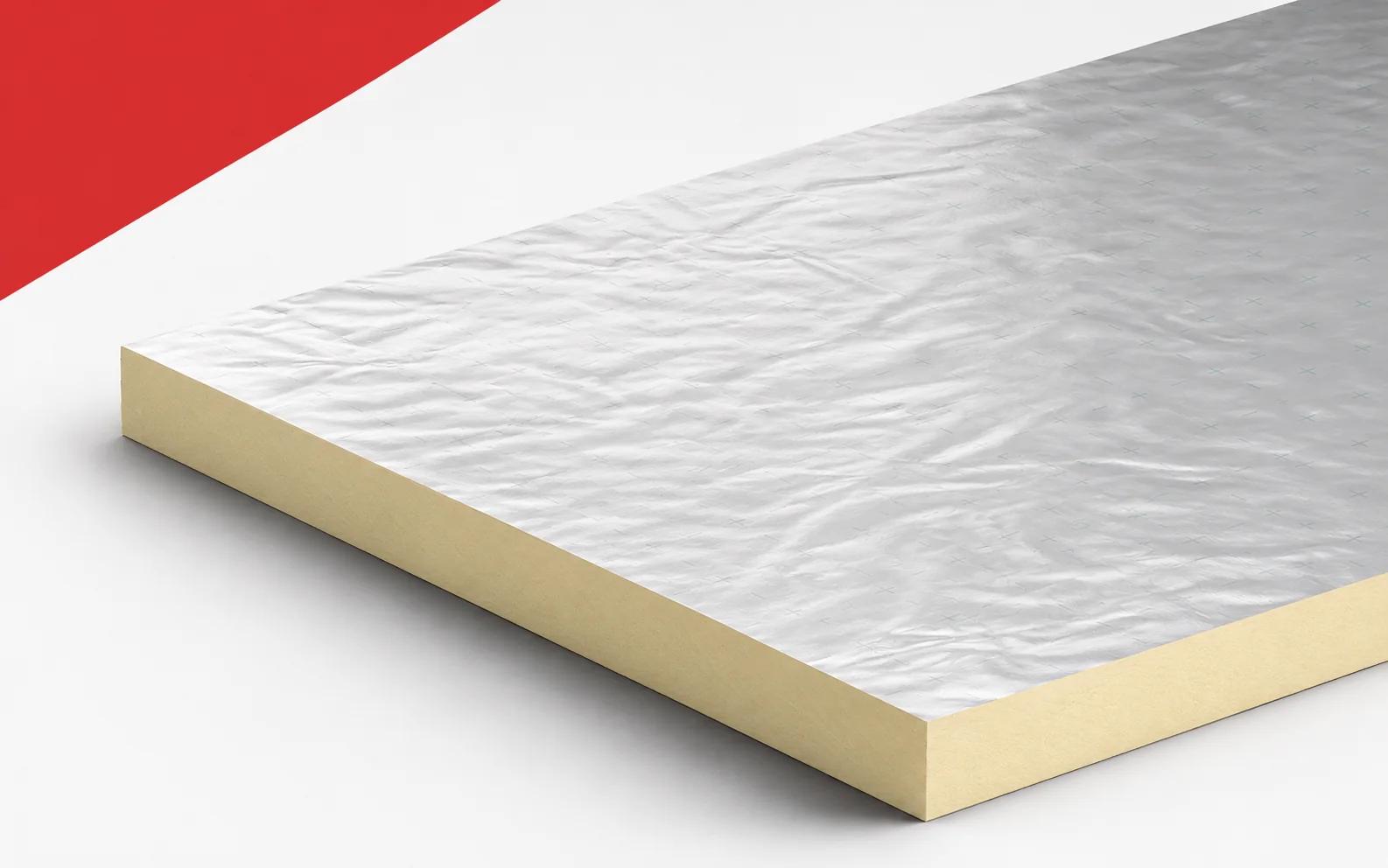
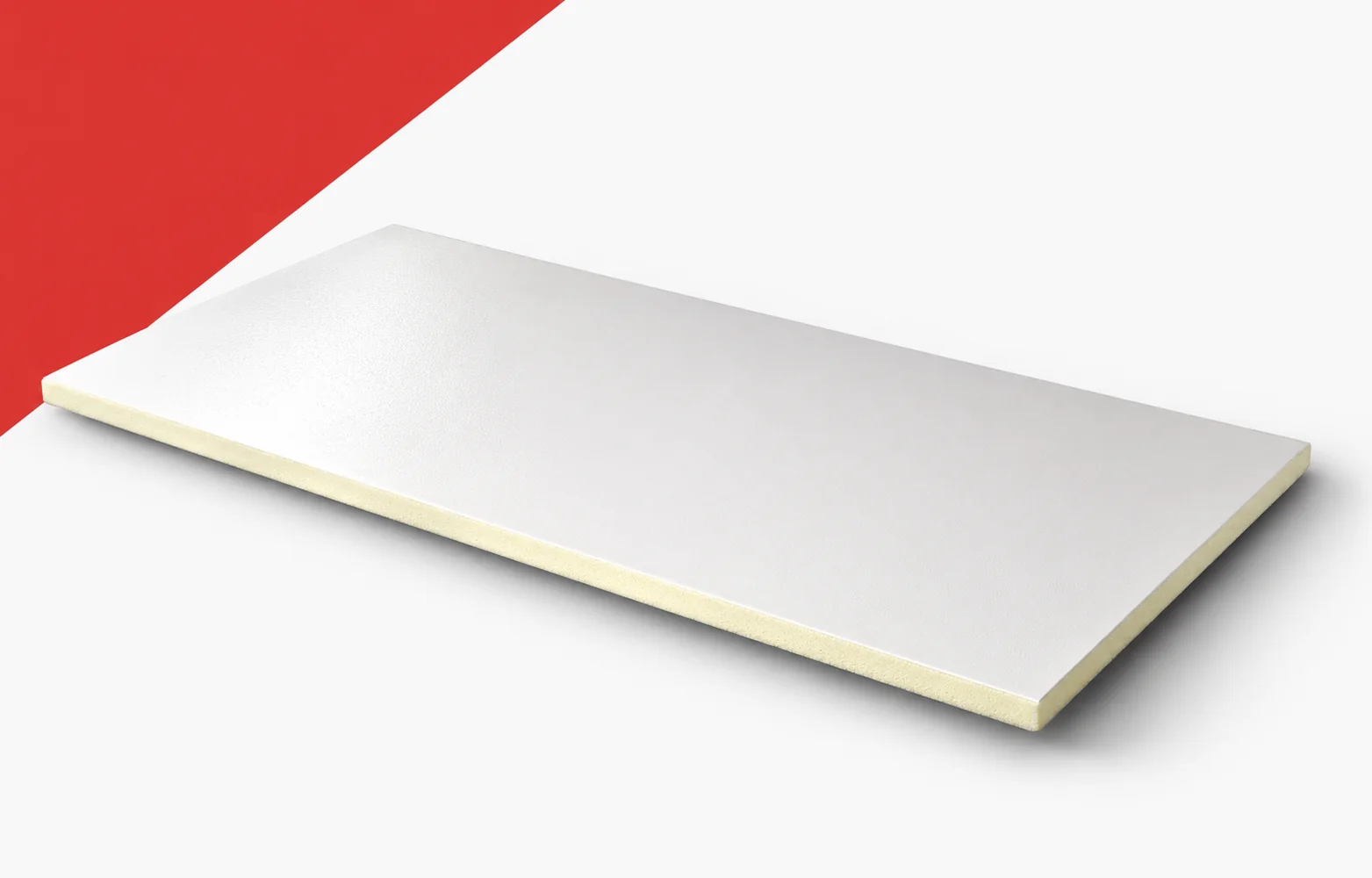
IDELCO AGRO+ combines a thermal layer with an aluminium surface intended for agricultural applications. When selecting the thickness, the data for this variant must be used. The energy performance also depends on how the ceiling is jointed and on the humidity conditions in the building. IDELCO AGRO+ is a PIR board intended for insulating ceilings in agricultural buildings. Its facing differs from a typical thin roofing laminate. The terms “polyurethane boards” and “polyurethane foam” are broader than the precise PIR product designation. When assessing the space available for PIR boards, the white visible IDELCO AGRO+ facing in the ceiling of the agricultural building must be checked. To assess the spatial benefit, the function of the lightly embossed 50-micrometre AGRO+ aluminium facing must be identified.

By |2026-11-15T02:01:32+01:002026-11-15|Expert guides|Comments Off on IDELCO AGRO+ white-faced insulation for agricultural buildings

A continuous above-rafter layer with IDELCO α-therm SARKING

IDELCO α-therm SARKING allows insulation to be installed above the timber roof structure. This position helps preserve attic space and limit interruptions in the roof slope area. The benefit must, however, be weighed against the new covering height and the detail at the wall plate. IDELCO α-therm SARKING is a PIR board for pitched roofs. It has a multi-layer aluminium laminate on both sides and a tongue-and-groove profile on all four edges. The terms ‘polyurethane boards’ and ‘polyurethane foam’ are broader than the precise PIR product designation. When assessing space for PIR boards, IDELCO α-therm SARKING must be checked as a layer above the rafters with a separately selected underlay. To assess the spatial benefit, the α-therm SARKING laminate must be distinguished from a separate underlay membrane.

By |2026-11-15T02:00:07+01:002026-11-15|Expert guides|Comments Off on A continuous above-rafter layer with IDELCO α-therm SARKING
Back to top