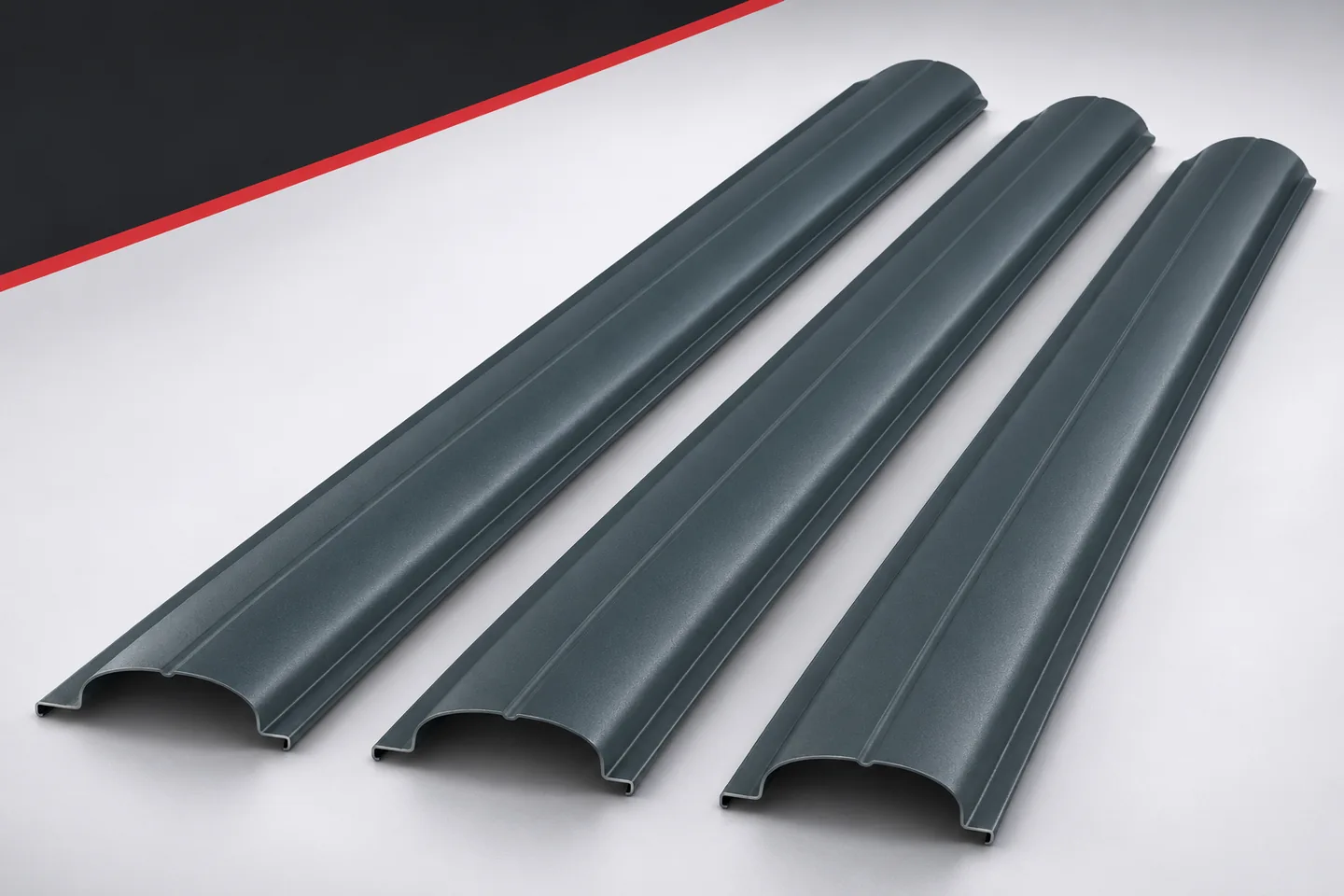
Single- or double-sided metal fence pickets: the view from the garden

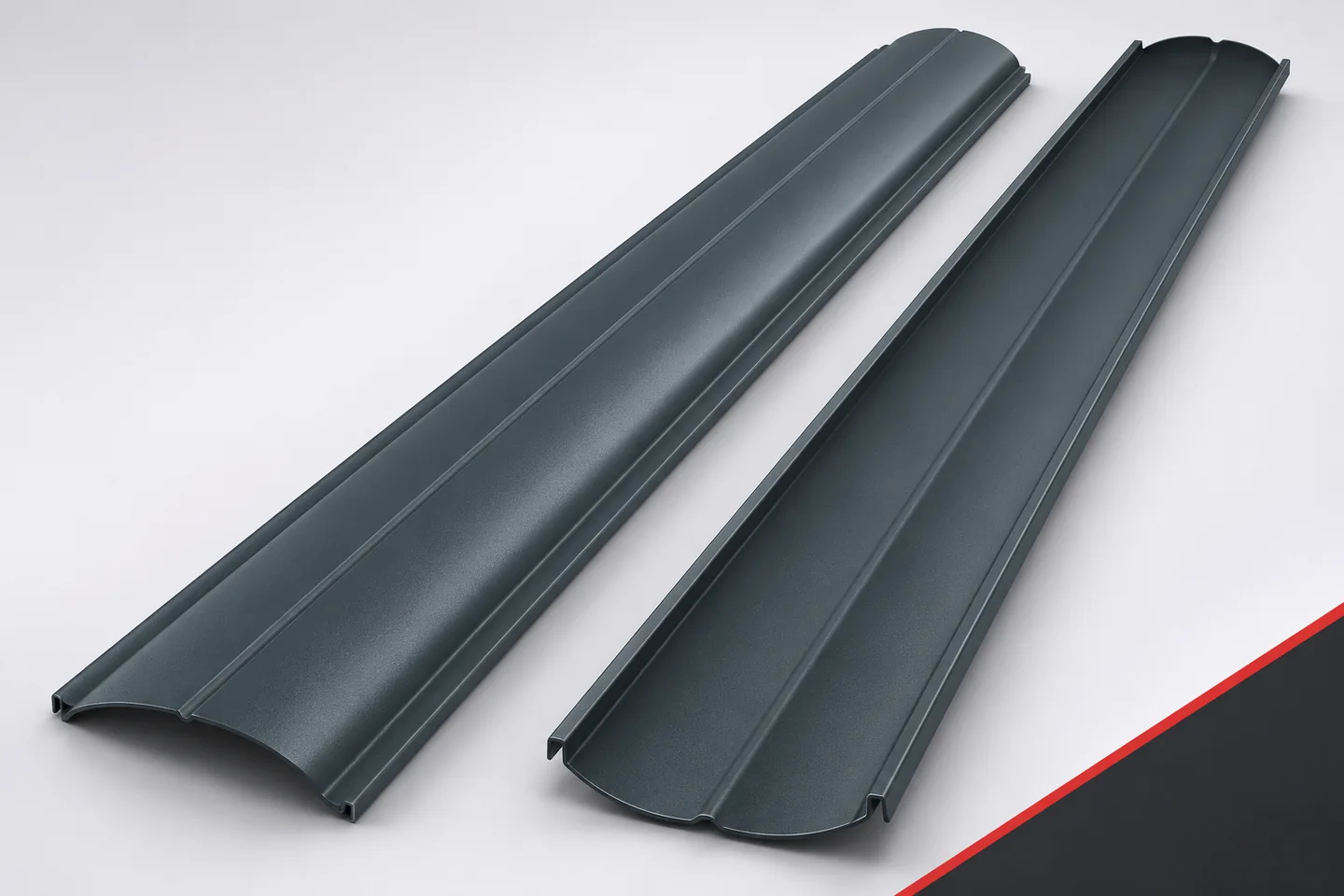
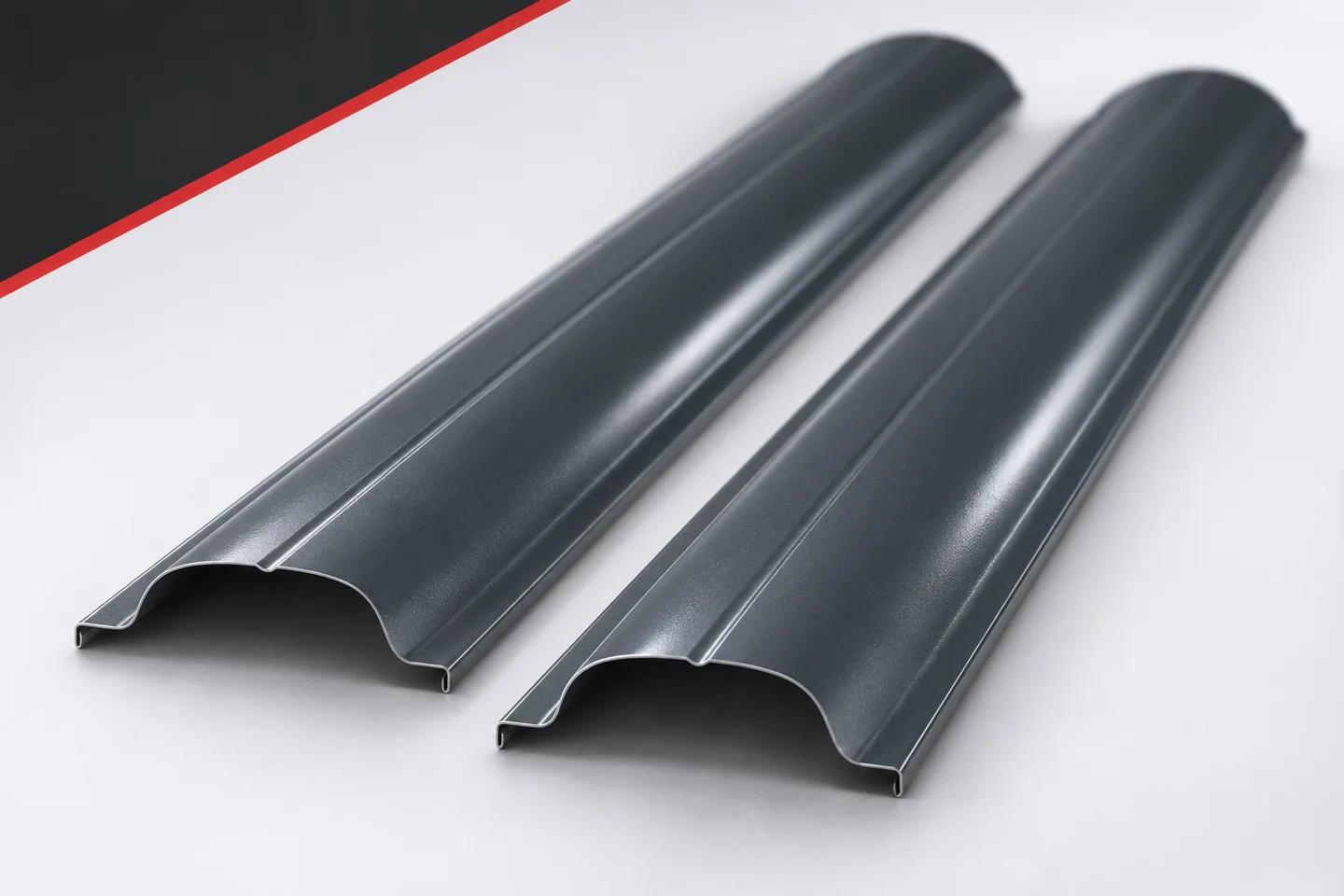
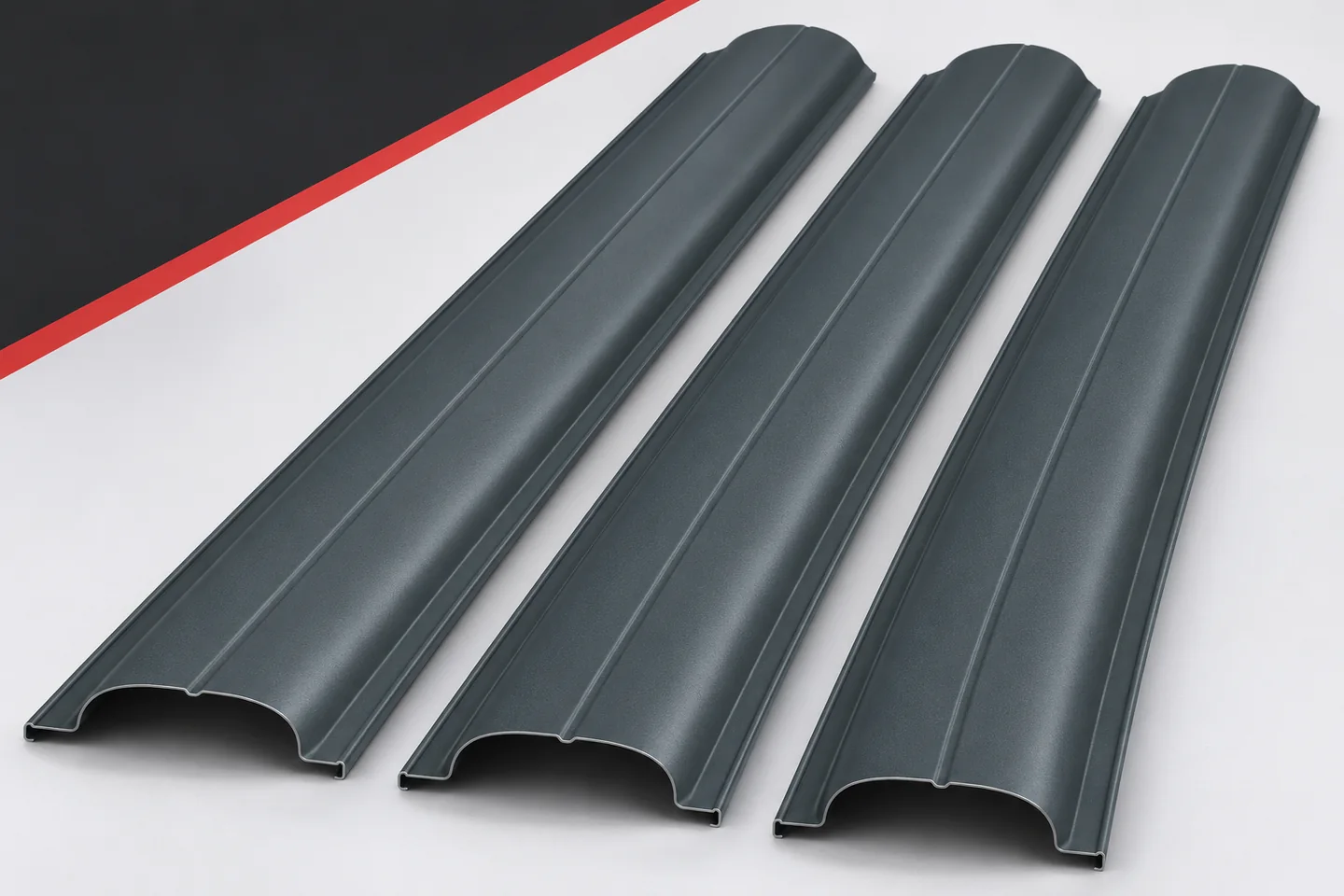
A fence is viewed from the street, the driveway and the terrace. For this reason, the appearance of the back of a slat can be just as important as the front. Metal slats come in various finish variants. Some have a decorative coating on both sides, others on only one. Before ordering, it is worth establishing precisely what these terms mean. It is a minor decision in the specification that later affects the whole view of the garden. A single-sided slat does not have to have exposed steel at the back. The reverse side can be protected with a protective lacquer. However, its colour, gloss and purpose are often different from those of the decorative side. Therefore, merely ensuring that the element is protected on both sides does not settle the question of appearance.
By |2026-11-14T18:30:13+01:002026-11-14|Expert guides|Comments Off on Single- or double-sided metal fence pickets: the view from the garden

How galvanising and colour coatings protect steel fence pickets

Colour is the last visible part of a picket's protection. Beneath it lies a layer system that helps protect the steel. That is why, when choosing pickets made of coated sheet, it is worth knowing the difference between the core, the galvanising and the paint. This makes it easier to discuss material quality. It also helps avoid the mistake of treating two products in the same shade as technically identical. The steel core forms the basis of the picket. During production the sheet strip receives longitudinal folds and pressings. Thanks to them, thin material can form a stiffer profile than a flat strip of similar dimensions. Metal pickets nevertheless remain the infill of a fence. Their properties do not replace the correct choice of posts and rails.

By |2026-11-14T18:30:11+01:002026-11-14|Expert guides|Comments Off on How galvanising and colour coatings protect steel fence pickets

How to care for metal fence pickets without repainting them every year

One practical advantage of pickets made from coated sheet steel is that they come with a factory finish. There is no need to start using the fence by painting the whole thing. That does not mean, however, that the fence can be left without inspection. Metal pickets need to be kept clean and any damage dealt with. This work is usually simpler than a full renovation, especially when it is taken care of from the outset. The factory colour gives a finished component a uniform surface. Some of the work of finishing raw material on site is eliminated. Nor is there any need to schedule repainting of the whole fence for every season in advance. This matters for long runs of fencing and in places where access is difficult.

By |2026-11-14T18:30:09+01:002026-11-14|Expert guides|Comments Off on How to care for metal fence pickets without repainting them every year

Buying metal fence pickets: what to check beyond colour and price

Fence durability starts with specifics. What matters is the material, the profile section, the coating and the method of fixing. The term “metal pickets” alone says too little to assess an offer. Two similar fences may have different surface protection and different installation requirements. It is therefore worth examining the components closely. Well-chosen sheet-metal pickets allow an even, attractive fence without regularly painting the entire surface. First establish what the fence is meant to do. The front of a small house has different needs from the side boundary of a large plot. In the first case, the appearance of both sides is usually important. In the second, easy access for cleaning and the ability to replace a damaged component may matter. Sheet-metal pickets offer freedom in choosing lengths and spacings, but they do not by themselves solve every fencing task.

By |2026-11-14T18:30:08+01:002026-11-14|Expert guides|Comments Off on Buying metal fence pickets: what to check beyond colour and price

What do cold-formed steel sections cost, and how do you compare quotes?

The price per metre is a convenient reference point, but it does not describe the whole order. Cold-formed profiles of the same height can have different flange widths, thicknesses and weights. Holes, accessories and delivery are added to the cost. Quotes are best compared only once a common specification has been established. That makes it easier to identify genuine savings and to avoid buying material that later requires a design change. Price lists sometimes include profiles with similar names but different flange widths and lip lengths. Even with the same height and sheet thickness, the mass of one metre can differ. The difference results from the amount of material and the shape of the cross-section. A cheaper variant should not be treated as an automatic equivalent of a more expensive one.

By |2026-11-14T18:29:57+01:002026-11-14|Expert guides|Comments Off on What do cold-formed steel sections cost, and how do you compare quotes?

Where cold-formed steel sections suit industrial buildings, shelters and refurbishments

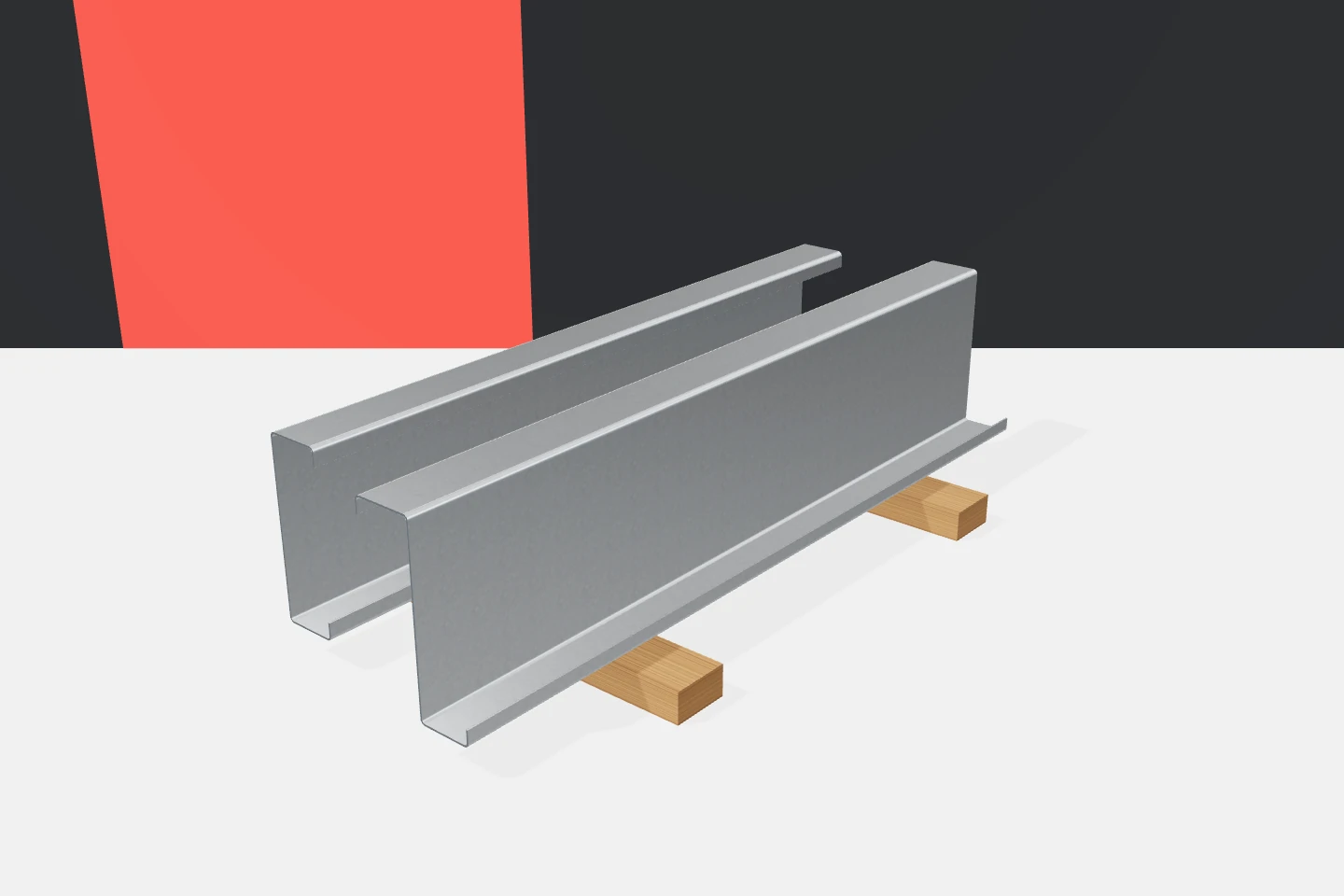
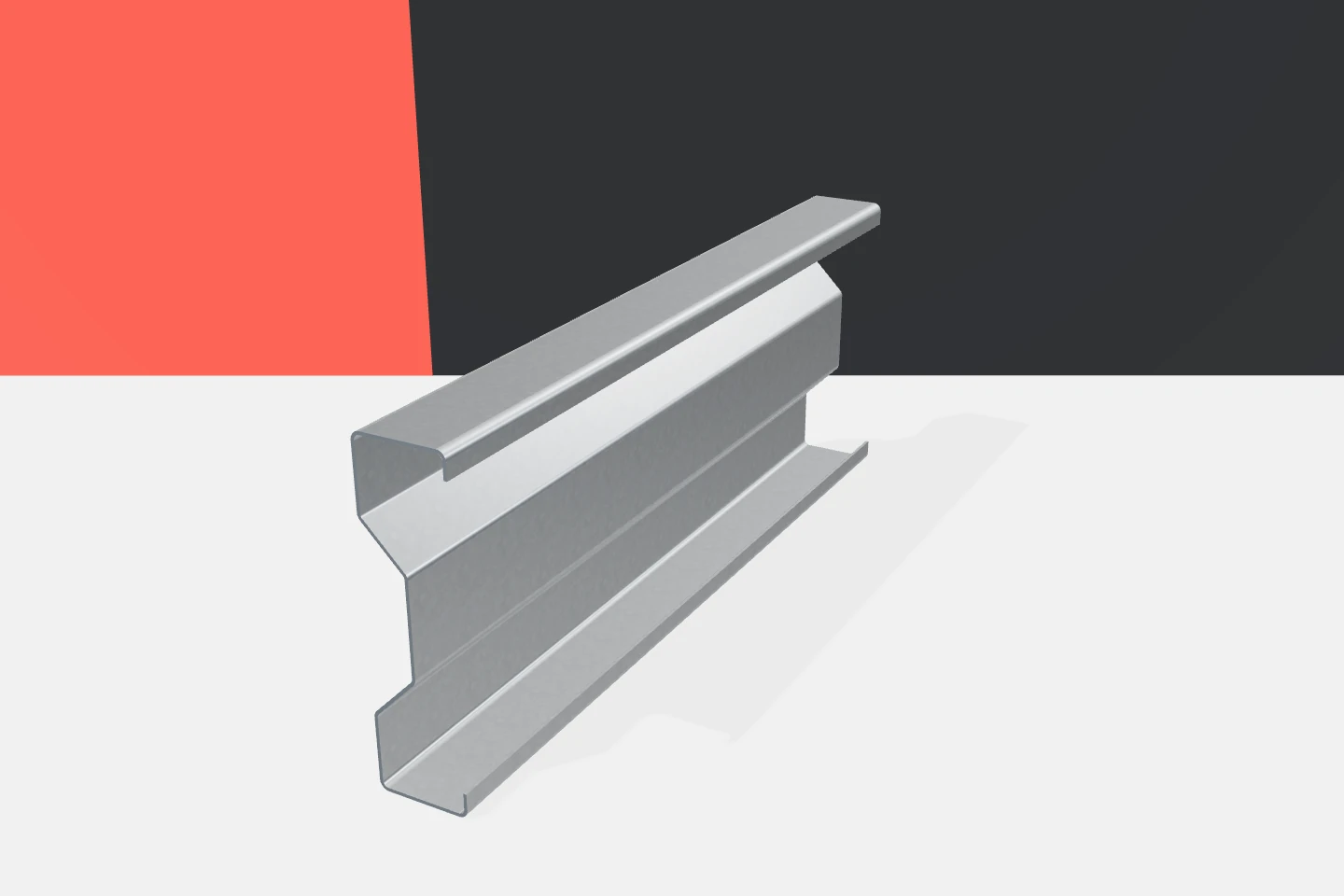
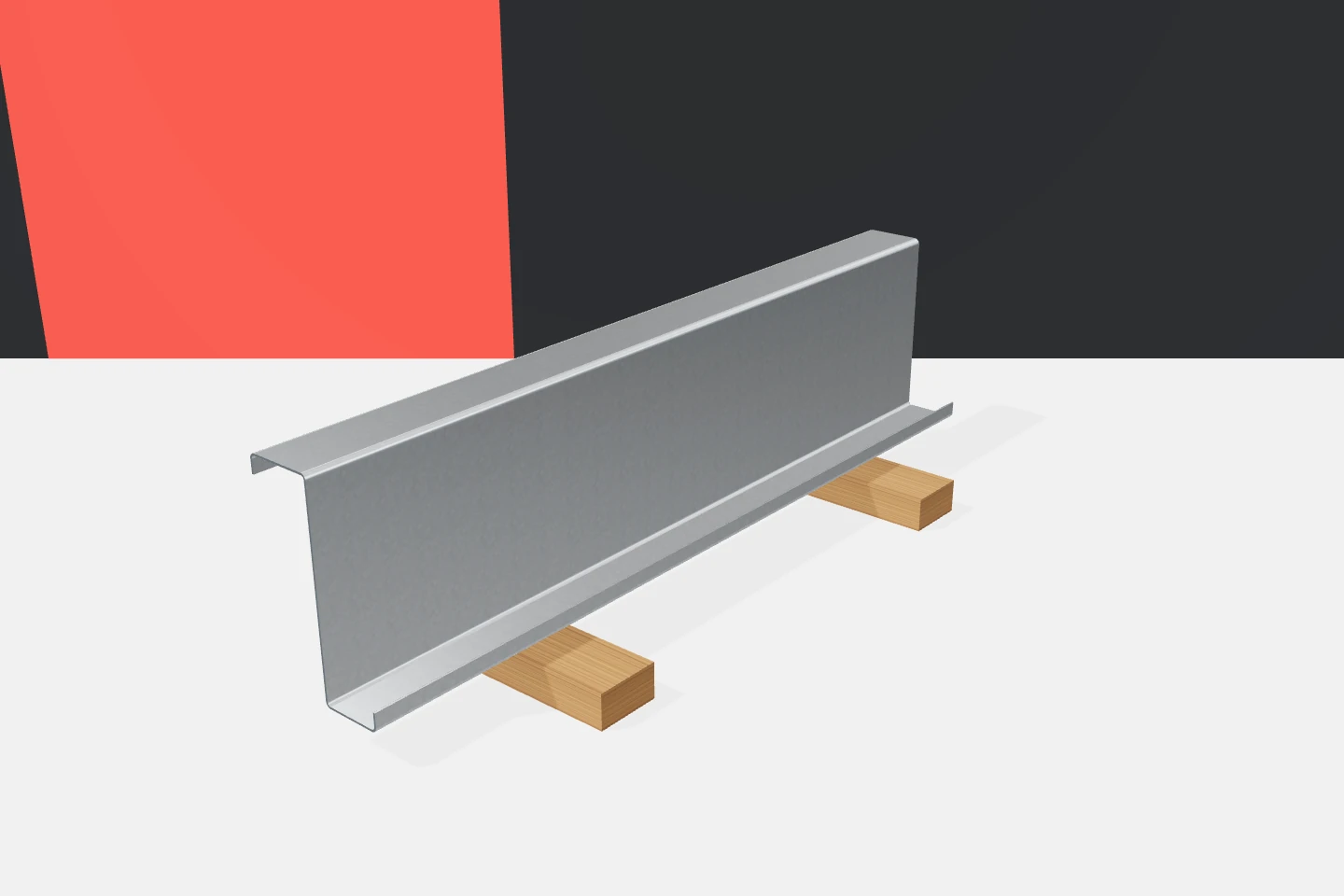
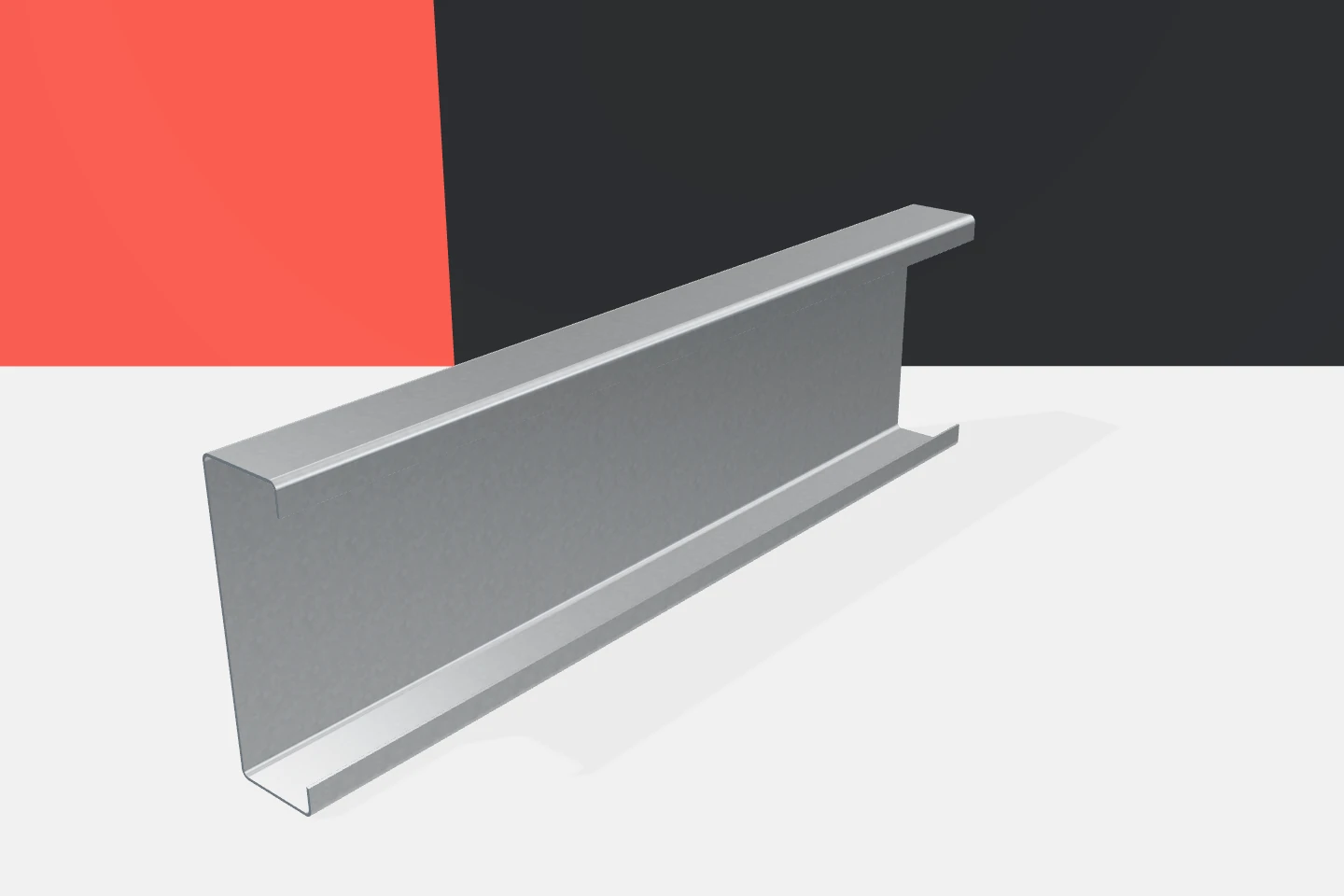
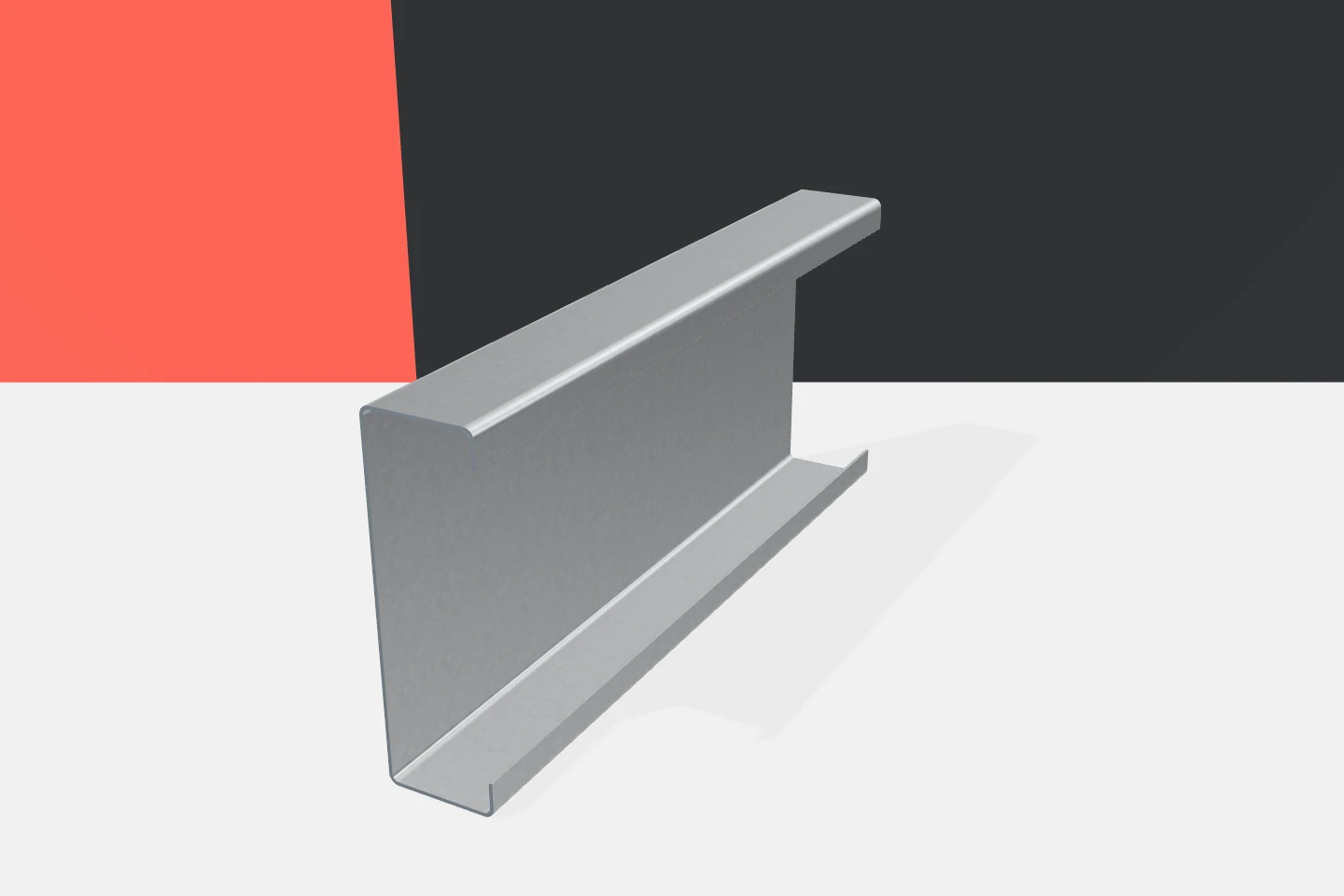
The same product family can be used for a warehouse roof, a façade sub-structure and a small frame. Cold-formed profiles have a wide range of applications because their shape, length and perforation pattern can be matched to a specific function. This does not, however, mean one solution for every project. They bring the greatest benefit where lightness combines with repetition and well-prepared connections. Storage and production halls often have a regular frame grid and repetitive cladding bays. This favours the use of profiles in planned lengths. Z-sections can form purlins, while C-sections serve as rails and framing. In certain solutions sigma profiles are also used. The selection depends on loads, spans and the adopted system.

By |2026-11-14T18:29:55+01:002026-11-14|Expert guides|Comments Off on Where cold-formed steel sections suit industrial buildings, shelters and refurbishments

Installing cold-formed steel sections: what to prepare before delivery

Smooth installation starts before the first beam is lifted. The structural layout, the marking of elements and the required connections must be known. Cold-formed profiles make work organisation easier thanks to their low weight and the option of factory-made holes. These advantages do not, however, appear by themselves. It is worth preparing the delivery so that the crew does not have to solve basic problems only on site. The profile list, workshop drawings and installation plan should present the same version of the structure. A discrepancy is particularly easy to arise after a change in the support spacing or the gate dimension. The length of the channel may then be corrected while the hole pattern remains the old one. Checking the revision number helps to avoid such situations.

By |2026-11-14T18:29:54+01:002026-11-14|Expert guides|Comments Off on Installing cold-formed steel sections: what to prepare before delivery

Choosing cold-formed steel sections: how to reduce weight without unplanned substitutions

A well-chosen profile should provide the required load-bearing capacity and stiffness with sensible use of material. The aim is not to find the thinnest sheet steel in the price list. Cold-formed profiles work within a specific arrangement of supports, connections and sheathing. Changing one of these components can change the result of the calculations. It is therefore worth reducing mass according to an orderly list of data and variants. Purlins under a roof, façade rails and opening-framing beams have different working conditions. First, it is necessary to establish where the loads reach them from and where they are transferred to. A simple structural plan with supports and spans marked helps. Only on this basis is the type of section selected.

By |2026-11-14T18:29:52+01:002026-11-14|Expert guides|Comments Off on Choosing cold-formed steel sections: how to reduce weight without unplanned substitutions

Protecting galvanised steel sections before installation

A galvanised surface does not mean that the steel can be stored in any conditions. Cold-formed profiles often arrive on site in tightly packed bundles in which moisture is easily trapped. Later come cutting, drilling and installation in hard-to-reach places. The durability of z-sections, channel sections, sigma and omega profiles therefore depends both on the coating and on how the material is handled. The market offers galvanised profiles as well as products with other metallic protective coatings. Some contain aluminium and magnesium additions. The differences are not necessarily obvious in a photograph. The order should specify the correct coating designation, not merely the word silver or protected.

By |2026-11-14T18:29:50+01:002026-11-14|Expert guides|Comments Off on Protecting galvanised steel sections before installation

Steel omega sections in lightweight framing: avoiding costly substitutions

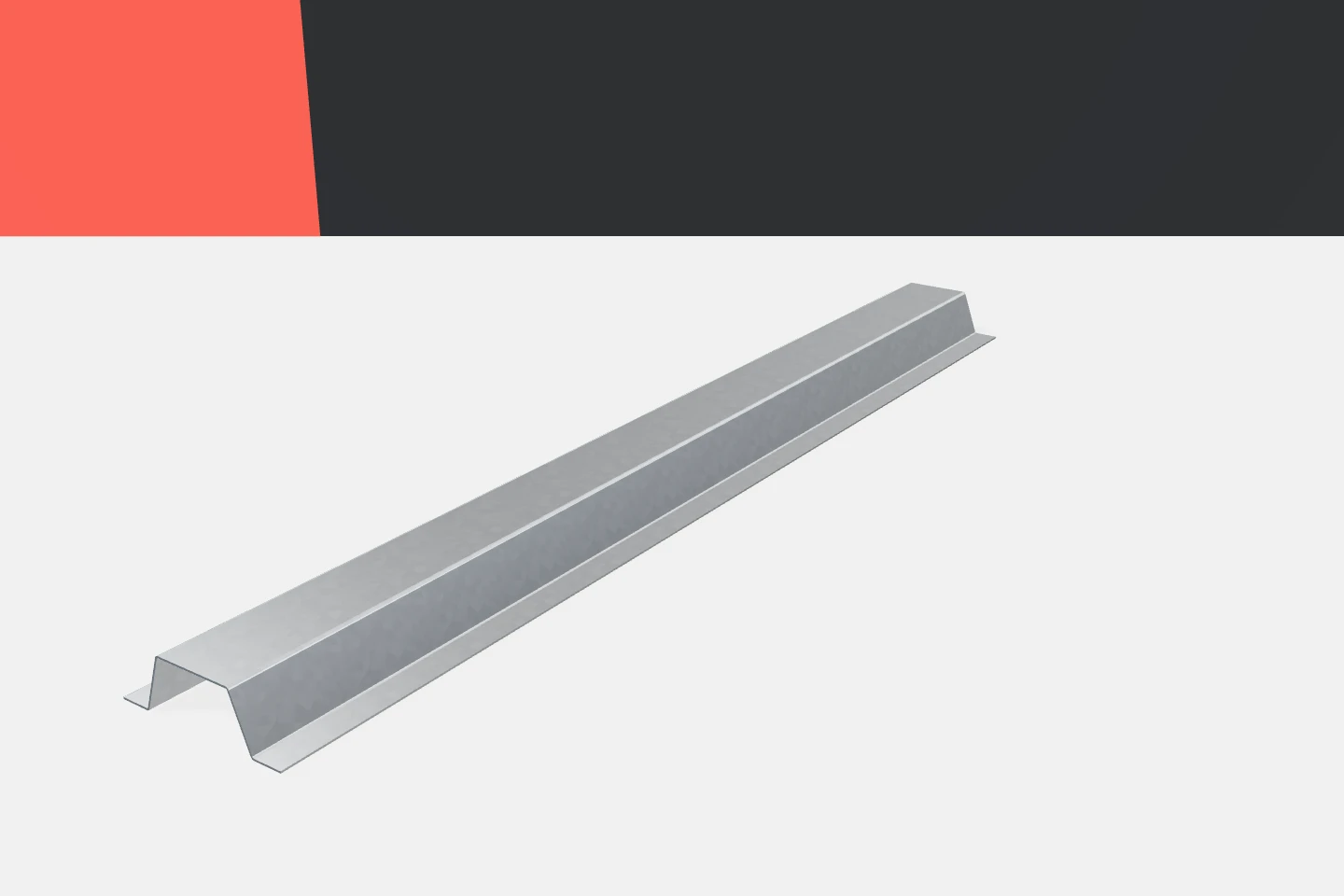
The omega profile can simplify the construction of a frame for a covering or cladding. However, it has its own geometry and a defined scope of application. It is not a scaled-down zed purlin, nor an arbitrary substitute for a structural beam. When choosing steel omegas, it is worth checking more than just their height. Equally important are the widths of the mounting surfaces, the sheet thickness and the method of fixing to the substrate. Omegas are classed as hat sections. The two outer flanges allow the profile to be supported and fixed, while its central part forms an offset plane. The sides may be slightly inclined. In some versions the outer edges of the flanges are additionally folded back. These differences affect the dimensions and behaviour of a particular product.

By |2026-11-14T18:29:39+01:002026-11-14|Expert guides|Comments Off on Steel omega sections in lightweight framing: avoiding costly substitutions
Back to top