How do standing seams handle rain and thermal movement?

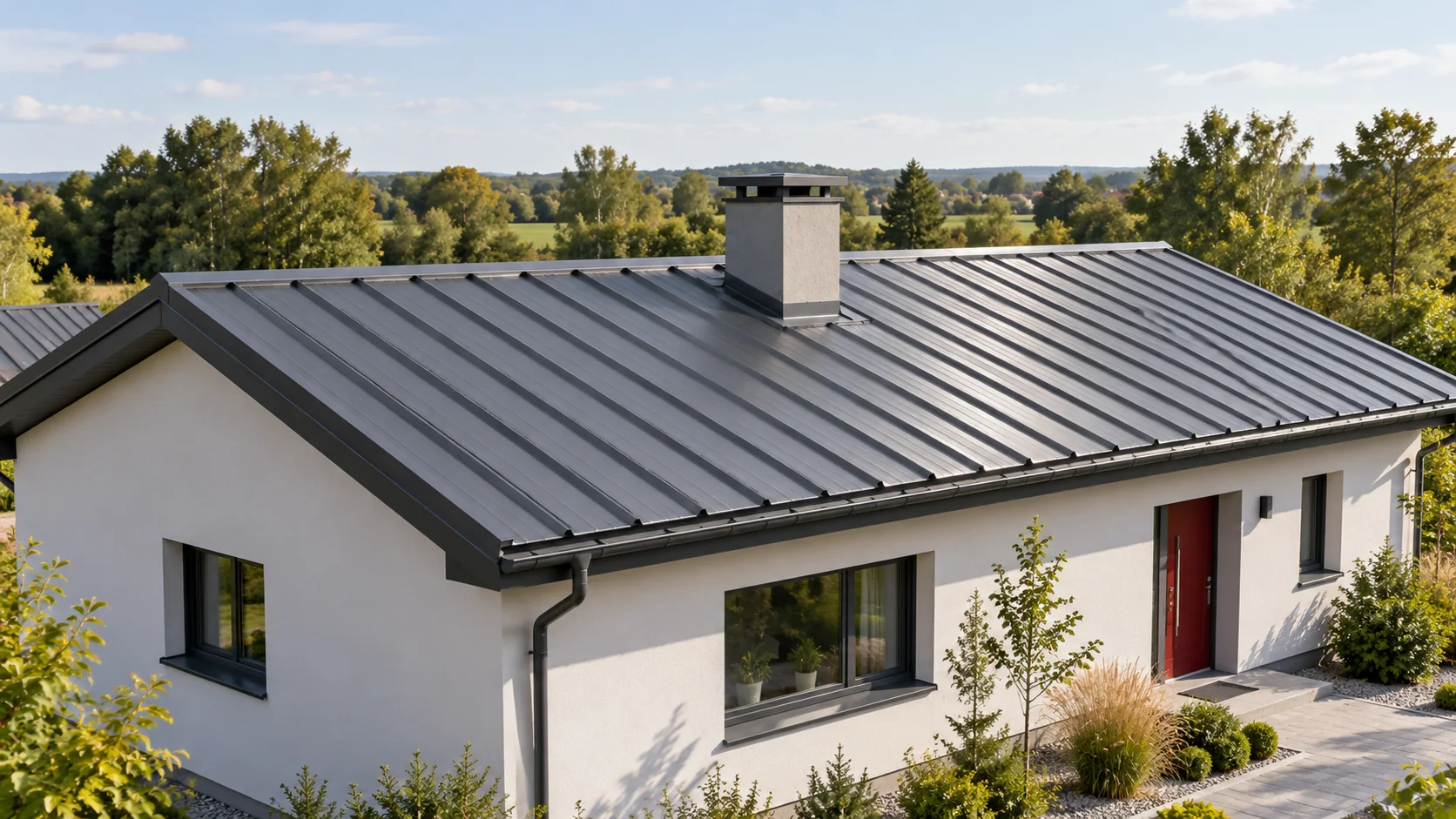
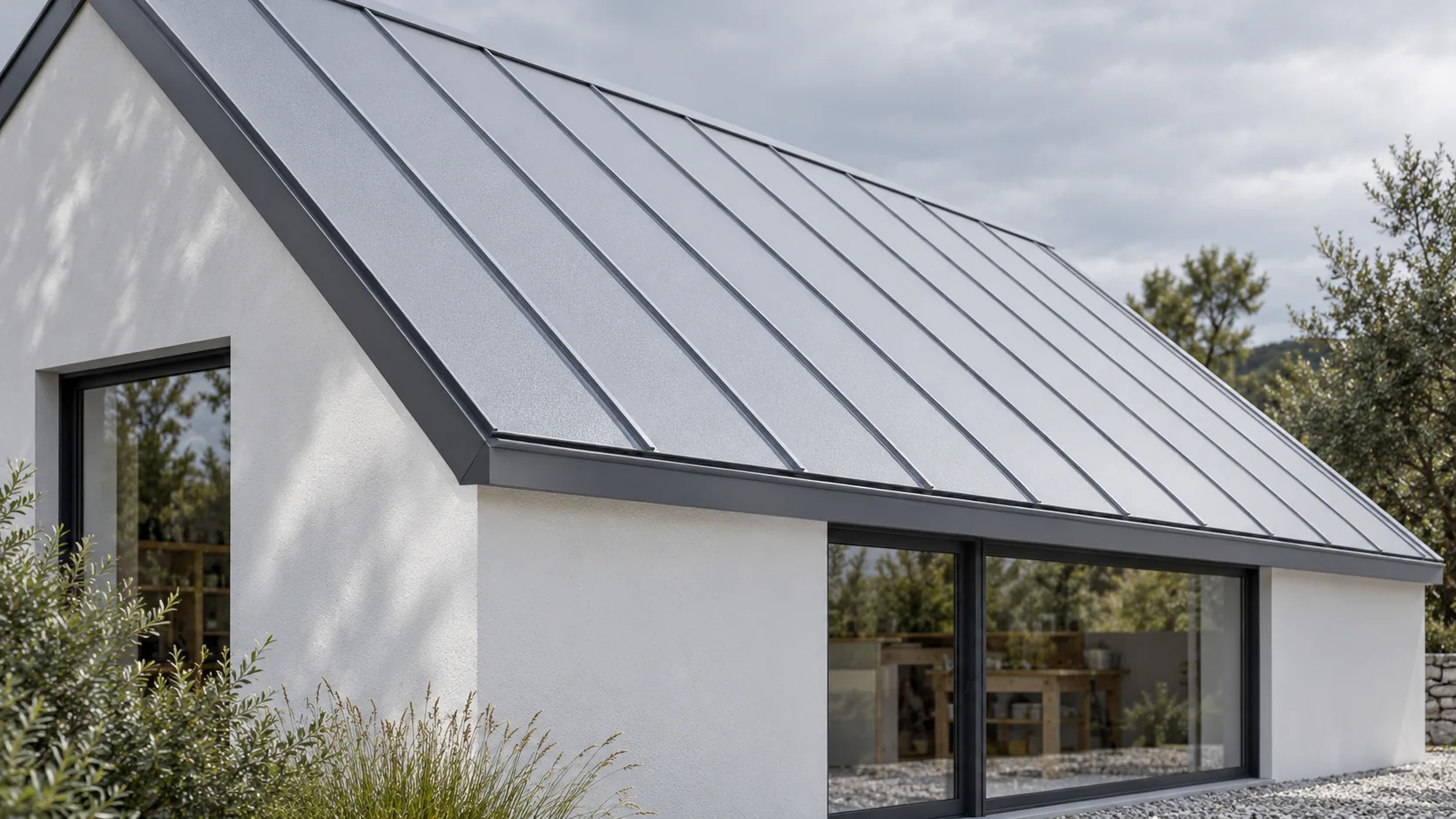
Single, double and snap-lock standing seams may look alike from the ground. What matters is how the edges engage, how the sheets are fixed and which applications the system permits. In traditional work the roofer folds prepared edges together and closes them with tools. Single and double folds give the joint different shapes. A snap-lock panel has factory-formed edges that engage as specified by its manufacturer. It is a different joint, with its own requirements for pitch, support and movement. Before choosing a roof or opening one for repair, identify the actual section rather than relying on the height of the visible rib.
By |2026-11-13T21:53:18+01:002026-11-13|Expert guides|Comments Off on How do standing seams handle rain and thermal movement?

Which flashings keep water out of a roof, and when should they be replaced?

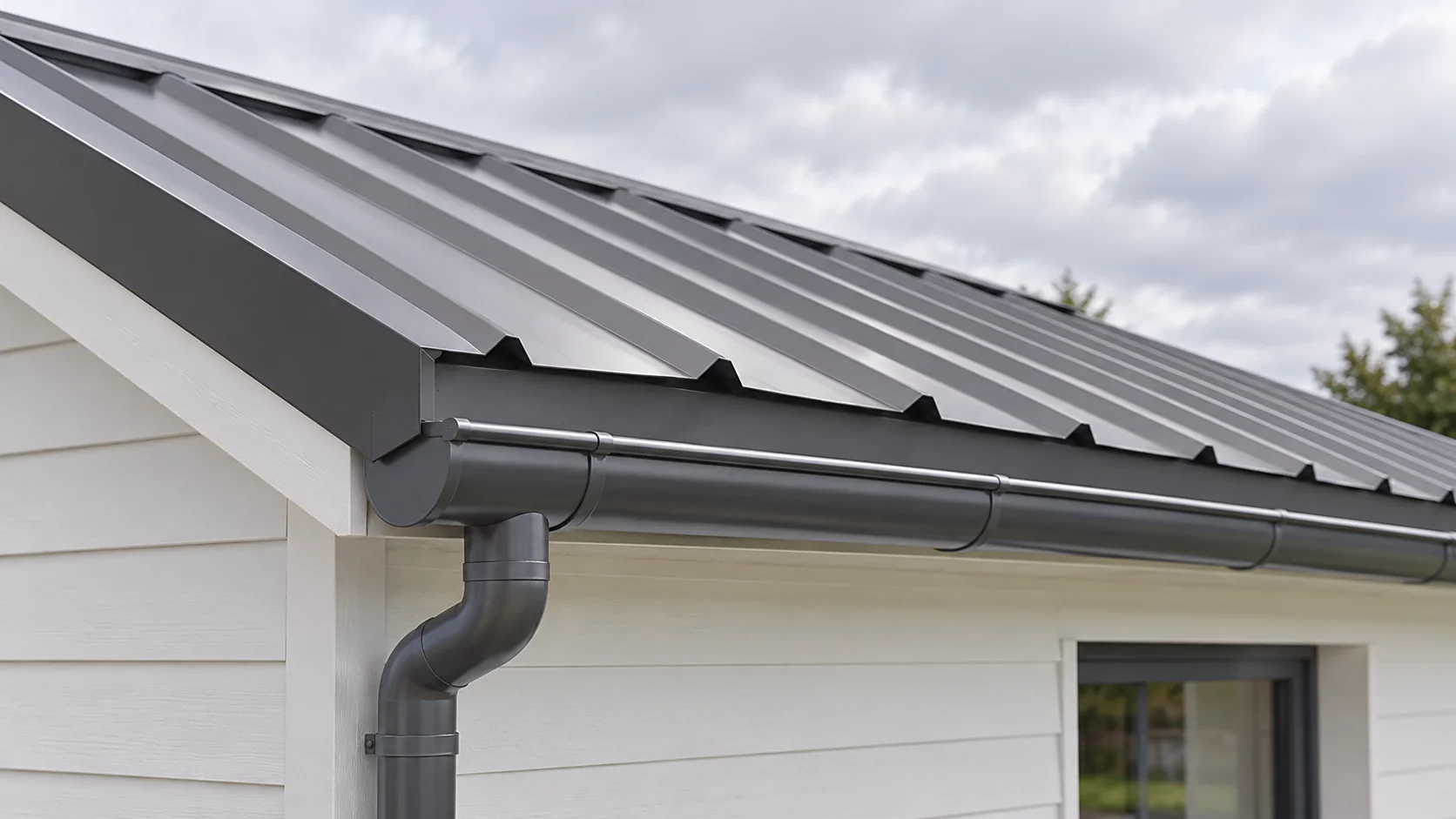
Flashings guide water where a roof sheet meets an edge, a wall or another slope. At the eaves, one flashing directs runoff from the covering into the gutter; another can protect the fascia and eaves finish. The underlay may need its own drainage edge. At the verge, ridge, valley and chimney, different shapes serve different purposes. When renovating, check how each junction sheds water and whether its shape still suits the new covering. Colour and visible rust tell only part of the story. A section drawing is more useful for ordering eaves flashings than a name that different trades may use differently.

By |2026-11-13T21:53:16+01:002026-11-13|Expert guides|Comments Off on Which flashings keep water out of a roof, and when should they be replaced?

Does a more expensive tile-effect steel roof cost less to maintain?

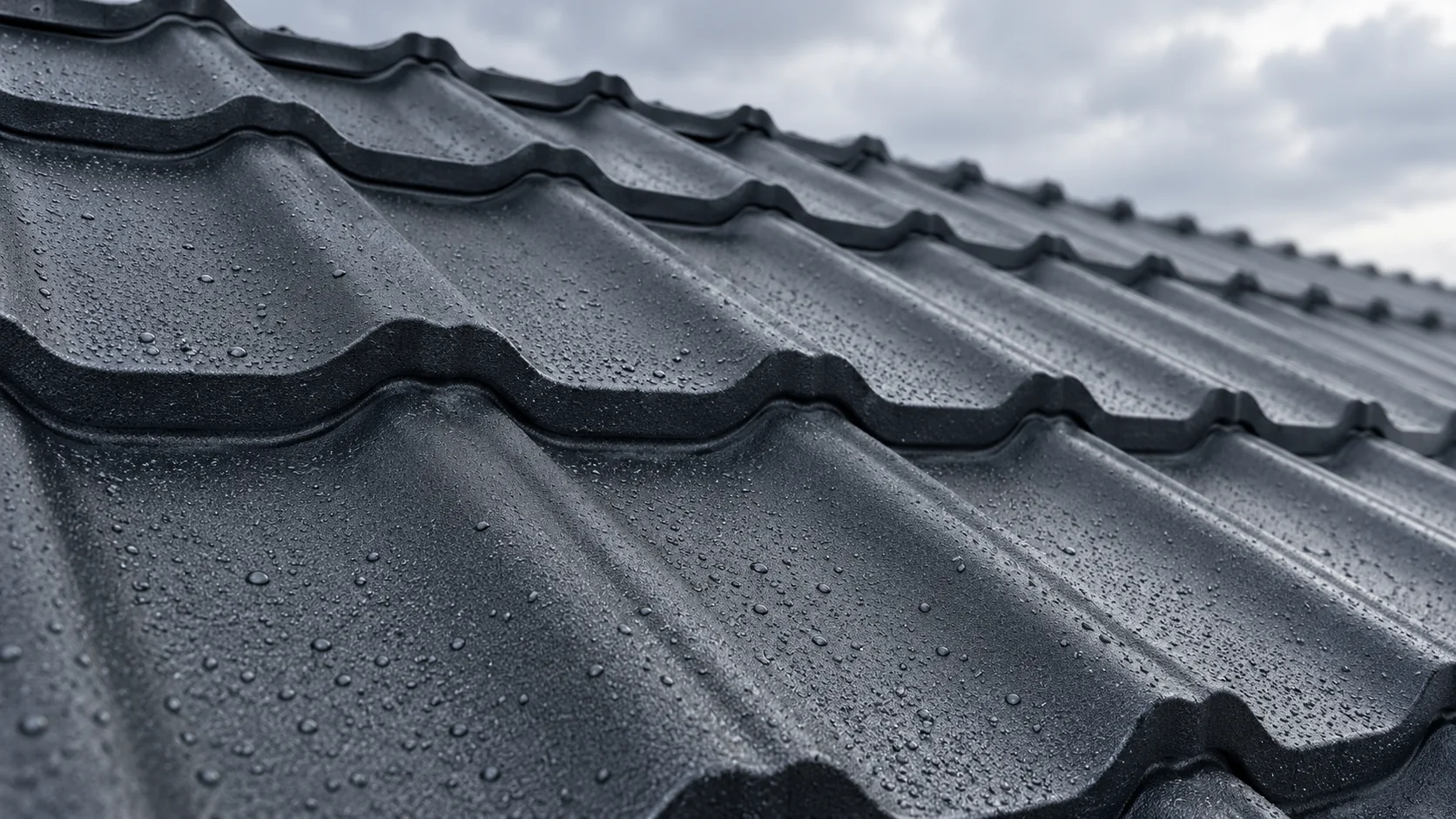
Two tile-effect steel sheets can look identical from the road yet differ in steel grade, core thickness, metallic coating and surface finish. The sheet size, accuracy of manufacture and shape of the pressed profile also affect the price. A higher price can buy protection suited to a damp or exposed site, but a more elaborate profile does not necessarily reduce maintenance costs. Compare the material specification and the cost of covering the actual roof, including cuts, access for inspections and eventual repairs. A colour name or a price per sheet tells you little about these differences.

By |2026-11-13T21:53:14+01:002026-11-13|Expert guides|Comments Off on Does a more expensive tile-effect steel roof cost less to maintain?

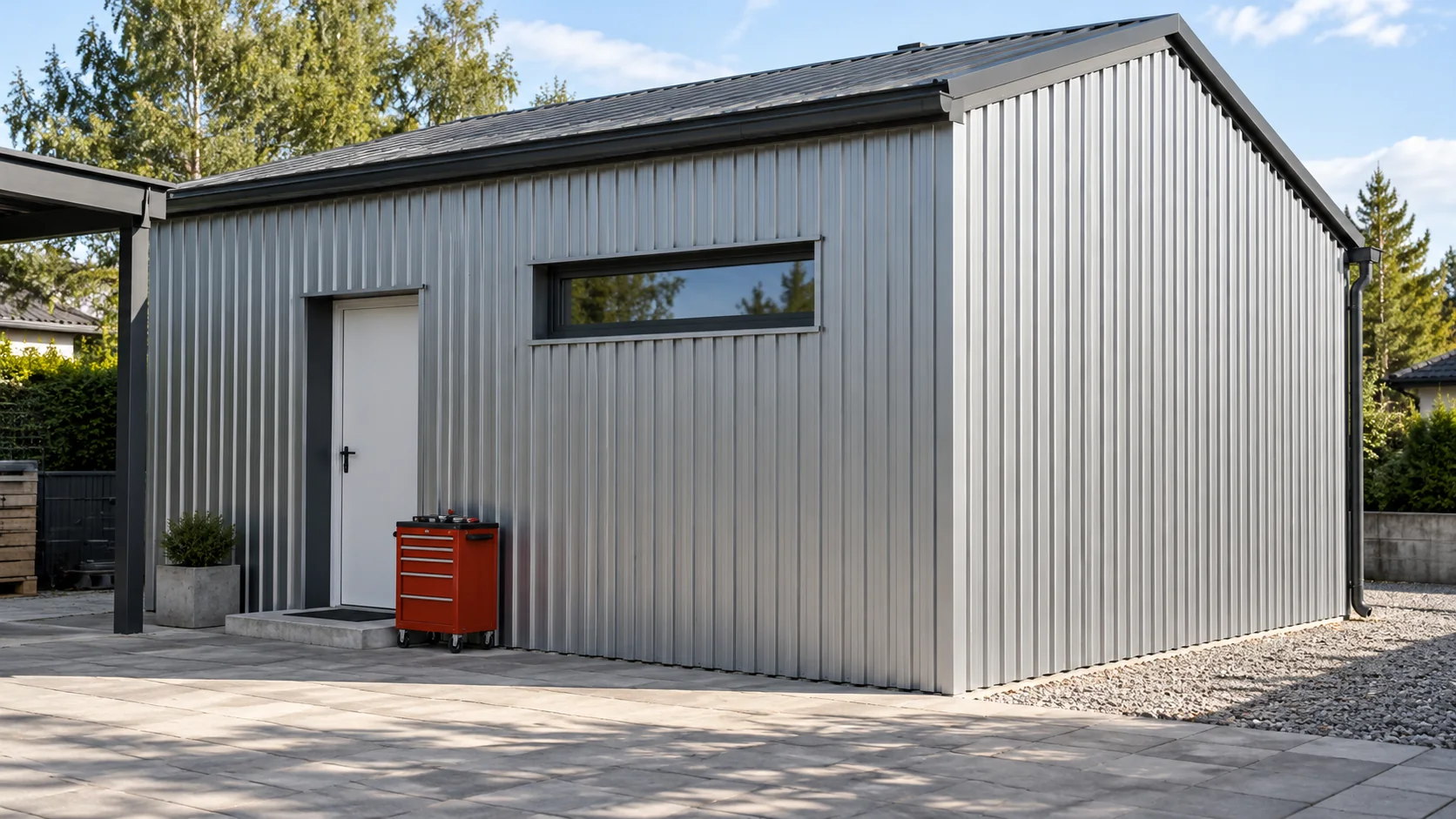
Using T12 profiled steel for lightweight cladding and small roofs

A shallow T12 profile can suit a small building, but check whether the particular sheet is intended for roofs, walls or both. Its cross-section, steel thickness and support arrangement determine suitability. The T12 designation alone gives neither the permissible span nor a specification for a roof. Shallow ribs give an understated finish that can suit a workshop, store or outbuilding, particularly on small elevations. Alongside appearance, check that the sheet will carry the loads at the proposed location.

By |2026-11-13T21:53:13+01:002026-11-13|Expert guides|Comments Off on Using T12 profiled steel for lightweight cladding and small roofs

Metal roof tiles or clay tiles for a long-term roof replacement?

Both coverings can give years of service. The choice depends on the structure and how the roof will be used and maintained. When planning a replacement, consider weight, the condition of the roof timbers, junction details and future repairs alongside appearance and price. Decide whether the space below will remain a loft or become living accommodation. Clay tiles are considerably heavier than profiled steel. Compare the installed weight for the chosen model and laying pattern, including battens, underlying layers and accessories. The weight of a single tile tells you little about the load on the existing structure.

By |2026-11-13T21:53:11+01:002026-11-13|Expert guides|Comments Off on Metal roof tiles or clay tiles for a long-term roof replacement?

How to repair chimney flashing and prevent recurring leaks

Before repairing chimney flashing, trace the water and inspect the chimney itself. Another layer of sealant will do little if the flashing sheds water the wrong way or prevents the roof covering from moving. The detail must keep rain out, tie into the chimney finish and remain accessible for inspection. A stain beside the chimney can originate above the lower apron. Look for cracks in mortar joints, damage to the cap or chimney finish, and water entering farther up the slope. Inspect the whole area before deciding which piece to replace.

By |2026-11-13T21:53:09+01:002026-11-13|Expert guides|Comments Off on How to repair chimney flashing and prevent recurring leaks

Roof leak or condensation? How to trace water beneath metal sheeting

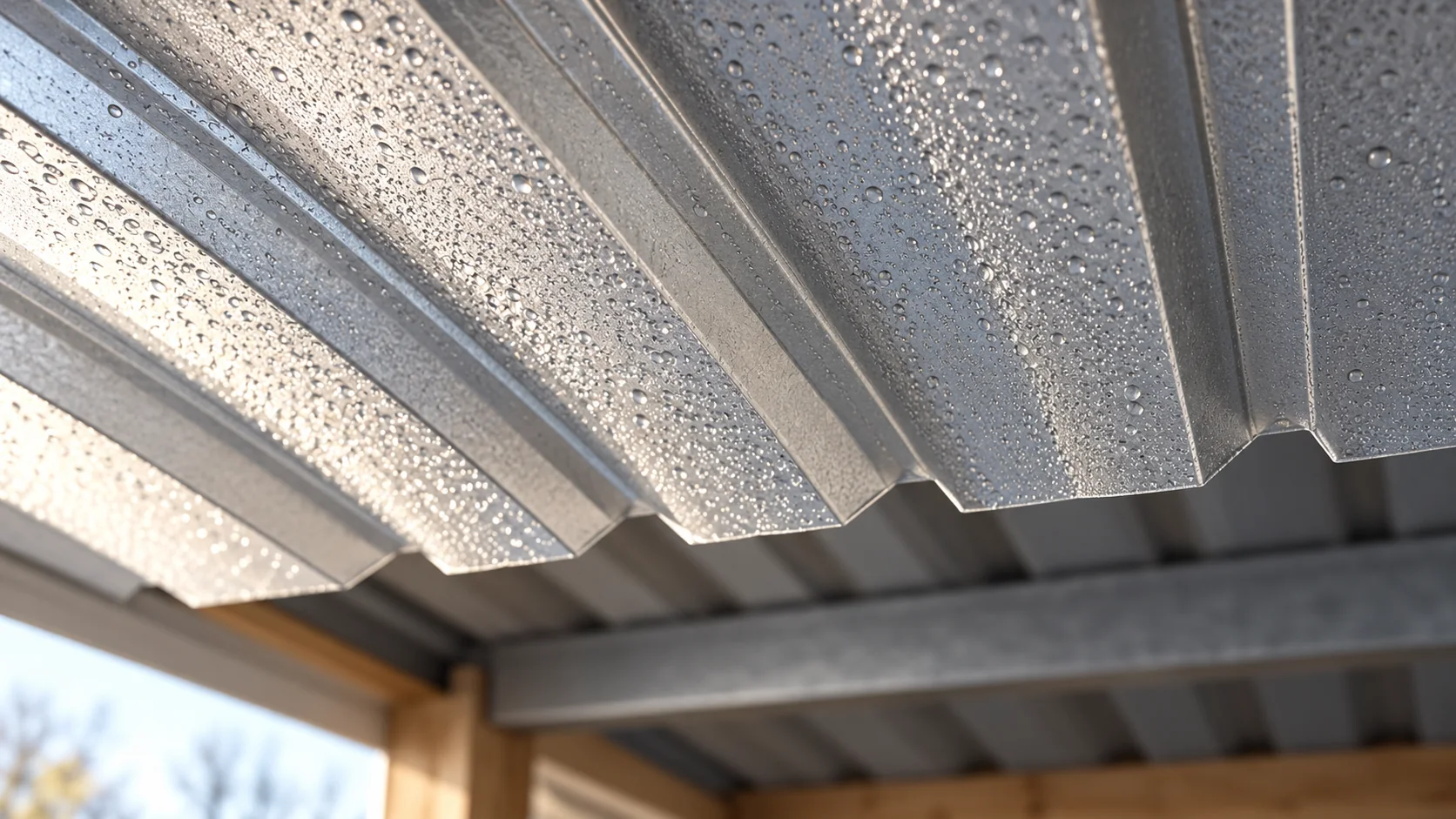
A damp patch under a metal roof can come from rain entering at a joint or from moisture condensing on cold sheeting. Each cause calls for a different repair. Before sealing anything, record when the patch appears, how far it spreads, the indoor temperature and the weather. Did it follow wind-driven rain, melting snow or a cold, dry night? In a building used intermittently, note when the heating came on or work generated steam. Photographs taken after successive events help show whether the wet area shifts or grows.

By |2026-11-13T21:53:07+01:002026-11-13|Expert guides|Comments Off on Roof leak or condensation? How to trace water beneath metal sheeting

Can T14 profiled steel sheet be used to reroof or enclose an open-sided shelter?

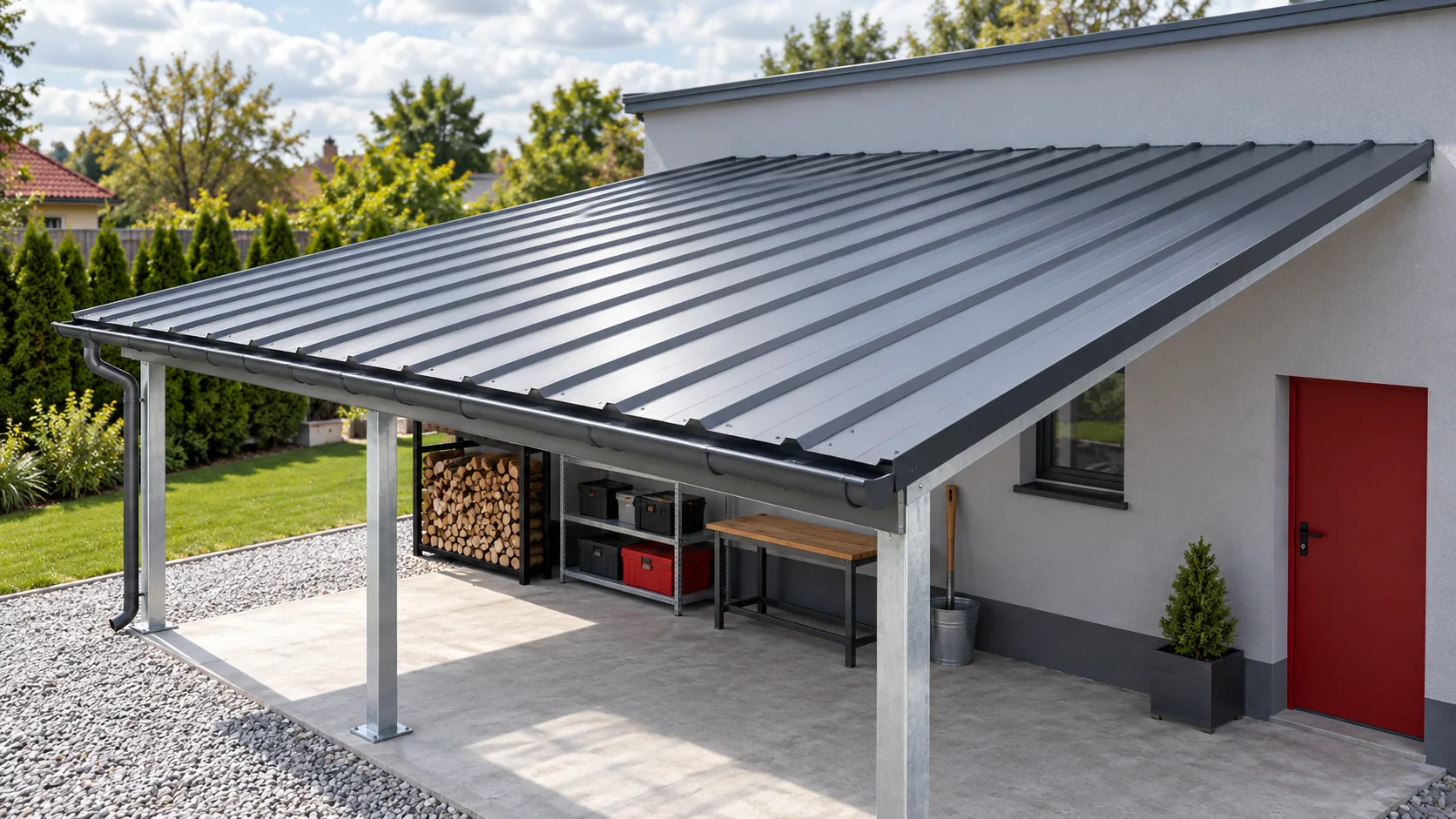
T14 profiled steel sheet can be an option for a small replacement roof or lightweight cladding. Before choosing a sheet thickness or length, check the existing supports, roof pitch, fixings and how moisture will drain. Removing the old covering often reveals defects hidden from below, such as corroded purlins, damp timber or uneven bearing surfaces. New roofing will leave those problems in place. Before ordering, establish which parts can stay and have the structure checked for the loads on the proposed roof.

By |2026-11-13T21:53:04+01:002026-11-13|Expert guides|Comments Off on Can T14 profiled steel sheet be used to reroof or enclose an open-sided shelter?

Comparing EPS costs at different thermal conductivity values

EPS price comparisons make sense only at similar thermal performance and for compatible applications. A cheaper cubic metre may require a thicker layer, while a more expensive board may reduce some detailing costs. Establish the required insulation resistance first, then the price per square metre and the completed assembly cost. Do not overlook mechanical properties or documentation. Pack contents vary: board quantity and area depend on format, thickness and packaging. Two similarly priced packs may cover different areas. Comparison becomes harder if one offer is for rebated boards and the other for straight-edged boards quoting a different usable area.

By |2026-11-11T07:10:04+01:002026-11-11|Expert guides|Comments Off on Comparing EPS costs at different thermal conductivity values
Back to top