What changes when EPS conductivity falls from 0.040 to 0.031?

Changing conductivity from 0.040 to 0.031 W/(m·K) increases the thermal resistance of EPS at the same thickness. It may also permit thinner insulation for a similar result, but heating bills do not fall by the same percentage. Separate the material property, layer resistance and whole-building heat loss in calculations. Thermal conductivity λ describes a material property. The lower it is, the harder heat passes through an equally thick layer. Its unit is W/(m·K). EPS labels usually give declared conductivity λD, allowing comparison under specified reference conditions. It is neither indoor temperature nor a measure of the home's energy use.
By |2026-11-11T07:10:02+01:002026-11-11|Expert guides|Comments Off on What changes when EPS conductivity falls from 0.040 to 0.031?

PIR or XPS for a flat roof: which layer determines the choice?

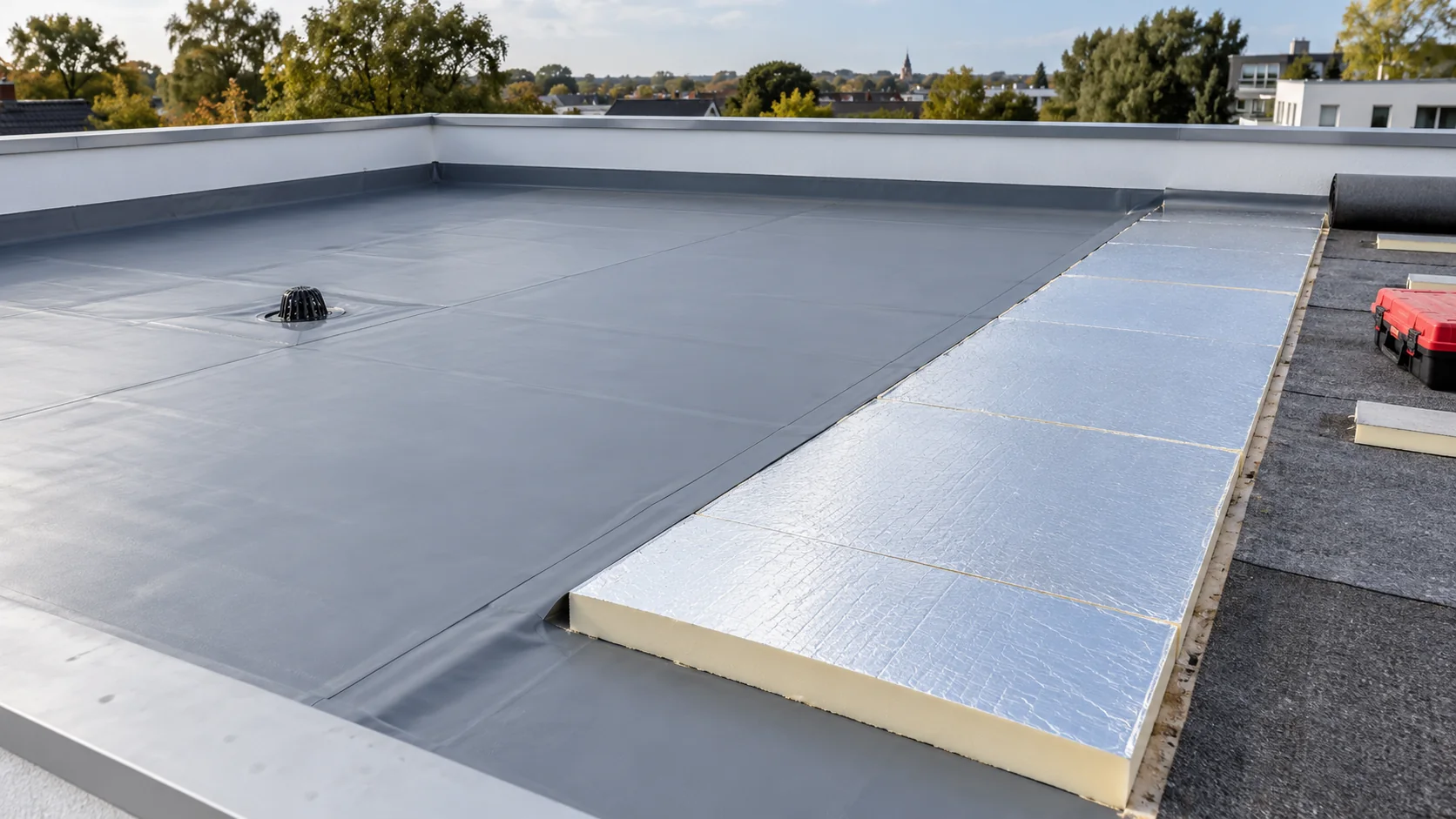
Flat-roof insulation selection starts with the position of the waterproofing. In a conventional warm roof it protects the insulation from above; in an inverted roof it lies beneath it. This changes the material's service conditions. PIR and XPS are therefore not straightforward substitutes, even if adjusted thicknesses can provide similar thermal resistance. Before renovation, identify the layers, waterproofing condition and moisture. Check falls, outlets and ponding areas. The top surface of roofing felt does not reveal conditions beneath it. Opening-up inspections and suitable tests help establish what can remain. Adding insulation over unchecked wet layers can trap the problem inside.

By |2026-11-11T07:10:00+01:002026-11-11|Expert guides|Comments Off on PIR or XPS for a flat roof: which layer determines the choice?

Choosing EPS, XPS or PIR when renovating a house

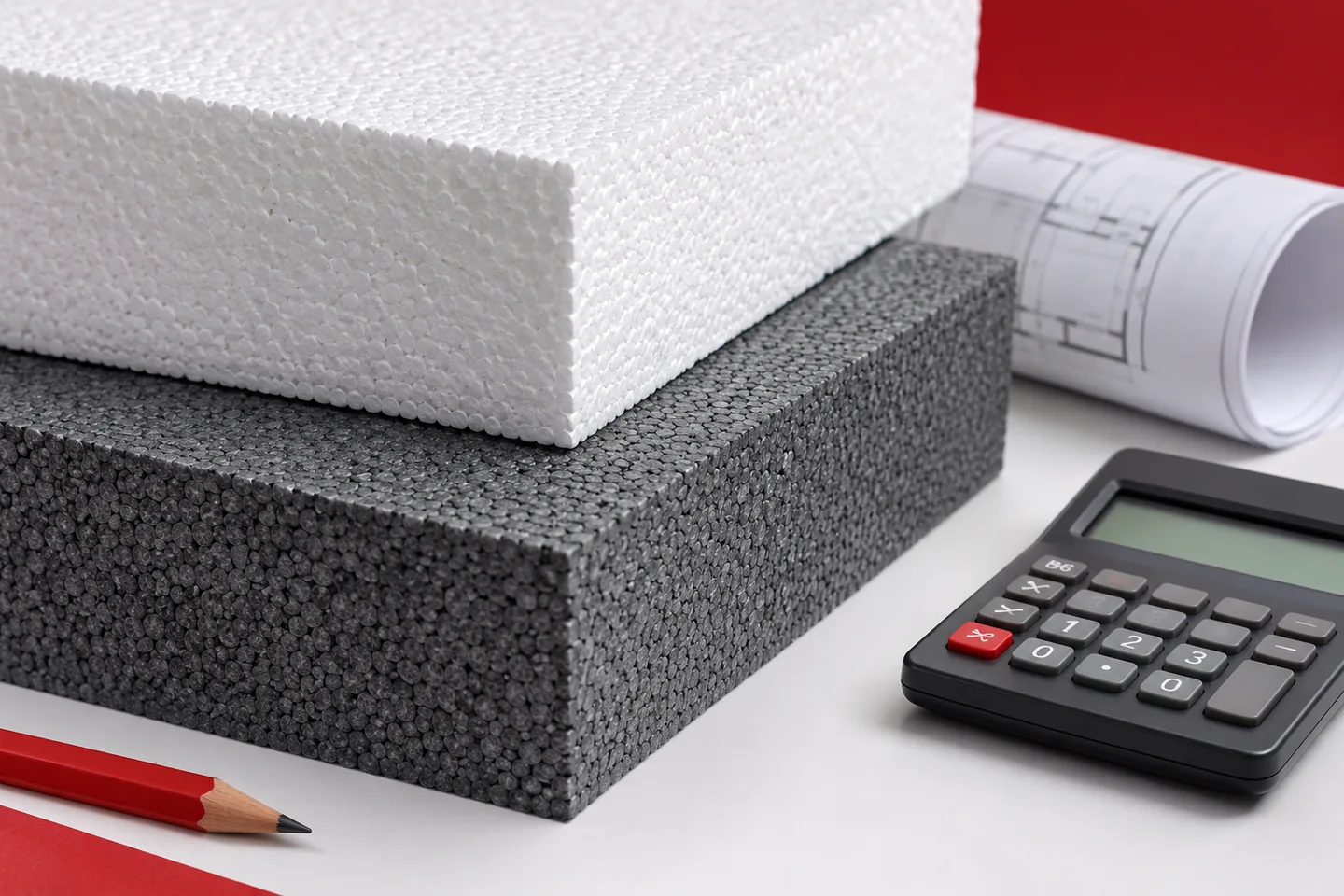
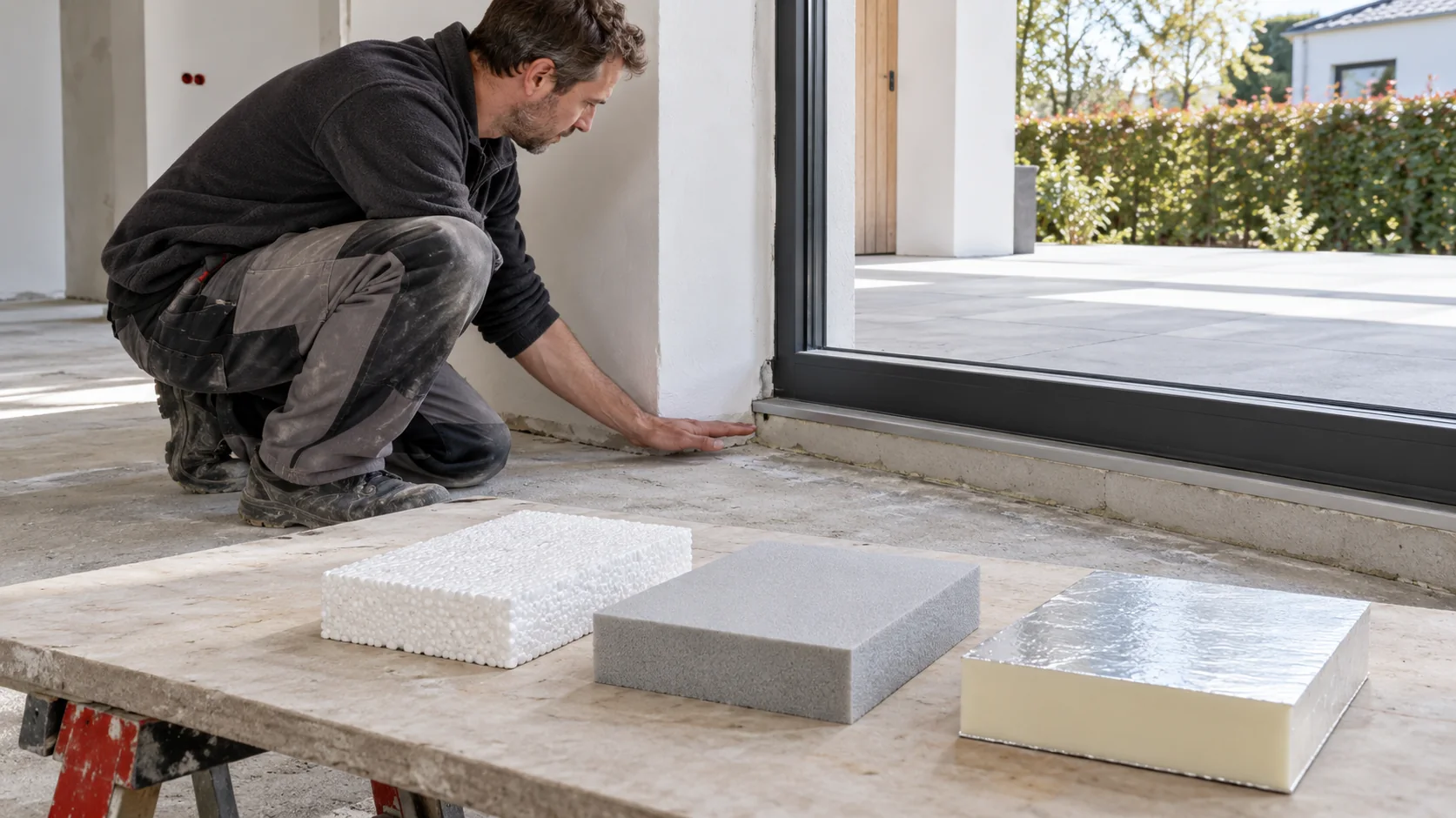
No single insulation material is best throughout a house. On a façade the render system matters, in a floor the loading, and on a roof the position relative to waterproofing. EPS, XPS and PIR differ in structure and available variants. In renovation, select them for a specific task and the existing building's constraints. EPS is expanded polystyrene, formed from expanded beads. XPS is extruded polystyrene with a compact cellular structure. PIR is rigid polyisocyanurate foam, often made with specific facings. These materials may look similar from a distance, but their names are not interchangeable.

By |2026-11-11T07:09:58+01:002026-11-11|Expert guides|Comments Off on Choosing EPS, XPS or PIR when renovating a house

Roof insulation: comparing PIR, mineral wool, EPS and XPS

Select roof insulation for the layer arrangement, available height and loads. PIR often achieves the required thermal resistance at a smaller thickness. Mineral wool offers fire and acoustic advantages, while EPS and XPS suit other requirements. Compare specific variants rather than material names alone. Lambda describes a material's thermal conductivity. A lower value permits similar resistance with a thinner layer. Use the selected product's declaration. Values vary within an insulation group and sometimes with thickness too. Do not compare the lambda of one board with a U-value for the whole roof.

By |2026-11-11T07:09:56+01:002026-11-11|Expert guides|Comments Off on Roof insulation: comparing PIR, mineral wool, EPS and XPS

PIR or XPS when insulation space is limited? Comparing their roles

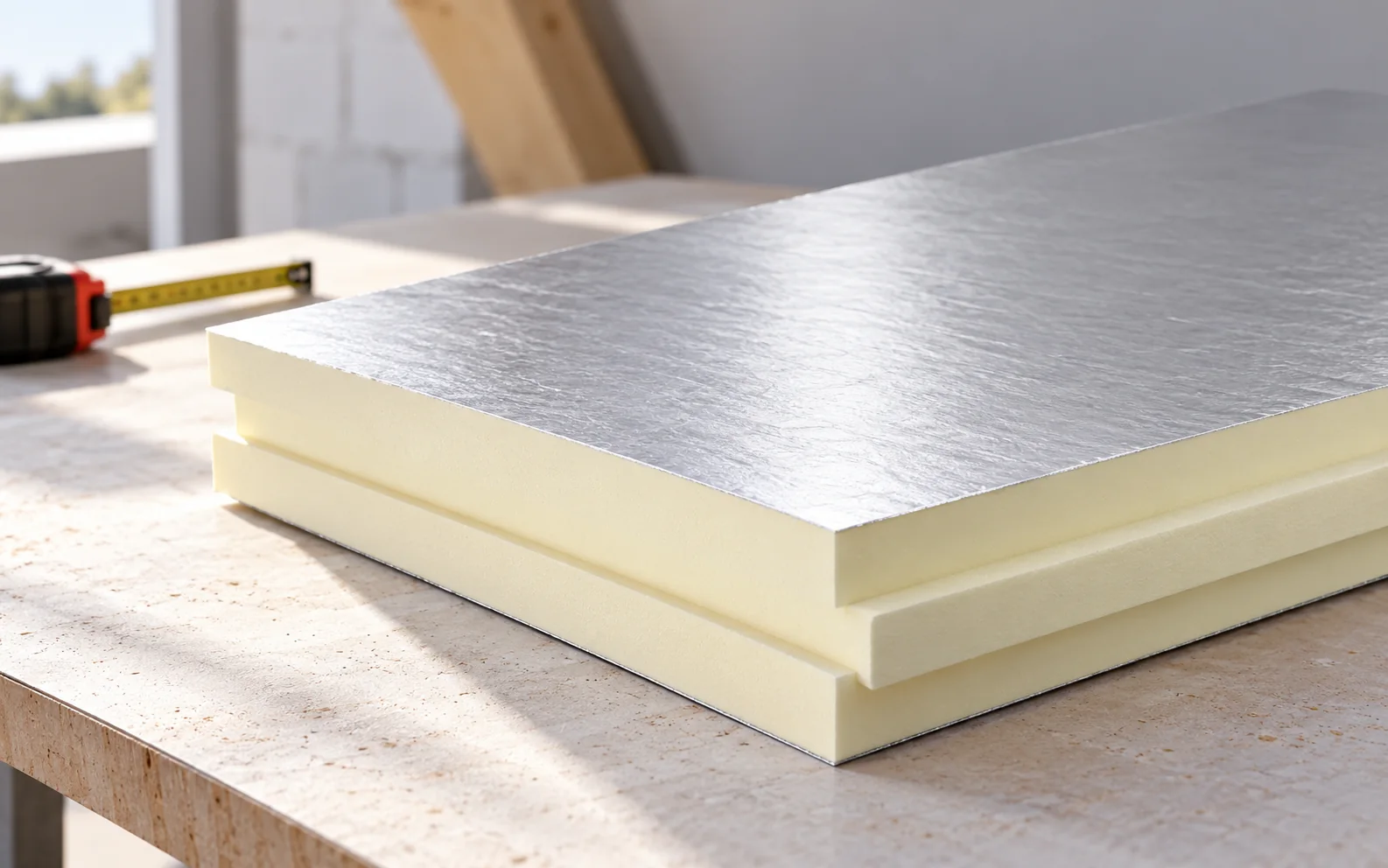
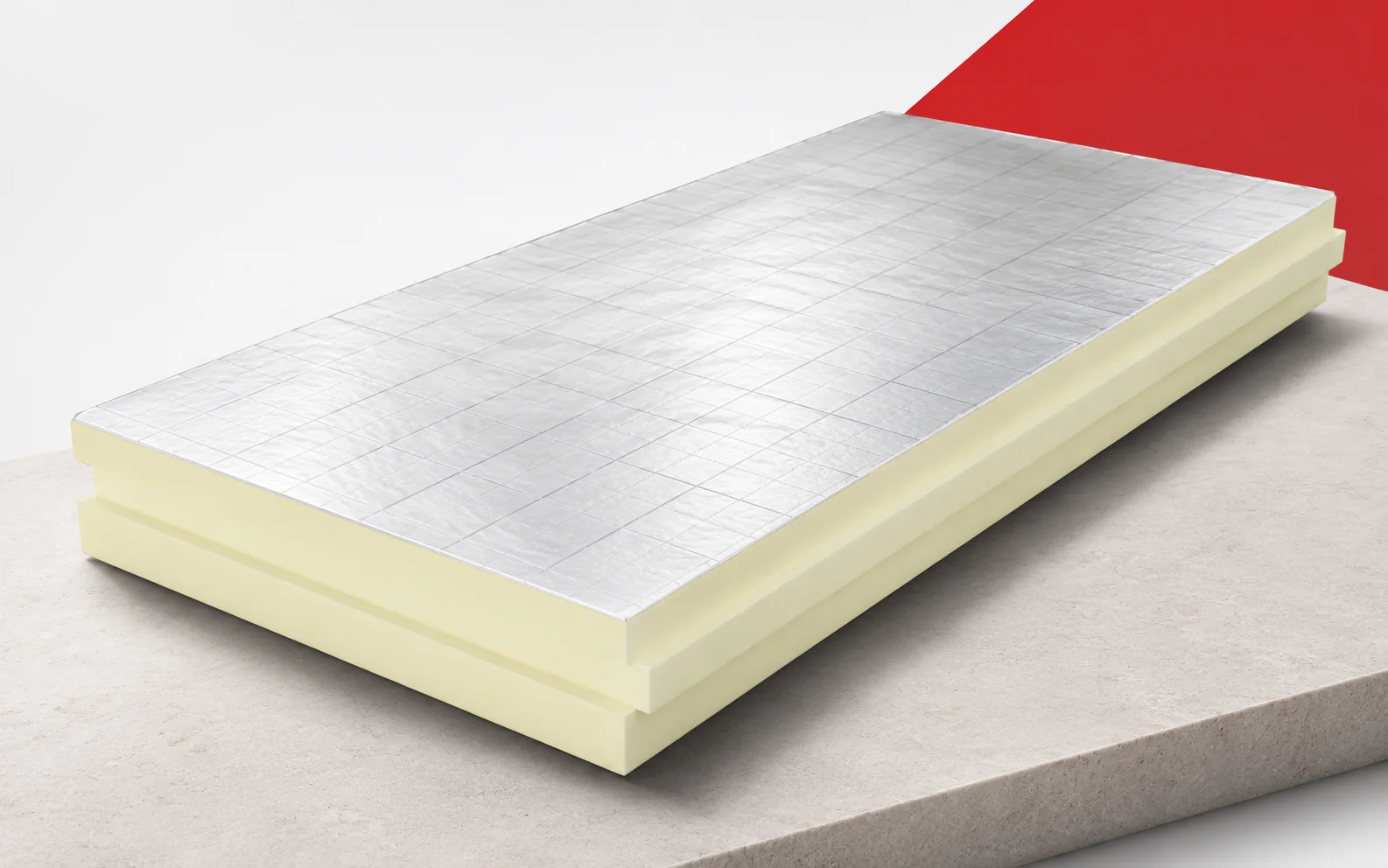
Begin a PIR versus XPS comparison with the installation location. A thin layer offering high thermal resistance can be valuable where space is limited. Elsewhere, water exposure or behaviour under load may matter more. PIR boards have specific advantages but do not automatically replace every XPS grade. In many comparisons, aluminium-faced PIR has lower conductivity than the XPS boards considered, allowing the required resistance at a smaller thickness. Check the actual value for both selected products, however. For XPS, as for some PIR variants, the thickness range can affect the declared value.

By |2026-11-11T07:09:55+01:002026-11-11|Expert guides|Comments Off on PIR or XPS when insulation space is limited? Comparing their roles

Insulating an old foundation with XPS boards: where to begin

Exposing a foundation is an opportunity to improve an old house's thermal protection, but the work does not start by sticking boards on. First assess the masonry, water and existing waterproofing. XPS can reduce heat loss through a ground-contact wall. Extruded polystyrene also provides low water absorption and the compression performance of the selected grade. Results depend on the complete build-up, not the insulation's name. Stains on the basement side can have different causes. Water may enter from outside, rise from lower masonry or condense on a cold surface. Each case requires a different response.

By |2026-11-11T07:09:53+01:002026-11-11|Expert guides|Comments Off on Insulating an old foundation with XPS boards: where to begin

XPS conductivity and thermal resistance: comparing offers fairly

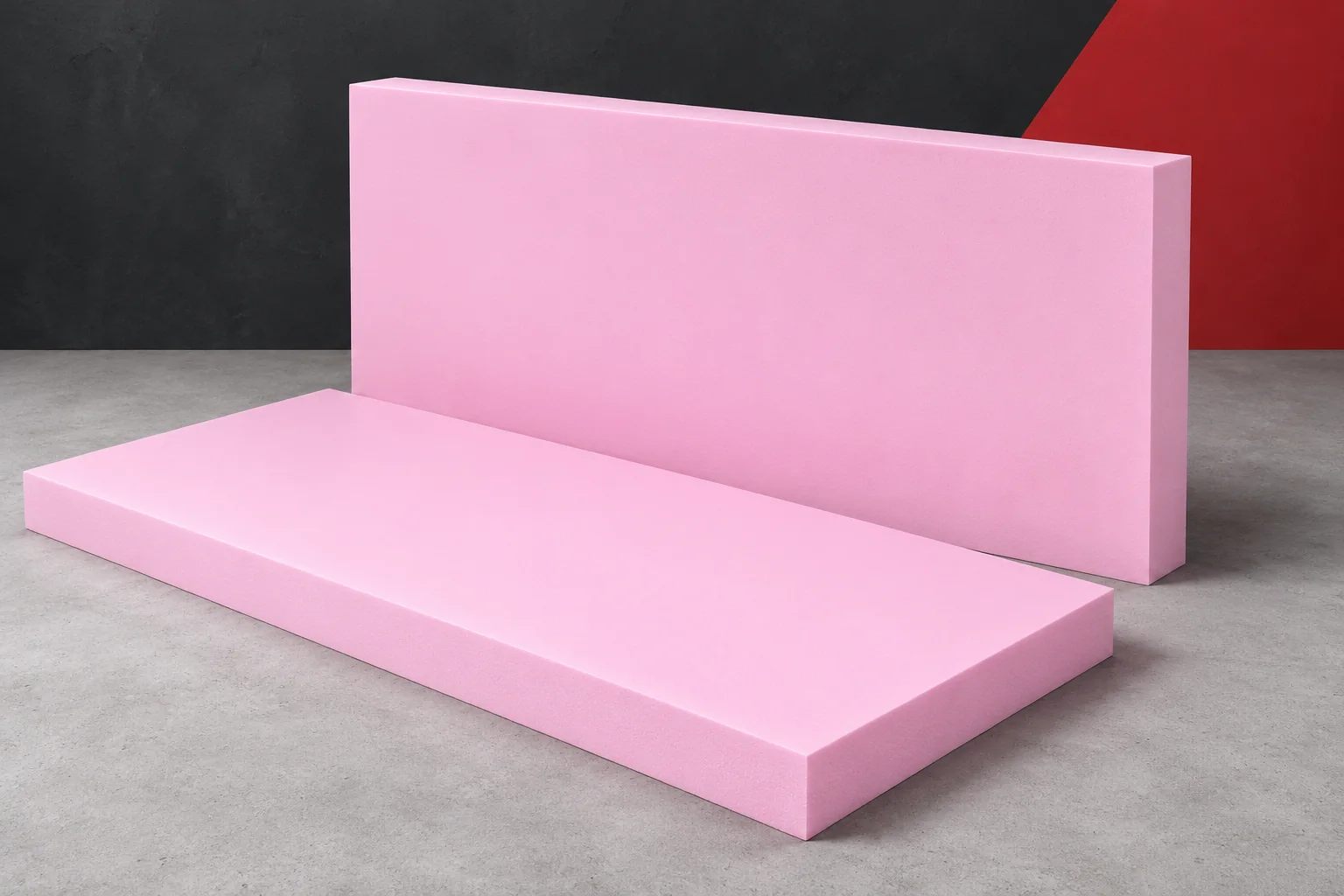
Two XPS offers may look alike while covering different thicknesses and specifications. A cheaper pack does not show which layer will reduce heat flow more effectively. Compare thermal conductivity, thermal resistance and material quantity. Assess extruded polystyrene for its intended application as well. The method below separates material properties from the performance of a complete floor, wall or roof. Thermal conductivity, lambda, is measured in W/(m·K). At equal thickness, a lower value means greater resistance to heat flow. XPS documentation often gives a declared value. It must apply to the exact board type and thickness being offered.

By |2026-11-11T07:09:51+01:002026-11-11|Expert guides|Comments Off on XPS conductivity and thermal resistance: comparing offers fairly

What should you do with XPS offcuts and boards after renovation?

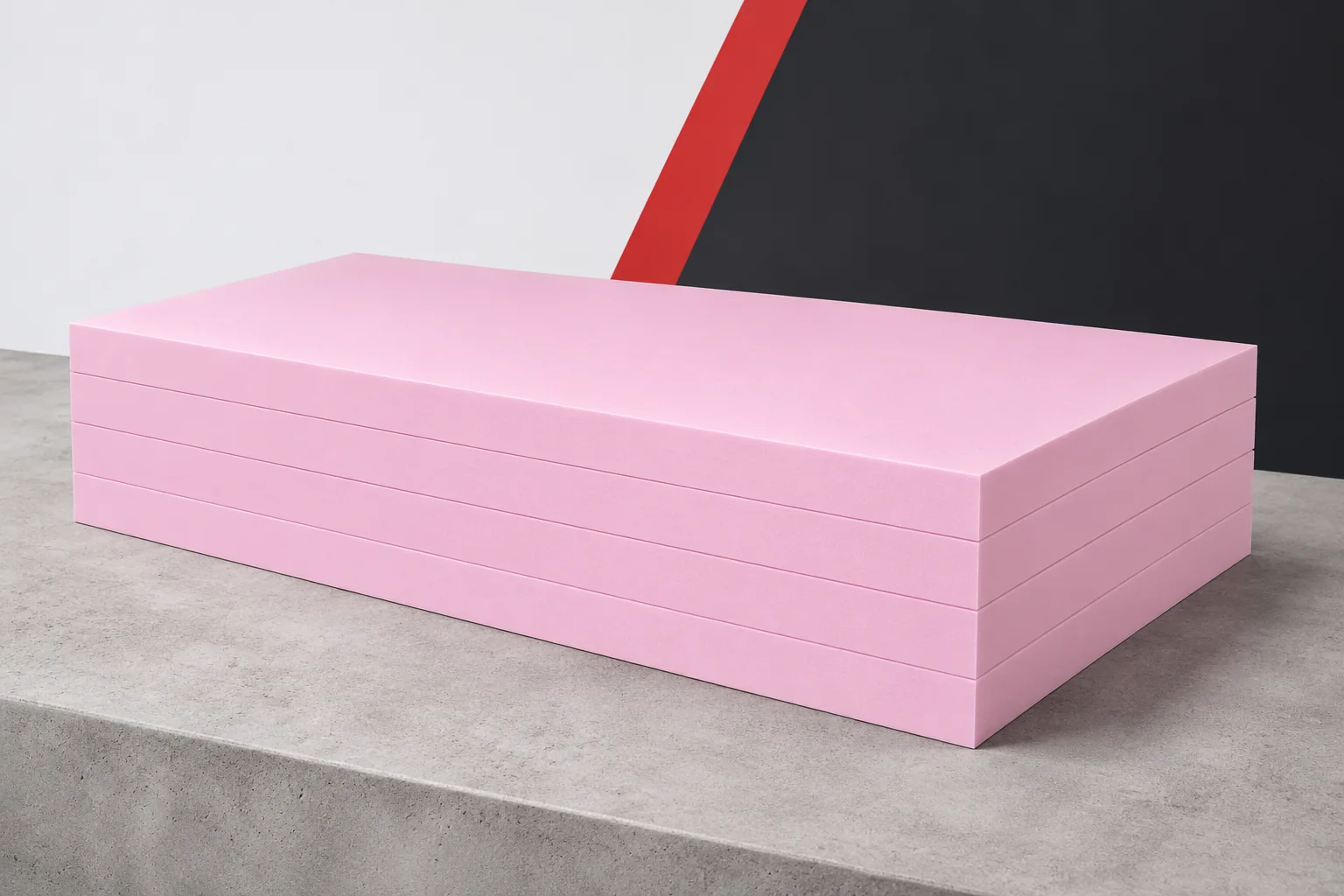
XPS is lightweight, so even a small amount of waste takes up considerable space. Renovation leaves whole boards, clean offcuts and pieces with adhesive on them. Do not put them all into one miscellaneous bag. Extruded polystyrene can be managed more effectively if these groups are separated during the work. The greatest benefit, however, comes from reducing losses before cutting. Plan cutting layouts, waste collection and protection of surplus material. Before ordering XPS, establish each board's coverage and the laying pattern. Drawing the first few rows helps identify narrow strips beside walls. Moving the starting point can sometimes make larger pieces usable. This does not justify assembling insulation from random small scraps.

By |2026-11-11T07:09:49+01:002026-11-11|Expert guides|Comments Off on What should you do with XPS offcuts and boards after renovation?

Renovating a basement in stages: planning XPS insulation

Not every basement can be renovated in one go. Budget, access to walls or the way the house is used may impose limits. XPS can be included in a phased programme if the final build-up is established first. Extruded polystyrene suits many damp and loaded areas, but the material itself cannot organise the work. The priority is to prevent a later stage from undoing earlier improvements. A store for preserves, a laundry and a heated study need different approaches. Establish the future temperature, humidity and ventilation. These determine the boundary of the heated part of the building. The case for using XPS at the walls may differ in each situation.

By |2026-11-11T07:09:47+01:002026-11-11|Expert guides|Comments Off on Renovating a basement in stages: planning XPS insulation

XPS in an energy-efficient home: keeping the insulation continuous

A home with a low heating demand needs insulation layers that connect properly. Board thickness alone does not determine the result. XPS is useful where insulation encounters moisture or carries compressive loads. Extruded polystyrene can therefore complement the insulation of floors, foundations and the plinth. Start by tracing the complete building envelope: even a small gap at a threshold can weaken carefully planned insulation. Draw a continuous line around the heated rooms on a building section. This identifies where the thermal insulation should run without interruption. If the basement is unheated, the boundary may follow the floor above it. If it is heated, the boundary includes its walls and floor.

By |2026-11-15T23:19:25+01:002026-11-11|Expert guides|Comments Off on XPS in an energy-efficient home: keeping the insulation continuous
Back to top