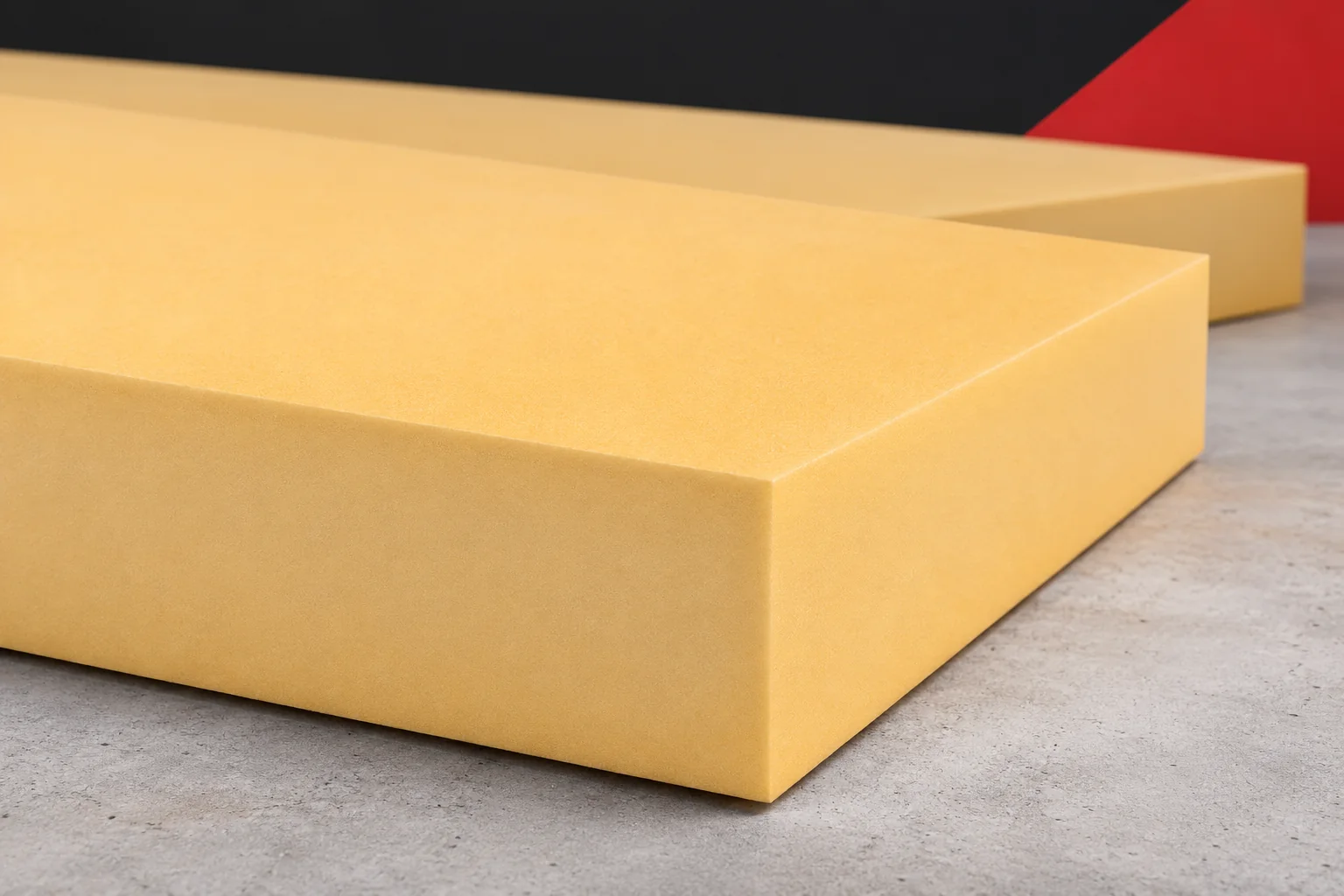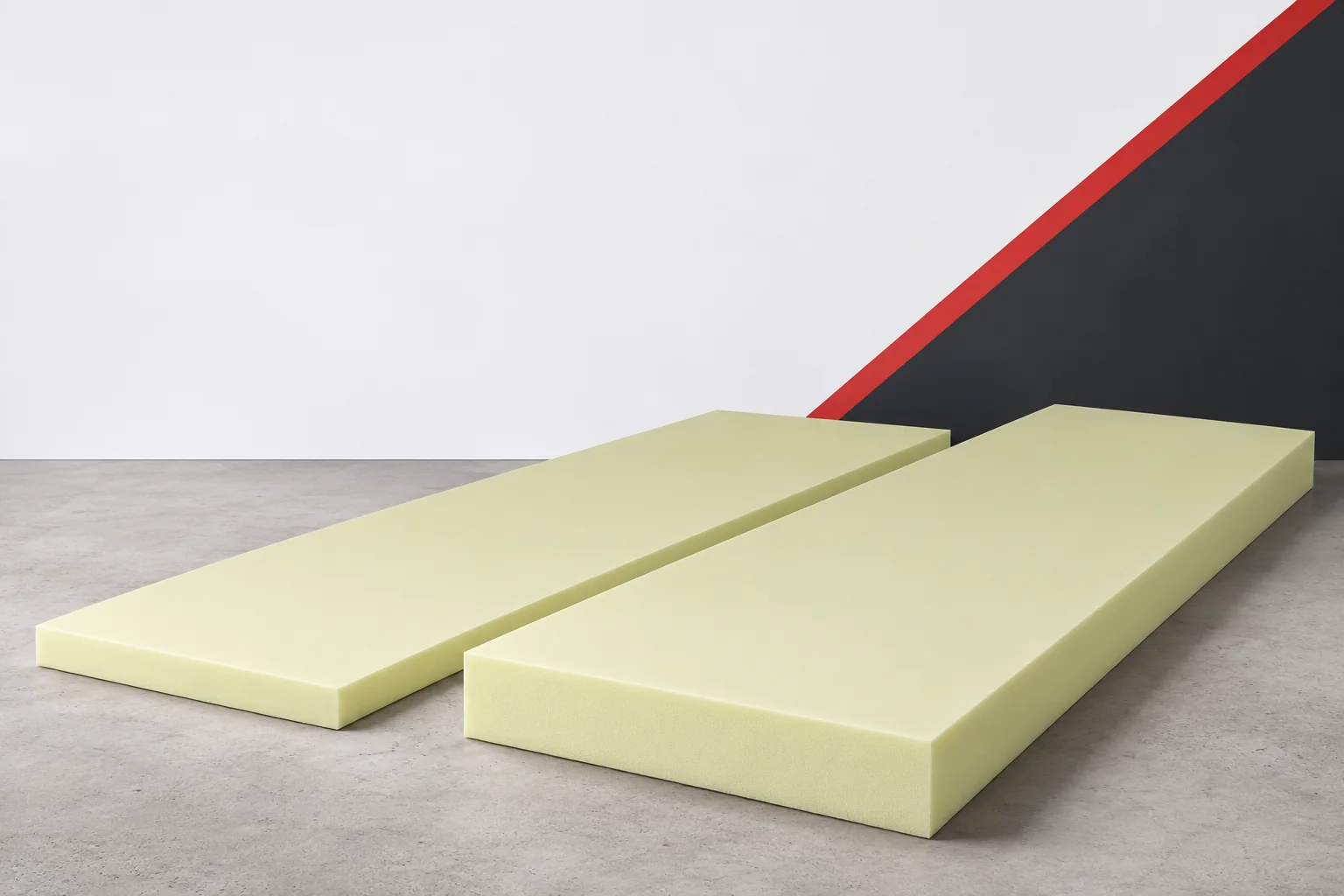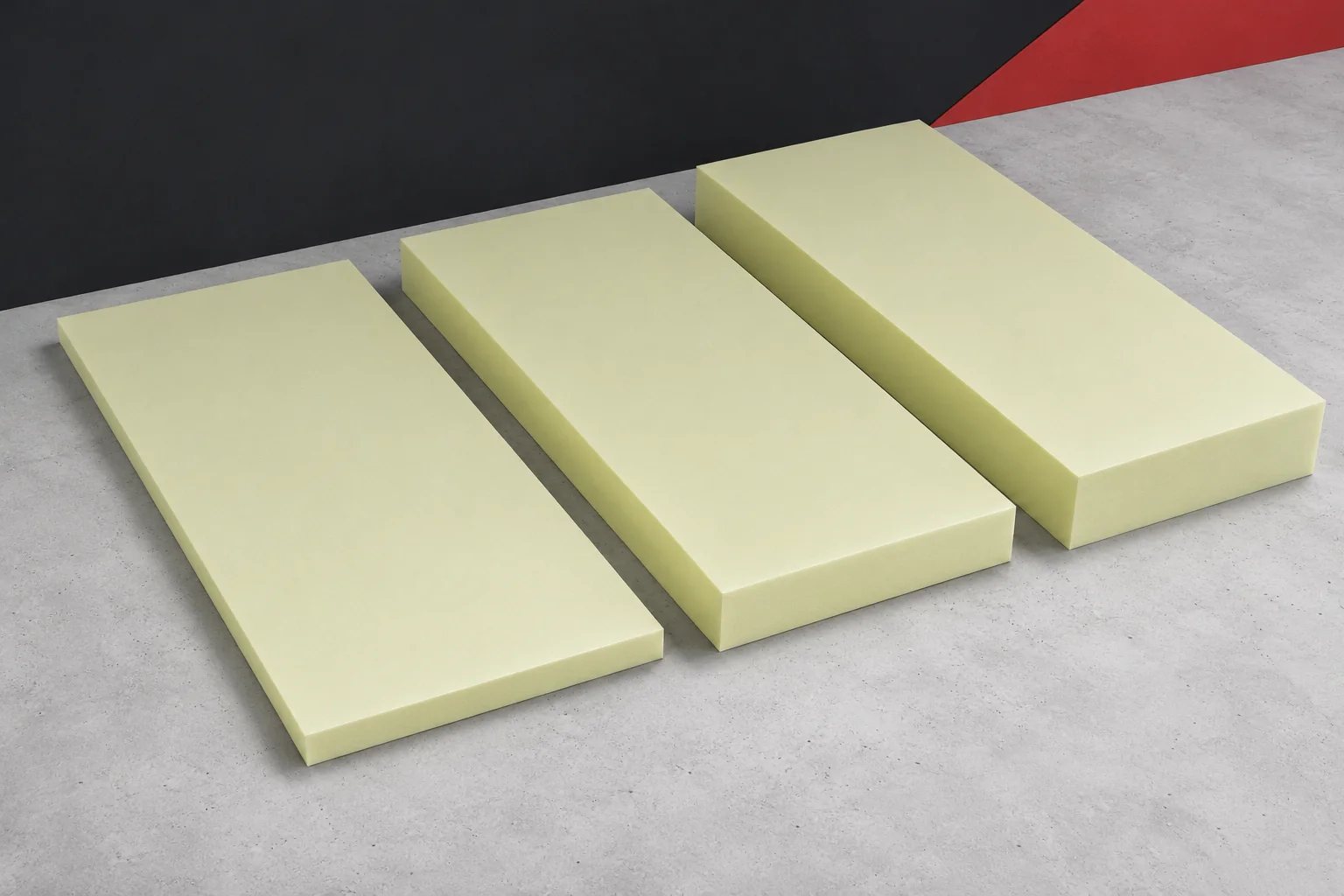
Thin XPS insulation: what can you do when space is limited?

Every centimetre can matter when renovating a house. Door levels, room height or the width of a passage may limit the space available for insulation. Thin XPS can help with some of these details, but it does not remove the need for thermal calculations. Extruded polystyrene must be assessed together with the other layers. The aim is to achieve the best practical result within the available space without compromising the durability of the construction. Start by measuring the distance between the substrate and the intended finished surface. It must accommodate not only XPS, but also levelling layers, waterproofing, screed and the final covering. Space already occupied by another layer cannot also be counted as available for insulation.
By |2026-11-15T23:19:37+01:002026-11-11|Expert guides|Comments Off on Thin XPS insulation: what can you do when space is limited?

Replacing EPS with XPS: when is it suitable, and when must the design change?

XPS is sometimes presented as simply a better form of polystyrene insulation. That comparison overlooks where it will be used. Extruded and expanded polystyrene have different structures and are available in many product grades. The choice depends on moisture, loading, finishes and the required thermal performance. A substitution can be justified, but colour or board hardness alone is not a sound basis for it. First establish what the specified insulation was intended to achieve. If the aim is greater resistance to moisture, identify the type of contact with water. If loading is the concern, establish both its magnitude and duration. XPS may meet these needs, but each requires different supporting data.

By |2026-11-15T23:20:28+01:002026-11-11|Expert guides|Comments Off on Replacing EPS with XPS: when is it suitable, and when must the design change?

Cold flooring along a wall: when can XPS insulation help?

A cold strip of flooring along a wall can be uncomfortable even in a house with thick external wall insulation. The cause may lie at the junction between the wall, foundation and insulation beneath the floor. XPS can reduce heat flow here when it is placed correctly. Extruded polystyrene is not a remedy for every cold corner, however. Before planning repairs, distinguish thermal bridging from air leakage, dampness and heating problems. In the middle of a room, heat passes through the floor layers. Around its perimeter, there is another route through the wall and foundation. Materials with different thermal conductivities meet at this junction. If the insulation is interrupted, concrete or masonry can conduct heat more readily towards colder surroundings.

By |2026-11-15T23:19:49+01:002026-11-11|Expert guides|Comments Off on Cold flooring along a wall: when can XPS insulation help?

XPS and water: what does low water absorption really mean?

Resistance to moisture is a key reason for choosing XPS around foundations and on inverted roofs. Yet descriptions sometimes go too far by calling it completely waterproof. Extruded polystyrene has low water absorption as measured for a particular product and test method. That is a useful property, but it does not make the entire insulation layer watertight. Water affects boards, joints and adjoining materials in different ways. Extrusion produces a uniform structure with a high proportion of closed cells, limiting water penetration into the material. It does not mean that the board absorbs no moisture under every possible condition.

By |2026-11-15T23:20:02+01:002026-11-11|Expert guides|Comments Off on XPS and water: what does low water absorption really mean?

How long does XPS insulation last? What determines its performance over time?

Insulation beneath a floor or buried beside a foundation needs to keep performing for many years: replacing it is difficult and costly. XPS is chosen for these locations because of its thermal properties, mechanical resistance and low water absorption. Extruded polystyrene does not, however, perform independently of its surroundings. Durability depends on the product grade, service conditions and installation quality. A claim about years of use alone tells you little. A board may look unchanged while working under conditions it was never intended for. Assessment must consider heat transfer, deformation, moisture and joints. XPS beneath a floor is loaded differently from boards on a basement wall.

By |2026-11-15T23:20:15+01:002026-11-11|Expert guides|Comments Off on How long does XPS insulation last? What determines its performance over time?

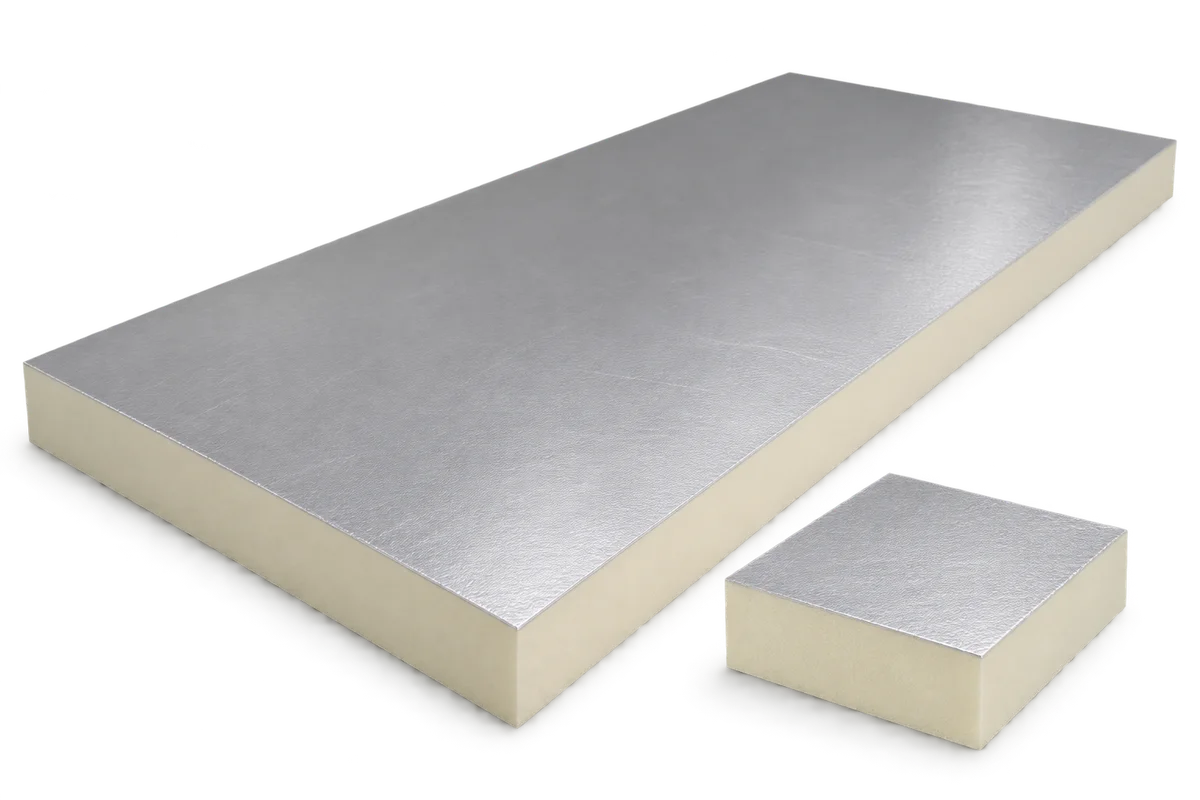
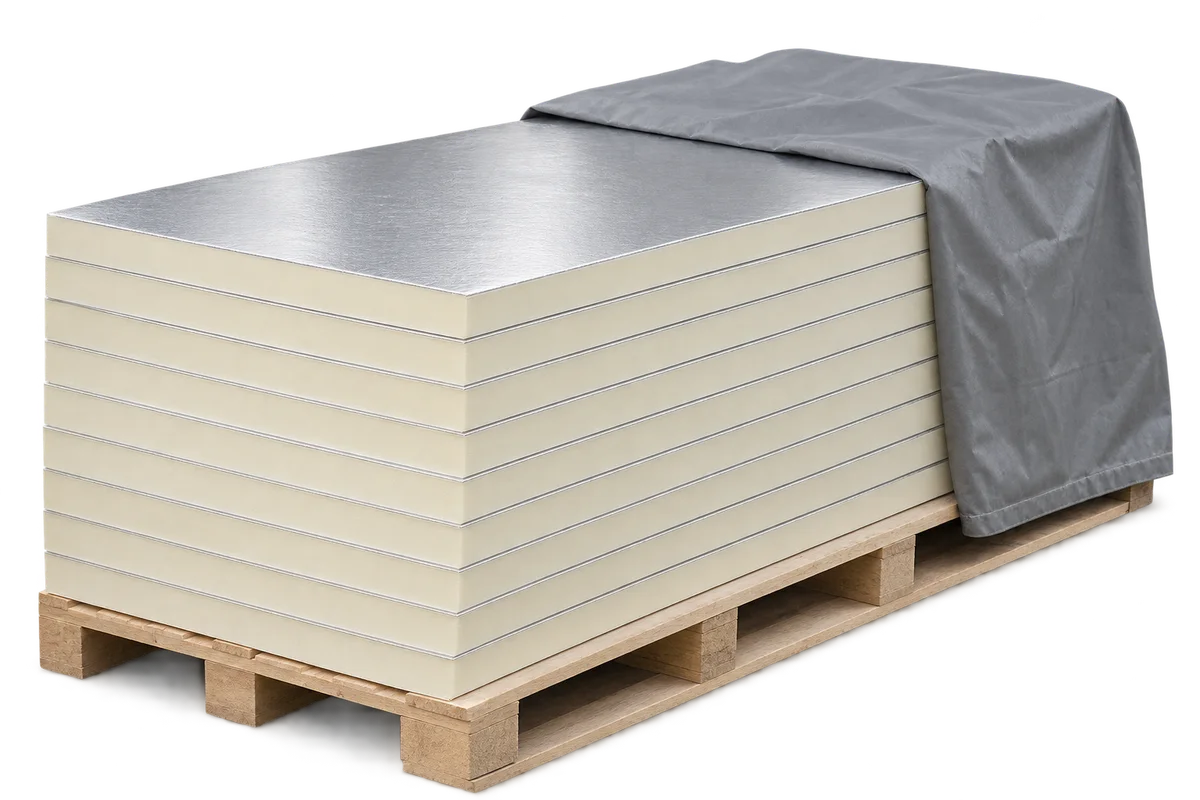
PIR in modern buildings: slim insulation and prefabricated wall and roof panels

Rigid insulating foams have an important place in new buildings and refurbishments. In PIR boards they help reduce the thickness of insulation. In sandwich panels they work together with metal facings to form prefabricated wall and roof elements. Their suitability results from specific parameters and good design. We explain what this technology offers and what conditions must be met to make use of its advantages. The term polyurethane foams covers products with different properties. PIR is a rigid polyisocyanurate foam used, among other things, in factory-made insulation boards. It should not be equated with every spray-applied product. The manufacturing method, cell structure, density and facings all influence the material's performance.

By |2026-11-15T23:19:13+01:002026-11-09|Expert guides|Comments Off on PIR in modern buildings: slim insulation and prefabricated wall and roof panels

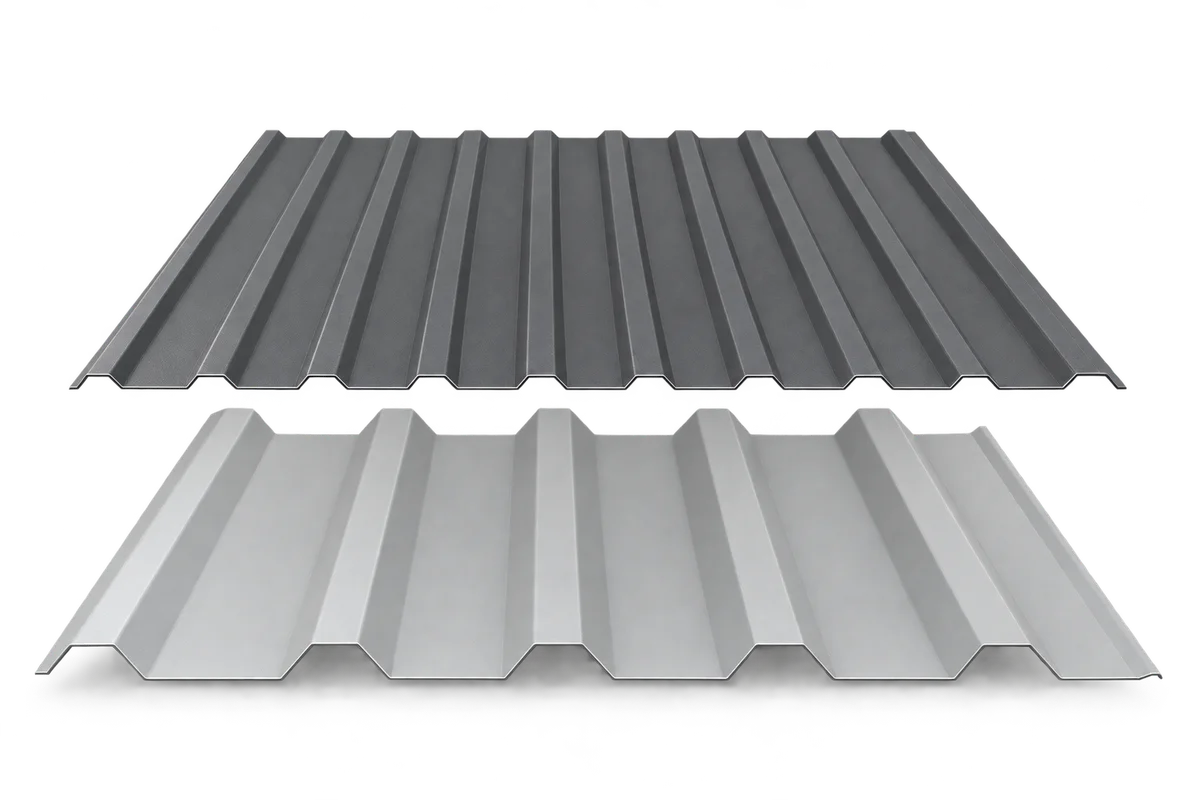
Trapezoidal steel sheet: applications, benefits and profile selection

Trapezoidal steel sheet can clad a garage, form a house façade or serve as the structural roof deck of an industrial building. Each profile has its own job. T18 and T35 are common cladding profiles; structural decking must be selected by calculation. The sheets are light and quick to lay over large areas. Durability depends on the coating, detailing and conditions in service. Forming ribs in flat sheet stiffens the cross-section, so a relatively thin sheet can span between supports. Capacity depends on profile depth, flange widths, stiffening ribs and steel thickness. The T18 or T35 designation alone cannot replace the documentation for the particular sheet.

By |2026-11-15T23:19:01+01:002026-11-09|Expert guides|Comments Off on Trapezoidal steel sheet: applications, benefits and profile selection

How do you choose insulation that will serve your home for years?

The durability of insulation depends on the material, the conditions in which it works and how the details are executed. A good board will not repair a leak or a wrongly selected floor layer. PIR can be very useful thanks to its low lambda value and the small thickness required. However, the choice must be based on the documentation for the specific product. Here is what to check, from purchase and storage through to the later use of the house. Insulation on a roof, under a screed and in a wall works under different conditions. On a roof, temperature, fixing and compatibility with the waterproofing are important, among other things. In a floor, loads and deformation over time are added. A board chosen only on the basis of lambda may not meet these requirements.

By |2026-11-15T23:18:50+01:002026-11-09|Expert guides|Comments Off on How do you choose insulation that will serve your home for years?

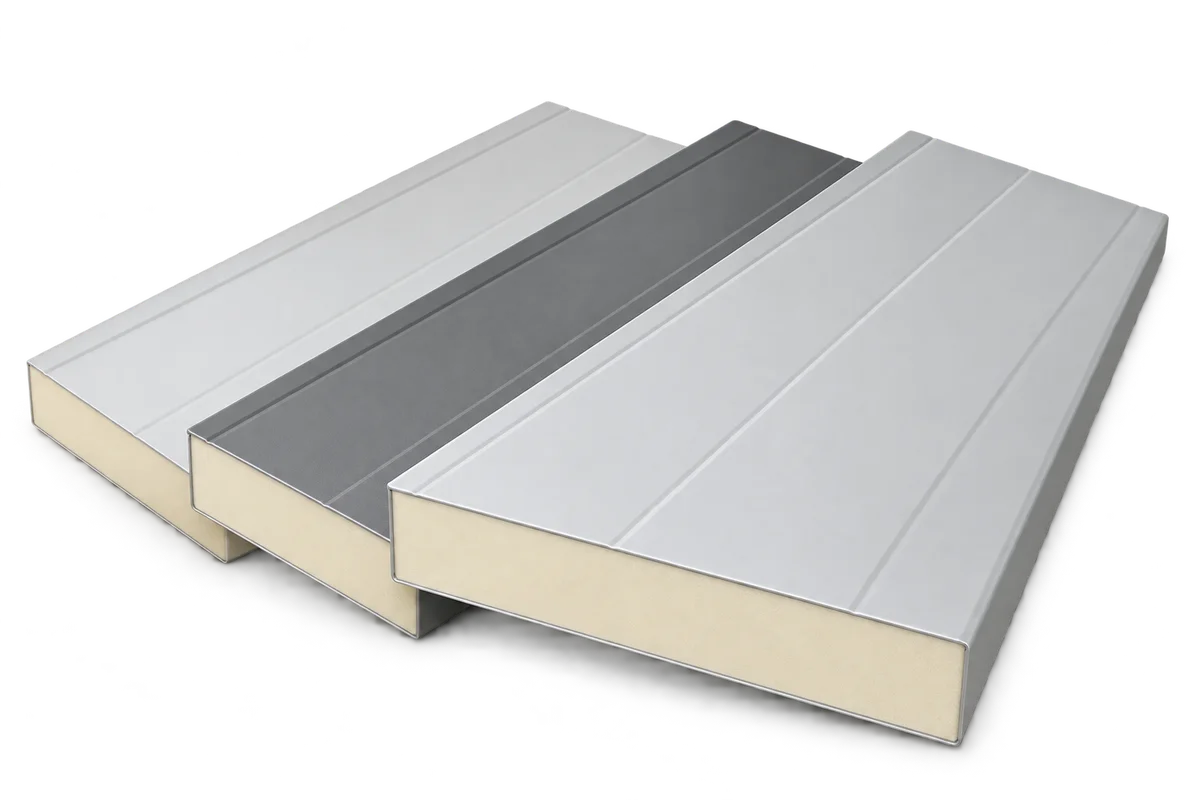
Six benefits of sandwich panels to consider when planning a building

Sandwich panels can simplify wall and roof construction because they combine the enclosure with insulation and finished facings. Their advantages are particularly evident where the structure has been properly prepared and the cladding follows a regular layout. It is worth considering the full scope of the project, however. Fast panel installation does not mean the building is finished, and good lambda does not replace checking fire or acoustic performance. Here are six benefits together with the conditions for using them. A panel has finished facings and an insulating core bonded to them. This reduces the number of separate operations carried out over a large wall or roof area. Each layer of the enclosure does not have to be built from scratch on site.

By |2026-11-15T23:18:39+01:002026-11-09|Expert guides|Comments Off on Six benefits of sandwich panels to consider when planning a building

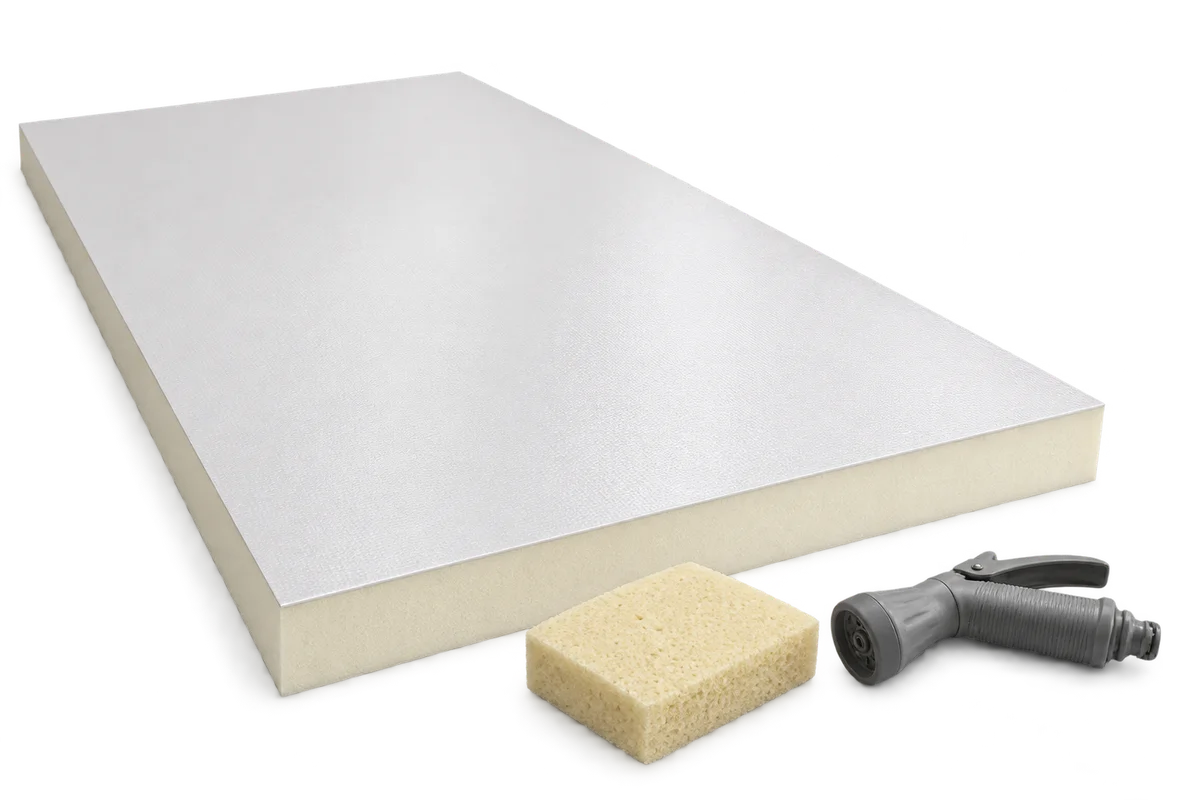
How to clean ceilings safely in livestock buildings

Ceilings in livestock buildings must withstand moisture, dirt and repeated cleaning. Whether washing is possible depends above all on the facing, the condition of the joints and the instructions for the specific product. The PIR core alone does not permit any pressure you like. We explain how to prepare the ceiling lining for cleaning, choose the working method and check the surface after drying, without damaging the insulation. A PIR board with a thin foil facing, a ceiling lining with glass-fibre-reinforced laminate and a sandwich panel with a steel facing are different products. Each may require a different method of care. Before washing, establish the exact variant and its intended use. In the documentation, check the permitted water parameters, the type of nozzle and the cleaning agents.

By |2026-11-15T23:18:27+01:002026-11-09|Expert guides|Comments Off on How to clean ceilings safely in livestock buildings
Back to top