EFYOS BLUE SMART A: combining roof falls and thermal insulation

In the roof under consideration, the outlet is located near one corner. On the opposite side, a considerably thicker layer is required than at the drain. EFYOS BLUE SMART A must therefore be analysed as a system of variable thickness. Increasing the thickest zone is not a straightforward answer to insufficient resistance at the thinnest point. The starting point is a flat roof with tapered insulation and point drainage. Here the particular constraint is the range of level difference between the outlet and the perimeter. The design must make it possible to combine drainage with adequate insulation thickness at the drain, not merely to fit another board. The area requiring attention is the lowest section of insulation next to the outlet.
By |2026-11-14T22:00:35+01:002026-11-14|Expert guides|Comments Off on EFYOS BLUE SMART A: combining roof falls and thermal insulation

SOPREMA EFYOS BLUE A where roof insulation thickness is limited

Suppose the roof design leaves little space below the parapet flashing. The client is considering thicker insulation but does not want to raise the entire upstand. In this situation, the case for EFYOS BLUE A is assessed by the resistance achieved and the actual section height. Saving centimetres will only be useful if it does not take away the space needed for a weathertight finish. The starting point is the insulation of a flat roof beneath the waterproofing. Here the height limit at the flashing is a particular constraint. The design must accommodate the thermal layer and preserve a correct waterproofing termination, not merely fit another board. The point requiring attention is the termination of the insulation at the parapet.

By |2026-11-14T22:00:33+01:002026-11-14|Expert guides|Comments Off on SOPREMA EFYOS BLUE A where roof insulation thickness is limited

Eurothane G: how to add internal insulation and preserve floor space

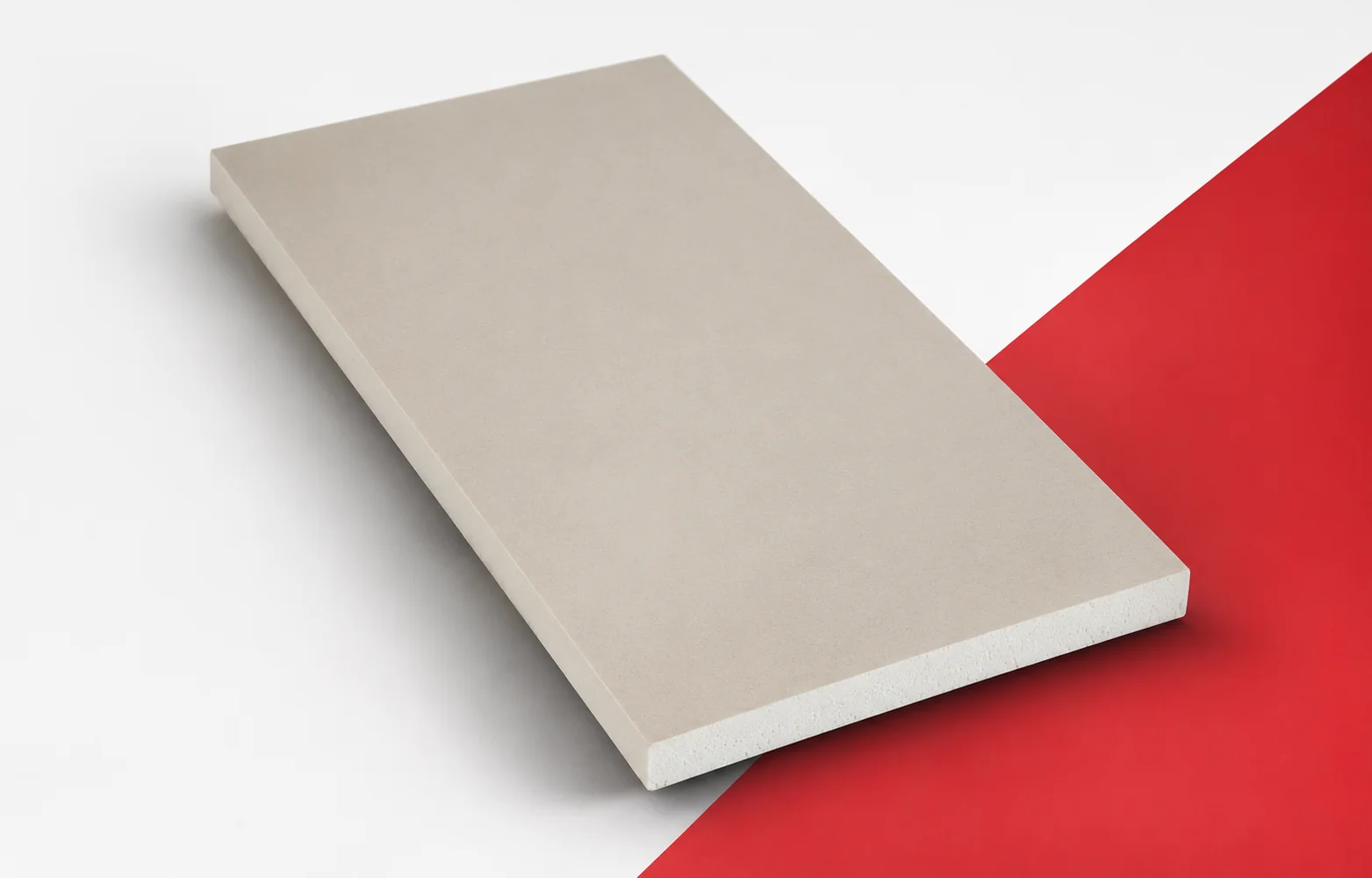
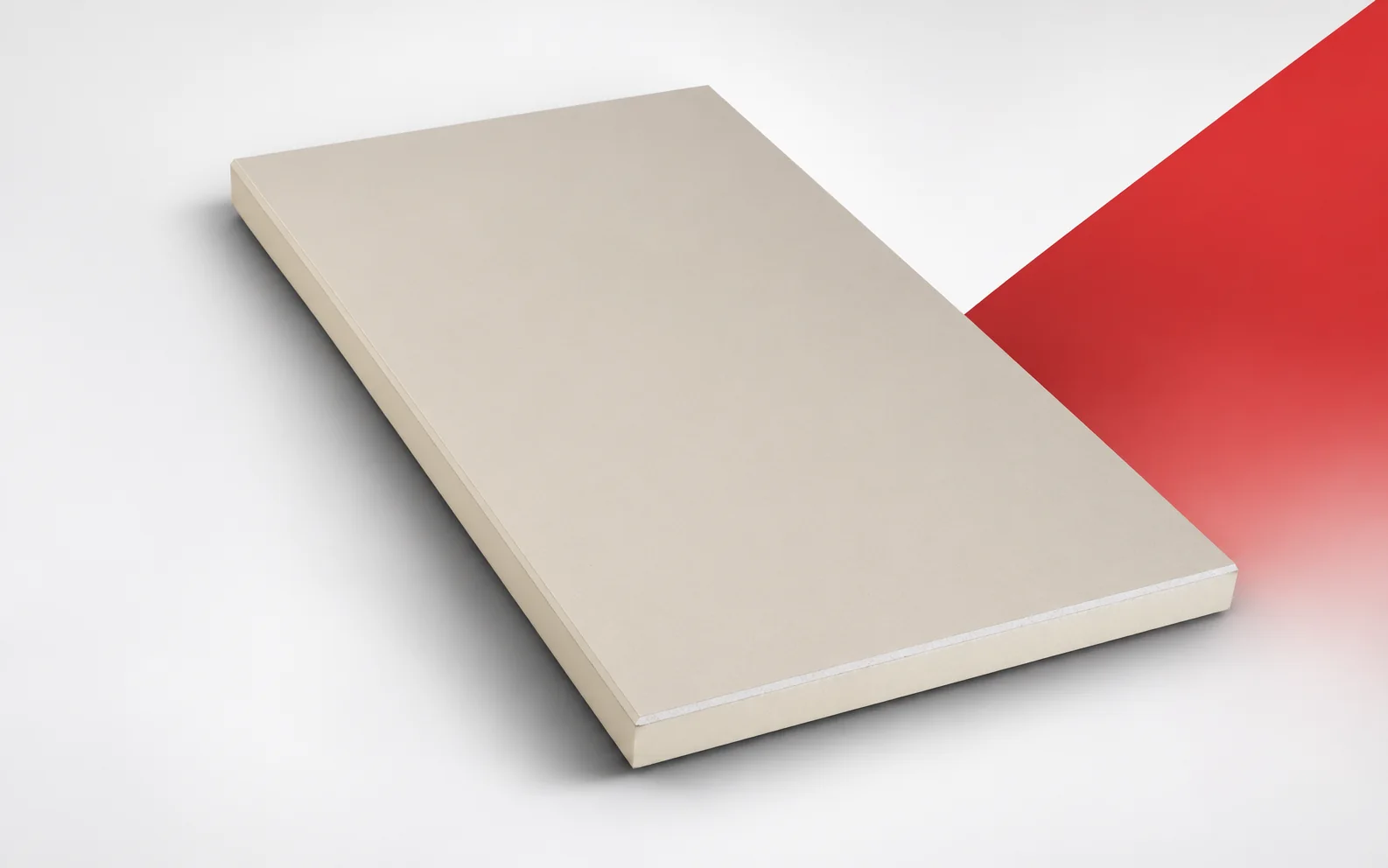
Internal insulation takes up part of the space, so it is worth comparing complete wall build-ups. Eurothane G combines PIR and a plasterboard facing. However, its suitability also depends on the condition of the masonry and on the possibility of maintaining continuity of the insulation at the details. Recticel Eurothane G consists of a PIR board covered on both sides with a gas-tight facing and 12.5 mm plasterboard. It is intended for suitable internal insulation applications. PIR boards are worth assessing through a specific spatial problem, so consider an internal wall lining combining Eurothane G PIR with 12.5 mm plasterboard. The masonry under Eurothane G must be prepared in accordance with its condition and the requirements of the new build-up, because space savings must be assessed together with the geometry of the detail.

By |2026-11-14T22:00:32+01:002026-11-14|Expert guides|Comments Off on Eurothane G: how to add internal insulation and preserve floor space

Powerdeck F on flat roofs: thermal performance and compatibility with roof waterproofing

Thermal insulation is not the only property that matters beneath a roof covering. Powerdeck F has a facing that is matched to the relevant system. The energy benefit should therefore go hand in hand with a durable bond between the insulation, the substrate and the waterproofing. Recticel Powerdeck F has a PIR core coated on both sides with a mineralised glass fleece. The product is intended for flat roofs with a suitably selected covering. PIR boards are best assessed in relation to a specific spatial problem, so regard the mineralised glass fleece of Powerdeck F as a surface that works together with the covering. The Powerdeck F facing must be matched to the materials adjoining it in the chosen roof assembly, because the space saving must be assessed together with the geometry of the detail.

By |2026-11-14T22:00:30+01:002026-11-14|Expert guides|Comments Off on Powerdeck F on flat roofs: thermal performance and compatibility with roof waterproofing

Recticel Powerroof above the rafters: continuous insulation and thermal performance

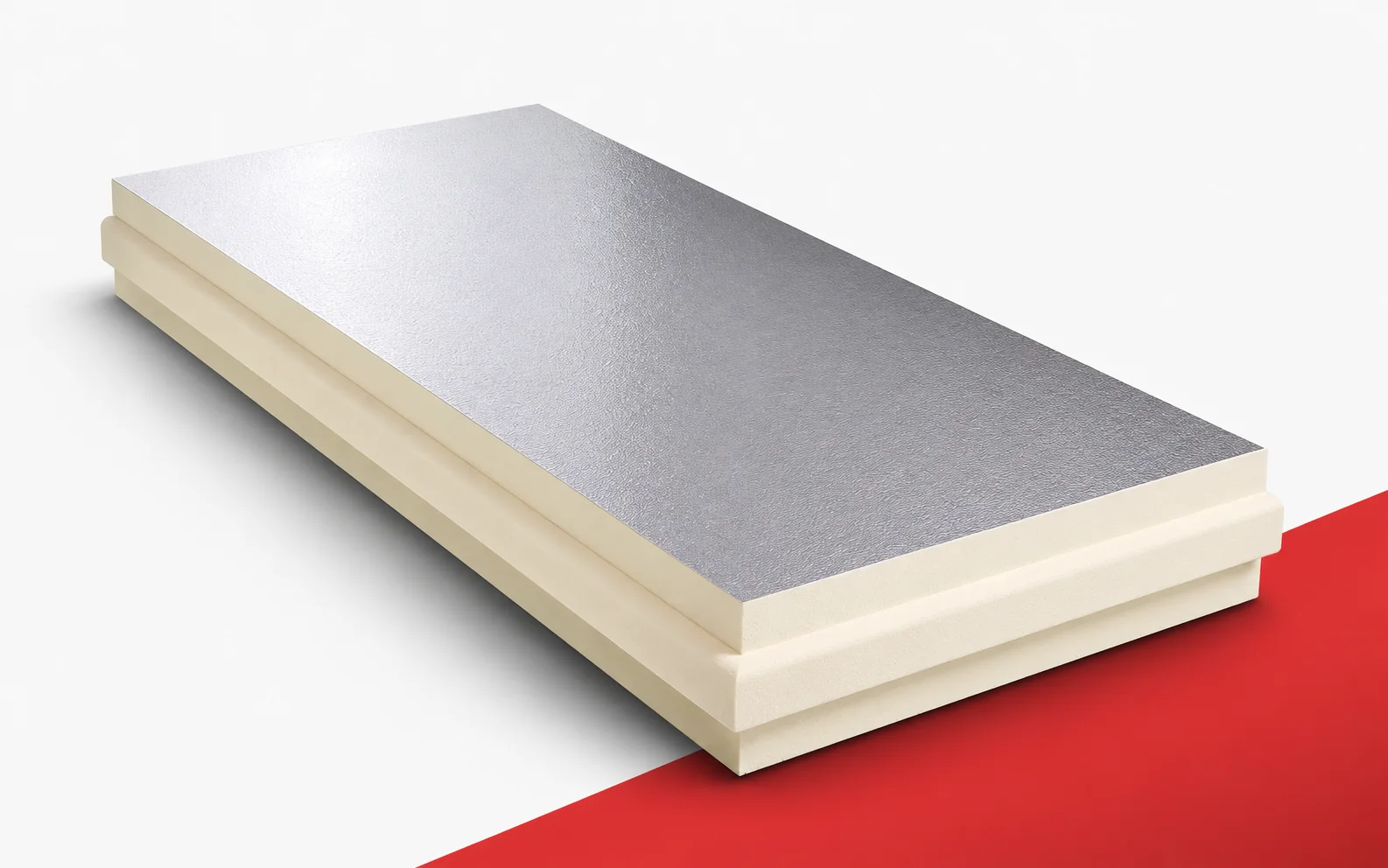
Insulation above the rafters can form a continuous layer outside the timber frame of the roof slope. Recticel Powerroof is intended for this solution. However, the outcome also depends on how the joints and fixings are executed, because various heat-flow paths pass through the roof. Recticel Powerroof is a PIR board for above-rafter thermal insulation of pitched roofs. It has an aluminium facing and a tongue-and-groove profile on all four edges. PIR boards are best assessed through a specific spatial problem, so consider the above-rafter Powerroof layer running over the timber structure of a pitched roof slope. Powerroof must be laid above the rafters while maintaining proper fixing of the entire covering, because the space saving must be assessed together with the detail geometry.

By |2026-11-14T22:00:19+01:002026-11-14|Expert guides|Comments Off on Recticel Powerroof above the rafters: continuous insulation and thermal performance

Eurothane Silver for thin roof insulation: what does a thermal conductivity of 0.022 offer?

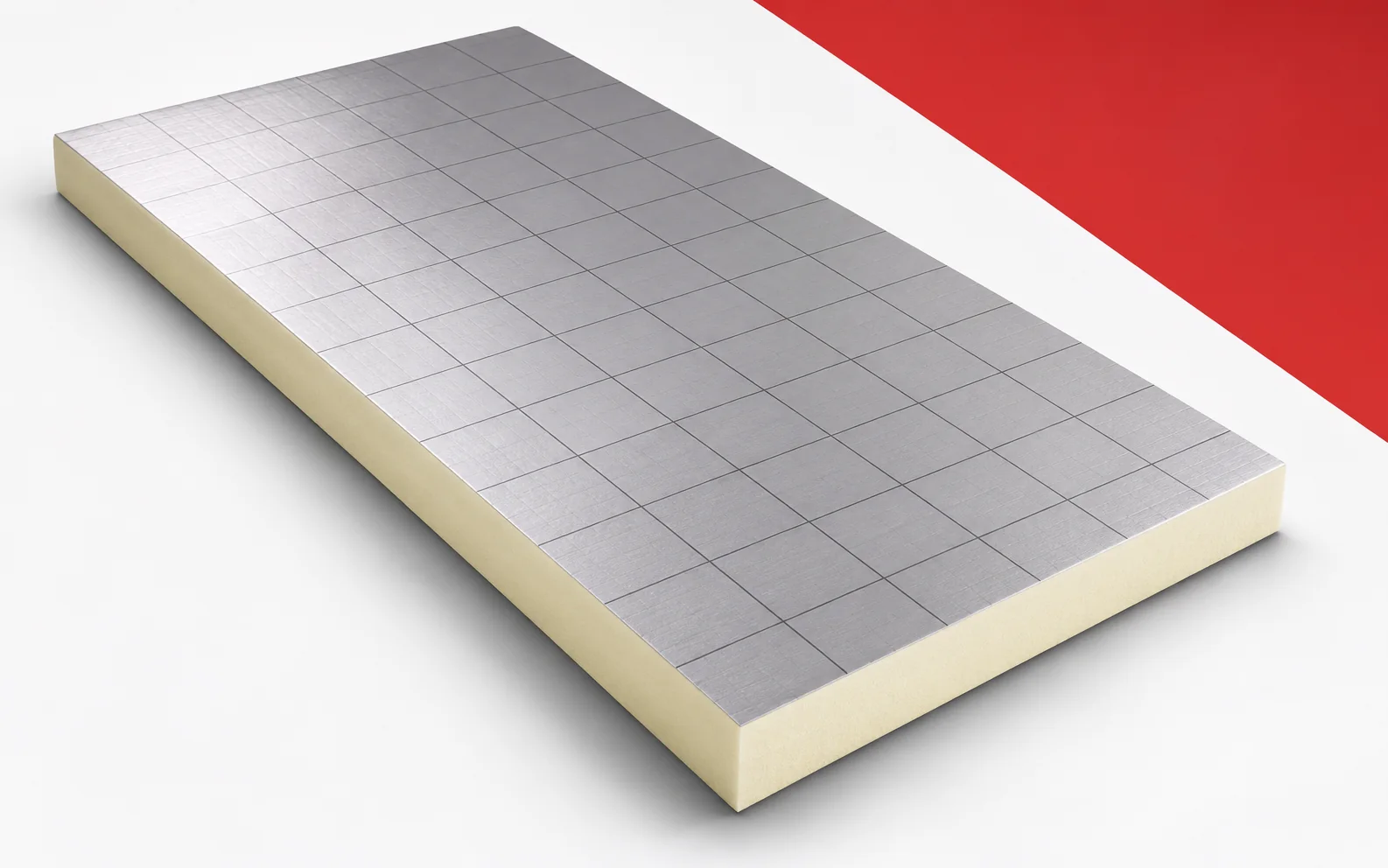
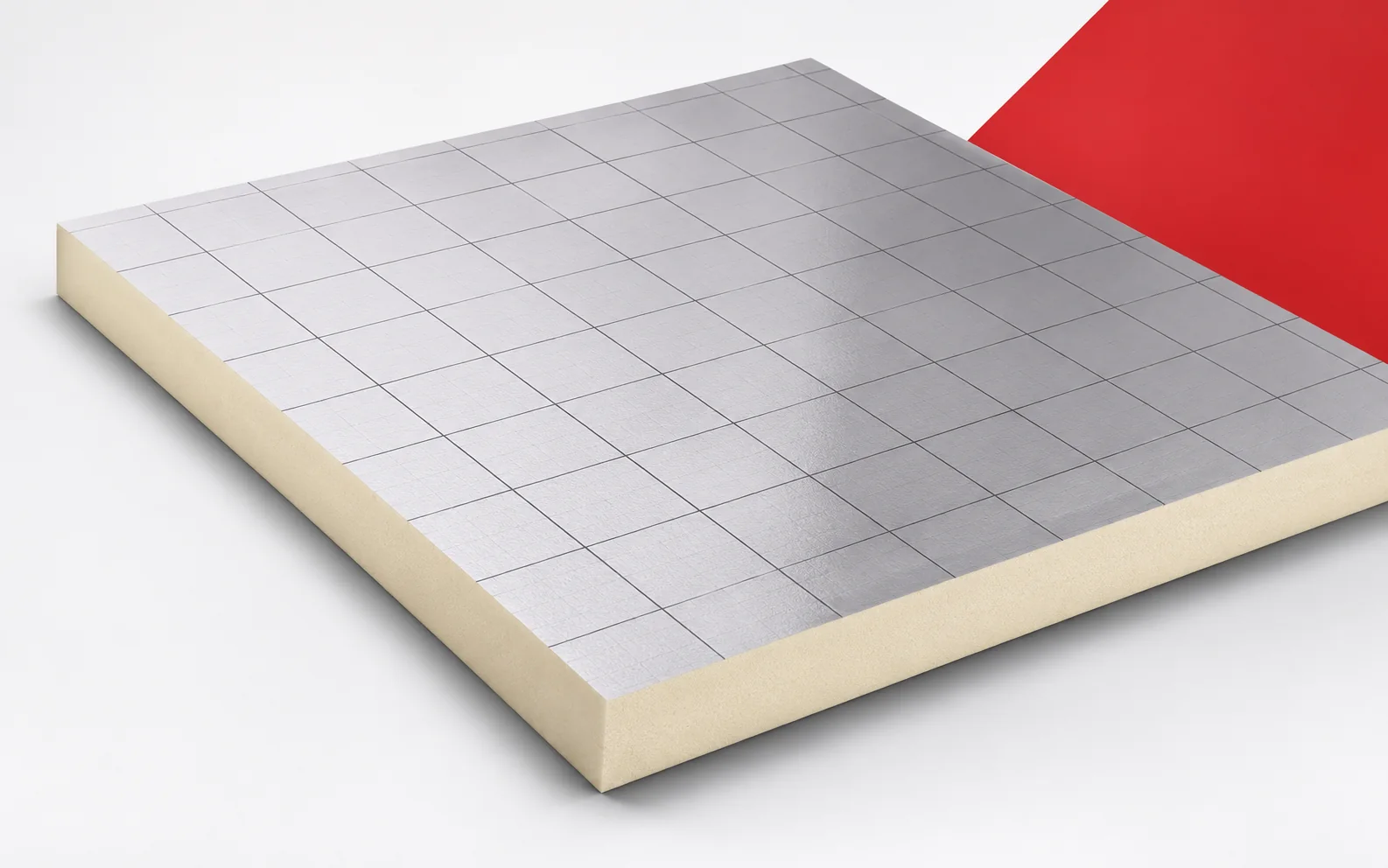
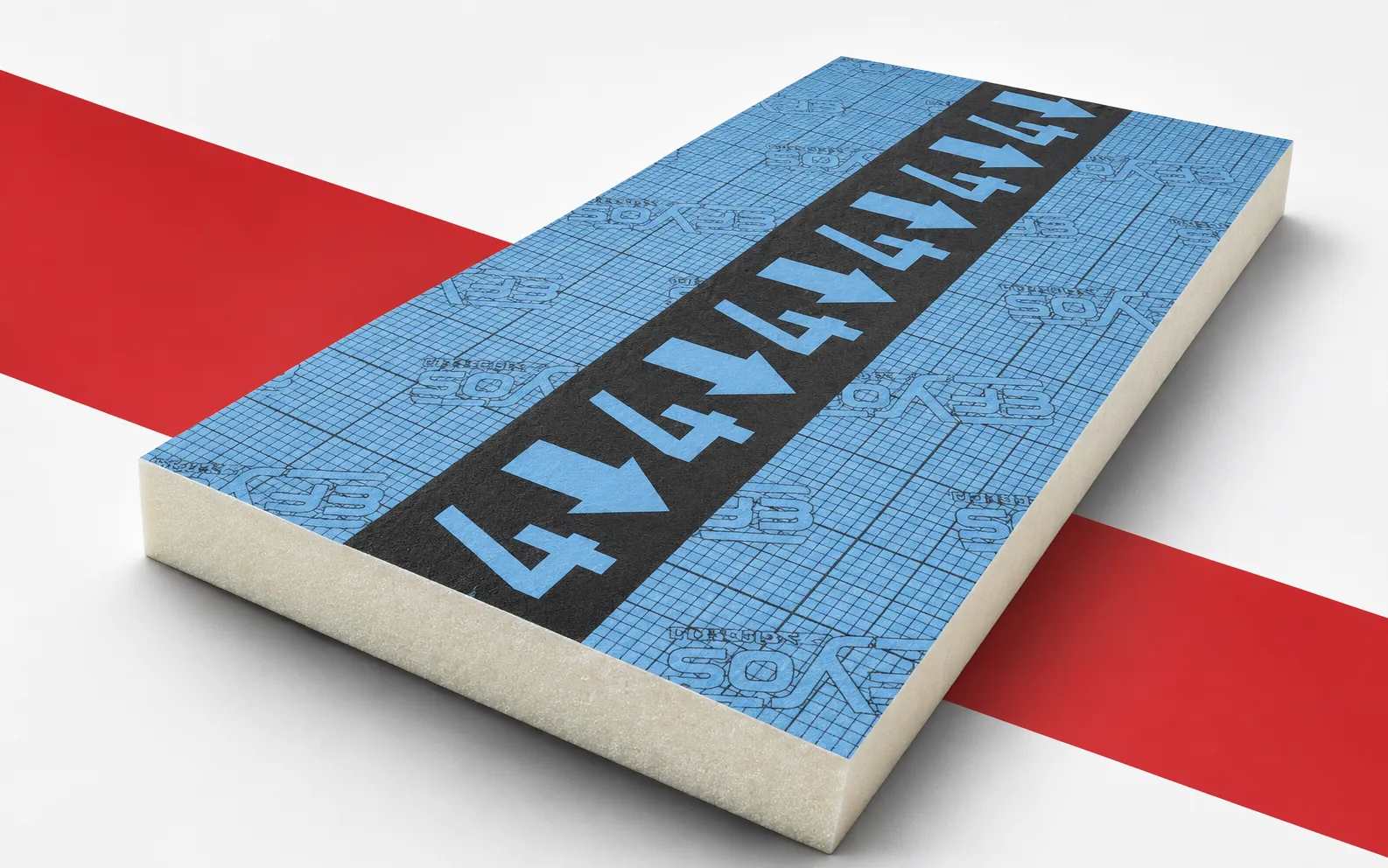
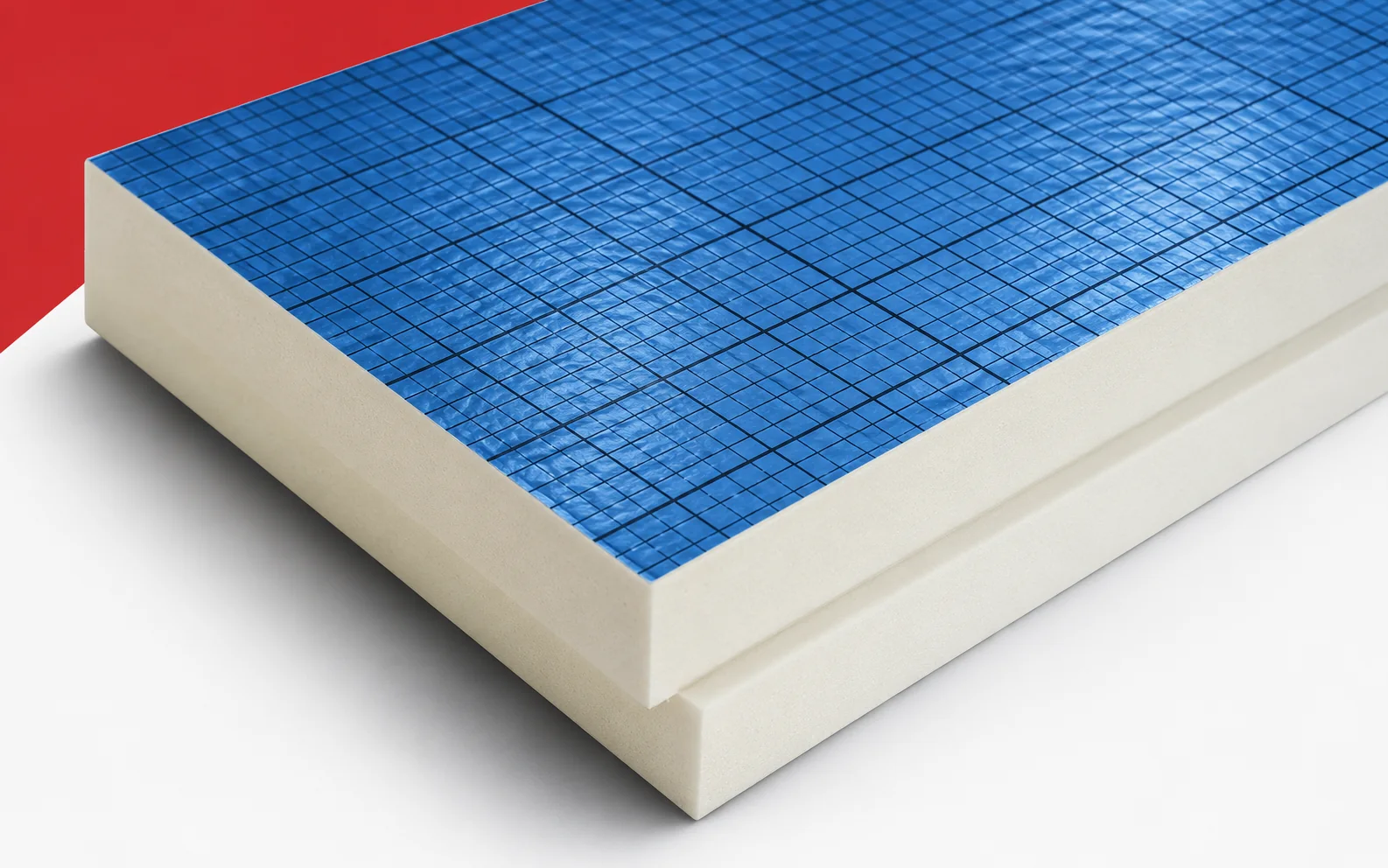
Thinner insulation can make it easier to maintain the parapet height and proper drainage. Eurothane Silver has a low declared thermal conductivity. This advantage must be calculated for the chosen thickness and combined with an assessment of how the whole roof is fixed. Recticel Eurothane Silver is a PIR board with a multi-layer gas-tight foil on both sides and a printed grid. The current datasheet specifies it for flat roofs in a classic build-up. PIR boards are best assessed through a specific spatial problem, so consider a classic flat roof for which mechanical fixing, adhesive bonding or ballasting is being considered. Eurothane Silver must be assigned to a specific mechanically fixed, bonded or ballasted system, because the space saving must be assessed together with the detail geometry.

By |2026-11-14T22:00:16+01:002026-11-14|Expert guides|Comments Off on Eurothane Silver for thin roof insulation: what does a thermal conductivity of 0.022 offer?

Recticel Eurofloor: limiting heat loss when floor depth is restricted

A low floor build-up may leave limited space for insulation. Recticel Eurofloor achieves substantial thermal resistance with a thin board. Before selecting it, however, allowance must be made for services, screed and floor finish. Recticel Eurofloor has a rigid PIR foam core and a multi-layer gas-tight foil on both faces printed with a grid. The manufacturer intends it for thermal insulation of floors, including those with underfloor heating. PIR boards are best assessed against a specific spatial problem, so consider a floor with the heating installation placed in the layers above the thermal insulation. Eurofloor must be placed in the correct floor build-up together with the designed heating installation, because the space saving must be assessed together with the detail geometry.

By |2026-11-14T22:00:14+01:002026-11-14|Expert guides|Comments Off on Recticel Eurofloor: limiting heat loss when floor depth is restricted

Thermano ETICS: combining PIR and EPS in a thin façade insulation layer

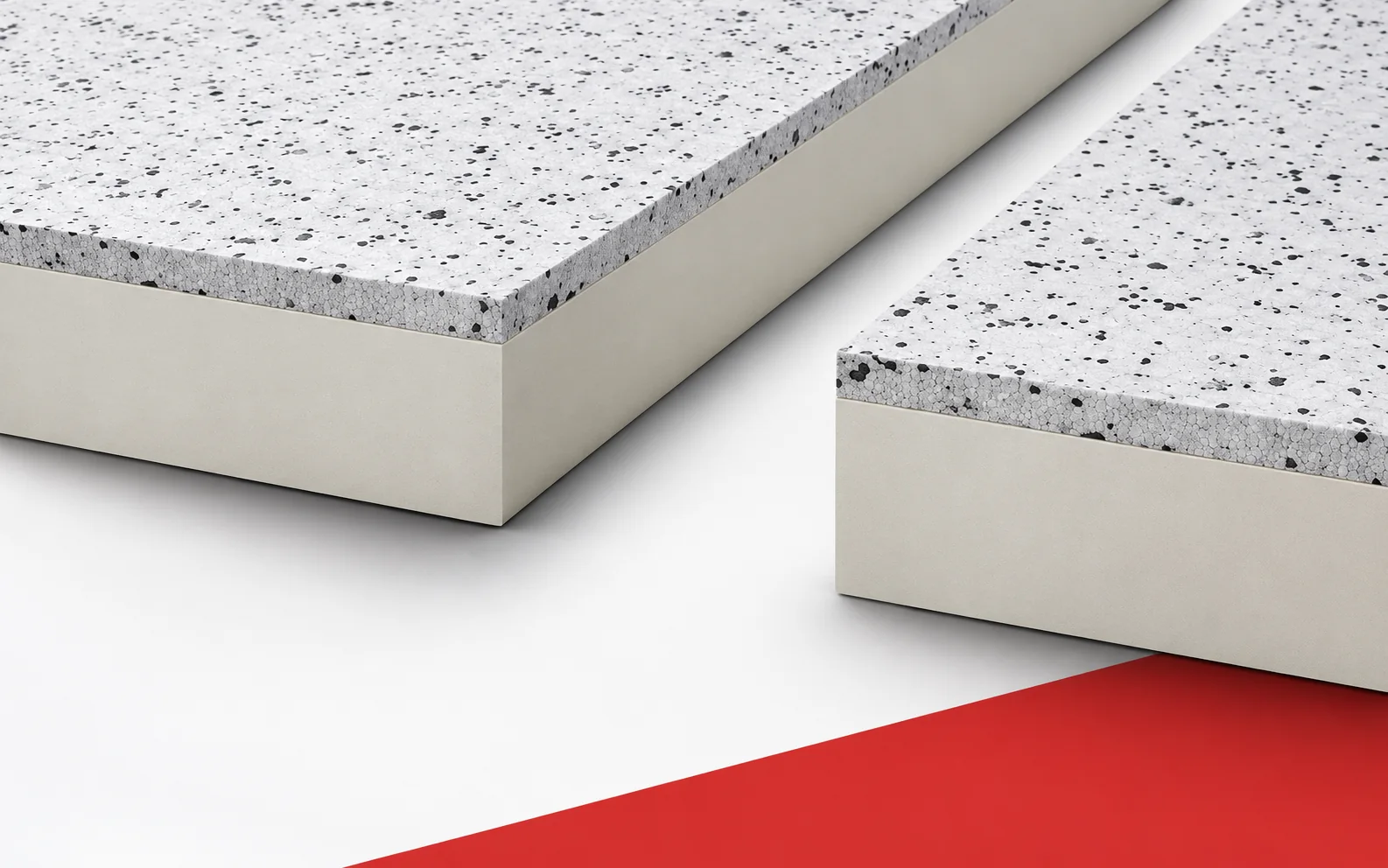
Thermano ETICS combines the low thermal conductivity of PIR with an outer layer of EPS. This solution is intended to help in constructing a rendered façade where thickness is limited. The thermal effect must, however, be calculated for the whole composite board, not for the core alone. Thermano ETICS is a composite board made of PIR with an outer layer of EPS 20 mm thick. The PIR part has gas-tight multilayer facings incorporating aluminium. PIR boards are best assessed through a specific spatial problem, so consider the cross-section of a façade board with a PIR core and an outer layer of EPS 20 mm thick. The surface of Thermano ETICS must be recognised as the outer EPS layer belonging to the composite, since the space saving must be assessed together with the geometry of the detail.

By |2026-11-14T22:00:12+01:002026-11-14|Expert guides|Comments Off on Thermano ETICS: combining PIR and EPS in a thin façade insulation layer

Thermano GK-A and GK-H2: space-saving internal insulation

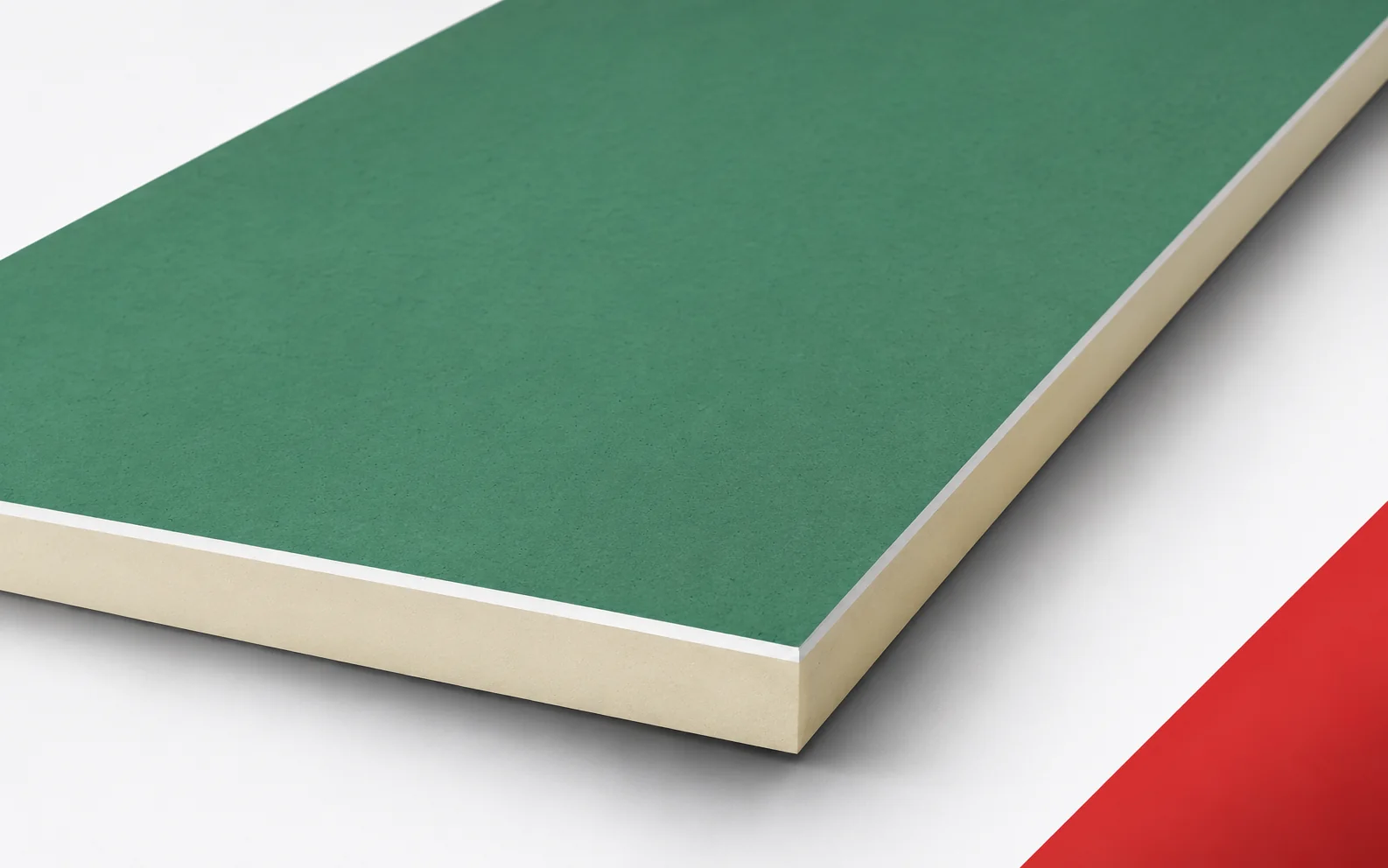
When insulating from the inside, every centimetre of room surface counts. Thermano GK combines PIR insulation with a plasterboard facing. The space benefit must, however, be calculated for the complete build-up, including the fixing and levelling of the existing wall. Thermano GK-A and Thermano GK-H2 combine a PIR core in gas-tight facings with a 12.5 mm plasterboard. The GK-A variant has a white facing for typical dry rooms. PIR boards are best assessed against a specific spatial problem, so consider the choice between the white GK-A facing and the green GK-H2 facing in a room with a defined function. The GK-A or GK-H2 variant should be assigned to the function and conditions of use of the room, because the space saving must be assessed together with the detail geometry.

By |2026-11-14T22:00:10+01:002026-11-14|Expert guides|Comments Off on Thermano GK-A and GK-H2: space-saving internal insulation

Thermano Compact: how to insulate small details where heat escapes

The thermal performance of insulation is often determined by small areas. Thermano Compact makes work easier where a full-size board would require numerous cuts. However, the design thickness must be maintained and the new piece must be joined to the adjacent insulation without gaps. Thermano Compact is a PIR board in a 600 × 1200 mm format with a multi-layer facing containing aluminium. The smaller format is an important practical feature. PIR boards are best assessed against a specific spatial problem, so consider a small working area into which a 600 × 1200 mm board is easier to bring. The Thermano Compact format must be matched to the size of the working area and the available transport route, because the space saving must be assessed together with the geometry of the detail.

By |2026-11-14T21:59:56+01:002026-11-14|Expert guides|Comments Off on Thermano Compact: how to insulate small details where heat escapes
Back to top