Thermano Roof: balancing thermal performance and mechanical requirements

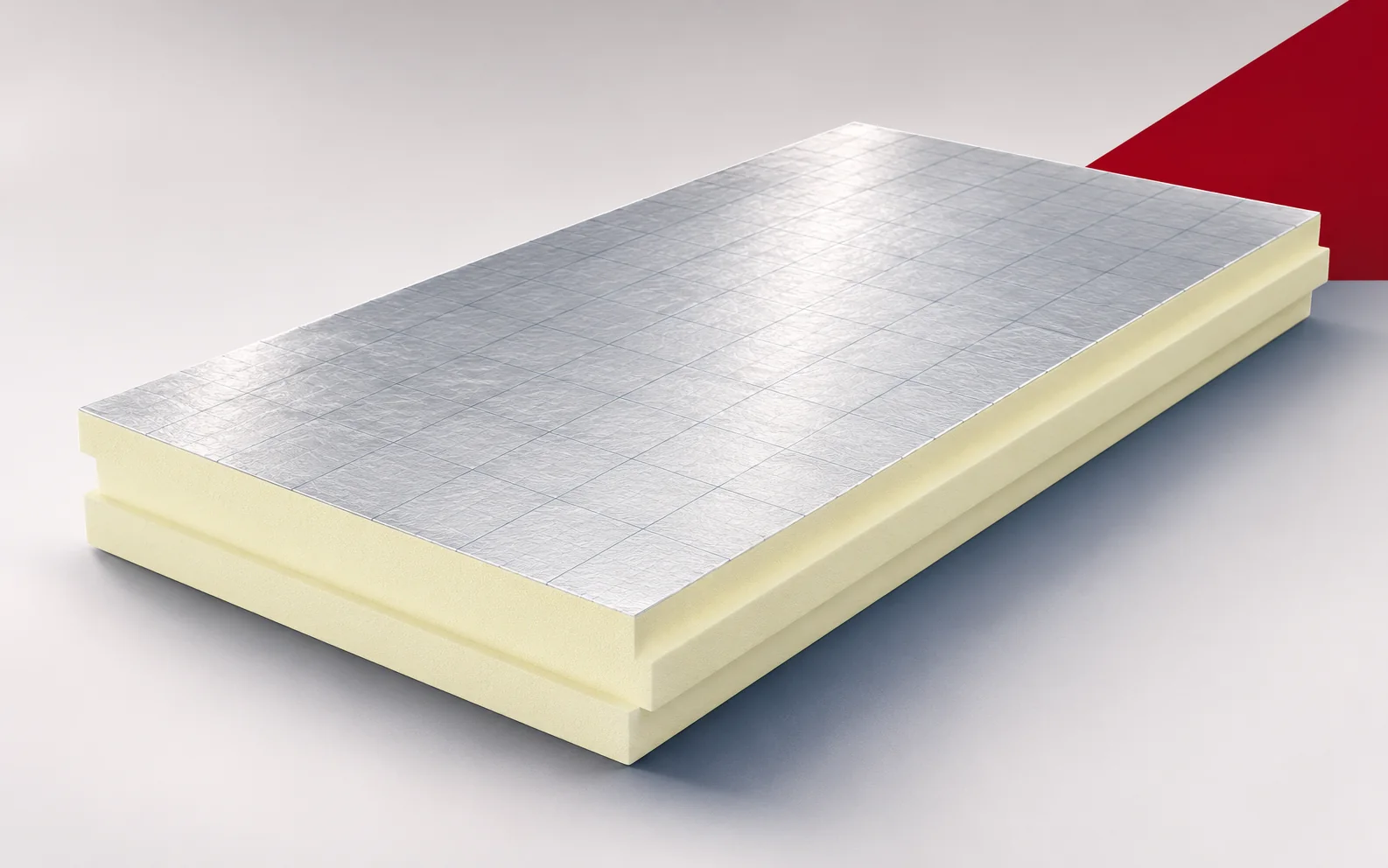
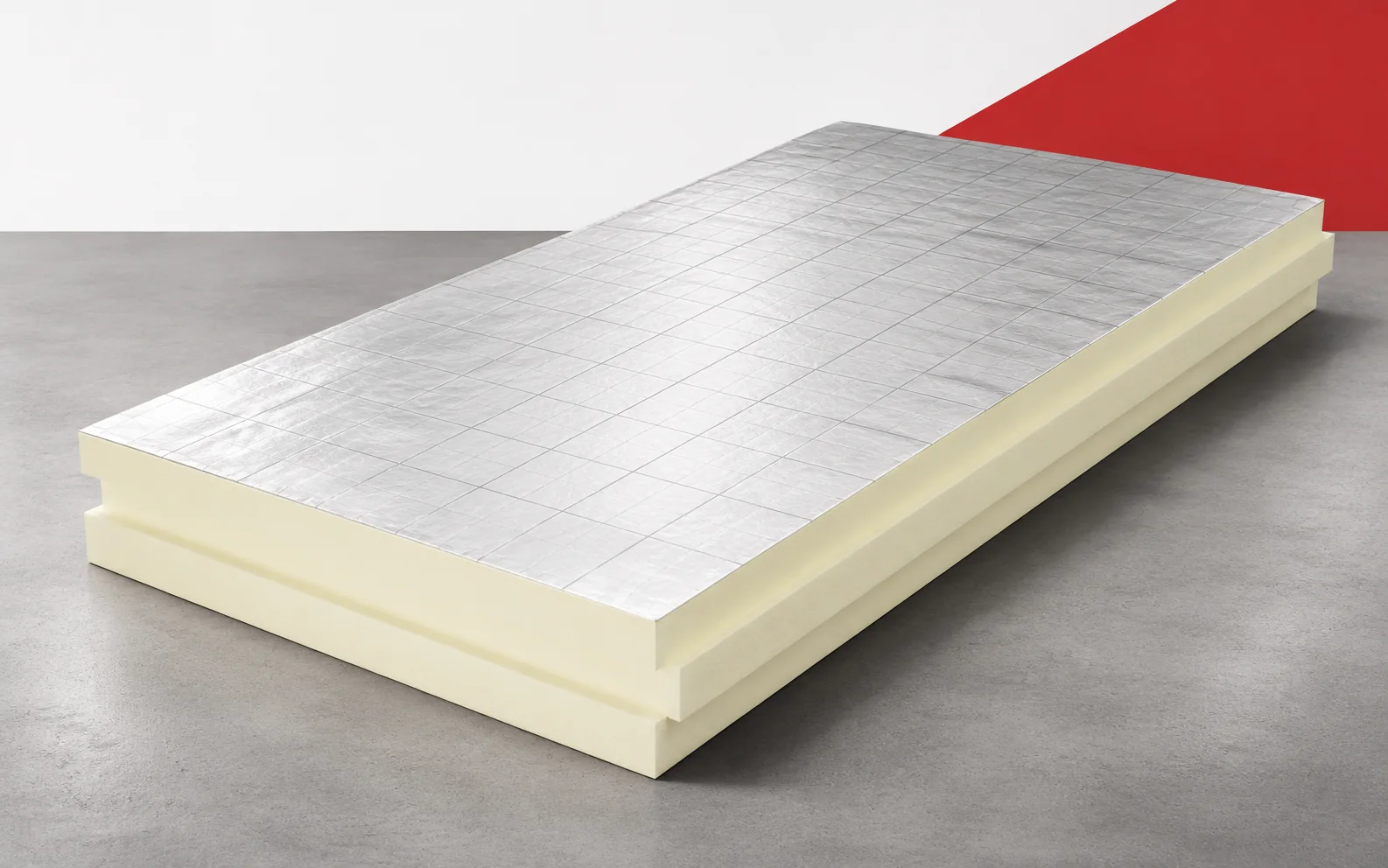
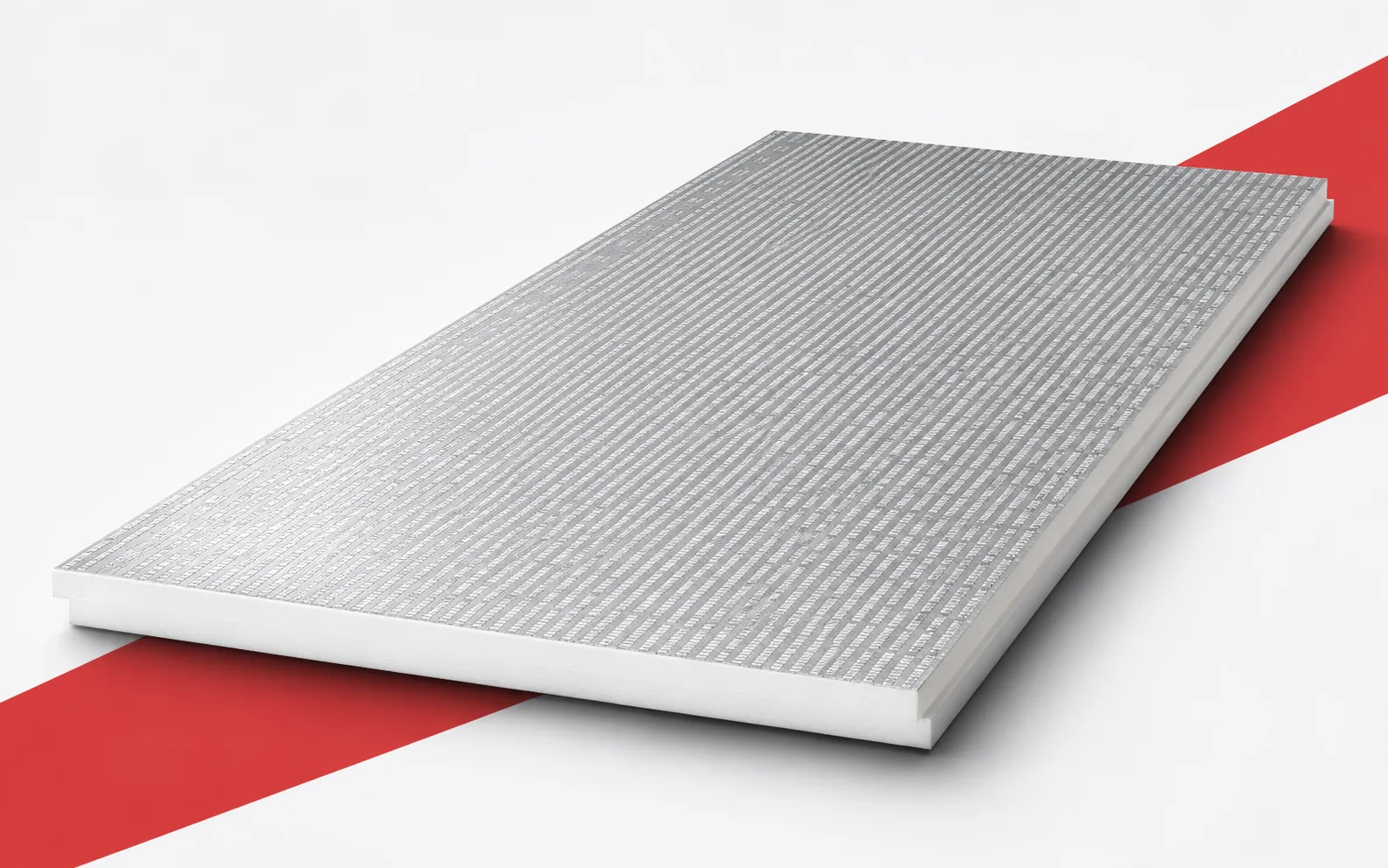
Selecting roof insulation requires reconciling several characteristics. Thermano Roof combines a PIR core with enhanced mechanical properties. When assessing the benefits, however, it must be remembered that thermal performance and load transfer derive from different data, not from a single overall quality rating. Thermano Roof is a rigid PIR board with gas-tight multilayer aluminium facings on both sides. The manufacturer specifies it for, among other applications, flat roofs and above-rafter insulation. PIR boards are best assessed through a specific spatial problem, so consider a pitched roof slope on which the insulation is to sit above the timber rafters. The Thermano Roof layer above the rafters must be integrated with the terminations at the eaves and openings, because the space saving must be assessed together with the detail geometry.
By |2026-11-14T21:59:54+01:002026-11-14|Expert guides|Comments Off on Thermano Roof: balancing thermal performance and mechanical requirements

Thermano Deck and flat roof heat loss: what can thinner insulation achieve?

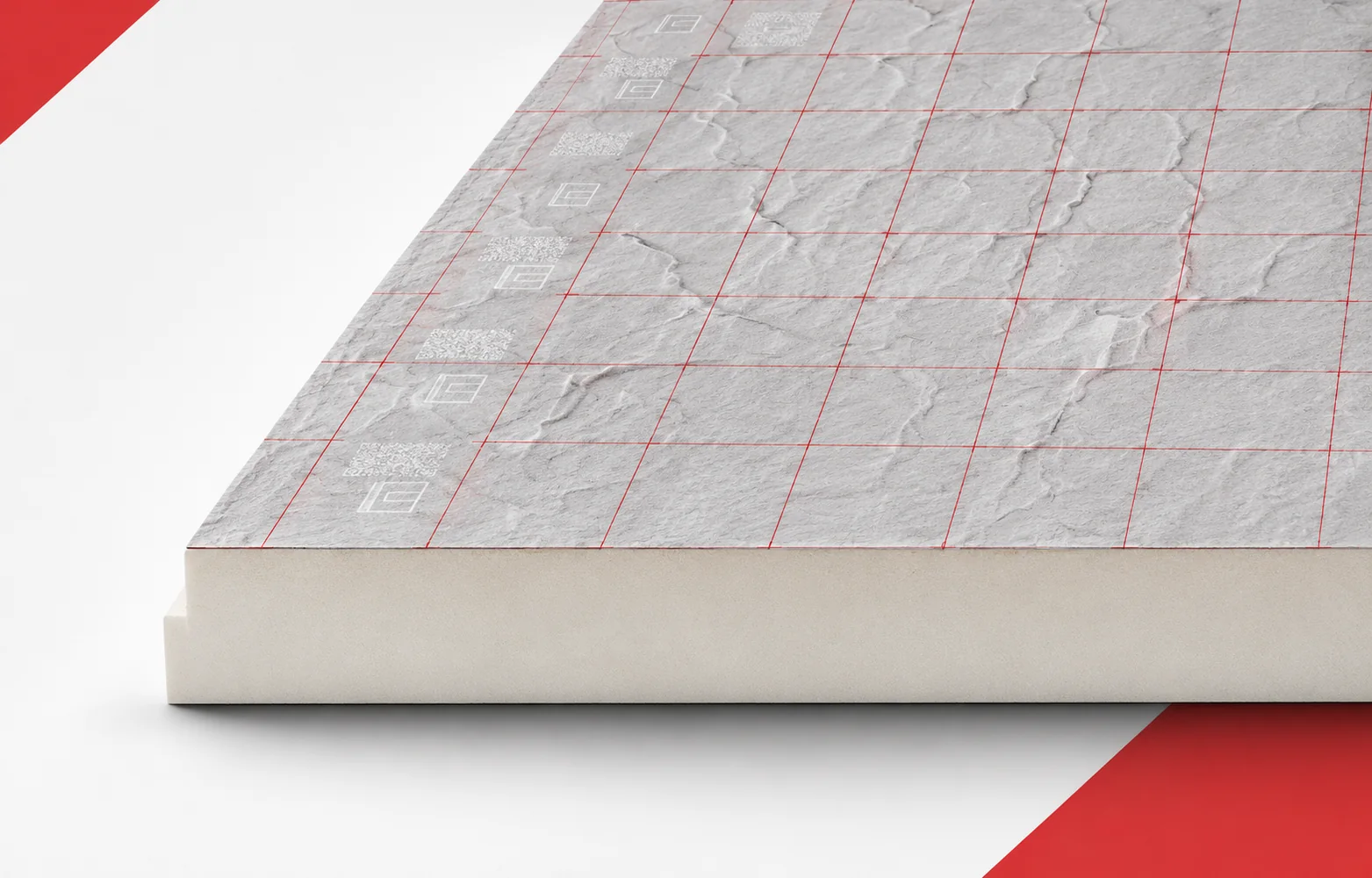
On a flat roof, thermal resistance matters, but so does the height available at parapets and outlets. Thermano Deck allows a relatively thin insulation layer to be built. The balance must use the lambda value applicable to the chosen thickness and must also account for the effect of the whole construction. Thermano Deck has a PIR core and a multilayer gas-tight facing containing aluminium on both sides. The product is intended, among other applications, for conventional flat roofs. PIR boards are best assessed through a specific spatial problem, so consider a large flat roof area based on trapezoidal steel sheet and finished with parapets. Thermano Deck must be selected together with the vapour control layer, the substrate and the method of forming the waterproofing, because the space saving must be assessed together with the geometry of the detail.

By |2026-11-14T21:59:52+01:002026-11-14|Expert guides|Comments Off on Thermano Deck and flat roof heat loss: what can thinner insulation achieve?

termPIR AL GK: how to insulate from the inside while preserving floor space

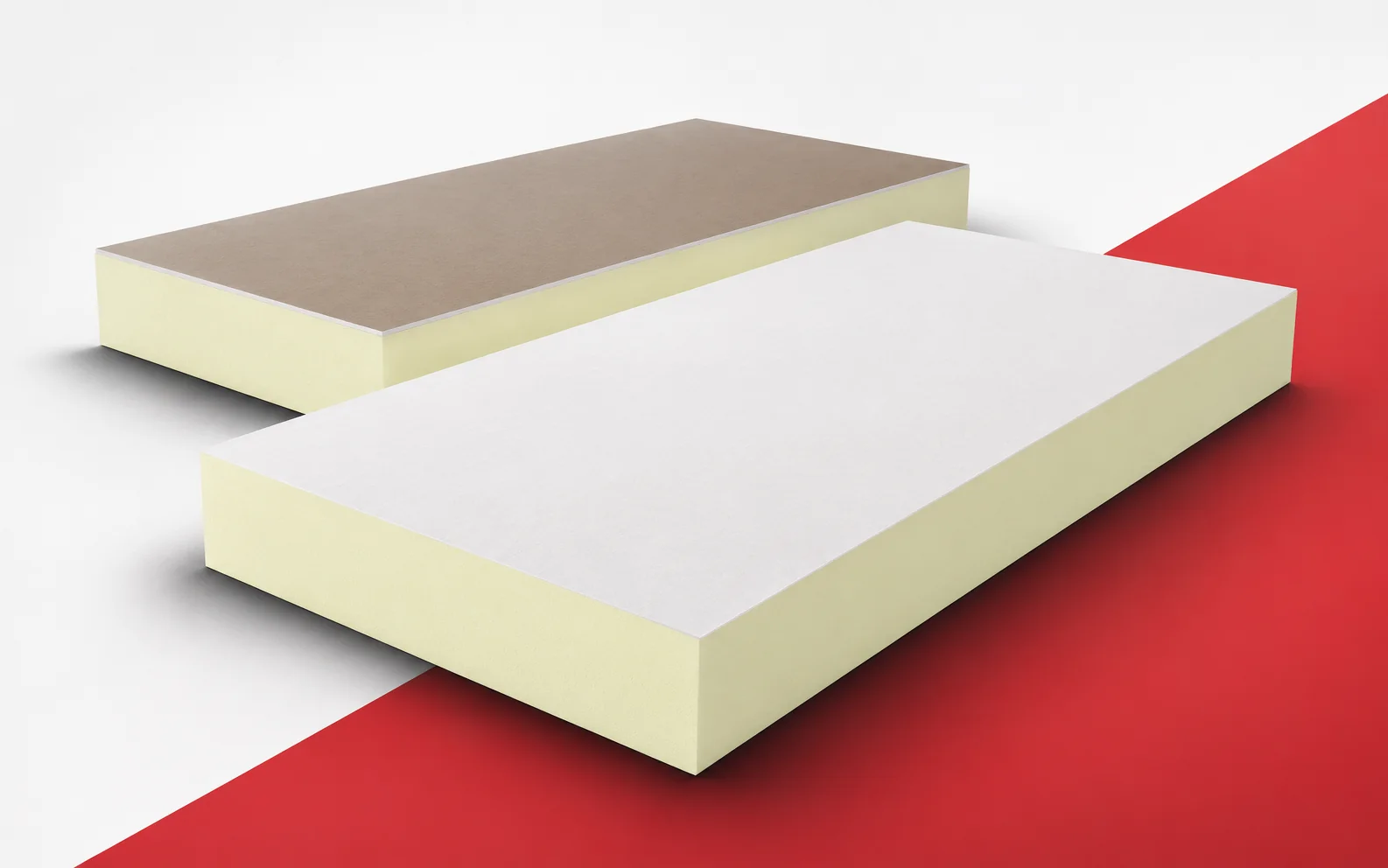
In a small room, the thickness of the insulation directly affects the usable space. termPIR AL GK combines insulation with a finishing layer. When assessing the benefit, you must take into account not only the board itself but also the adhesive, the levelling of the substrate and the junction details. termPIR AL GK is a composite. The insulating part made of PIR foam has a gas-tight facing on both sides, and on the room side there is a 12.5 mm thick plasterboard. PIR boards are best assessed through a specific spatial problem, so consider the wall from the inside, where a single board is to provide both insulation and a substrate for the finish. The masonry beneath termPIR AL GK must be investigated before it is closed off under insulation and a new plasterboard surface, because the saving of space must be assessed together with the geometry of the detail.

By |2026-11-14T21:59:50+01:002026-11-14|Expert guides|Comments Off on termPIR AL GK: how to insulate from the inside while preserving floor space

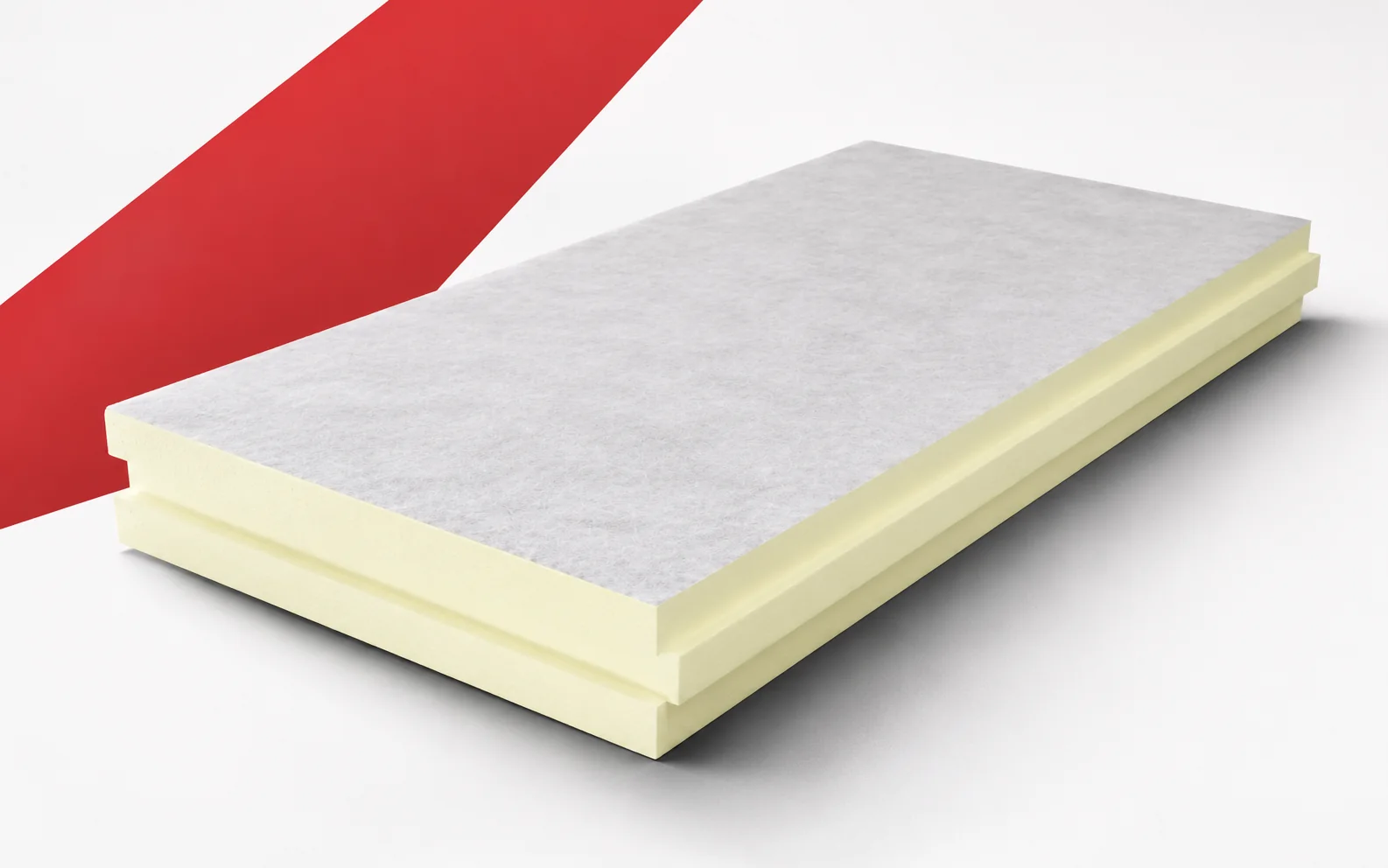
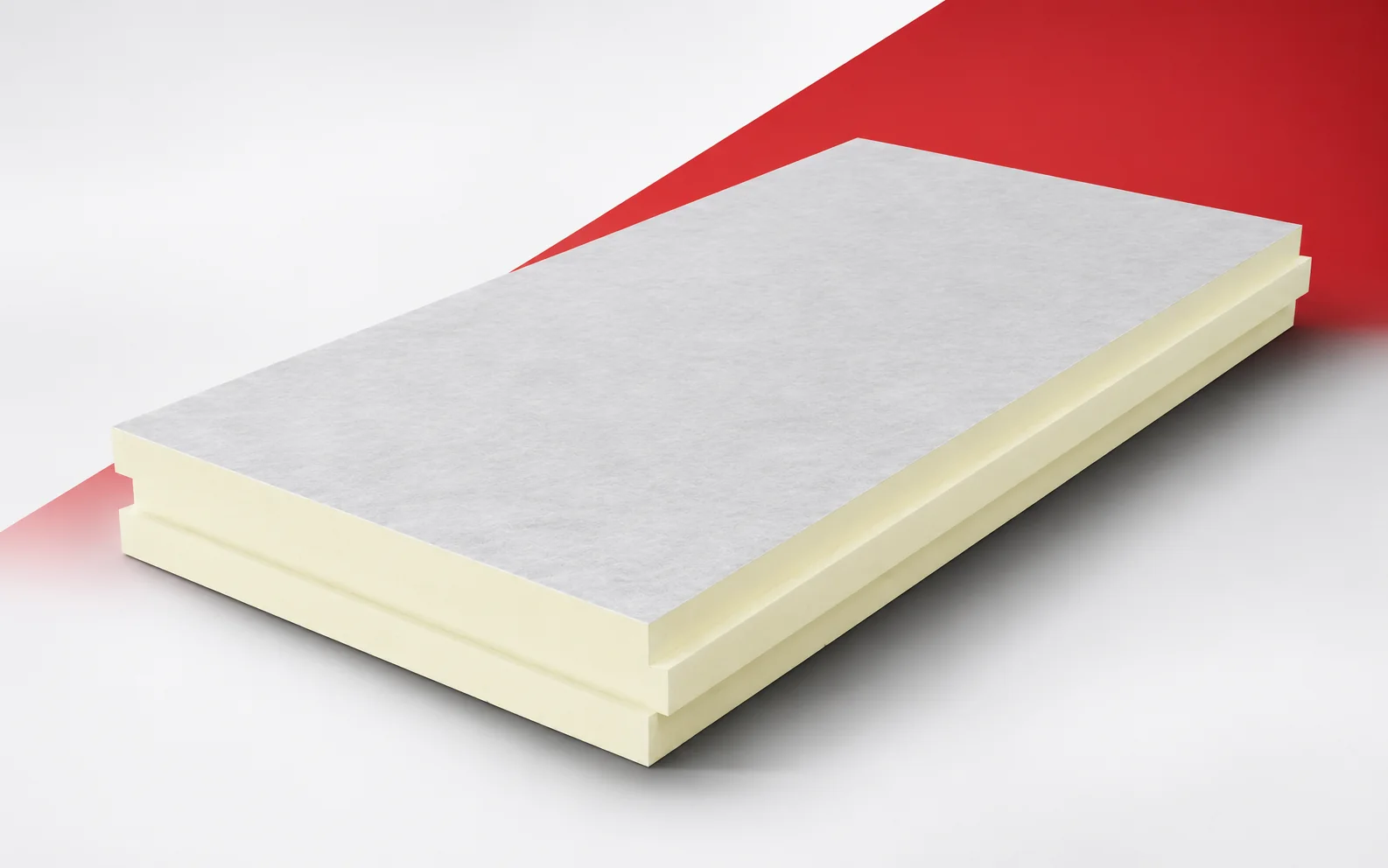
termPIR WS roof insulation: why the facing matters for energy savings

In an efficient roof, the insulation must work together with the layers that protect it. termPIR WS uses a glass fleece facing. Its selection can be just as important as the thickness, because an unsuitable combination of materials leads to costly rework. termPIR WS consists of a PIR core with a vapour-permeable glass fleece facing on both sides. This is a different surface from a vapour-tight aluminium laminate. PIR boards are worth assessing through a specific spatial problem, so consider the flat roof area where the board facing is to work with the covering. The termPIR WS fleece must be matched to the layers and the fixing method of the adopted roof covering, because the saving of space must be assessed together with the detail geometry.
By |2026-11-14T21:59:48+01:002026-11-14|Expert guides|Comments Off on termPIR WS roof insulation: why the facing matters for energy savings

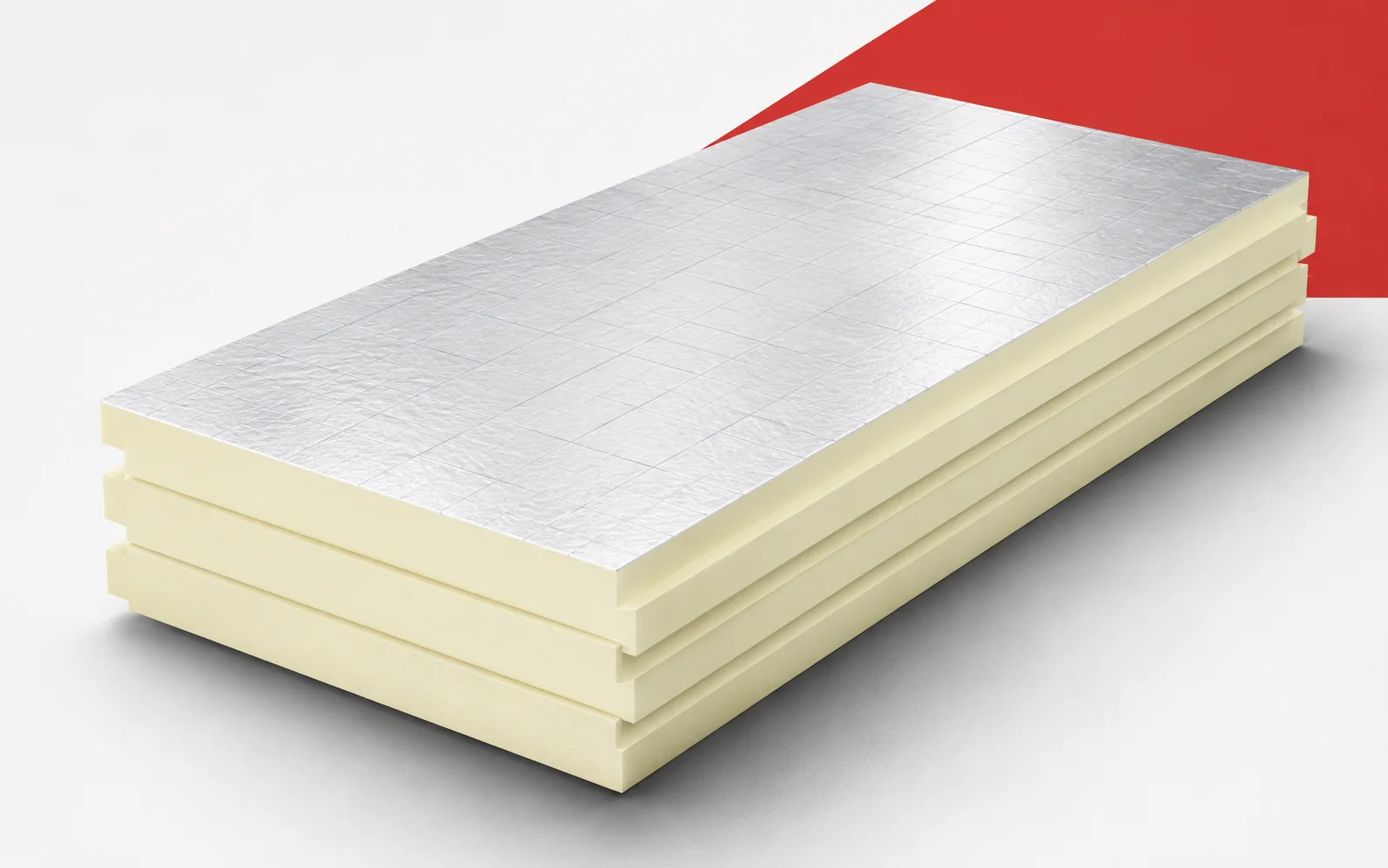
termPIR MAX 19 AL: when does a thermal conductivity of 0.019 allow a thinner board?

A very low lambda is most useful where there is no room for the layers. termPIR MAX 19 AL has a declared 0.019 W/(m·K). How much thickness can actually be saved, however, depends on the required thermal resistance and the properties of the reference material. termPIR MAX 19 AL is a board made of rigid PIR foam, protected on both sides by a gas-tight laminate of aluminium, paper and polyethylene. Its principal distinguishing feature is its level of thermal conductivity. PIR boards are worth assessing through a specific spatial problem, so consider the place where little space remains for insulation beneath existing finishing. The cross-section at the existing finishing must be checked before exploiting the advantage of the low lambda, because space savings must be assessed together with the geometry of the detail.

By |2026-11-14T21:59:37+01:002026-11-14|Expert guides|Comments Off on termPIR MAX 19 AL: when does a thermal conductivity of 0.019 allow a thinner board?

termPIR ETX on façades: when thinner insulation under render is suitable

On a façade, the insulation thickness affects the reveals, sills and the position of details. termPIR ETX allows PIR insulation to be used in a system with a render finish. The benefit must be assessed together with the lambda of the specific thickness and the requirements of the complete system. termPIR ETX is a PIR board with a vapour-permeable glass fleece facing. The manufacturer intends it for two-layer walls in an ETICS system. PIR boards are best assessed through a specific spatial problem, so consider a façade where the limited width of the reveal makes thick insulation difficult. The insulation at the window frame must remain continuous with the boards laid on the full wall, because saving space must be assessed together with the geometry of the detail.

By |2026-11-14T21:59:35+01:002026-11-14|Expert guides|Comments Off on termPIR ETX on façades: when thinner insulation under render is suitable

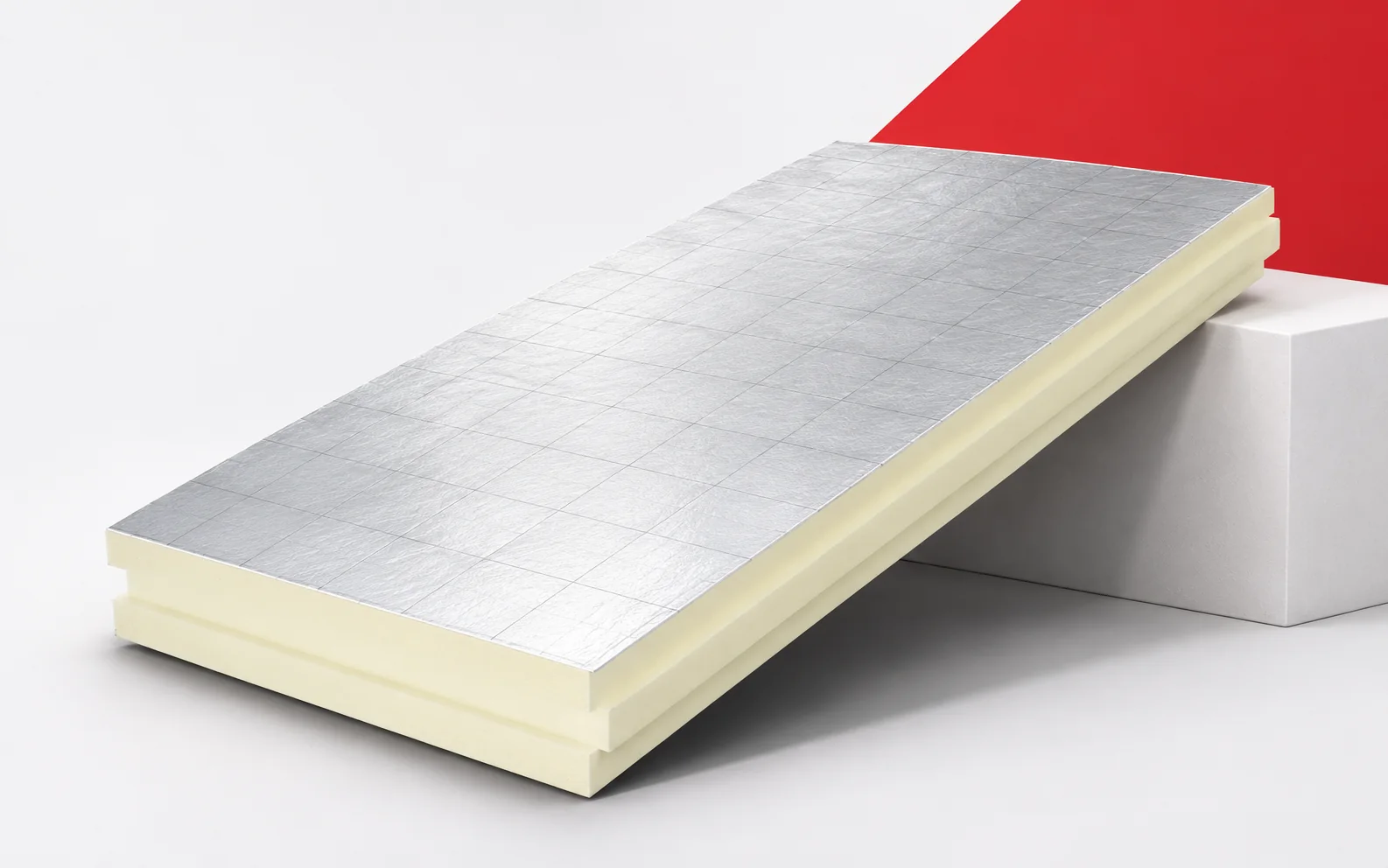
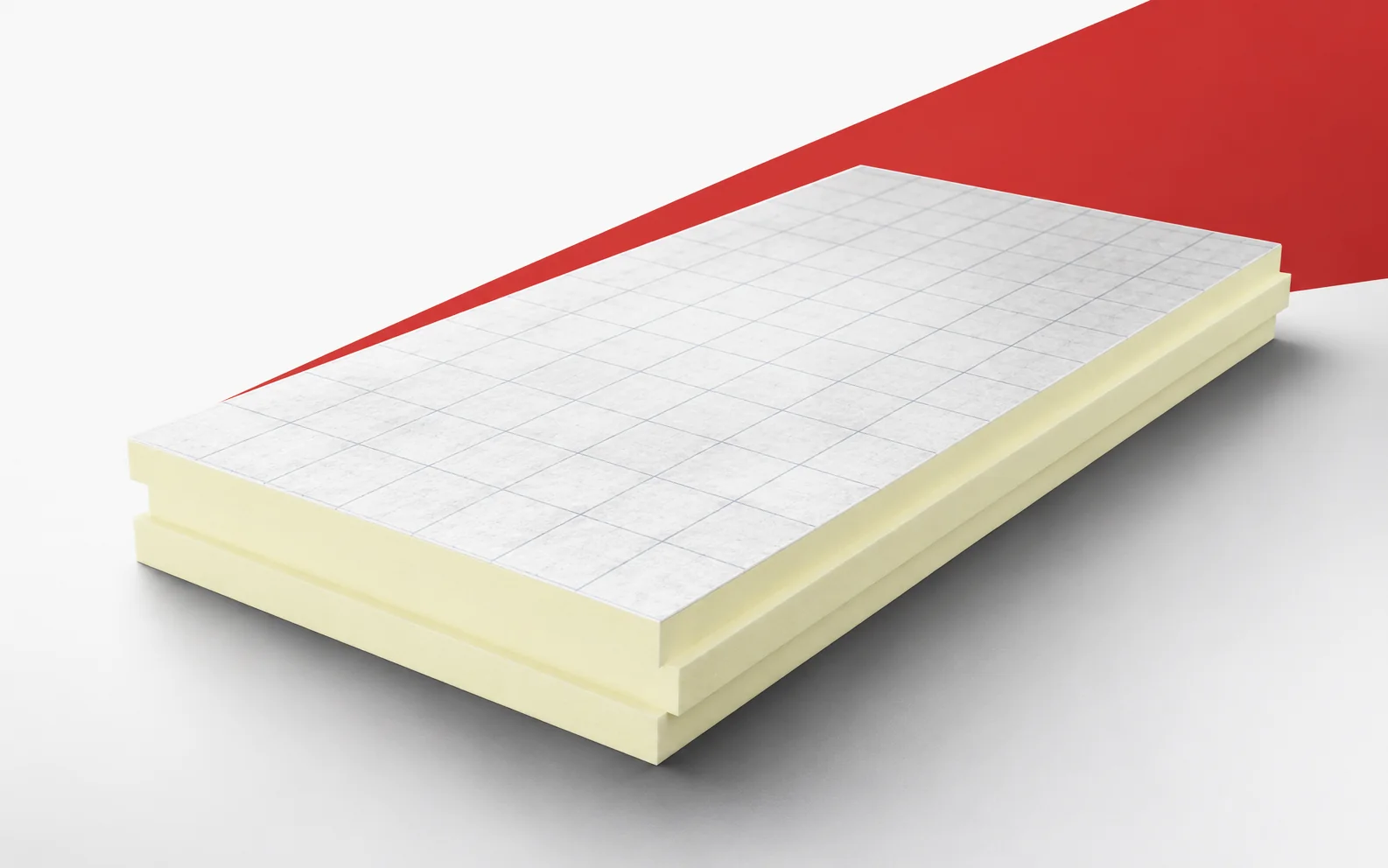
Saving space with termPIR AL: what does a thermal conductivity of 0.022 mean?

Where the height available for the layers is limited, it is worth calculating how much thermal resistance each centimetre of insulation provides. termPIR AL allows a low thickness to be combined with a simple arrangement of rigid boards. The energy performance nevertheless also depends on joints, fixings and the other parts of the building element. termPIR AL has a rigid PIR foam core. On both sides there is a gas-tight laminate containing aluminium, paper and polyethylene. PIR boards are best assessed against a specific space constraint, so consider a low threshold where the new layers have limited height. The threshold must be combined with continuous insulation of the wall and floor without leaving an exposed strip, because the space saving must be assessed together with the detail geometry.
By |2026-11-14T21:59:33+01:002026-11-14|Expert guides|Comments Off on Saving space with termPIR AL: what does a thermal conductivity of 0.022 mean?

Buying PIR boards: insulation cost and actual energy savings

The price per square metre of a board does not yet tell us what effect we will achieve in the building. It is worth comparing complete systems with a similar task, thickness and scope of work. PIR boards can save space and reduce heat loss, but both benefits must be tied to a specific project. PIR boards may look similar yet have different facings, strength and intended use. Before purchase, a current technical data sheet, declaration of performance and installation instructions are needed. The declared parameter should relate to exactly the thickness supplied. One data sheet for a similarly named board does not confirm the properties of every offer. When comparing data sheets, it is worth starting by checking the date and the range of thicknesses.

By |2026-11-14T21:59:32+01:002026-11-14|Expert guides|Comments Off on Buying PIR boards: insulation cost and actual energy savings

PIR wall insulation: making the most of limited space at window and door reveals

On façades there is often a lack of space at windows, at the building boundary or at the junction with the roof. PIR boards can help to reduce the insulation thickness in these places. The right product must be selected for the method of finishing, and the continuity of the entire layer must be maintained. PIR boards can form a continuous insulation layer on the outer side of the wall. Such a position helps to reduce thermal bridges associated with structural elements. The ring beam and lintel matter alongside the flat masonry. Continuous external insulation can reduce the influence of these elements on the thermal performance of the wall. Wall insulation is best assessed together with reinforced concrete elements and floor boundaries. Covering these places with a continuous layer helps to reduce the heterogeneity of the building envelope.

By |2026-11-14T22:03:29+01:002026-11-14|Expert guides|Comments Off on PIR wall insulation: making the most of limited space at window and door reveals

PIR floor insulation where build-up height is limited

A low floor at doors or stairs makes it difficult to add thick insulation. PIR boards allow a build-up with high thermal resistance and low height to be considered. The choice should, however, take account of loads, the screed and how it works with underfloor heating. PIR boards are useful in a floor where the available height is limited. Low thermal conductivity allows an effective insulating layer to fit beneath the screed. The door threshold determines the available height of the whole floor. Space for adhesive and covering must be deducted before the insulation thickness is fixed. It is worth starting the preparation of the floor build-up from the finished floor level. The layers needed above the insulation are deducted from it.

By |2026-11-14T21:59:19+01:002026-11-14|Expert guides|Comments Off on PIR floor insulation where build-up height is limited
Back to top